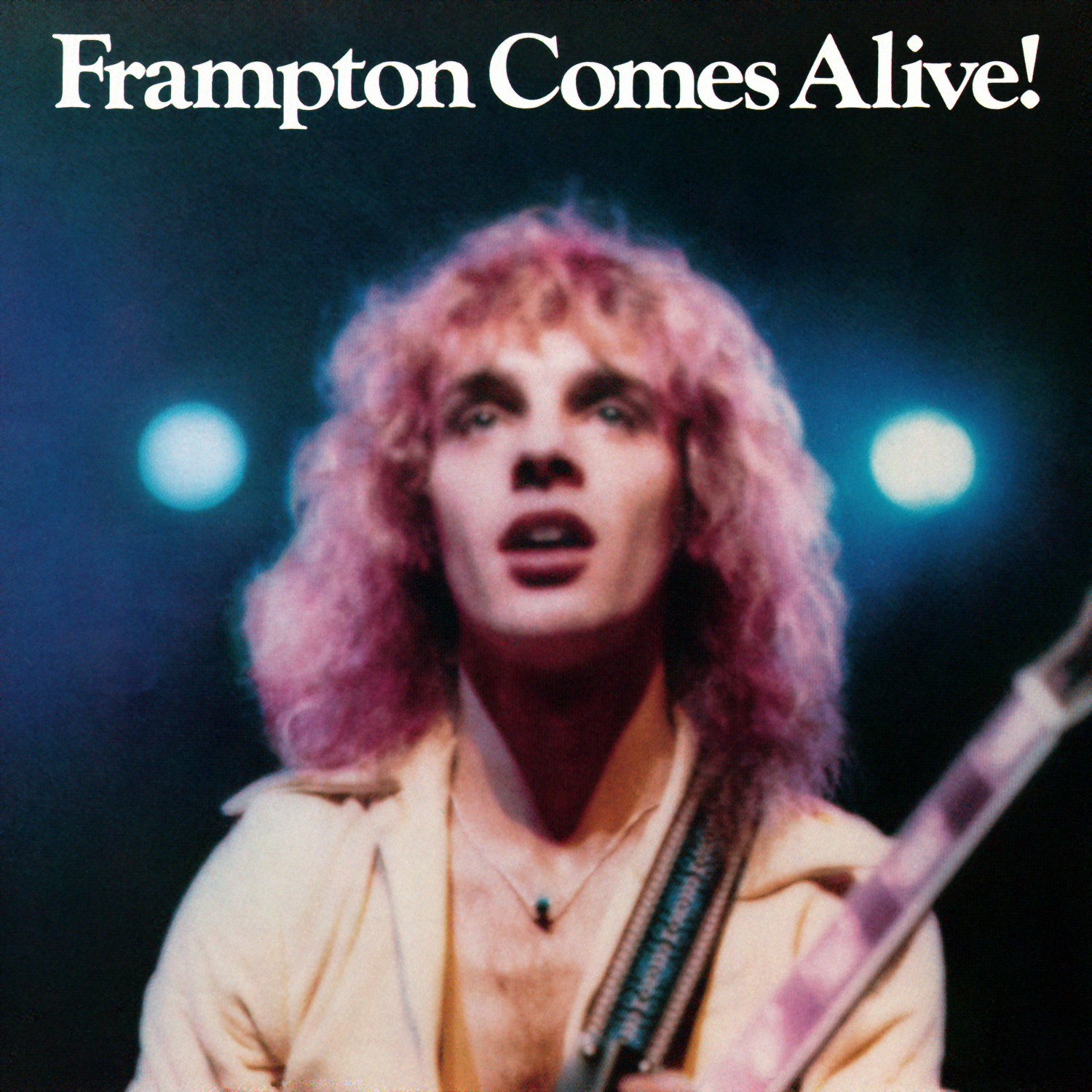
It’s difficult to explain to today’s pop music fans just how big Frampton Comes Alive! was when it was released in 1976. The double-live album was a blockbuster sales hit and a phenomenon.
Music in the 1970s was driven just as much by blockbuster albums as by a plethora of must-see live acts. Nowadays, the concert business is in shambles because of high ticket prices and the prevalence of popular artists who primarily built their followings on producer-driven music with slick, controlled, mostly electronic studio craft. Some may put on entertaining shows, but many lack the organic musicianship of the classic rock-era groups and artists. Live albums, especially blockbuster live albums, are a thing of the past.
Peter Frampton was in many ways a surprise breakout artist. He was in the short-lived group The Herd, which was formed in 1965 when he was 16, formed Humble Pie with Steve Marriott in 1969, and then departed in 1972 to go solo. He recorded four solo albums before the tour that yielded Frampton Comes Alive! and was slowly building a following and becoming more popular, but was strictly an FM artist. Even for that era, a double-live album that yielded so many hits was an oddity.
It’s hard to remember the last time anyone had a hit with a live track or album. The album yielded the hits “Show Me the Way” and “Baby I Love Your Way” and unleashed the 14-minute-plus FM staple “Do You Feel Like We Do.” That track highlighted Frampton’s dexterity with the vocoder, a vocal tube/mic setup that gave vocals a spacey, robotic, fuzzy sound. Joe Walsh also had success with the effect during that time period.
The album was filled with guitar-driven rockers but also included tracks emphasizing acoustic ballads. Frampton was truly a triple threat: he could write great songs, was a guitar god, and had a distinctive voice. To make this a bona fide period live album, the original liner notes were written by teenage Rolling Stone reporter Cameron Crowe. As great as the album was, it became somewhat of a noose around Frampton’s neck, as he was never again able to duplicate its success.
There have been many reissues of the album before, including the now-out-of-print 2-CD 25th Anniversary Deluxe Edition, which contained four additional tracks and a running order that more closely reflected how a Frampton set list ran at the time.
Like previous Vinylphyle releases we have covered, this is a limited-edition 180-gram vinyl release from the original analog tapes, pressed at RTI. It comes in an archival sleeve and gatefold package, with an OBI strip, a plastic outer bag, and a four-page insert featuring tape-box photos from the original Electric Lady Studio reel-to-reels and liner notes, and includes an interview with Frampton by Anthony Fantano.
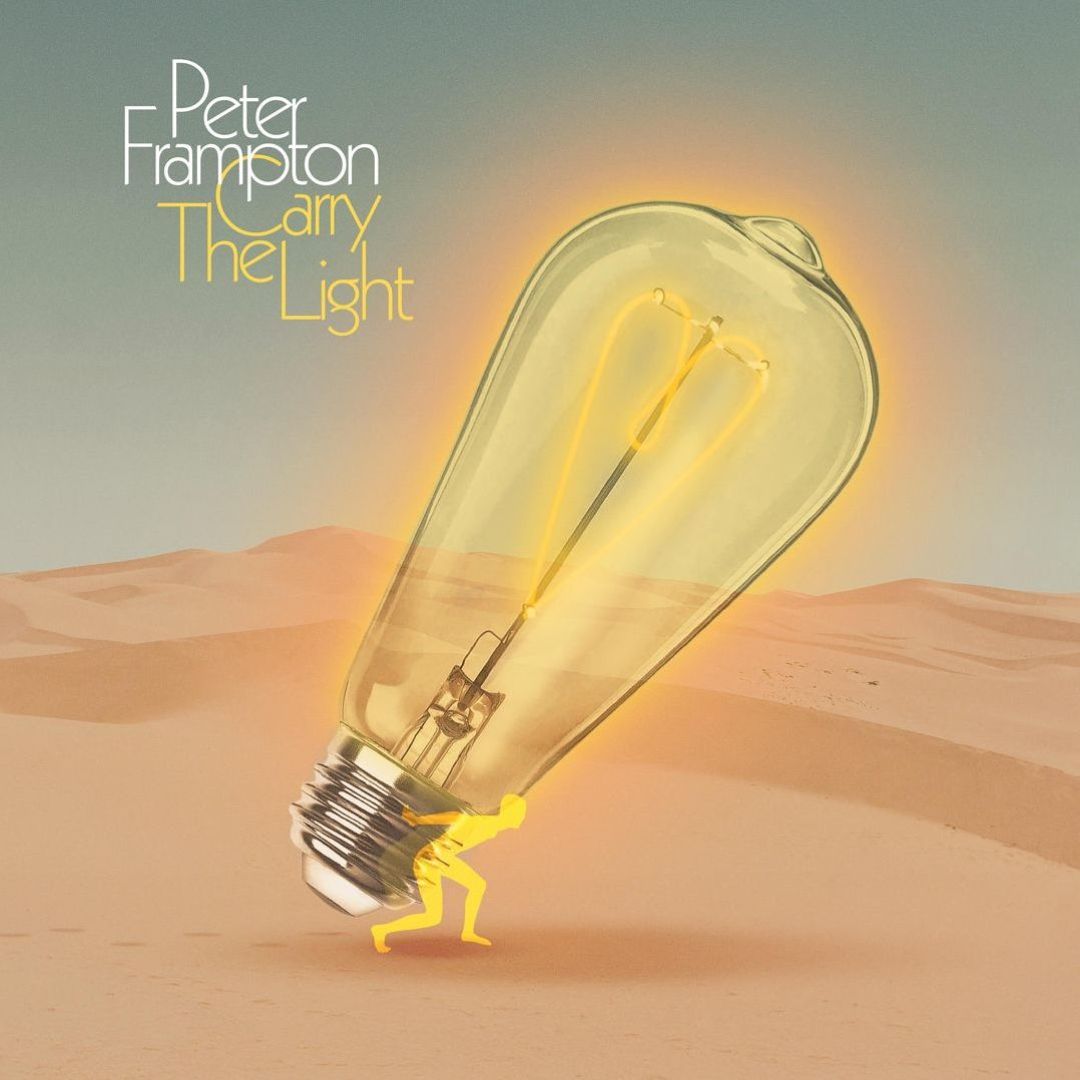
Frampton has a new album, his first of all new songs since 2010. The album features ten songs co-written with Frampton’s son, Julian, who also co-produced it.
While Frampton’s vocals are not quite as powerful as in his heyday, his guitar work is sterling, mixing the shimmering, fuzzy buzz of his distinctive electric guitar with lush acoustic moments. There are some wonderful guests here, including Graham Nash’s vocals on “I’m Sorry Elle” and Sheryl Crow on “Breaking The Mold.”
There are also powerful guest spots by Tom Morello on “Lions At The Gate” and H.E.R. on “Islamorada.” Other guest instrumentalists include saxophonist Bill Evans on two cuts and Benmont Tench on keyboards. Given Frampton’s recent health problems, the record feels very much like a swan song effort. This album was truly made for vinyl listening and comes in a yellow 180-gram vinyl edition.
GRADED ON A CURVE:
Frampton Come Alive!
A
Carry The Light
B