Remembering Martin Phillipps. —Ed.
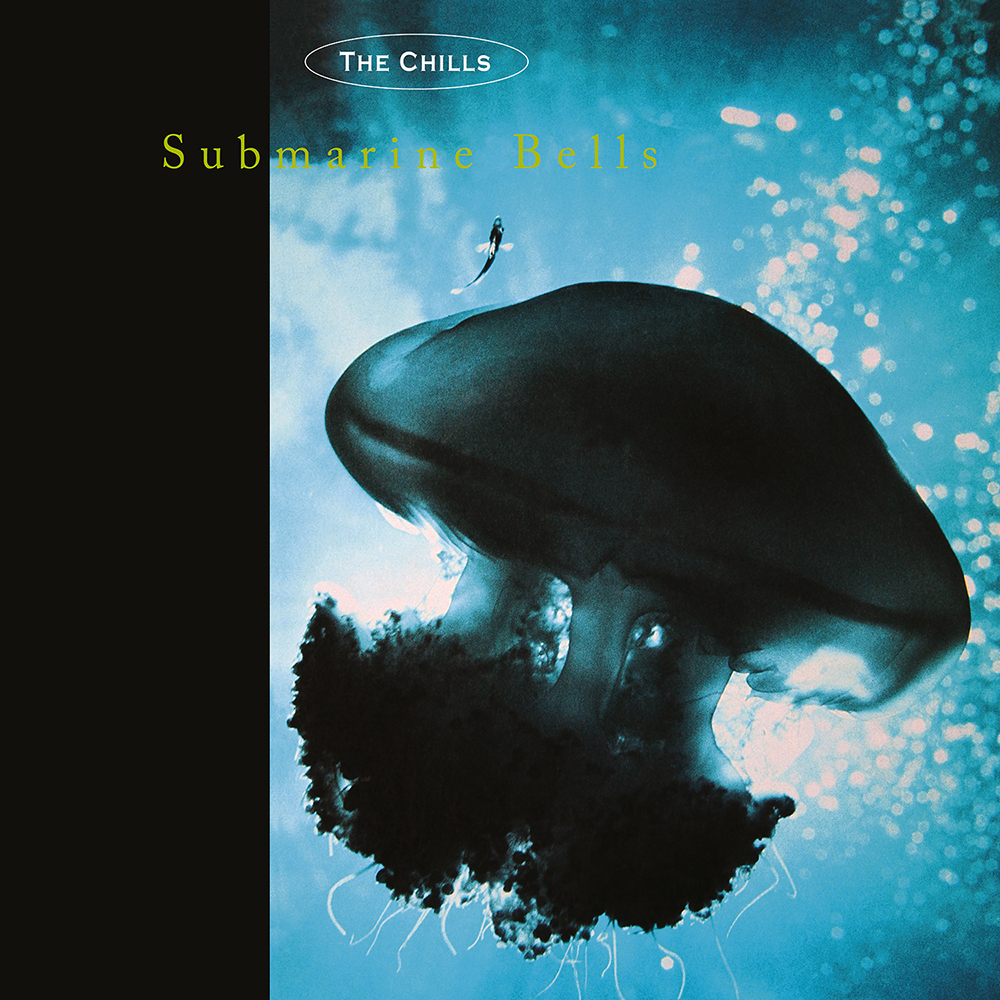
For some, the two early 1990s releases from New Zealand’s The Chills, Submarine Bells and Soft Bomb, served as a doorway of introduction to one of the finest tunesmiths in the whole pop-rock shebang. But for folks who were previously clued-in to the band’s work for the Flying Nun label, these albums, both cut for Slash Records, represent leader and sole constant Chill Martin Phillipps’ already considerable pop ambitions in full flower. Both albums are available through Fire Records.
 Although it was never my preferred format, back in 1990 when Submarine Bells came out, I was still in the habit of occasionally buying music on cassette. I mention this because I did indeed initially purchase Bells on that very format, a decision spurred by impatience, as on my visit, the store didn’t have any copies in stock.
This pained me a little at the time, but I also knew I could remove the shrink wrap and pop that tape right into the car’s deck for immediate listening out on the highway, which was enticing as The Chills’ sound, which flows from a jangle pop/ indie pop fount with tangible if savvy nods to the 1960s, is well-suited for vehicular absorption. Upon reflection, Submarine Bells hits something of an apex in the windows down volume up mode, beginning with one of the band’s signature tunes, “Heavenly Pop Hit.”
That song’s stature relates largely to pure skill in the construction, but as said up above, Submarine Bells was many folks’ intro to The Chills, and sequenced on that album first, “Heavenly Pop Hit” no doubt deepened this first impression. Along with reaching No. 2 on the New Zealand singles chart (the album hit No. 1, as The Chills weren’t an u-ground thing at home), it snuck into the UK singles sales list at No. 97 and even made the Alternative Airplay chart in the US at No. 17.

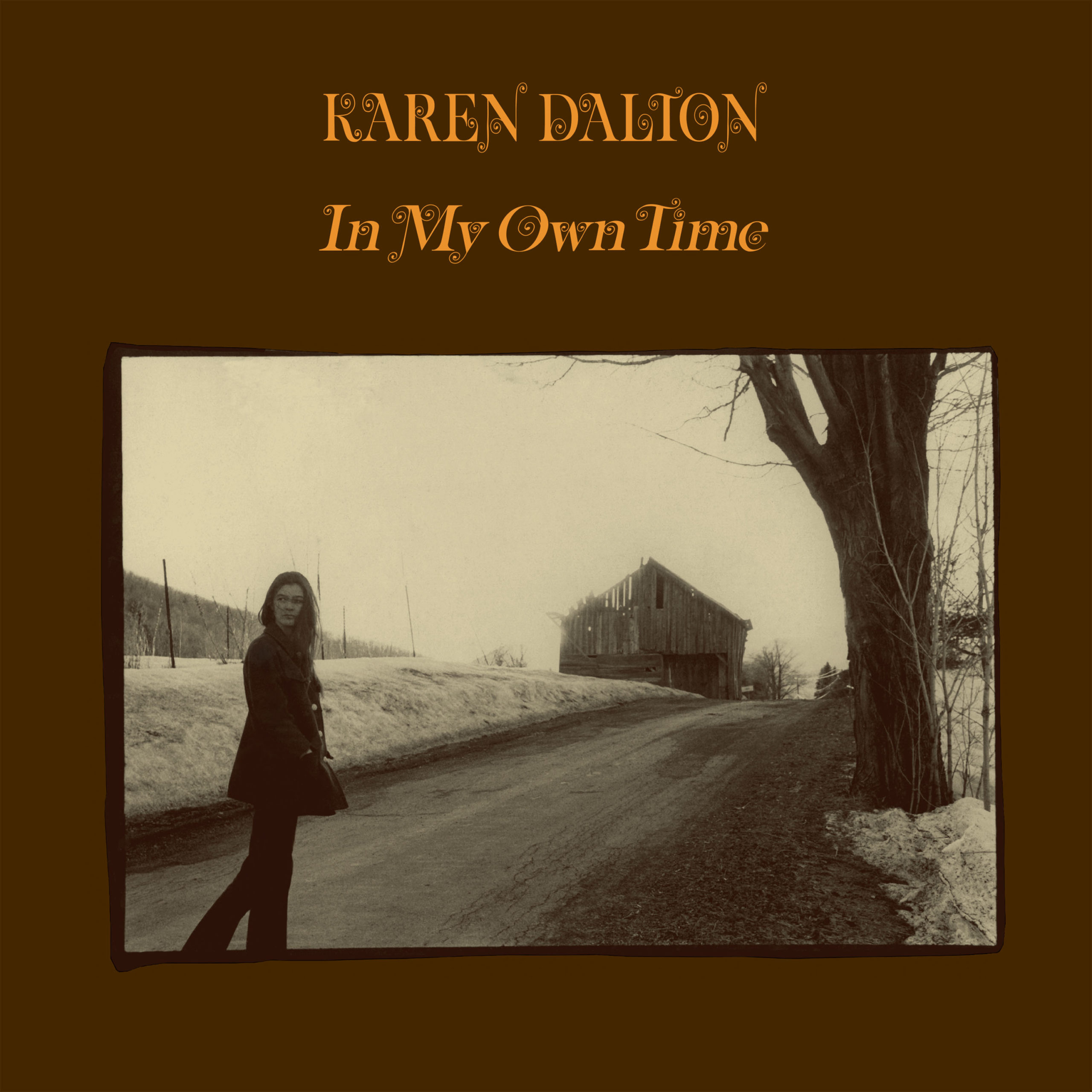
 Karen Dalton emerged from the 1960s Greenwich Village folk scene, a contemporary of the Holy Modal Rounders, Peter Walker, Tim Hardin, Fred Neil, and most famously Bob Dylan, whose enthusiastic recollection of performing with Dalton, and specifically the beauty of her singing, has helped to solidify her posthumous legacy.
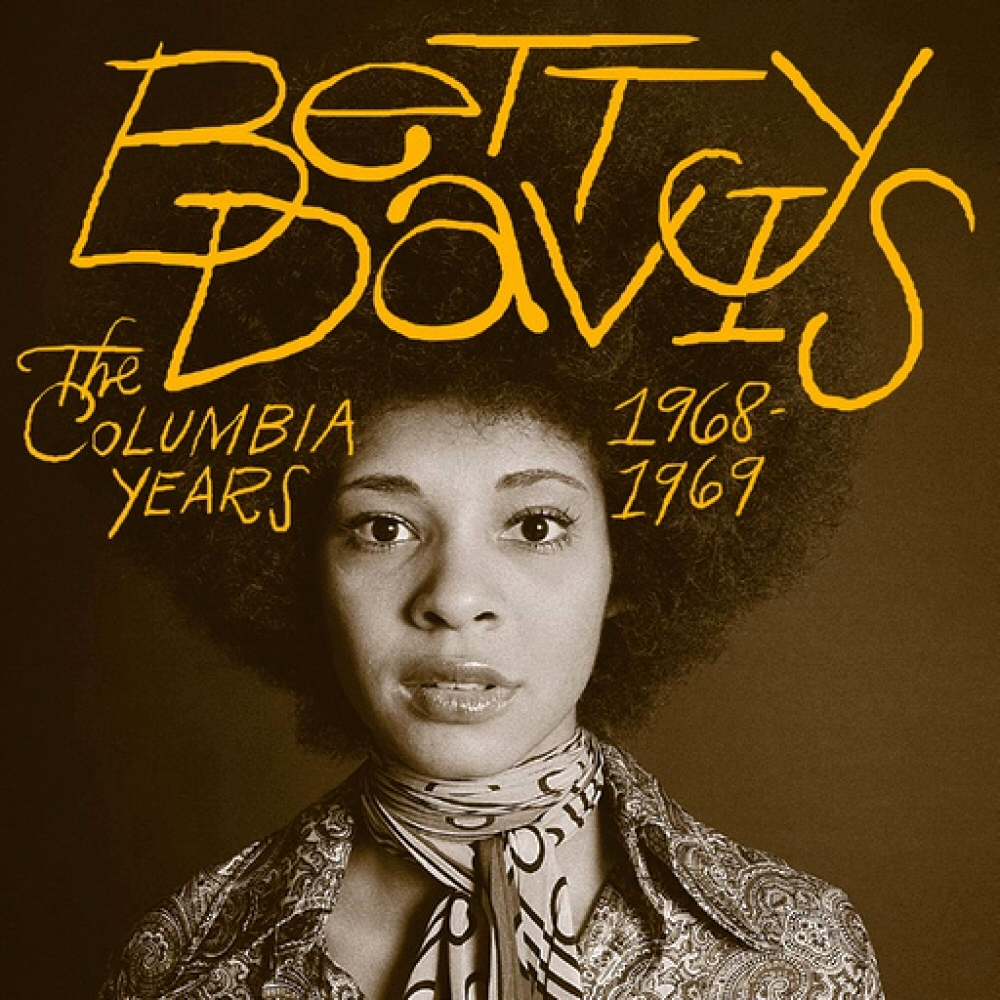
 Before getting hitched she was Betty Mabry; Miles nuts know it’s her picture on the cover of ’68’s Filles de Kilimanjaro and that the album’s closing track “Mademoiselle Mabry” is named after her. However, it’s important to note that she wasn’t discovered by Davis, having cut a pop single for Frank Sinatra arranger Don Costa’s DCP International label in ’64 as her song “Uptown” was covered by The Chambers Brothers on Time Has Come Today in ’67.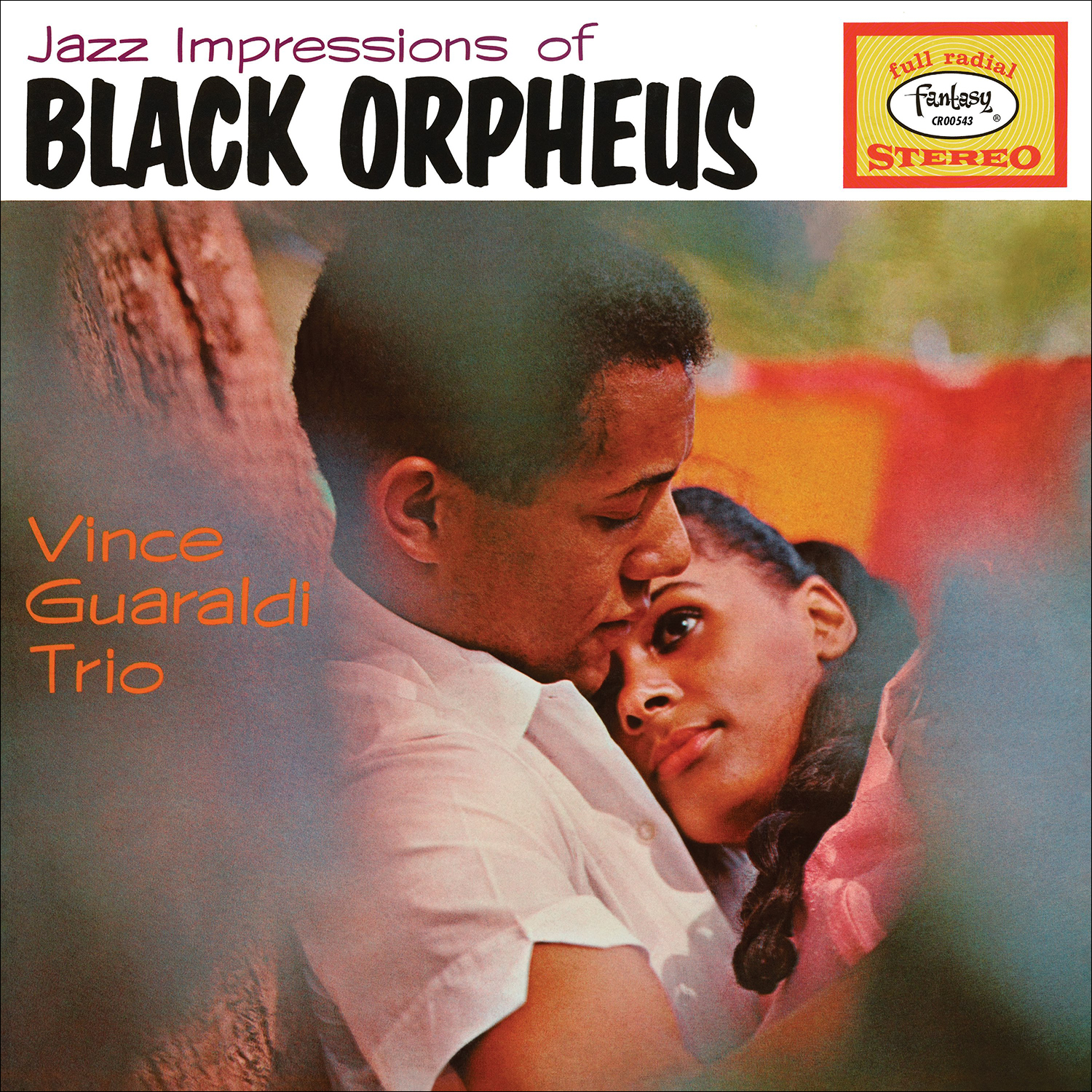
 Vince Guaraldi was a solid West Coast guy, having played in bands of Woody Herman (the Third Herd) and Cal Tjader. As vibraphonist Tjader (early on, primarily a drummer-percussionist) was a good fit with pianist Dave Brubeck, the same was true for Guaraldi as a participant in Tjader’s bands, though don’t go thinking that Guaraldi was a specialist in odd time signatures (in fact, neither was Brubeck pre-Time Out). Instead, Guaraldi’s forte (and an eventual nickname) is reflected in the title of an early composition: “Calling Dr. Funk.”
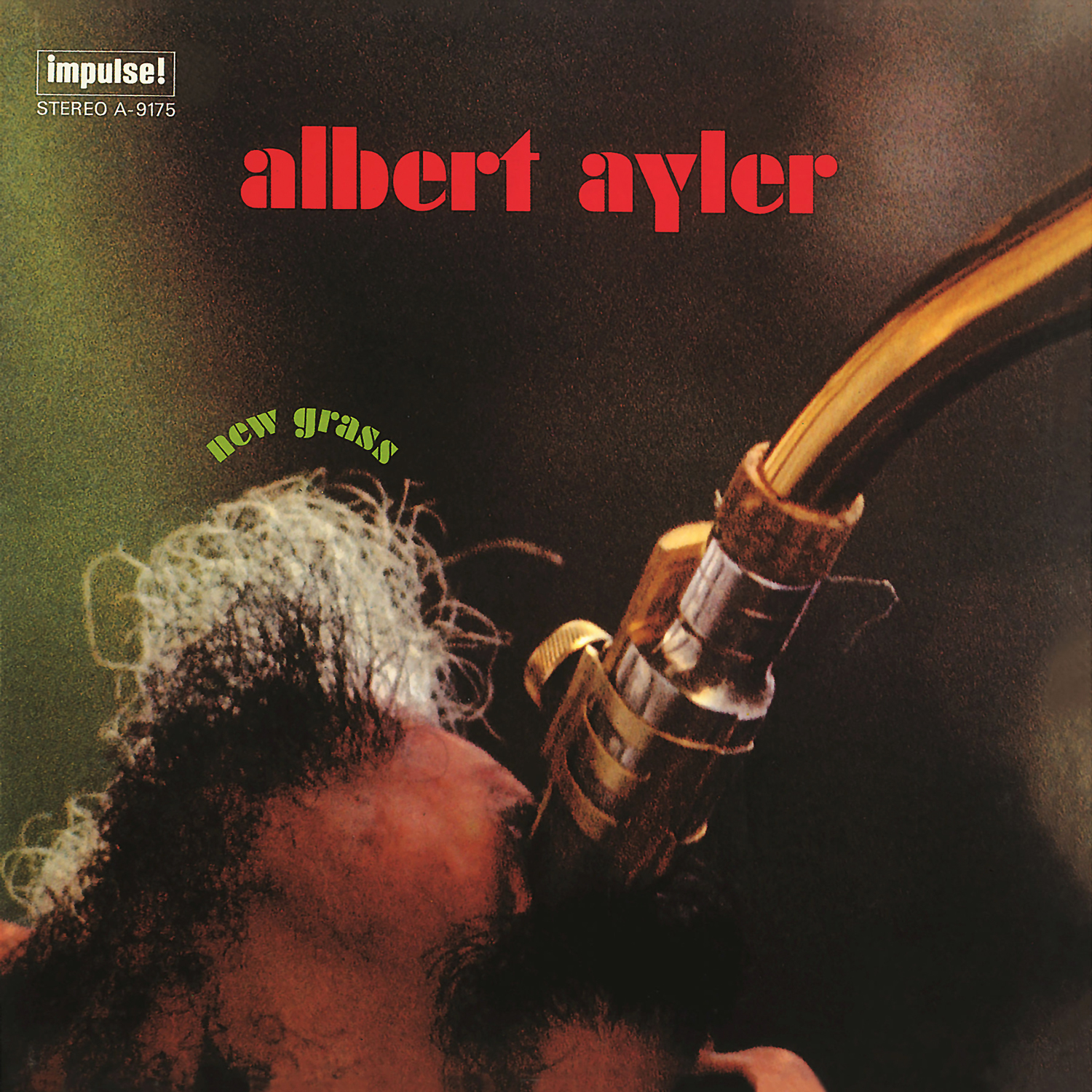
 I’ve been contributing to this column for over eight years, but until this piece, I haven’t delivered a full review of a record by Albert Ayler, who’s one of my favorite jazzmen, though I have included him in this site’s New In Stores column and in at least one group review. As this omission is remedied, I feel it should be immediately qualified that the term jazzman isn’t necessarily a tidy fit for Ayler’s brilliance.