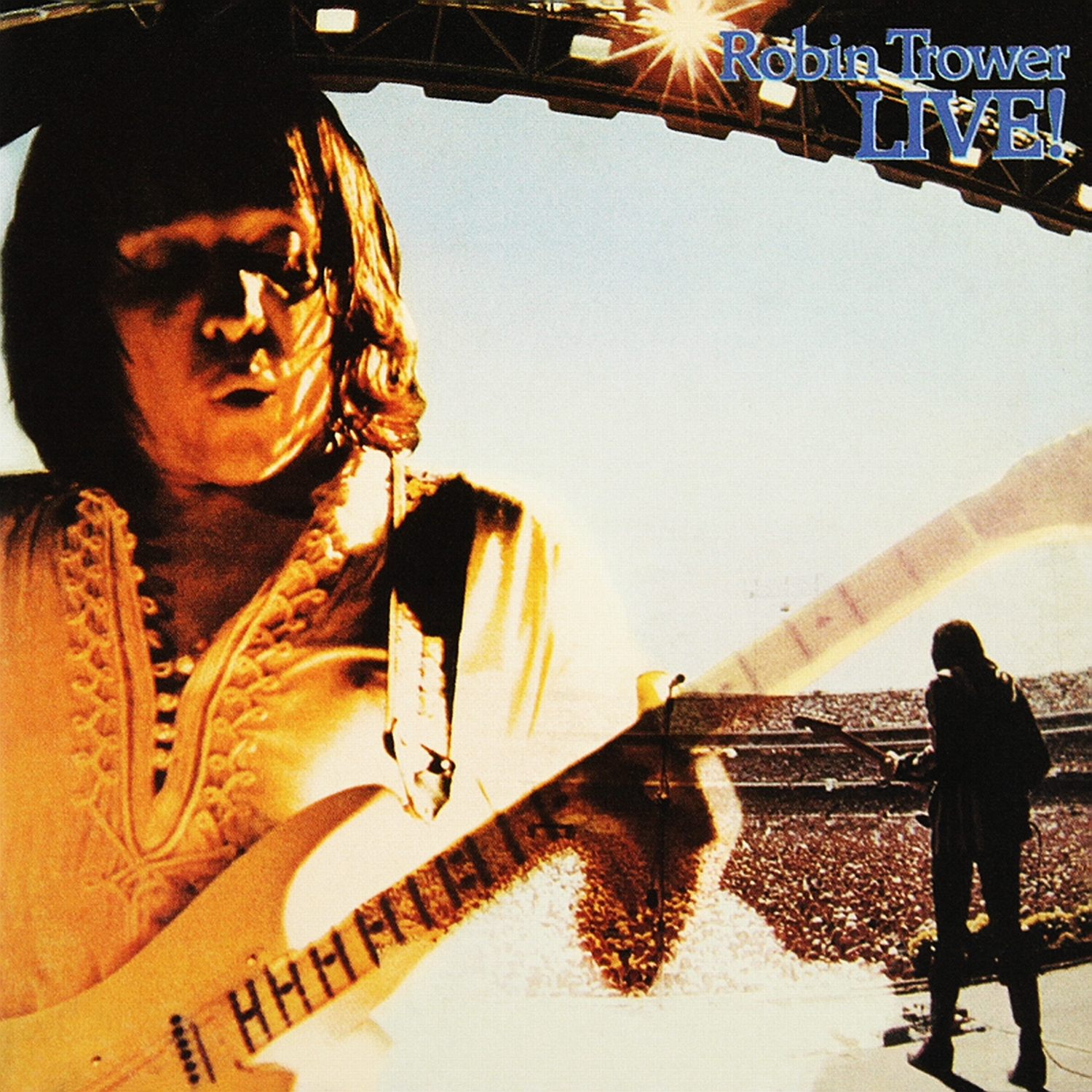
The name Robin Trower may not resonate with today’s young pop streamers, but throughout roughly the mid-1960s through the late 1970s, he went from one successful musical life to another.
From before the group’s debut album in 1967 and through their fifth album in 1971, Trower was the guitarist with Procol Harum. Along with the group’s 1973 album Grand Hotel (which Trower was not part of), the five albums he was on with Procol Harum constituted their peak as one of the most inventive pop/prog groups from England in that period.
If that wasn’t enough, after leaving the group, Trower embarked on a highly successful solo career, in a trio format, beginning with Twice Removed from Yesterday in 1973. His next album, Bridge of Sighs, was an FM staple, has achieved classic rock immortality, and was the first of four best-selling albums, with his next three albums also charting. Chrysalis released all of these albums.
Trower left behind the near-classical, pop/art-prog of Procol Harum and formed a blues-rock power trio, clearly rooted in both the heavier and dreamier sides of Jimi Hendrix’s music. In many respects, even though he was British, his music became a natural bridge between the music of Jimi Hendrix and Stevie Ray Vaughn.
Beginning with the reissue of Twice Removed from Yesterday, issued in a 2-LP or 2-CD edition, Bridge of Sighs and For Earth Below have also been released in remastered, bespoke 2-LP vinyl editions and in an expansive CD/Blu-ray set and a 4-CD box set, respectively, that should not be missed. The latest 50th-anniversary reissue is Robert Trower Live!, originally released in 1976 after For Earth Below.

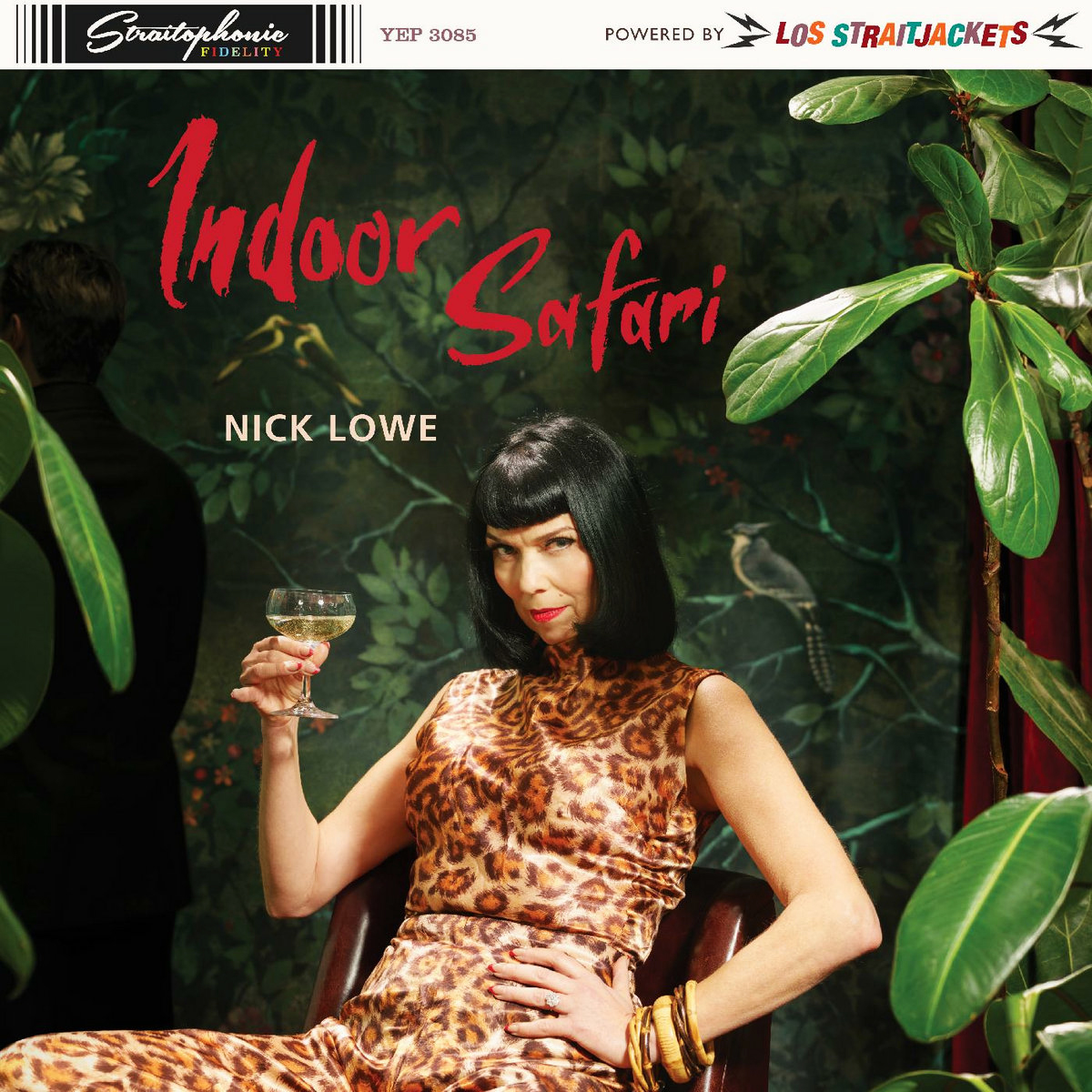
 Lowe was a roots rocker at heart who occasionally dipped his toe into psychedelia, but was most at home with pure pop, even naming the American version of his solo debut album Pure Pop For Now People, released in 1978. Lowe was also and still is an accomplished record producer, most notably for Elvis Costello and The Pretenders. He was part of the group Rockpile (with Dave Edmunds, Billy Bremner, and Terry Williams) while simultaneously producing and releasing solo albums. Later, he would be in another supergroup, Little Village (with John Hiatt, Ry Cooder, and Jim Keltner). He is also a prolific songwriter.


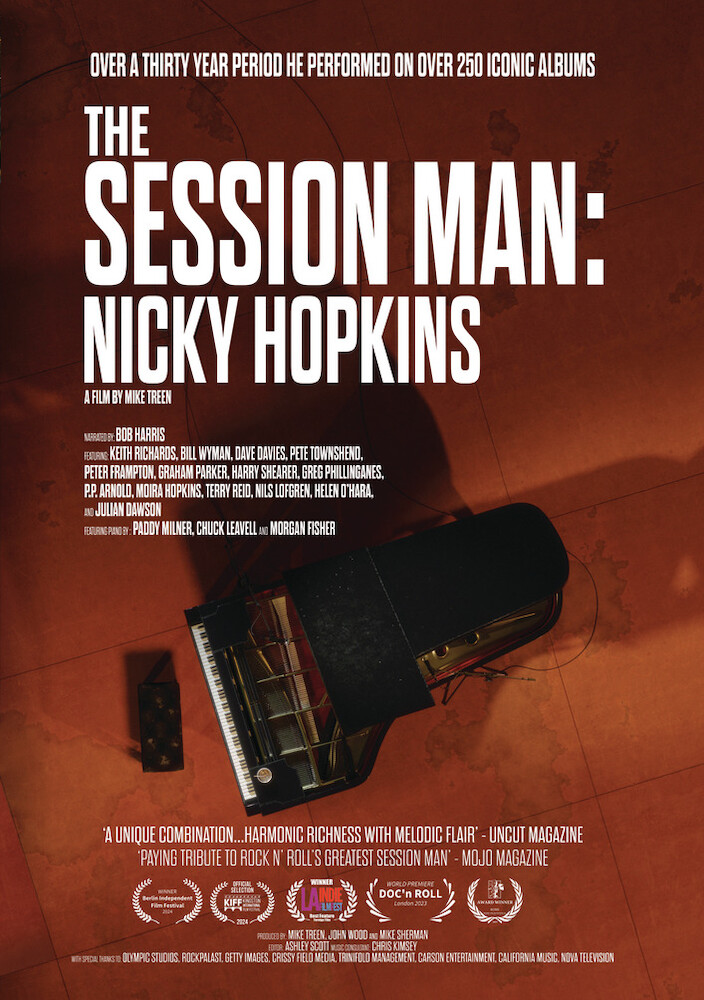
 For anyone who has followed the birth and evolution in particular of British rock, from the singles-based British Invasion or album-based ’70s, one name stands out for those who read liner notes: British pianist Nicky Hopkins. In 2011 the book And on Piano …Nicky Hopkins: The Extraordinary Life of Rock’s Greatest Session Man by Julian Dawson was published. The book came many years after Hopkins passed away in 1994 at the age of 50. That book did a lot to recognize what an important musical artist he was and solidified his place in rock music history.

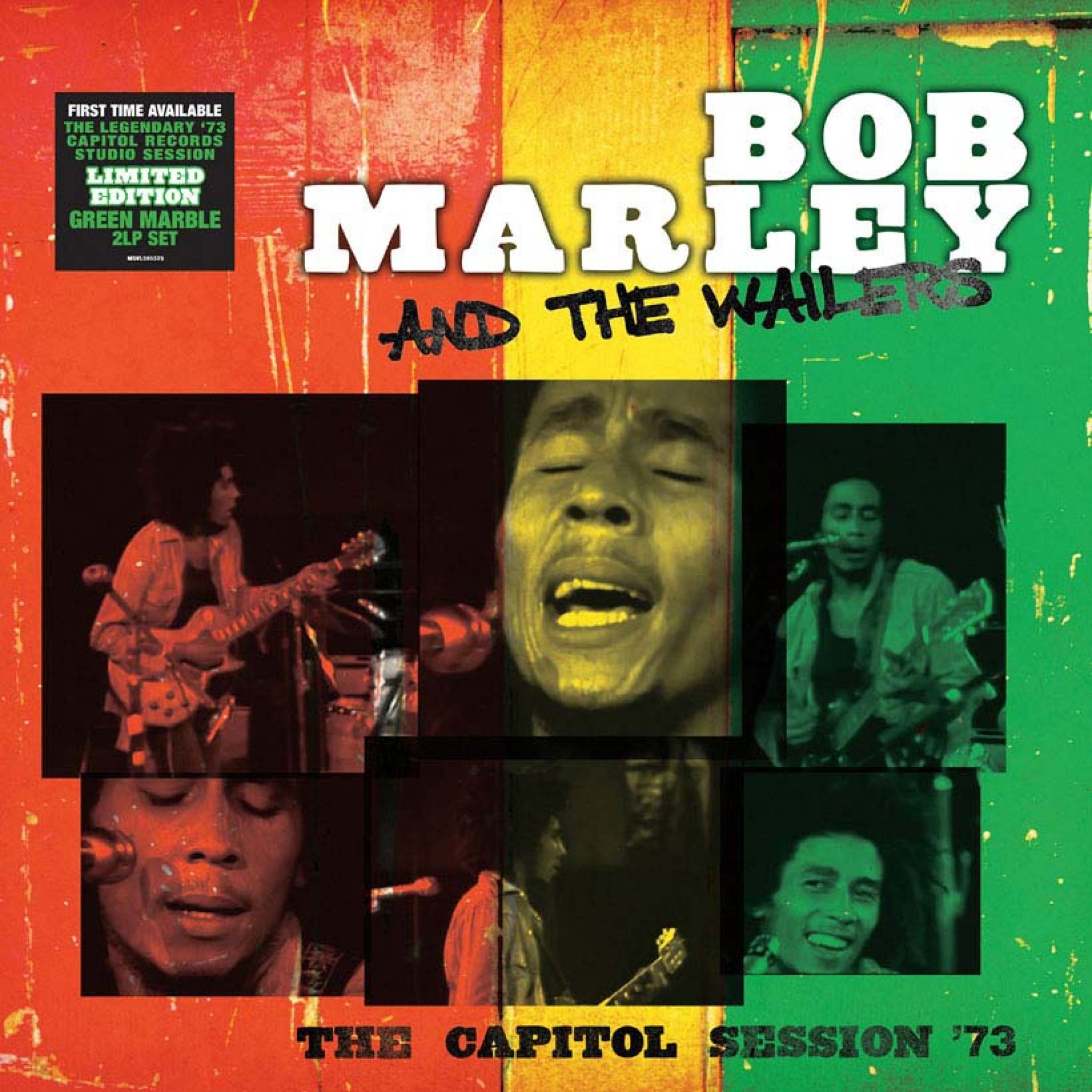
 The Capitol Session ‘73 should rectify that. A live session, for the cameras from October 24th, 1973, just a week after the release of their latest album, Burnin’, produced by Denny Cordell, received a video and audio release from Mercury Studios, co-executive-produced by Cordell’s son Barney.