Author Archives: Michael H. Little

Graded on a Curve: Church of the Cosmic Skull, Science Fiction

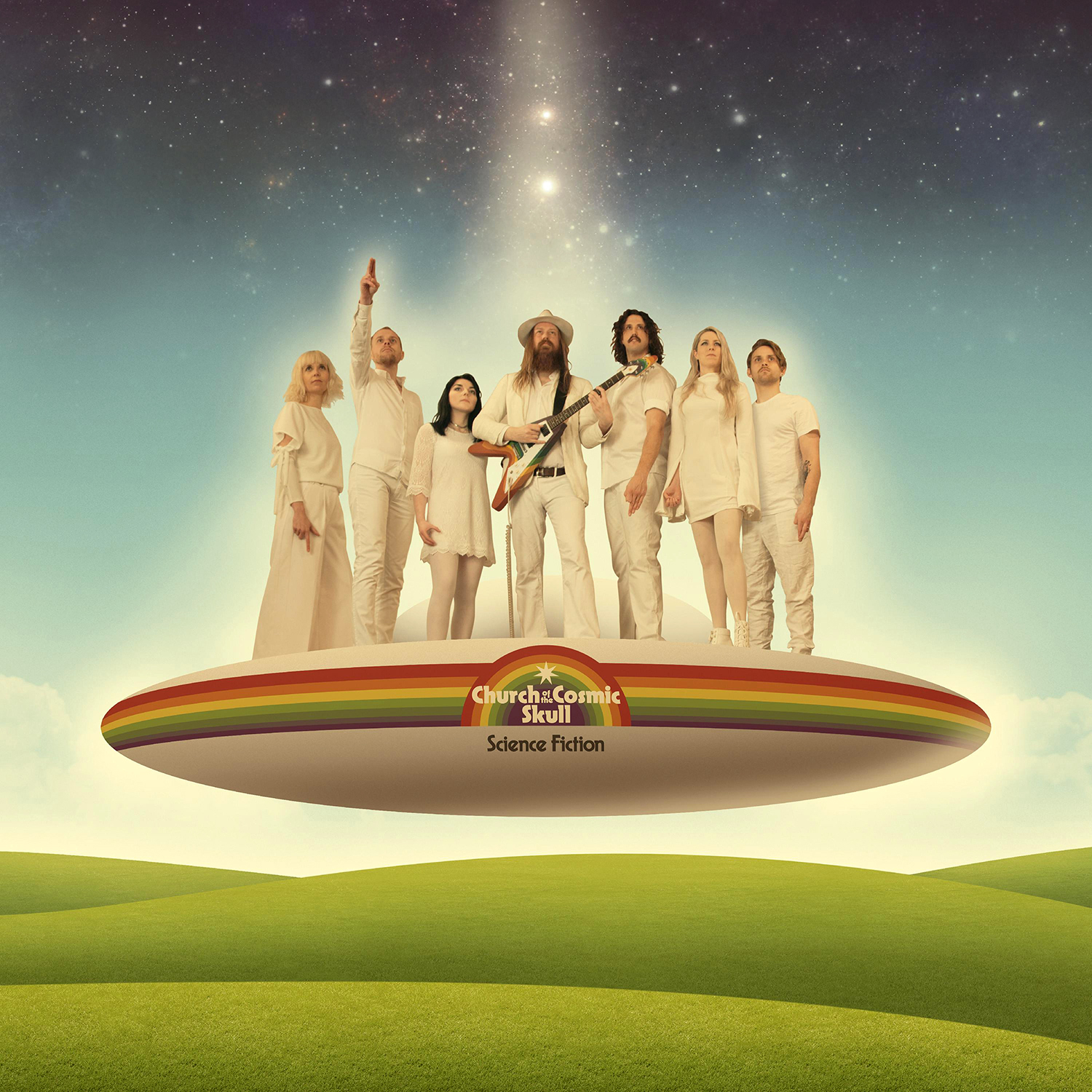
Bill Fisher, founder of Nottingham, England’s Church of the Cosmic Skull, has called the band a “twofold entity: a new religious movement … and a 7-piece supergroup.” What do you make of that? I’ll tell you what I make of it, having listened to said twofold entity–Church of the Cosmic Skull are by turns majestic and hilarious, bring back the glory days of seventies’ American progressive pop, and in general are the most transcendentally joyous thing to come along since “Dust in the Wind.”

Church of the Cosmic Skull are campy, write great pop songs with great pop hooks, dress in white robes like angels, and sing like angels too. They sound like a cross of Styx, Kansas, Queen, Electric Light Orchestra, and Abba. They make uproarious videos and pose on spaceships and live in the past and the future at the same time, which is what great progressive pop has always been about.

They also know how to rock out with blazing guitar solos, cool Hammond organ riffs, stacked and glorious mock-baroque tongue-in-cheek neo-gospel vocal harmonies, and lots of driving instrumental passages that occasionally cross the line into arena rock and heavy metal. And have I mentioned they write great songs? Just like the songs that kept me alive in the seventies.

Fisher has lots of things to say about music. “The song must come first. I am not interested in meaningless displays of technical ability.” Which is the essence of progressive pop. He also has lots of things to say, and I think he’s being serious, about his group’s spiritual mission. “We are a rock band and a spiritual organisation,” he told an interviewer, “who welcome all living beings with open arms.”


Read More »

Posted in The TVD Storefront | Leave a comment

Graded on a Curve:
Mott the Hoople,
Mott the Hoople

Remembering Mick Ralphs.Ed.

The ballad of Mott the Hoople—the English glam band that gave us one of the most ecstatic moments in rock history with Ian Hunter’s “I’ve wanted to do this for years!” in “All the Young Dudes”—begins not in 1969, when the band was formed, but 3 years earlier, when one Willard Manus wrote a novel called Mott the Hoople, which rock visionary and total madman Guy “There Are Only Two Phil Spectors in the World and I Am One of Them” Stevens happened to pick up and read while in gaol for drug offenses.

We will never know what Stevens, a kind of manager, producer, and talent scout famed for his prodigious intake of mind-altering substances and eccentric behavior—his favorite method of inspiring a band in the studio was to destroy every piece of equipment in sight, or in the case of The Clash, pour beer on the piano—thought of Manus’ novel. But we do know Stevens loved its title, so much so that he saved it as a name for a truly special band. That band turned out to be Silence, which had been fecklessly wandering to and fro across the earth in search of a record contract. That is until Stevens, who worked for Island Records, saw something in them that no one else did.
That said, Stevens knew they needed molding, and he wasted no time doing it. The first thing he did after changing their name to Mott the Hoople—which nobody in Silence particularly liked—was dismiss vocalist Stan Tippins, and put out an advertisement for a new singer. The ad was answered by one Ian Hunter, a wild-haired punter who couldn’t decide whether he wanted to be Bob Dylan or Sonny Bono (seriously). He auditioned by performing Bob Dylan’s “Like a Rolling Stone,” which made him just the person Stevens was looking for, because it was the crazed producer’s goal to create a band that fused the sounds of Dylan and the Rolling Stones.

Read More »

Posted in The TVD Storefront | Leave a comment

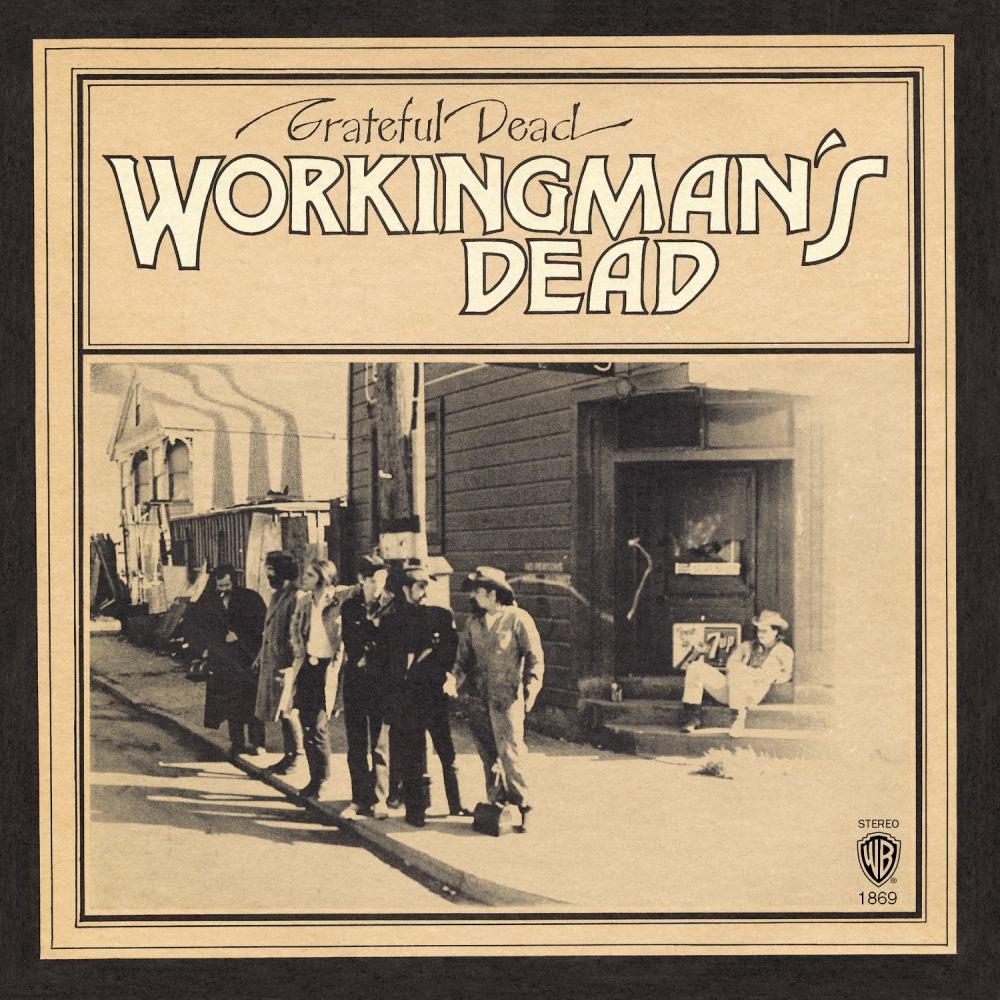
Graded on a Curve: Grateful Dead, Workingman’s Dead

Remembering Robert Hunter, born on this date in 1941.Ed.

The Grateful Dead: God invented ‘em at the same time he invented the sloth. They were renowned for their shambolic jams, lethargic grooves, and endless noodling—when I saw them I saw ‘em with Bob Dylan in 1987, they played a version of “Joey” that lasted longer than The War of Jenkin’s Ear. One critic wrote of the show I attended, “Pity anyone who actually sat through [it]… with a clear head.” Well, my head was about as clear as stained glass, and it didn’t much matter. There simply aren’t enough narcotics in the world to make “Drums and Space” anything but torture. I’d have asked for my money back if I hadn’t seen, with my own eyes, an acid casualty try to snort a Birkenstock.

Truth is, I saw the Grateful Dead decades too late. Because it’s a cold hard fact that the Dead were a spent force in the studio by the mid-70s, and definitely dead in the water by the time they released those twin abominations, 1977’s Terrapin Station and 1978’s Shakedown Street. Even their famed live shows went downhill—Donna Godchaux, anyone?—as they cycled through keyboardists the way Spın̈al Tap went through drummers and Jerry Garcia gradually dedicated more and more time to his various pharmaceutical side projects.

Still, theirs is a fascinating history. The Grateful Dead began their career playing Ken Kesey’s Acid Tests, and through their connection with Merry Prankster Neil Cassady bridged the Beat Movement of the Fifties and the Hippie Culture of the Sixties. The early Dead played a psychedelic soup of the blues and acid-trip-length explorations of inner space, but by the late sixties had tightened things up to become a stellar, if notoriously erratic and self-indulgent, live act. I love large chunks of 1969’s live Grateful Dead (which the band wanted to call Skull Fuck) and Europe ’72, but my favorite Grateful Dead albums were both released in 1970—namely, those two studio masterpieces, Workingman’s Dead and American Beauty.

Read More »

Posted in The TVD Storefront | Leave a comment

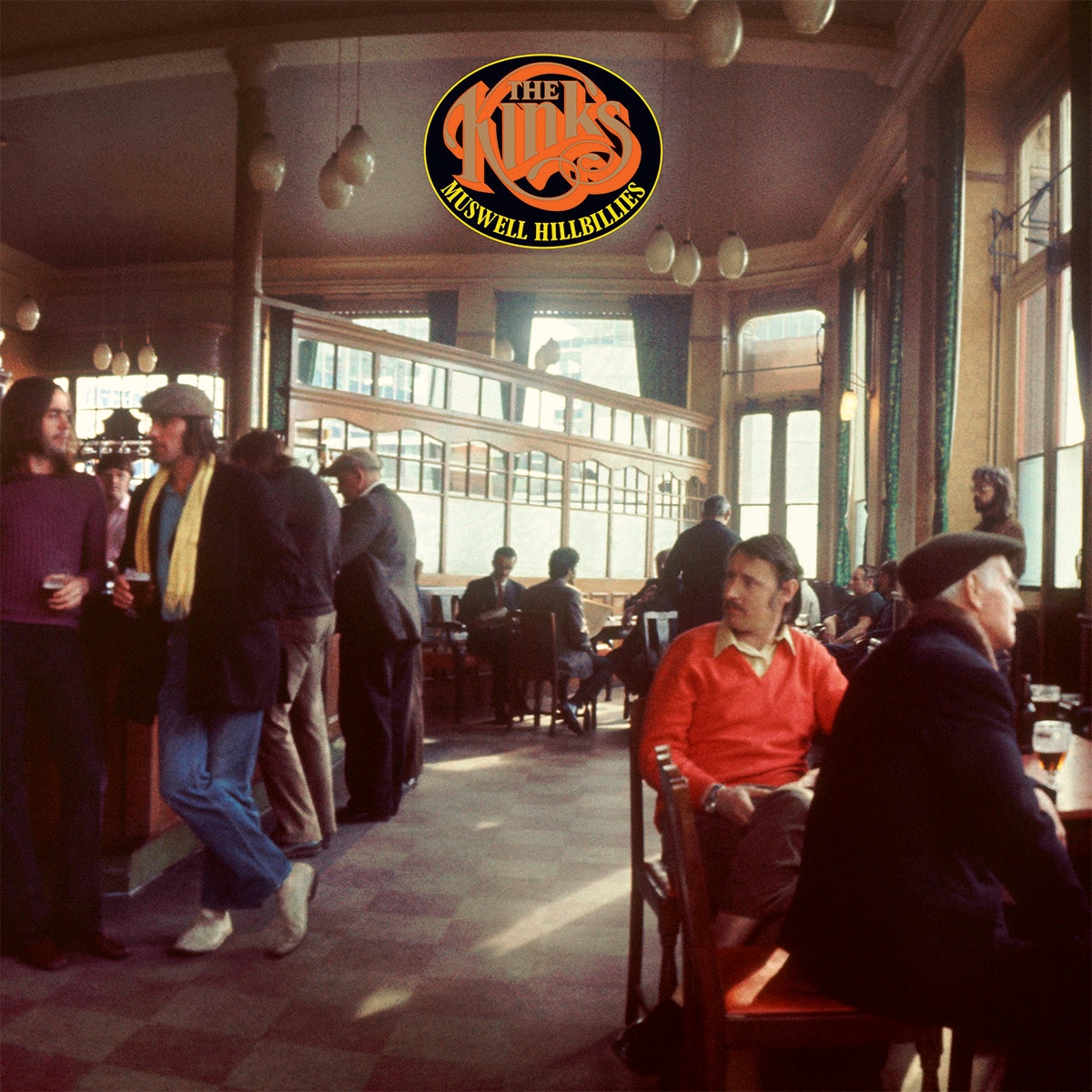
Graded on a Curve:
The Kinks,
Muswell Hillbillies

Celebrating Ray Davies in advance of his 81st birthday tomorrow.
Ed.

Ah, the Kinks. Of all the great bands to come out of England in the 1960s, they were by far the most English. Their music hall inclinations and deadpan irony simply didn’t translate, and until they reconstituted themselves as a hard-rocking touring band in the 1970s their only claims to fame here in the U.S.A. were “You Really Got Me” and “Lola.” Ray Davies was simply too smart, and had his tongue too far in his cheek, to win over U.S. fans, although I do remember—because it was, I think, the first 45 rpm record I ever heard—my older brother’s copy of “Apeman.” Nor did it help that the band was refused permits by the American Federation of Musicians to tour the U.S. for 4 years, ostensibly due to over-the-top on-stage band mate on band mate violence.

Of course, the Kinks always had their Kultists, people who lovingly cuddled their copies of 1968’s The Village Green Preservation Society the way you might your dog Blighter. As for the rest of us, we listened to our Beatles and our Stones and The Who, and the rest of England be damned. This was especially true if you were raised, the way I was, in a rural outpost of provincialism, where the Klan once marched through town and “I Wanna Hold Your Hand” was considered the pinnacle of pop sophistication.

I guess what I’m trying to say here is that I was a real latecomer to Ray Davies and Company, but have come to love their music, including Muswell Hillbillies. It’s one of the bleakest and funniest albums I know, and it deals with a subject that I hold near and dear to my heart—namely, the failure of everything. Tormented character follows tormented character on this LP, and I can’t get enough of it. Davies sings about paranoia, rampant alcoholism, and the myriad other complications of life, all from a working class perspective. Only Randy Newman could compete with Davies in the hilarious downer department, and while I prefer Newman, Davies more than holds his own.

Read More »

Posted in The TVD Storefront | Leave a comment

Graded on a Curve: Gentle Giant,
Acquiring The Taste

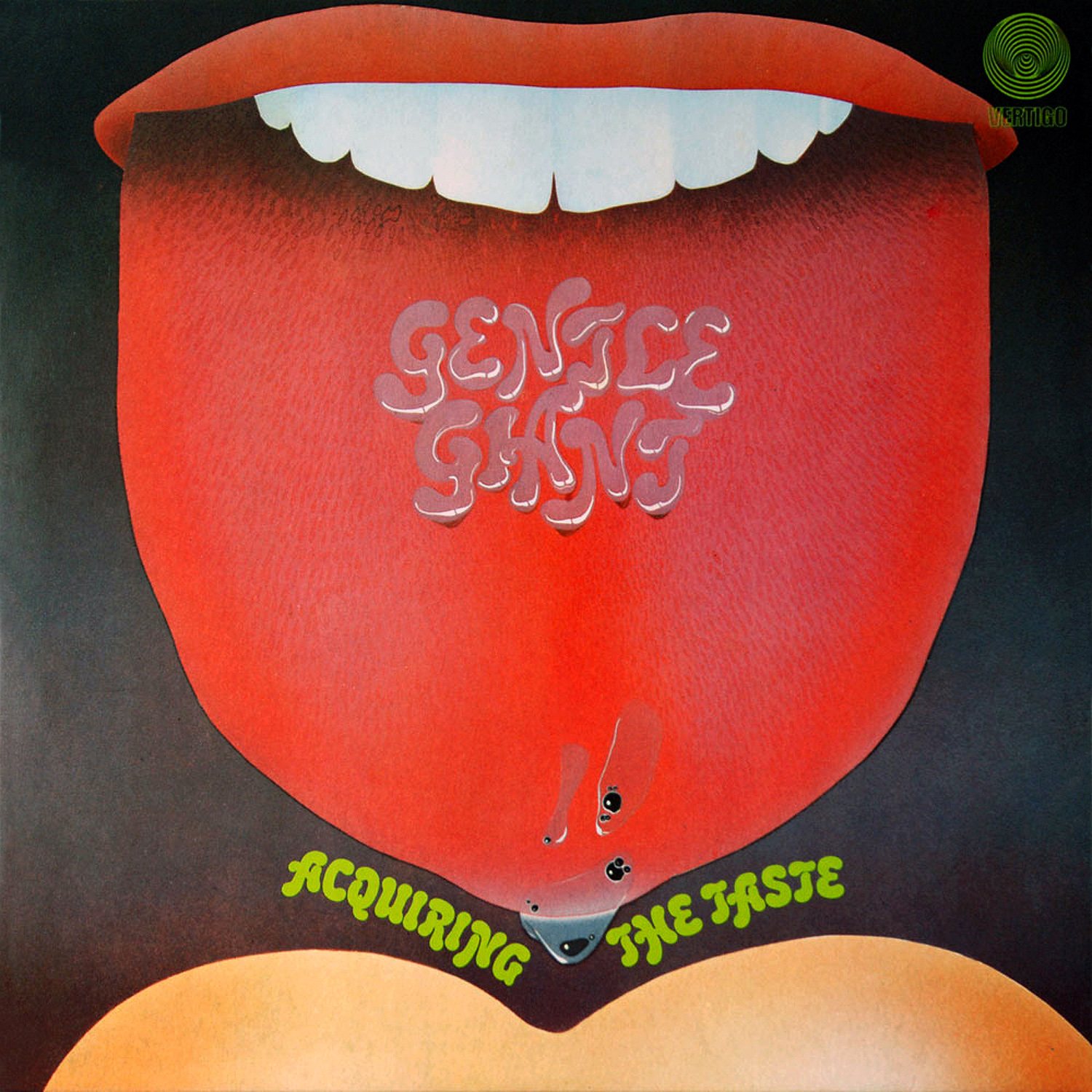
In the sleeve text of their 1971 sophomore album Acquiring the Taste, Gentle Giant made the brave claim, “It is our goal to expand the frontiers of contemporary popular music at the risk of being very unpopular.” And they succeeded beyond their wildest progressive rock dreams; during a tour opening for Black Sabbath a year or so later, they were booed off the stage—every night!

Then again, that “acquiring the taste” means exactly what it says—your average Black Sabbath fan wasn’t likely to enjoy their first taste of what Gentle Giant had to serve up, because (as they say themselves) you have to really listen to this music over and over to fall in love with it. That said, some never find Gentle Giant’s fare to their taste, and deem it unpalatable no matter how many times they attempt to swallow it. People with good taste, for example.

And speaking of good taste, or I should say its opposite, there’s that album cover, which features a tongue licking what appears to be someone’s, er, anus. Analingus is indeed an acquired taste, even if the cover’s a trick—open the gatefold, and the buttocks turn out to be a peach.

Acquiring the Taste is said to be a departure from the blues and soul on their 1970 eponymous debut. The only problem is that only a madman would characterize the pastoralisms of their debut as blues and soul. Acquiring the Taste isn’t so much a departure as a furthering, and to many, they venture too far from what they call later in their “mission statement” of sorts, “blatant commercialism.” What’s wrong with blatant commercialism? It gave us “Hang on Sloopy.” It gave us The Monkees. It’s given us just about every great rock song ever!

Read More »

Posted in The TVD Storefront | Leave a comment

Graded on a Curve:
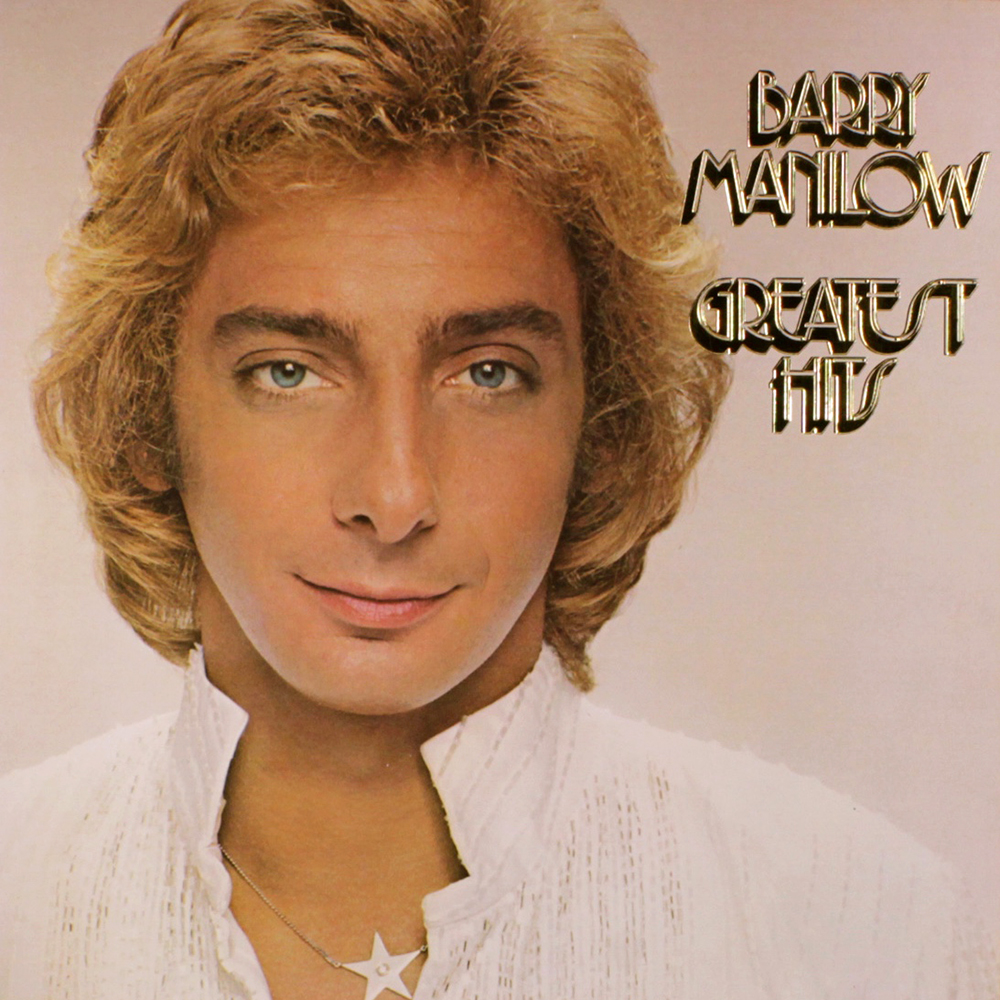
Barry Manilow,
Greatest Hits

Celebrating Barry Manilow in advance of his 82nd birthday tomorrow.Ed.

Back in the mid- to late seventies, when America was flying high thanks to the exalted stewardship of such Churchillian figures as Gerald Ford and Jimmy Carter, one all-around entertainer bestrode the Pop World like a colossus. Men wanted him. Women wanted to be him. He floated like a god in a bubble of fame so high above the rest of us it would have taken Ted Nugent with a surface-to-air missile to bring him down to earth, and he was known to one and all as: Barry!

Seriously, friends and neighbors, who better personified the soft-rock seventies–that epoch of saccharine supremacy–than Barry Alan Pincus, aka Barry Manilow? He was stardust, he was golden. To listen to his songs was to drink from life’s enchanted cup. To see him live was the musical equivalent of pissing on an electric fence. His voice was glorious treacle. It was said that the mere sight of his perfect feathered hair could cure cancer. His sleepy bedroom eyes were known to enchant your larger farm animals, giving them the ability to speak in the voices of men–a skill he liked to show off in his live performances.
Barry WROTE the songs that defined an epoch. Okay, so he wrote hardly none of them, including “I Write the Songs,” which was penned by the Beach Boys’ Bruce Johnston. But so what? Jesus’s best material was penned by other people, including Brewer & Shipley, ZZ Top, The Byrds and Ministry, and He never catches any shit for it. Fact is Barry MADE those songs his own by sheer force of his iron will; he was the divine conduit through which flowed such immortal tunes as “Mandy,” “Can’t Smile Without You,” and “Copacabana (At the Copa).”

Manilow began his career as a folk singer, entertaining beatniks in such flea-ridden New York City coffeehouses as Gerde’s Folk City, the Cafe Wha? and the Greenwich Village Starbucks at the corner of Waverly Street and 5th Avenue. Said fellow folk musician Arnie Van Gleb, “They didn’t actually allow music in Starbucks, so he would sneak into the bathroom and play there. At least until they broke down the door and threw him out.”

Read More »

Posted in The TVD Storefront | Leave a comment

Graded on a Curve: Viagra Boys,
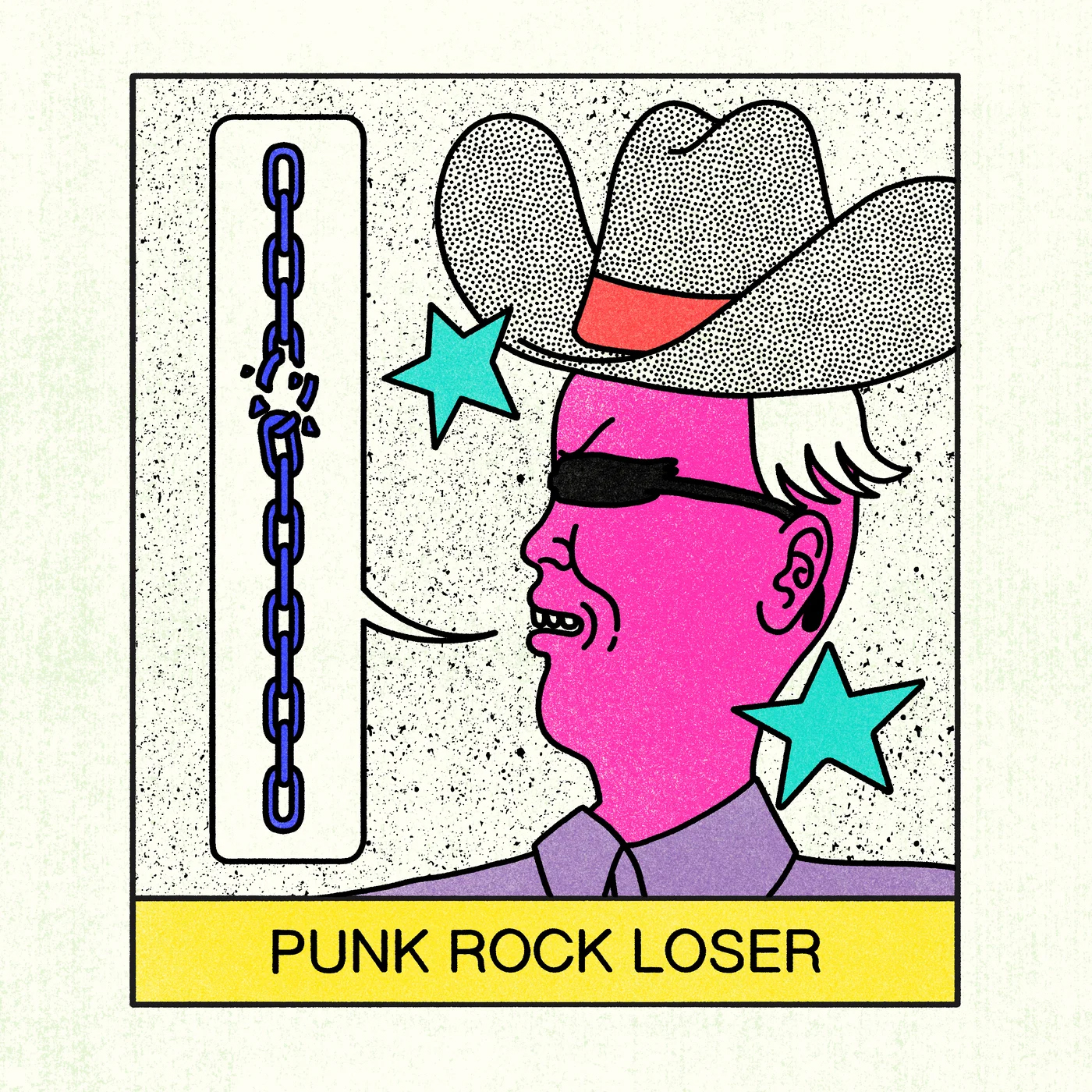
“Punk Rock Loser”

Once you’ve grown blasé, as I have, about the Swedes having given us dynamite, Abba, and Swedish meatballs (which they inexplicably just call meatballs), you’re bound to ask, as I have, “What else you blond and perfect people got?”

The answer is Viagra Boys, who since 2018’s Street Worms have been making some of the darkest, funniest, and most musically explosive music to come along since, well, Abba accidentally blew themselves up with dynamite while tinkering with a radical new meatball recipe back in the 1980s.

Ever since I first saw the videos for “Research Chemicals” and “Sports” I knew Viagra Boys were something special—a band to whom you can attach as many labels as you want (punk rock, post-punk, art punk, dance punk, new rave, cave rave, and I could go on) and still miss the essence of what they’re doing, which is mating black humor to music that is endlessly adventurous and makes abundant use of (amongst your more traditional instruments) a skronking saxophone. They sound like nobody else, and certainly no one else is as prone to sheer lyrical weirdness as vocalist Sebastian Murphy, who, to add to the oddness quotient, just happens to be a native of San Rafael, California.

Viagra Boys have released four LPs in all, my favorite being the third, 2022’s Cave World, which is a sort of combination Devo-school study of de-evolution and mocking critique of your modern conspiracy theorists of the QAnon school. It’s a concept album, in other words, but the concept is loose enough to allow for such outliers as “Punk Rock Loser” and “Ain’t No Thief.” The concept gives Murphy the opportunity to go full QAnon nutjob on tracks like “Creepy Crawlers,” “The Cognitive Trade-Off Hypothesis,” and “Return to Monke,” but know what?

Read More »

Posted in The TVD Storefront | Leave a comment

Graded on a Curve:
Slade,
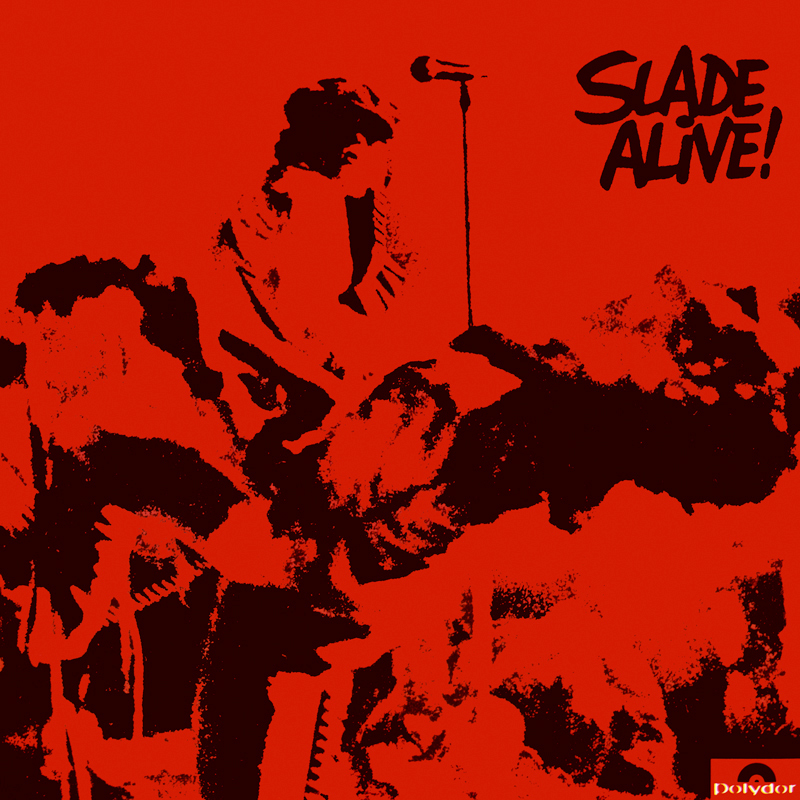
Slade Alive!

Celebrating Jim Lea in advance of his 75th birthday tomorrow.Ed.

You can forget all about Kiss Alive! because Slade’s Slade Alive! is the real thing–a gut-bucket blast of pure rock ‘n’ roll energy from the poorest spellers in the history of music. This 1972 studio live affair captures this band of Wolverhampton rowdies at their rawest, and the spirit of raucous fun is contagious.

This baby was released before Slade reached full maturity and here’s how you can tell–there isn’t a single spelling error on it. And here’s another way you can tell–four of its seven cuts are covers, and the other three you probably don’t know.
The foursome’s subsequent release, 1972’s Slayed?, cemented the band’s reputation as Top of the Pops hit makers, but on Slade Alive! they established their bona fides as a formidable live act–one that pitted musical brutalism against vocalist Noddy Holder’s formidable tonsils and crowd-rousing charisma.

Slade gets filed under “Glam,” but theirs was an awkward fit. They looked ridiculous in their glitter clobber–like a bunch of roofers playing dress up–and unlike most of their Glam contemporaries appealed directly to England’s working stiffs.

Their proto-Oi! placed pints above androgyny, and their audiences did the same. When Noddy Holder says, “All the drunken louts can shout anything they like” he’s talking to the entire crowd, and not just a couple of unruly yobs.

Read More »

Posted in The TVD Storefront | Leave a comment

Graded on a Curve:
Squeeze,
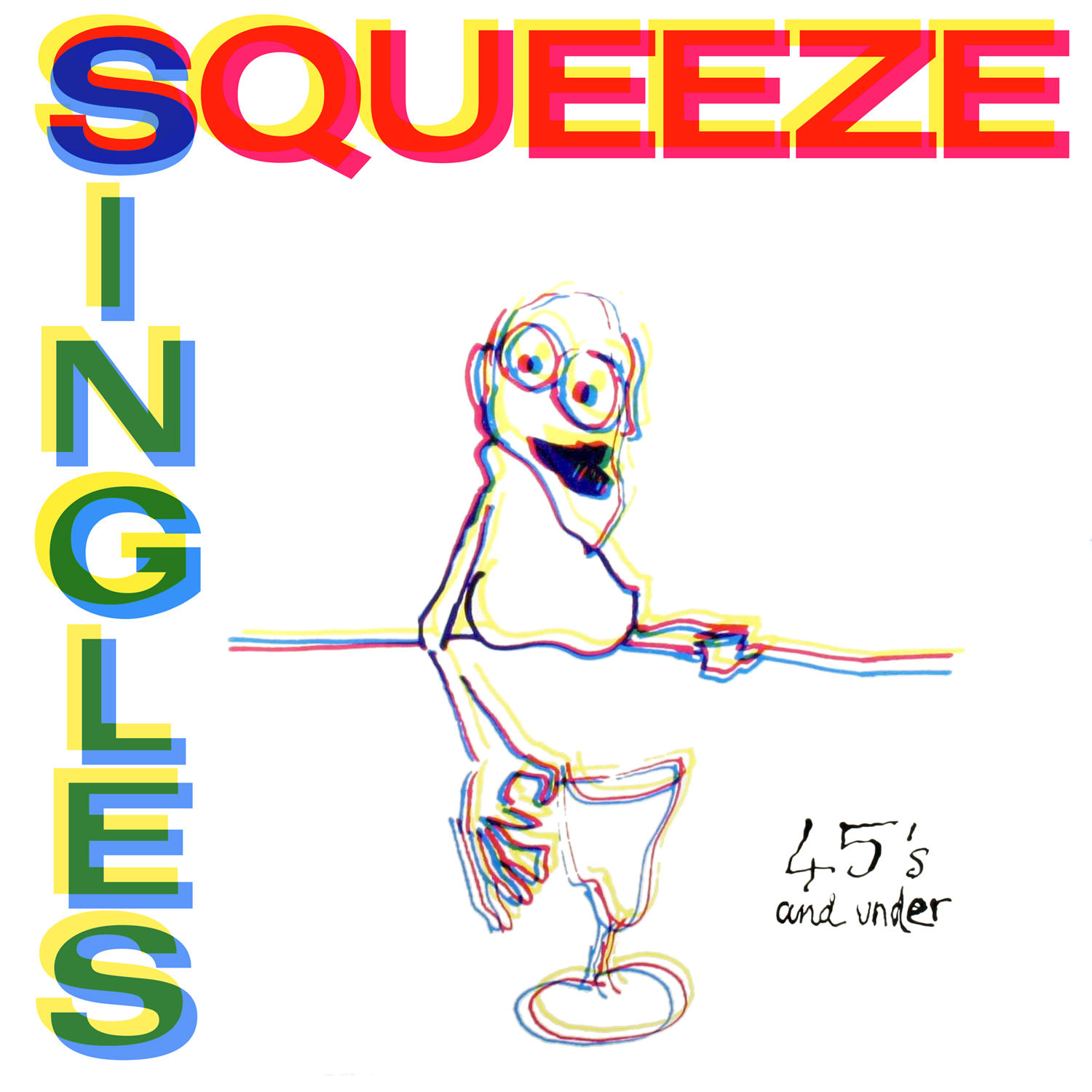
Singles – 45’s and Under

From England’s green and pleasant land, an unprepossessing and pleasant band—Squeeze aren’t out to change your life, just to provide you with friendly and understated pop gems, domestic and romantic tableaux of the sort that won me over even when I was at the height of my Anglophobia.

The Village Voice’s Robert Christgau more or less summed up my sentiments when he wrote of Squeeze’s 1982 compilation Singles – 45’s and Under, “They’re so principled in their unpretension, so obsessed with the telling detail, that their lesser moments are passively minuscule—not unfine when you squint at them, but all too easy to overlook.”

People are always talking about Chris Difford and Glenn Tilbrook as if they’re the McCartney and Lennon of the early eighties, but back me against a wall and the only Squeeze songs I can name are “Tempted,” “Pulling Mussels from the Shell,” and “Black Coffee in Bed.” And I considered myself a fan. Not a huge fan, but I saw them live on a pier in New York City once. Pity I was three sheets to the wind and almost fell off the pier.

But just because I don’t remember most of the songs on Singles – 45’s and Under doesn’t mean they’re not worth hearing. There’s a real warmth to Squeeze’s music, even if Difford and Tilbrook are rather cool customers. They’re Apollonian formalists, and pure popcraft is their strong suit. I’m talking immaculately put-together songs with smart words about heartbreak and occasionally irresistible melodies.

Read More »

Posted in The TVD Storefront | Leave a comment

Graded on a Curve:
Sly & The Family Stone, There’s a Riot Goin’ On

Remembering Sly Stone.Ed.

By 1970, Sly Stone was no longer his happy-go-lucky, upbeat-hits-producing self. Stone and his band had taken to ingesting large quantities of cocaine and PCP, a paranoia-inducing combo if ever there was one, and Sly’s own intake was such that he carried his stash in a violin case. The results were predictable. Sly went from multi-racial inspiration to Richard Nixon-level paranoiac, and hired shady characters, gangsters, and even a Mafioso as a Praetorian Guard to keep an eye on his “enemies,” some of whom happened to be members of The Family Stone. Recording came to a standstill, and Stone began his infamous habit of missing gigs.

When Stone finally dragged his bad self into the Record Plant in Sausalito to record the band’s fifth album, the results were completely unlike any previous Family Stone release. What is surprising, given Stone’s precipitous psychic decline, is that the result, 1971’s There’s a Riot Goin’ On, is perhaps the most brilliant LP he ever recorded.
Dark? No shit. Gone was The Family Stone’s trademark cheery psychedelic rock and soul, replaced by a raw funk—which would reverberate in the ears of George Clinton and innumerable future funkers like a revelatory crack of thunder—that was as every bit as murky and hopelessly disillusioned as it was bracing. “I Want to Take You Higher” had become “I Want to Bring You Down, Way Down.” There’s a Riot Goin’ On was a sign o’ the times—of riots in the inner cities, Altamont, The Manson Family, and the Death of the Age of Aquarius—just as his more playful earlier LPs had been signs of theirs. But Sly had done more than just tap into the gestalt; he had just recorded his Exile on Main Street.

Read More »

Posted in The TVD Storefront | Leave a comment

Graded on a Curve: Family,
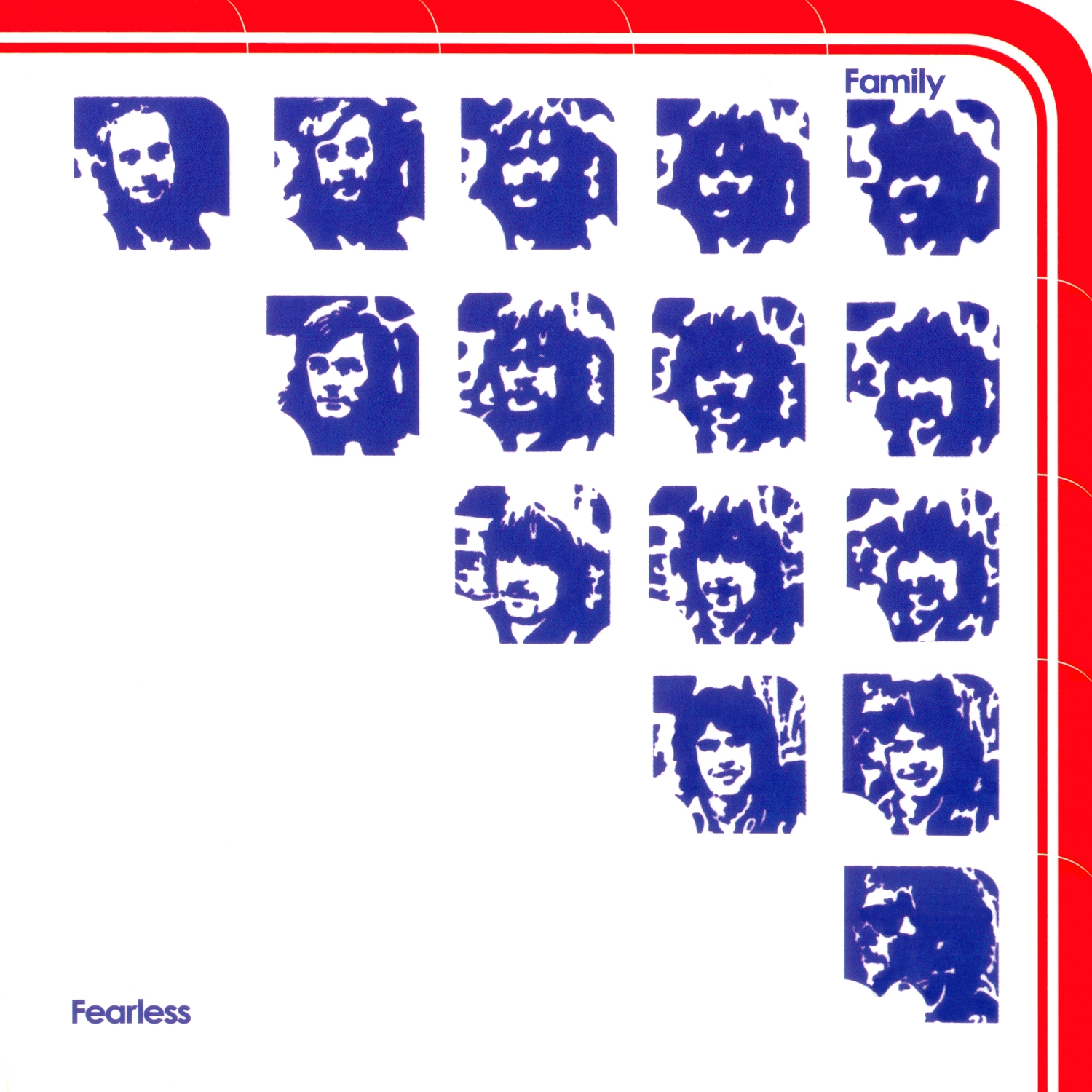
Fearless

I used to sleep well knowing that the English progressive rock band Family, like Savoy Brown and Steeleye Span, was one of those groups I could spend my entire life ignoring without having to worry I was missing something.

I was wrong. True, some of the songs on 1971’s Fearless—their fifth—are just what I expected: drab progressive rock with a folk edge. But they’re all over the place, and at their best, they’re surpassingly strange; the oddball odes “Sat’d’y Barfly” and “Blind” blow me away, and on several others, they more than hold their own. Family will never be a member of my family, but I’d be a poorer man for never hearing them.

Family are a conundrum—formed in 1966, they released their first album in 1968, and established a reputation as a formidable live act, one so formidable it’s been said “that the Jimi Hendrix Experience were afraid to follow them at festivals.” Maybe so, but I haven’t heard anything on their live albums that would make me think they gave Jimi a fright, and their studio albums are even less electrifying. True, lead vocalist Roger Chapman amazes with his totally idiosyncratic vocals—one writer described his voice as a “bleating vibrato” and another described him as an “electric goat,” and there’s no denying he’s an excitable boy. But a goat boy of a lead singer does not a great band make.

Family’s lineup underwent consistent changes over the course of their career, as did their sound from LP to LP, but come Fearless they featured Chapman on vocals; John “Charley” Whitney on guitar, mandolin, and percussion; John “Poli” Palmer on keyboards, backing vocals, vibes, flute, and percussion; John Wetton (who would ultimately move on to King Crimson) on bass, backing and lead vocals, guitars, contracts (?), and keyboards; and Rob Towsend on drums, Paiste cymbals, and percussion. Family were a crack outfit, but on Fearless they’re a crack outfit that occasionally bores me silly.

Read More »

Posted in The TVD Storefront | Leave a comment

Graded on a Curve:
Tom Jones,
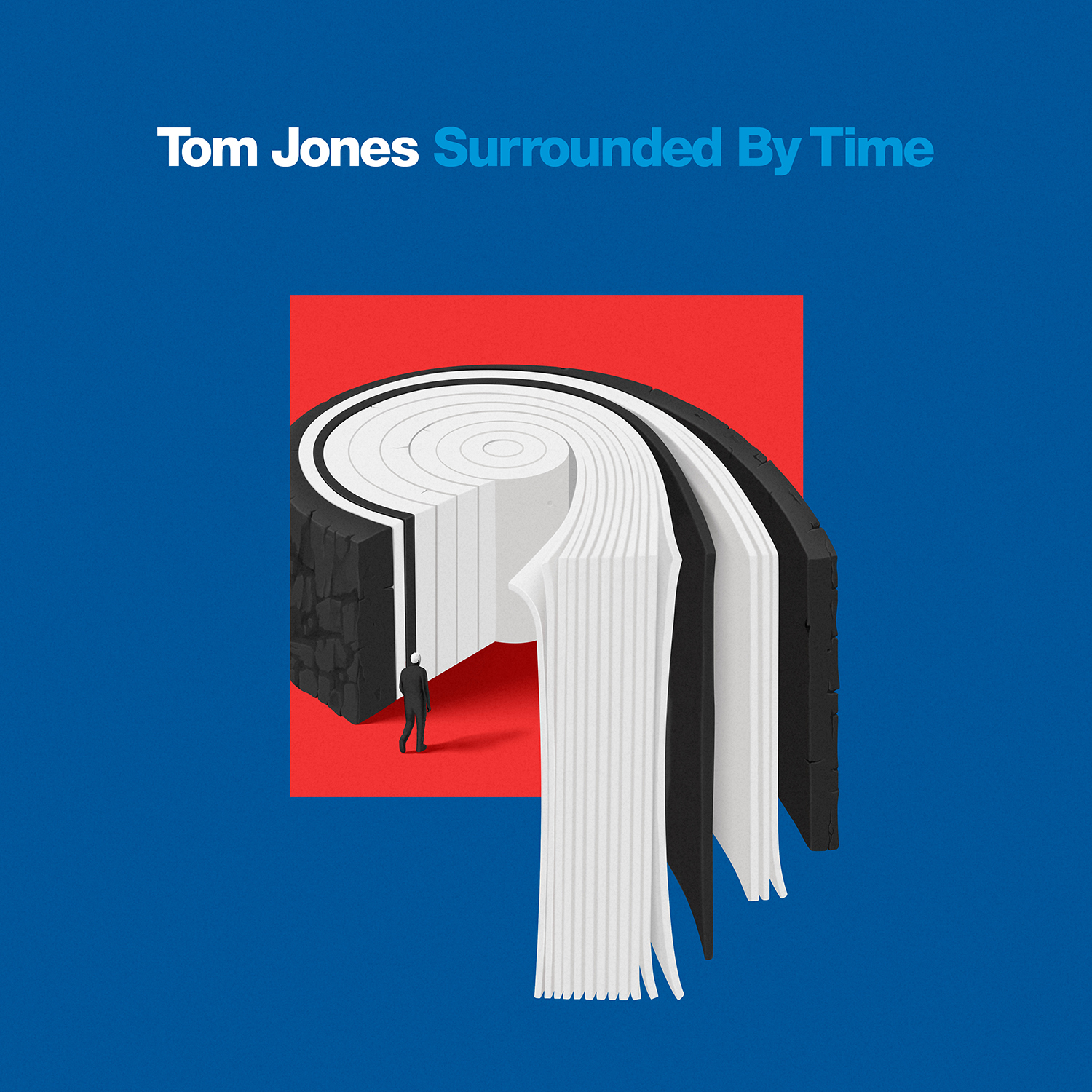
Surrounded by Time

Celebrating Tom Jones in advance of his 85th birthday tomorrow.
Ed.

What’s new pussycat? For starters, the legendary Tom Jones—that manly hunk of a man with the curly crop of black hair and awe-inspiring mutton chop sideburns—is back with a new LP, 2021’s Surrounded by Time. So what you ask? Well consider this—the world’s most beloved Las Vegas casino lounge act is 80-years-old and still has the mighty baritone pipes that propelled him to fame with “It’s Not Unusual” back in 1964.

What sets Jones apart from his contemporaries is his dedication to keeping up with the trends. Most have opted to play it safe, sticking to the sentimental favorites beloved by their aging fan bases. They may toss in an “edgy” number along the lines of “Maybe I’m Amazed” and “Bad Bad Leroy Brown,” but you’re far more likely to be subjected to such dentures-pleasing tear-jerkers like “The Little White Cloud That Cried” and “Daddy Don’t You Walk So Fast.”

Such isn’t the case with Jones, who has taken risks galore. Try to imagine Engelbert Humperdinck singing “Sex Bomb,” a collaboration between Jones and German DJ Mousse T—or “Burning Down the House.” Why Jones hasn’t gotten around to covering the Sex Pistols’ “God Save the Queen” is a mystery.

On Surrounded by Time Jones shakes things up even more than unusual, singing covers of artists from alt-country stalwart Todd Snider, The Waterboys, Tony Callier, Cat Stevens, and Bob Dylan. And I’m not talking about done-to-death Stevens/Dylan wheezers like “Morning Has Broken” or “Lay Lady Lay.” No, Jones dives deep and comes up with Stevens’ “Popstar” and Dylan’s “One More Cup of Coffee.”

Read More »

Posted in The TVD Storefront | Leave a comment

Graded on the Curve:
Adam Ant, Adam Ant Is the Blueblack Hussar in Marrying the Gunner’s Daughter

I love this album. I love that it’s a sprawling mess, I love it for its good songs and bad songs, and I love it for the demo-like quality of said songs, but I love 2013’s Adam Ant Is the Blueblack Hussar in Marrying the Gunner’s Daughter most because everybody’s Prince Charming couldn’t have made a weirder and more contrarian comeback album. Adam Ant is the Blueblack Hussar in Marrying the Gunner’s Daughter, is Ant’s Exile on Main Street, but unlike the Stones, Ant was a real exile, a forgotten man, a has-been.

Some eighteen years had passed since Ant (aka Stuart Leslie Goddard) released 1995’s Wonderful. During the long hiatus, Ant wrote his autobiography and dabbled. And struggled with mental illness. “The Blueblack Hussar is me coming back to life,” he told one interviewer. “I’m like The Terminator—I was a dead man walking.” Which doesn’t make a lick of sense, but you get what he’s saying. Ant was back amongst the living, and for all its very human flaws, Adam Ant Is the Blueblack Hussar in Marrying the Gunner’s Daughter is the proof. The album has more red blood coursing through its veins than just about any album I can think of.

On Adam Ant Is the Blueblack Hussar in Marrying the Gunner’s Daughter Ant did exactly what he wanted, fashion and chart success be damned. I don’t hear a big number one hit single amongst its seventeen tracks, and I doubt Ant did either, but apparently he didn’t care. Its one single, “Cool Zombie,” died an awful death, gasping its last at Number 154 on the UK charts before being unceremoniously buried in the Potter’s Field of British pop flops. England’s Prince Charming had apparently decided he’d sooner be the Mad King of Bavaria.

This is not Antmusic. Gone are the Goody Two Shoes persona, the Burundi drums, and catchy pop proclivities. AA began the project with long-time collaborator Marco Pirroni, but they decided to go their separate ways. He then recorded the album on a laptop computer with long-time Morrissey collaborator Boz Boorer. He also co-wrote several songs with 3 Colours Red guitarist Chris McCormack.

Read More »

Posted in The TVD Storefront | Leave a comment

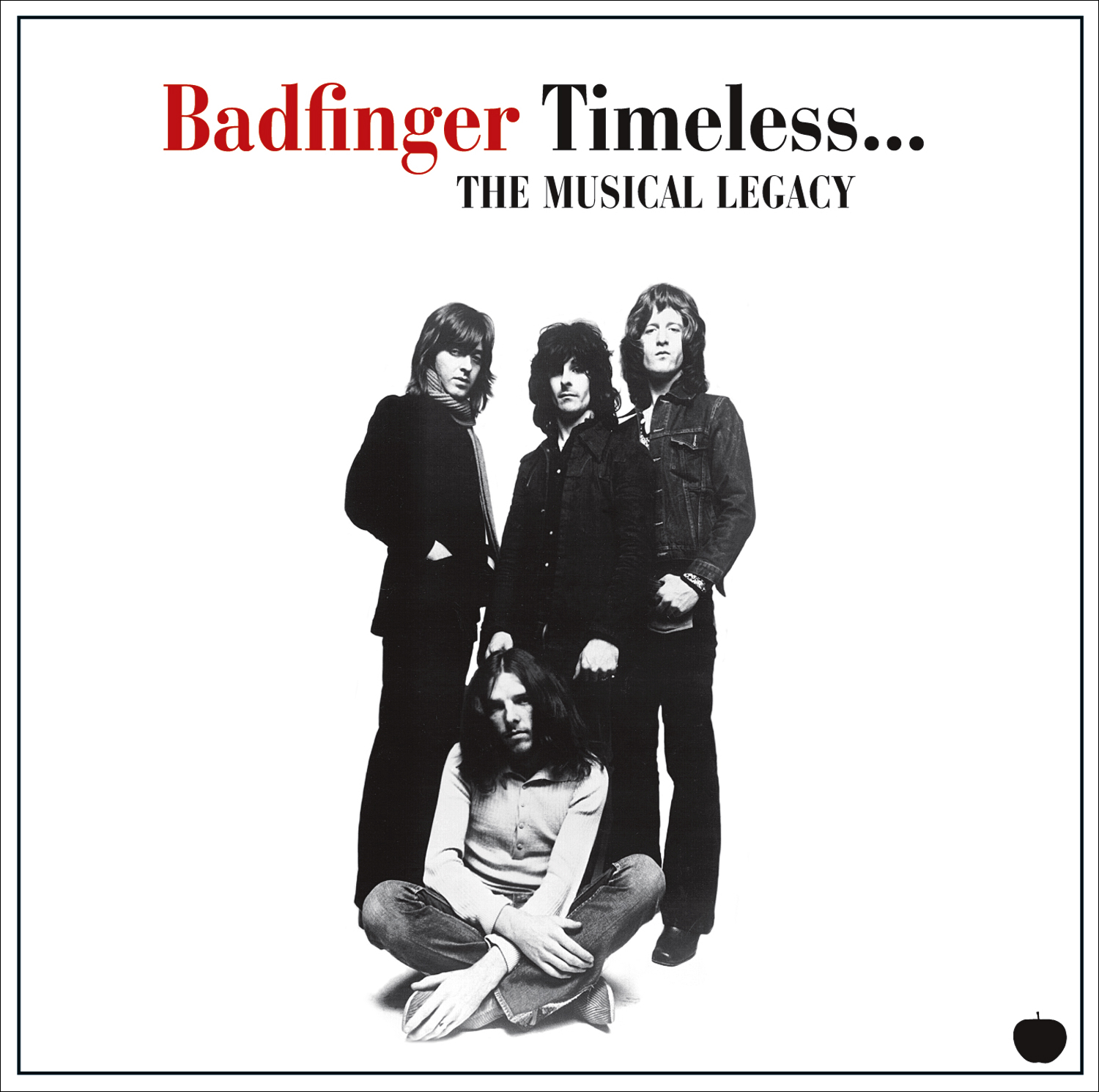
Graded on a Curve: Badfinger, Timeless… The Musical Legacy

Remembering Tom Evans, born on this day in 1947.Ed.

Talk about your bad mojo. It would be hard to find a band with as tragic a backstory as Badfinger, not one of whom, but two, of its original members hanged themselves. And this despite a string of at least five timeless tunes, and plenty of other good songs to boot.

The problem is that corrupt management—in the form of the New York mob-connected Stan Polley—made off with the bulk of the band’s profits, leaving Badfinger’s members practically penniless. It proved to be too much for the band’s songwriting team, Pete Ham and Tom Evans, leaving Badfinger to be remembered as much for its morbid history as its status as a great power pop band, England’s answer to The Raspberries.
The quartet formed in Swansea, Wales in 1961 as The Iveys. After much struggling they found themselves part of Apple Records’ stable of artists and hit pay dirt with “Come and Get It,” a Paul McCartney written and produced record, at which juncture they changed their name to Badfinger, supposedly after an early iteration of “With a Little Help From My Friends” entitled “Bad Finger Boogie,” so named because an injured McCartney was reduced to using one finger. They then proceeded to produce a number of hits, but saw no money, and their subsequent career saw them become pop stars without a dime to call their own.

But what a legacy they left behind! It’s not all here on Timeless… The Musical Legacy (you owe it to yourself to also check out 1990’s The Best of Badfinger, Vol. 2, which includes such great tunes as “Just a Chance” and “Shine On”) but it’s a powerhouse record nonetheless, and convincing proof that Badfinger was more, and much more, than the band that brought us the delectable “Day After Day.”

Read More »

Posted in The TVD Storefront | Leave a comment

Graded on a Curve:
Curtis Mayfield,
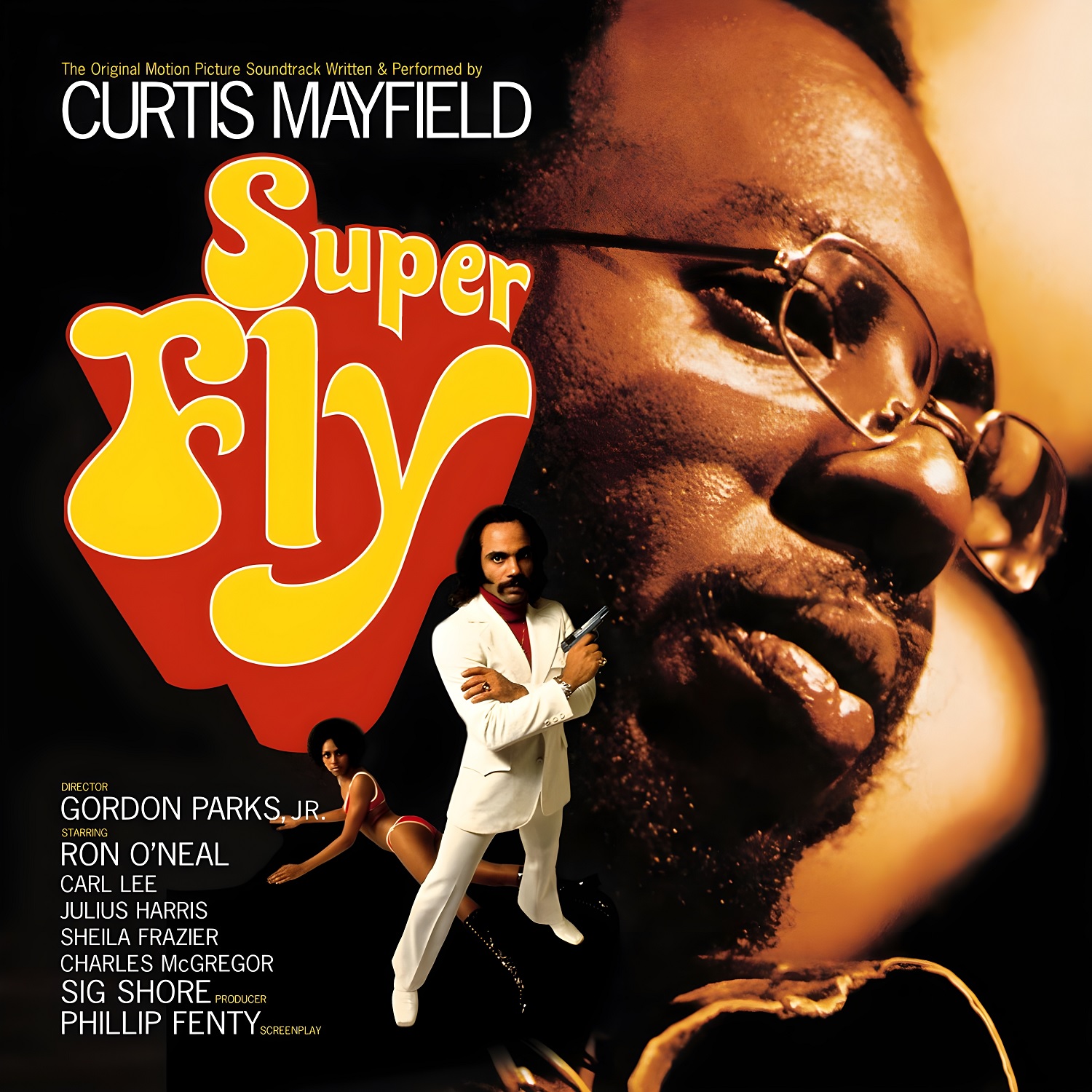
Super Fly

Remembering Curtis Mayfield, born on this date in 1942.Ed.

A great soundtrack album by one artist is a rare thing; they’re generally chock-a-block full of instrumental filler and thin on solid tunes that can stand on their own. Not so Curtis Mayfield’s 1972 soundtrack to that same year’s blaxploitation crime drama Super Fly; it’s a non-stop funk machine that actually outgrossed the film it was created to accompany. Which doesn’t surprise me, because there isn’t a single subpar song on it.

The tale of one Youngblood Priest, an African-American cocaine dealer trying to escape the drug business, Super Fly boasted the great tag lines, “Never a dude like this one! He’s got a plan to stick it to The Man!” and was directed by Gordon Parks, Jr., who also directed that other legendary blaxploitation film, 1971’s Shaft. Most of the album’s songs, amongst them the superfunky title track, “Pusherman,” and “Freddie’s Dead” all directly address the cocaine business, and all are soul/funk standards that sound as fresh now as they did way back in the year of Richard Nixon’s reelection.


As for the LP’s two instrumentals—a remarkably low number for a soundtrack LP—“Junkie Chase” is a fiery jazz/funk number with stabbing horns and some mean, mean wah-wah guitar, to say nothing of some great piano, while “Think,” as its title indicates, is a slower and more introspective piece that boasts a lovely melody is and propelled by some really nice guitar and great horns, including one expressive saxophone. The intro sounds like the beginning of every ballad The Red Hot Chili Peppers have ever written, but I refuse to hold that against it, no matter how much the Peppers disgust me.

Read More »

Posted in The TVD Storefront | Leave a comment
  • SUPPORTING YOUR LOCAL INDIE SHOPS SINCE 2007


  • Alternative Text Alternative Text Alternative Text Alternative Text Alternative Text Alternative Text Alternative Text Alternative Text Alternative Text Alternative Text Alternative Text Alternative Text Alternative Text Alternative Text Alternative Text Alternative Text Alternative Text Alternative Text Alternative Text Alternative Text Alternative Text Alternative Text
  • Alternative Text Alternative Text Alternative Text Alternative Text Alternative Text Alternative Text Alternative Text Alternative Text Alternative Text Alternative Text Alternative Text Alternative Text Alternative Text Alternative Text Alternative Text Alternative Text Alternative Text Alternative Text Alternative Text Alternative Text Alternative Text Alternative Text Alternative Text Alternative Text Alternative Text