
Celebrating Mark Eitzel on his 67th birthday. —Ed.
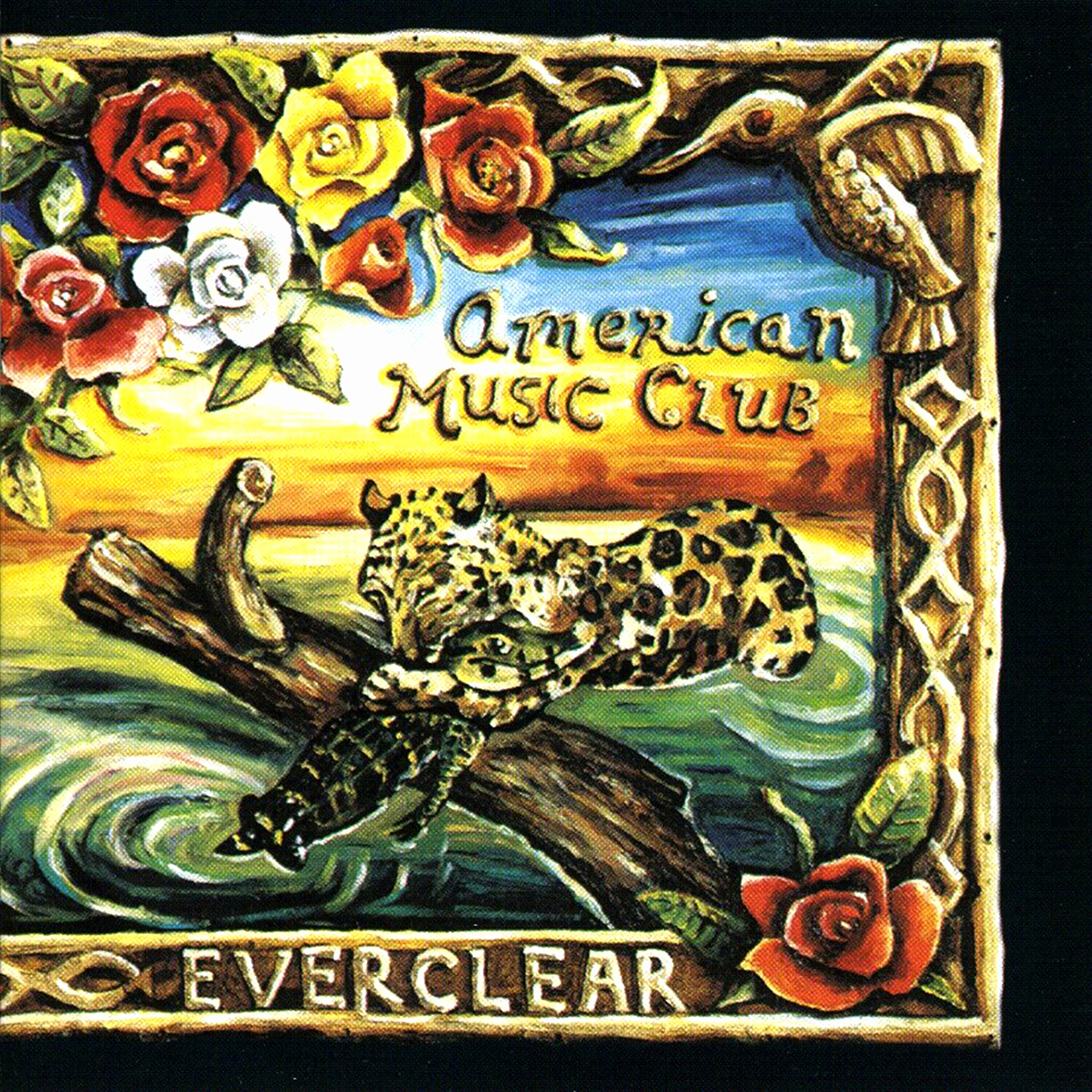
Mark Eitzel, American music’s poet laureate of the alcoholic undertow, has never gotten his props. During his time with his band American Music Club he put out a number of great albums, each one more besotted than the last, and managed to write what I consider the best song (by far!) of the nineties, “Johnny Mathis’ Feet.”
 So what if he brutalized me in comments following a review I wrote of a show at the Black Cat in Washington, DC. What really hurt was his saying, “If I’m as down as you say I am – then what gives you the right to kick me?” I wasn’t kicking you, Mark, I love you man—I was just unhappy that you were moving in the direction of stripped down torch songs.
Ah, but that’s bourbon under the bridge. I will always consider Eitzel a genius, what with his way of both bumming you out and making you laugh with his songs about himself and his burned-out friends. He can turn a phrase and has a surgeon’s eye for just where to put the scalpel in, and these gifts are, I think, on best display on 1991’s Everclear.
It led Rolling Stone magazine to declare Eitzel the Songwriter of the Year in 1991, but didn’t up his band’s exposure any; as Eitzel sadly noted later, “The next show there were about 20 people in the audience. And they were army guys and they thought American Music Club were some righteous American freedom-fighting, cool ass Springsteen-influenced Guns N’ Roses kind of guys. And we did not rock.”

 But then my friend Hank Dittmar who has forgotten more about music than I’ll ever know recommended this 1972 live album by the J. Geils Band, whom I saw at Shippensburg College in the late seventies but can’t really remember seeing at Shippensburg College in the late seventies because I was totally blotto on a combination of Wild Turkey and Placidyl, the latter of which I can only describe as an industrial strength memory dissolvent.
 Lots of folks dismissed Mountain (West on guitar and vocals, Felix Pappalardi on bass and vocals, Corky Laing on drums, and Steve Knight on keyboards) as Long Island’s answer to Cream, and on songs like “Theme for an Imaginary Western,” “For Yasgur’s Farm,” “The Laird,” and “Boys in the Band” the resemblance is striking. But on Climbing! Mountain escapes their Cream fetish to produce songs as humongous as the whale you keep expecting to show up in “Nantucket Sleighride,” except he never does.


 But when it comes to country novelty tune artists,

 You have to admire the Flaming Lips’ pluck. Wayne Coyne and the boys might have thrown us a dayglo marshmallow along the lines of 1999’s easy-on-the-ears The Soft Bulletin. Instead they came through with a nerve-jarring and challenging aural experience that harkens back to their Oklahoma days of unconscious screaming. The LP is enormous fun, but not for the faint of ear, and I have no doubt there are Beatles fans who find it nothing short of an act of desecration. The Flaming Lips—and their bwesties—gleefully fold, spindle and mutilate The Beatles’ classic, but their version has moments galore of beauty and wonder—they’re simply buried in a lot of white noise. Can cacophony be lovely? With a Little Help from My Fwends answers the question in the affirmative.
 Einstürzende Neubauten may translate as Collapsing New Buildings to English speakers, but they don’t sound like an architectural disaster to me. They sound like the foundry where I worked during my summer years at college only worse, because Einstürzende Neubauten are both foundry and insane asylum, and the lunatics have taken over the machinery.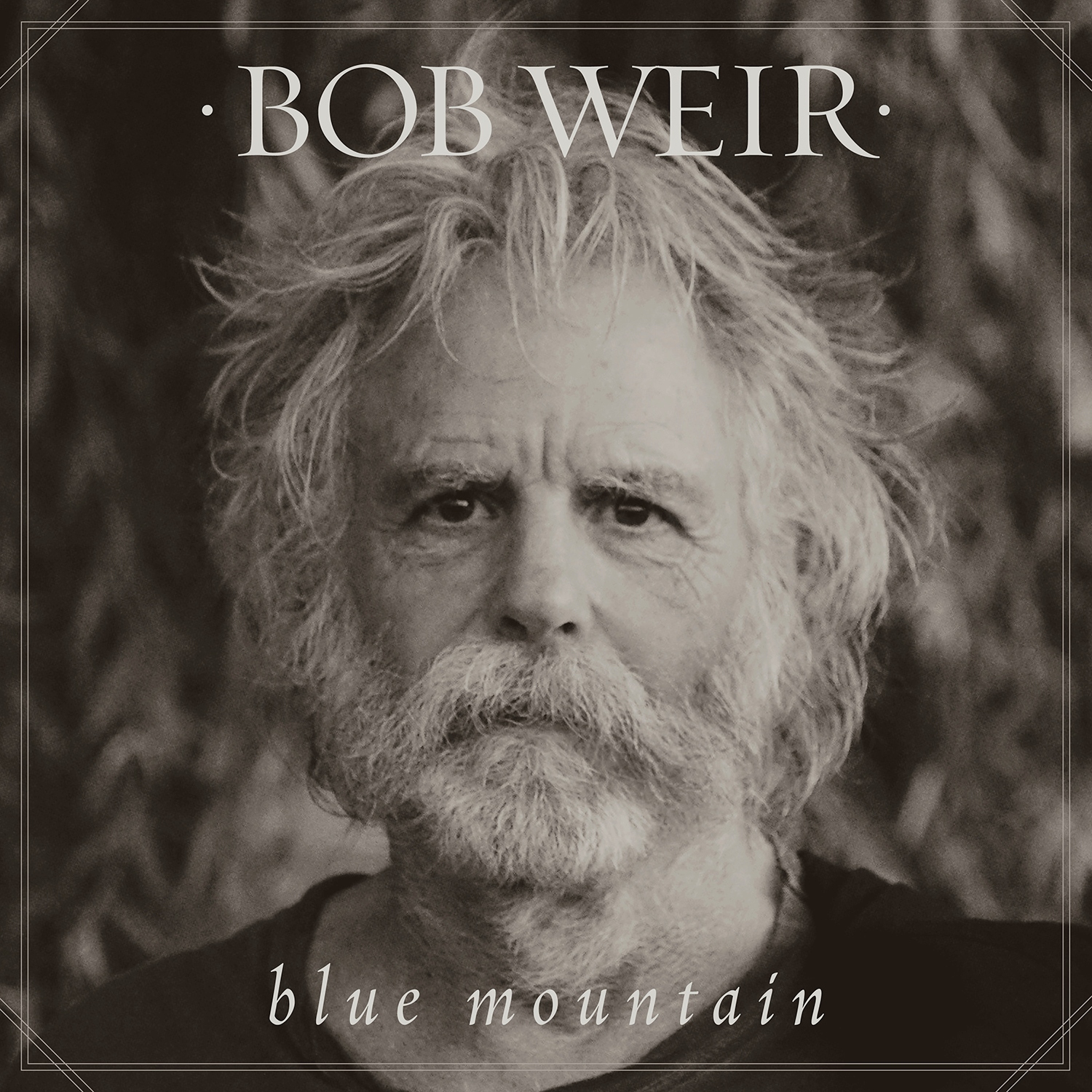
 2016’s Blue Mountain is an album of “cowboy songs,” according to Weir’s collaborator Josh Ritter, and was inspired, according to Weir, by his days as a 15-year-old ranch hand in Wyoming. But this is not a collection of other people’s music; Weir had a hand in writing the music for every song, while Ritter both contributed to the music and penned the better part of the lyrics. And so far as the descriptions of it as “campfire music” go I disagree; many of these songs are far too lush and musically sophisticated to cook weenies on a stick to.

 As you’d expect this LP of often surreal stage banter—which is universally acknowledged as Elvis’ worst—has a dizzying and disjointed feel; you go abruptly from one monologue or audience interaction to another, without segues or warning. Having Fun with Elvis on Stage was a shameless money-grubbing ploy by Elvis’ rapacious manager Colonel Tom Parker, whose intention it was to milk his cash cow for every shekel he could get. But to anyone interested in treating Elvis as psychological study, it’s a goldmine.
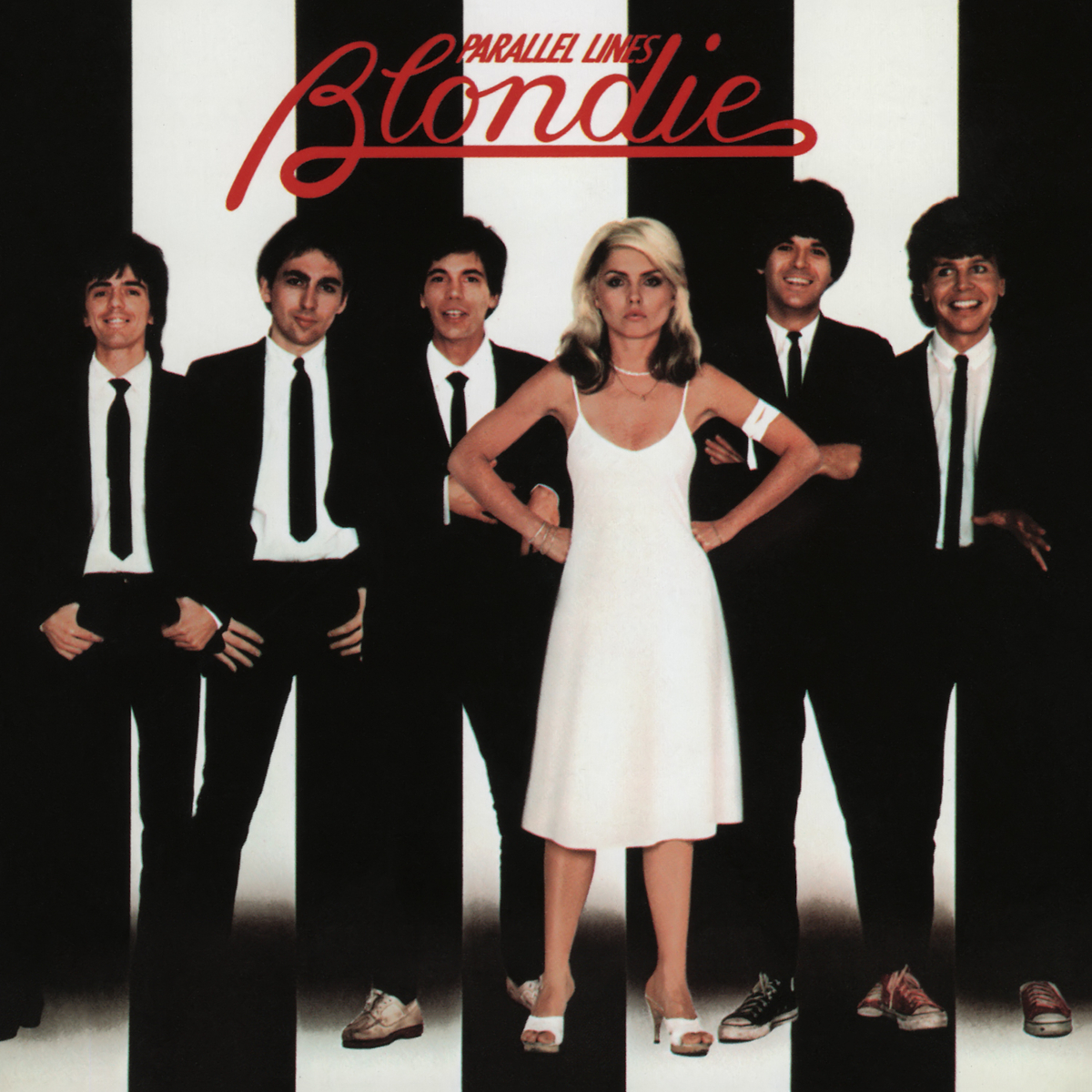
 Chapman the perfectionist called Blondie “hopelessly horrible” and explained his attitude towards the sessions in frankly dictatorial terms: “I basically went in there like Adolf Hitler and said, ‘You are going to make a great record, and that means you are going to start playing better.’” And they did. The result was a landmark record that everybody should own but you know what? I really kind of miss the hopelessly horrible band that gave us Parallel Lines’ predecessor, Plastic Letters.