The Beatles are arguably the most influential group in the history of pop music. Three recent releases reflect three different groups that have probably been the most influenced by the band, although one of them was most influenced by The Beatles in their second incarnation. It is also worth mentioning that one other group, ELO, should be included here, but they do not have a recent release for us to include.
Oasis is clearly not the first group to be influenced by The Beatles, or maybe even the last, but how significant that influence was propelled and underpinned their best work without making them merely derivative. Over the past several years, the group’s music has been reissued in many different configurations. Last summer, the band reunited for a 30th-anniversary stadium tour, which was by all accounts just short of a rock ‘n’ roll miracle.
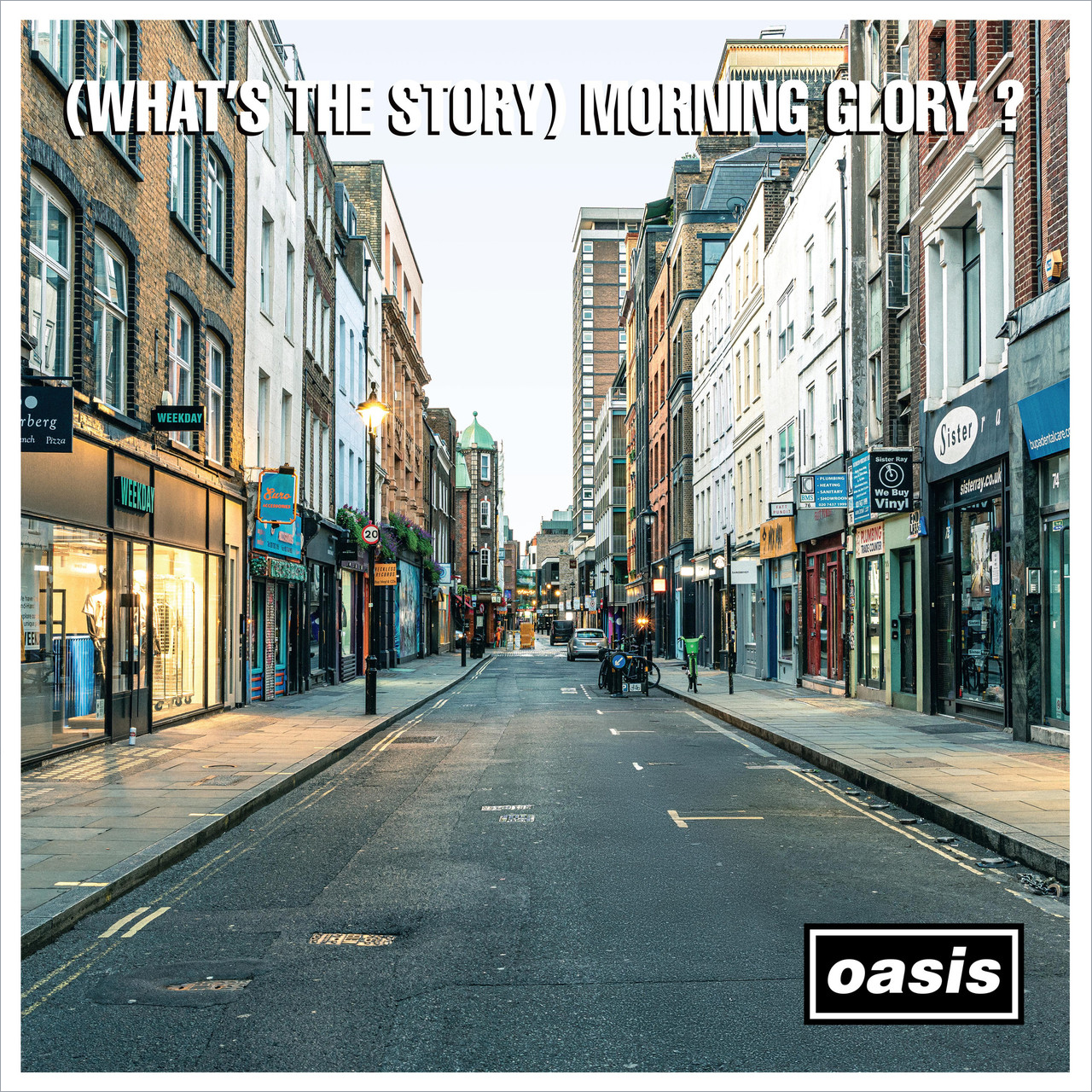
One of the best of the spate of archival releases is the recent three-LP, vinyl reissue of their second album, (What’s the Story) Morning Glory?, released in 1995, one of many configurations. While their first album was a powerful debut and their records right after their sophomore effort were quite good, this album is the mother lode. It’s the best Brit-pop album (sorry, Blur and Pulp fans) and one of the best British albums of the 1990s.
The album features a collection of songs written by Noel Gallagher (who also co-produced the album), showcasing the group’s perfect balance between gritty rock and lush production. Listening to the album 30 years later is to be bowled over by the majesty of the music. It’s big and grand like U2, but scrappy like an indie band of drunken teenagers late on a Saturday night in Camden. Liam Gallagher was born to be a rock ‘n’ roll frontman, and his sneering vocals turn his brother Noel’s bewitching and heartfelt songs into convincing rock anthems. They are part of a long line of rock ‘n’ roll siblings who have that familial chemistry that can’t be duplicated.
Has there been a great British rock band to come along since Oasis this good? The answer is no. This lavish reissue features the original 13-track album across two discs, as well as five unplugged tracks on a separate album. The three albums are in custom cardboard sleeves. They come in a slipcase-styled cardboard jacket that goes inside a banded album cover jacket.
Having the tracks spread across three albums creates excellent sound. It’s quite an intoxicating listen, and one can only lament that, essentially, rock is dead as a viable chart act at this point in history. The five unplugged tracks really work and don’t sound like demos or just stripped-down versions, but rather like almost new translations that show just how powerful these songs are without a full electric rock backing. With CDs the dominant format of the 1990s, it’s nice to have this album available as such a bespoke, yet affordable and not overblown vinyl reissue.
Also available to commemorate the group’s reunion is Oasis: Trying to Find a Way Out of Nowhere, a coffee-table book celebrating the group’s career. Published by Thames and Hudson and co-authored by Noel and photographer Jill Furmanovsky, it traces the group’s history from their inception in 1994 through their breakup in 2009, and then picks up again in 2025.
It’s a sumptuous book that reflects the Brit Pop, Mod style of the group, as well as the near-frenzied mania for the band primarily in their home country. It offers an album-by-album chronicle of the group at its core, but it’s so much more. To be enjoyed as a coffee-table book to be dipped into at any time or as a heady read. A must for fans of the best of British rock.
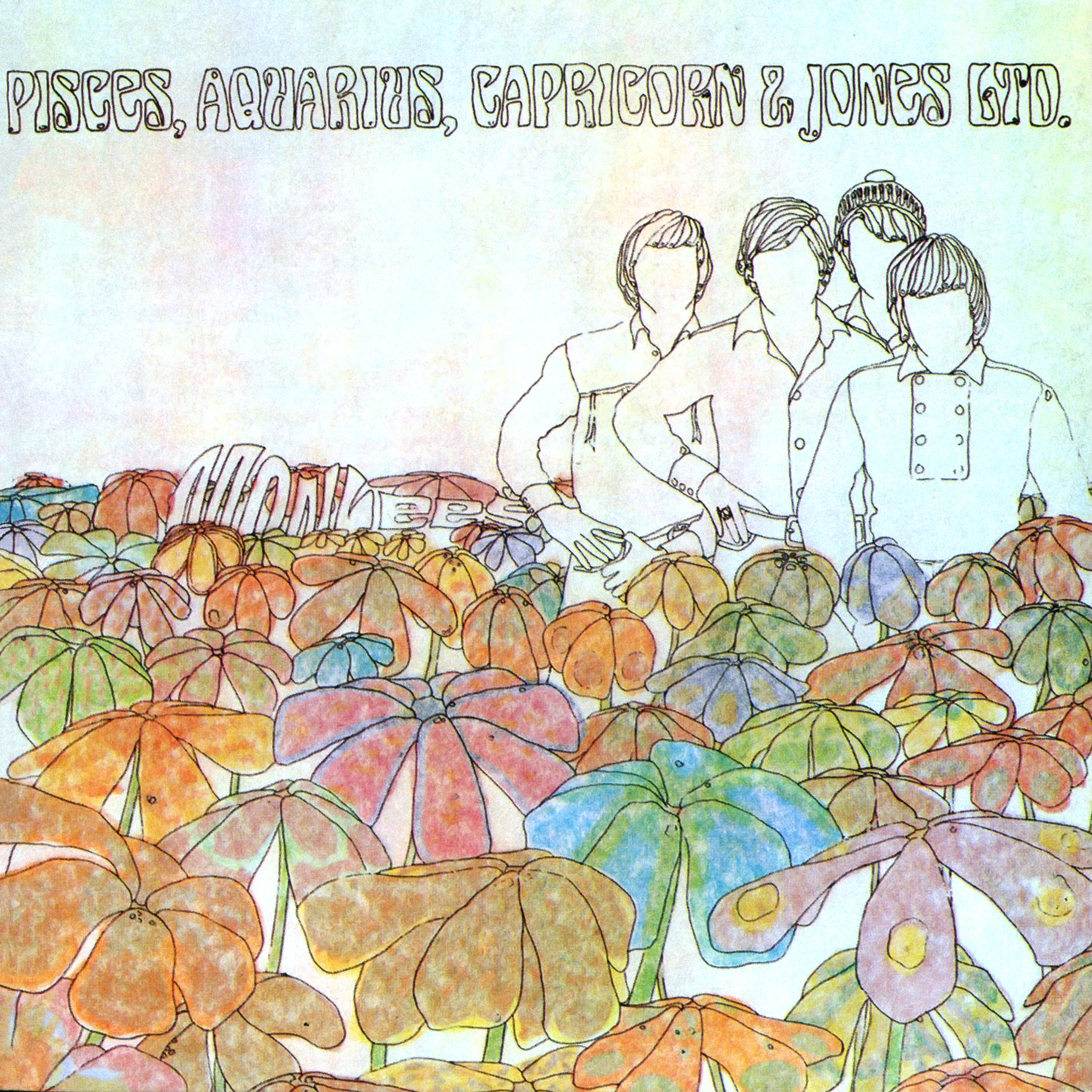
The Monkees released their self-titled debut album in October 1966 and quickly followed it up with More of The Monkees in January 1967. On the heels of More of The Monkees, they released another album, Headquarters, in May. The album made it clear to those that were willing to look beyond the group’s pre-fab origins and instant teen-pop stardom, that The Monkees were progressing as a group, wresting control of their music from the producers and show-biz Svengalis that initially saw them as no more than a pop product to cash in on in the wake of The Beatles and the British Invasion as the seminal American answer to England’s domination of pop music.
As good as Headquarters was, Pisces, Aquarius, Capricorn & Jones Ltd., their third album in 1967, released in November, was a clear indication that, while still relying on some outside material and help in the studio, the group had come into their own. And, proving it was no fluke they followed the album with the equally strong The Birds, the Bees & the Monkees in April of 1968, which set the stage for their complete breakout as groundbreaking multimedia artists with the soundtrack to Head in December of 1968, an album and a film that has only become more of a valued cult film favorite over the years.
This beautiful box set, which gives Pisces, Aquarius, Capricorn & Jones Ltd. the full archival retrospective it deserves, contains 4 CDs, a 7-inch vinyl single, and a 32-page booklet. The 100 tracks include stereo and mono versions of the album, along with newly created stereo mixes, as well as alternate mono mixes, mixes of songs that only appeared on the original television episodes, and demos and outtakes and backing tracks that provide aural insights into how various tracks evolved, similar to some of the same concepts used on the archival box reissues of John Lennon’s solo albums.
Four instrumental acoustic demos on disc three, including one from sessions for the Headquarters album, with studio chatter, are a really cool listen. The TV mixes are also enjoyable to listen to. While there is some repetition here that doesn’t always reflect the various versions of songs and tracks, it’s still an excellent listen. Rather than a plethora of unreleased revelatory music, the box highlights music that was key to the West Coast mid-1960s pop music explosion. It also highlights the significance of Mike Nesmith to that scene.
Like those of another teen idol who played a key role in the birth and evolution of country rock, Rick Nelson, Nesmith’s songs here reflect an artist with many talents who was blending his country roots with ’60s pop to create something brand new. Nelson did this with his Stone Canyon Band, and Nesmith would take things further, beginning with The Wichita Train Whistle Sings, released in 1968, while he was still a member of The Monkees. His first post-Monkees solo album, Magnetic South, was released in 1970 after his final album with the group, The Monkees Present. These two albums marked the beginning of a long run of highly influential and still fresh-sounding albums that played a key role in the evolution of country rock, with some also featuring a band set up under the group name First National Band.
The 32-page booklet in this box set reissue is an informative and lovingly produced document of one of The Monkees’ best albums. The package is also an excellent object with rare photos and art on the CD covers, and the addition of the 7-inch, 45 is a real nice touch. This is yet another excellent Monkees archival release, and kudos to Andrew Sandoval, who has been the sole curator of the group’s illustrious yet often underrated legacy.

The Iveys were a British band that released only one full-length album, Maybe Tomorrow, in 1969, but their place in the history of one of the groups most influenced by The Beatles is important. They are significant because after that album, they became Badfinger. The original lineup of the Iveys reunited for the soundtrack of The Magic Christian, released in 1970, under the name Badfinger.
After The Magic Christian, Ron Griffiths departed, and Joey Molland joined. Badfinger then recorded three albums for The Beatles’ Apple label, most notably the first two iconic classics, No Dice (1970) and Straight Up (1971). While the Iveys have seemingly faded into pop obscurity, a treasure trove of music from the group has been released over the past several years. There have been five Anthology releases. Along with two live albums, Live at the Empire and Live at the Thing-A-Me Jig Club, there are The Golden Delicious Demos: 1966-1969, How Much Is The Sky, and the newly released Miniskirts and Rainbows, which we will cover here.
Like the previous Anthology release, many of these previously unreleased recordings, while often not sounding like finished tracks, are quite substantial, exceed the expectations of these kinds of releases, and, along with previous editions of this series, uncover a bounty of Iveys’ music well beyond their one and only album.
This third album of previously unreleased music, alternate takes, demos, and other music included here covers several years. Some tracks are pretty rough, but only a few. Actually, the sound quality on most of these tracks is excellent and doesn’t sound like demos, except for a few of the rougher tracks. Five tracks could be categorized as psychedelic, which are superb and sound exceptional.
If there are any enterprising pop or rock groups out there (or any even left), who are looking for solid songs to cover and can pull off soaring harmonies, this collection is a great place to start.
GRADED ON A CURVE:
Oasis, (What’s the Story) Morning Glory? (30th Anniversary Deluxe Edition)
A+
The Monkees, Pisces, Aquarius, Capricorn & Jones Ltd. (Super Deluxe Edition)
B+
The Iveys, Miniskirts & Rainbows – The Iveys Anthology Volume 5
B