
Jethro Tull is one of those groups that often get slotted into the classic rock or prog genre, but in fact, it once offered so much more. While the British group’s 1971 fourth album, Aqualung, is regarded as a ’70s rock classic, the band released a run of excellent records from its beginning in 1968 through 1977.
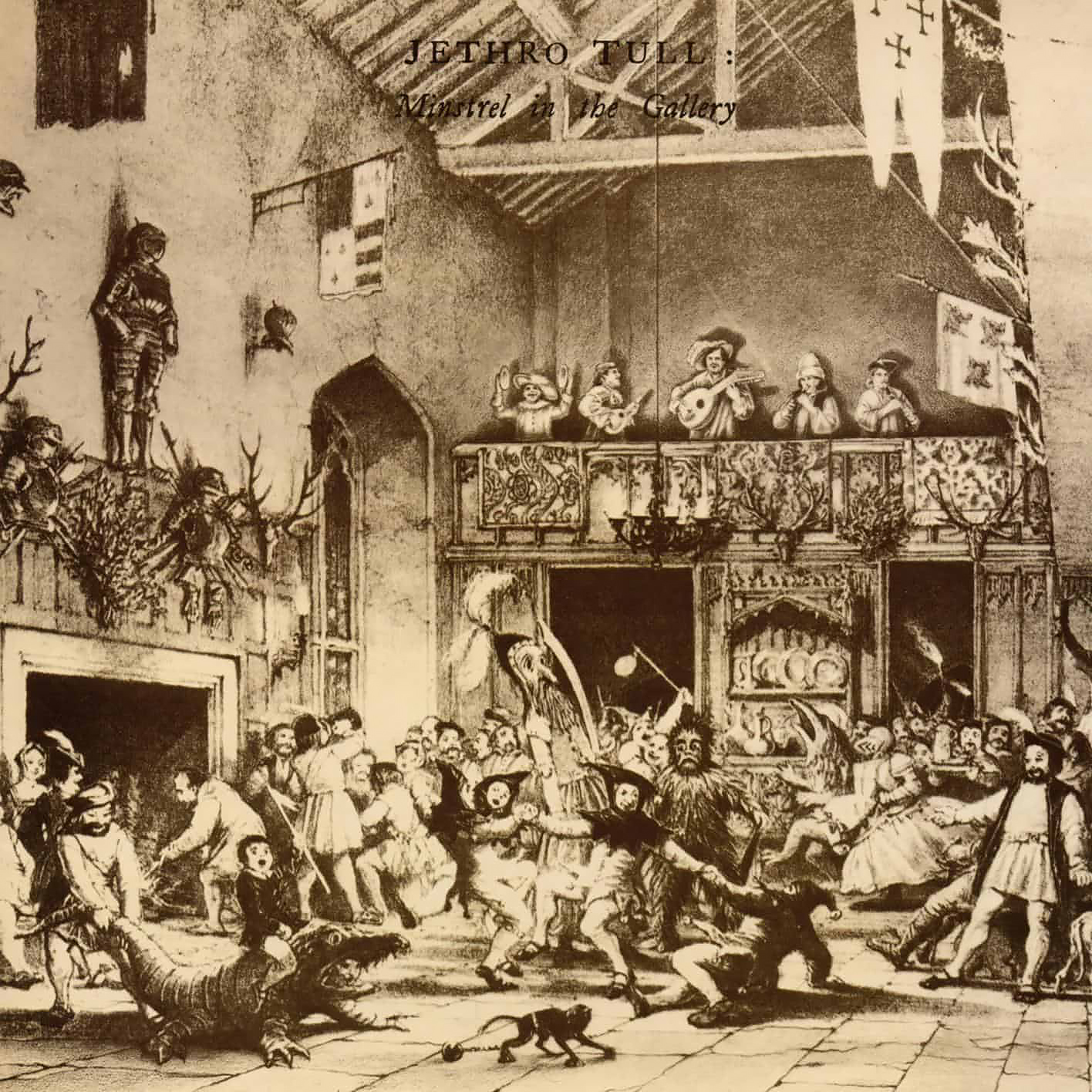
Though albums like War Child and Too Old to Rock ‘n’ Roll: Too Young to Die! were iconic Tull albums, they may be, in retrospect, the weak links in that marvelous run from ‘68 to ‘77. A reissue of Minstrel in the Gallery, which came out between those two releases, shows what Tull was capable of long after Aqualung and before the group’s creative peak ended.
Minstrel in the Gallery, like most of the albums of the group’s first 10 years, particularly the first three, as well as Thick As a Brick, perfectly mixed rock, folk, jazz, prog, orchestral, and almost medieval and baroque music to come up with intelligent, richly drawn albums that defined the singular Tull sound. After the success of Aqualung, the group alternately aimed at the commercial rock marketplace with mixed creative results (the aforementioned heavier rock War Child and Too Old to Rock ‘n’ Roll: Too Young to Die!), or expanded their musical palette, which was focused on broadly conceptual works that leaned into their classical musical ideas, and balanced the classical structures with acoustic folk.
These various sides were always there, but beginning with their two 1972 releases, Thick As A Brick and the fulsome and well-conceived grab-bag collection of singles, outtakes, live and EP tracks, Living in the Past, and continuing with A Passion Play (1973) and then later with Minstrel in the Gallery (1975) and Songs from the Wood (1977), their music revealed a depth that transcended classic 70s rock and prog.
Minstrel in the Gallery, recorded during the band’s tax exile in Monaco and produced by Ian Anderson, was released 50 years ago and has just been reissued on vinyl and features Steven Wilson’s superb 2015 stereo mix. While just a single album, this timeless conceptual work has never sounded better. The eight-minute-plus opening title track received considerable FM airplay at the time, long before nearly all of commercial FM radio was taken hostage and destroyed by playlists, consultants, and monolithic corporate mergers and acquisitions.
The album begins with a nearly inaudible, brief spoken introduction that heralds the arrival of a 19th-century gathering of revelers for a musical performance, and then the music of the title cut commences. The music starts with acoustic guitar and flute, but also has electric guitar rock muscle. “Cold Wind to Valhalla” is an evocative, quintessential Tull piece that reflects the kind of intelligence Ian Anderson brought to rock, drawing on mythology for its lyrics. “Black Satin Dancer” is a mellower track that shows off the group’s jazzier side. “Requiem” ends side one with acoustic guitars, strings, and a baroque feel.
“One White Duck / 010 = Nothing at All” opens side two and musically very much follows the end of side one. As great and ambitious as the title cut is, the real centerpiece of the album is the four-part, 16 16-minute-plus “Baker St. Muse,” which is witty and decidedly English-sounding and -influenced, even though the album was recorded in France and Anderson wrote some of the music in Los Angeles. It is here where Dee Palmer’s arrangements really shine. The album ends with the brief seconds of “Grace.”
This was the fourth album in the lineup that began with Thick As A Brick, which solidified the band. The group’s first four albums featured continuous change, and by Thick As A Brick, only Anderson remained from the original lineup. However, the Minstrel in the Gallery album would prove to be the last for bassist Jeffrey Hammond.
This limited-edition, marbled-vinyl, 50th anniversary reissue was pressed in Germany at Optimal and comes in a poly-lined sleeve. Like nearly the entire Tull catalog, this album has been reissued over and over again. There are no booklets or additional ephemera, which fans of Tull and this album should seek out on previous releases, particularly the fine CD and CD/DVD reissues of the release. However, this is a definitive vinyl reissue of an important Tull album that has worn well and is timeless.
GRADED ON A CURVE:
A-