Marvin Gaye’s career was cut short at the age of 44, as he was launching a comeback, when he was murdered by his father in 1984. In his short life, he made some of the best R&B and soul music ever, and his music transcended those genres.
Initially known for his slew of popular R&B crossover hits in the 1960s, including his duets with Tammi Terrell and, to a lesser degree, with Kim Weston and even Mary Wells, Gaye later recorded albums that reflected his maturation as an artist and not just a hitmaker.
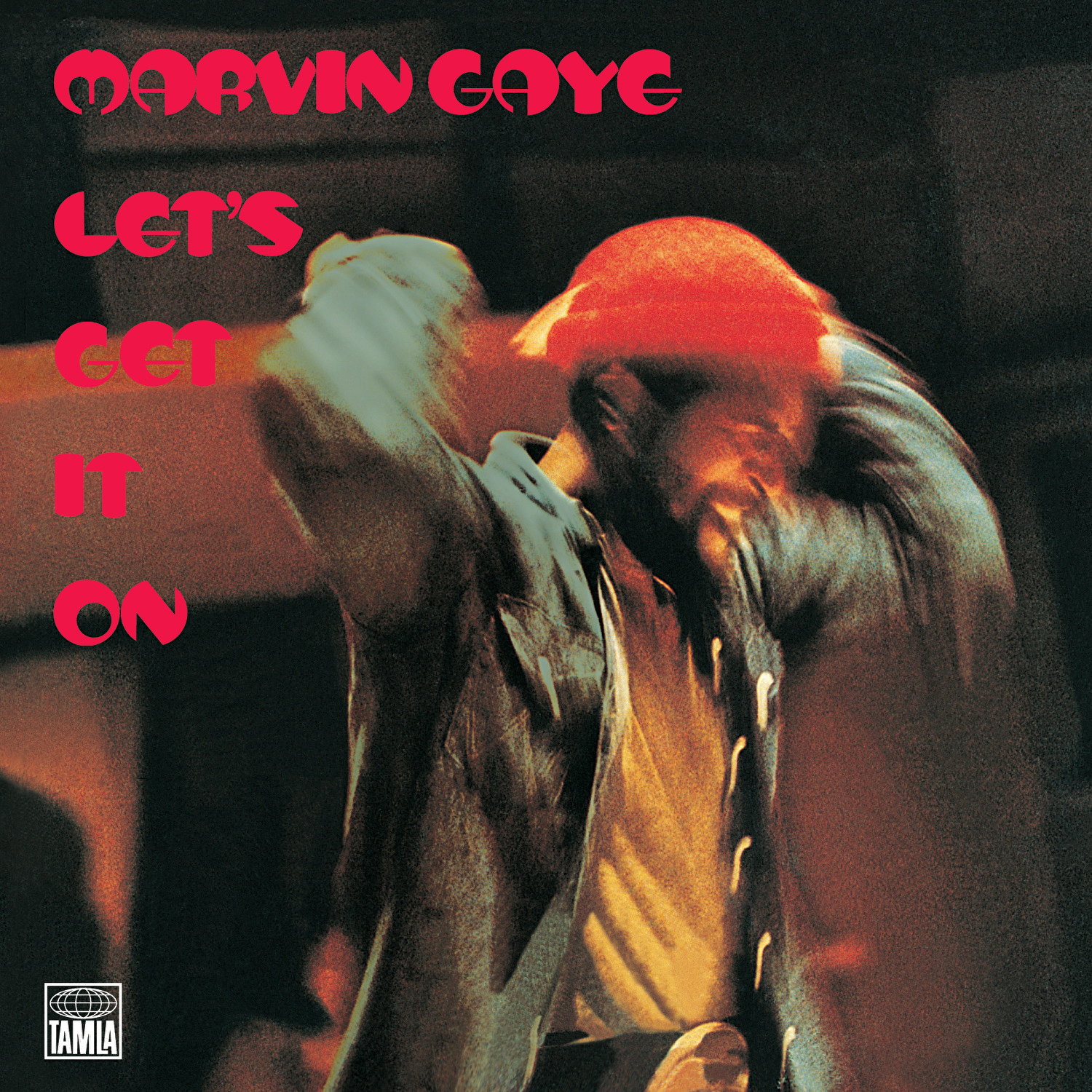
The first was the iconic What’s Going On, released in 1971, an album that still resonates today with its themes of social injustice and ecological apocalypse. Gaye made one other album that, while not as monumental as What’s Going On, defined 1970s soul music: Let’s Get It On, in 1973.
The album was sensual, sometimes raw, like on “You Sure Love to Ball,” yet tender and untamed in its approach to music for lovers. The title song was a massive hit and set the tone for the album’s largely uncluttered sound. The end of side one features somewhat of a reprise entitled “Keep Gettin’ It On.”
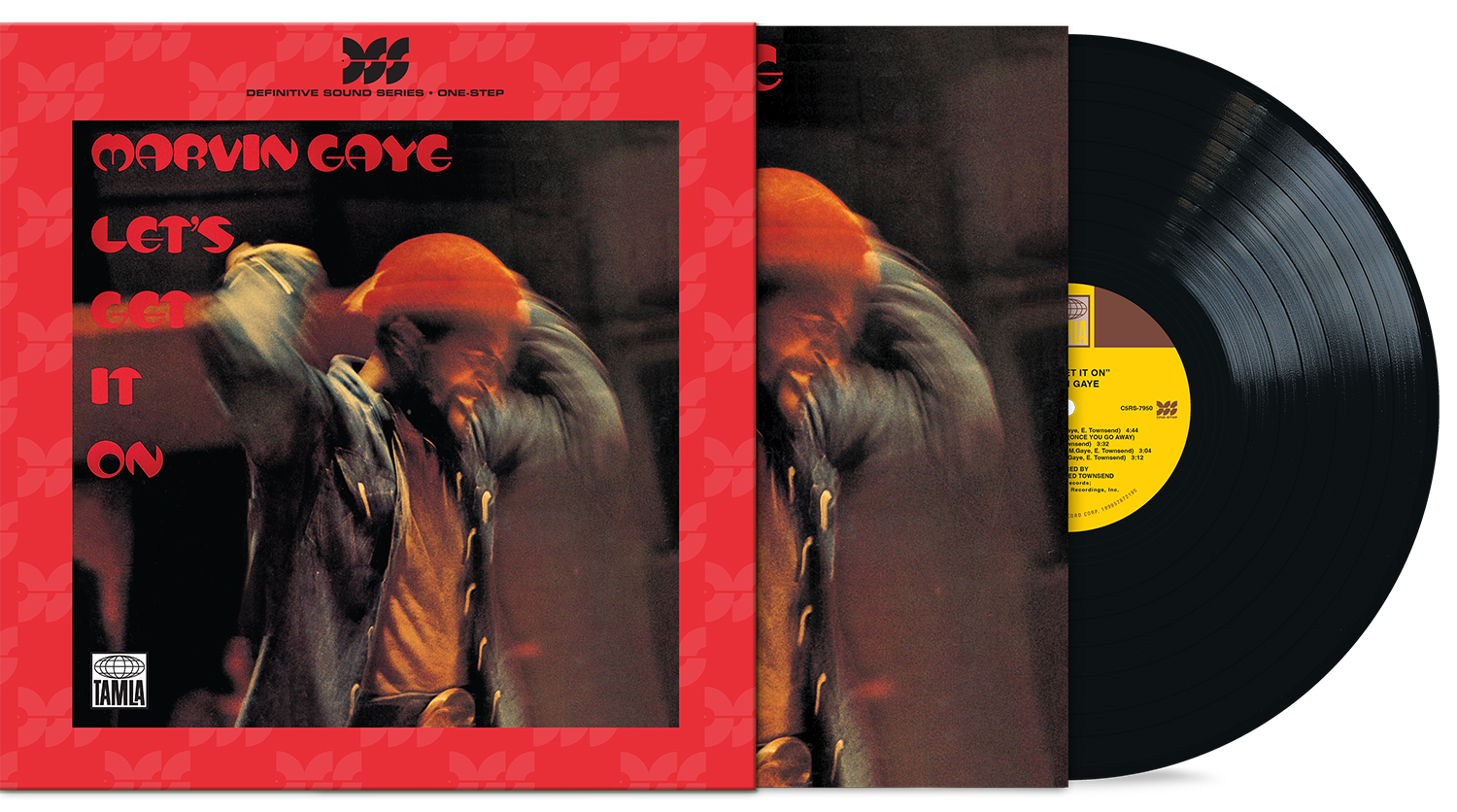
The album has recently been reissued as a DSS (Definitive Sound Series) One Step release. Some of the music here is almost a template of the kind of smooth love soul Sade would explore less than a decade later. Her music, however, had an ’80s electro-pop sheen and a jazz component that are not evident on Let’s Get It On, even though many of the hottest jazz players of the day, including Victor Feldman, Joe Sample, and Louie Shelton, are on Gaye’s album. Much of the bass was supplied by Motown R&B legend James Jamerson.
This album may not be one that immediately leaps to mind as an audiophile record, but listening to the new DSS release makes it clear why it is perfectly suited to a bespoke release. The album’s smooth sound and, in places, lush orchestrations are silky and atmospheric, and nothing gets in the way of Gaye’s singular vocals. While there may have been a little more grit and bottom on the title track, the listener is treated to an unadorned, unadulterated analog recording that reflects Gaye’s vision, as he was also the album’s producer.
The original gatefold package is perfectly reproduced, down to the Tamla period label. The vinyl pressed at Record Technology, Inc. (RTI) comes in an archival sleeve, and the album jacket is housed in a hard-shell slipcase with a certificate of authenticity. The release is limited to 3,000 numbered pressings from a one-step analog process, ensuring the most seamless, natural sound.
Of this entire series, only Pet Sounds from The Beach Boys rivals this release. Hopefully, more albums from the analog era will be released in this series, which is only equaled by the UHQR Analogue Productions releases from Acoustic Sounds and Mobile Fidelity Sound Lab’s One-Step releases.
GRADED ON A CURVE:
A-