
Rhino continues to release Quadio discs, which seek to recapture and replicate the quadraphonic audiophile album format from the 1970s. Instead of vinyl albums, Quadio releases present the four-channel audio experience on Blu-ray audio discs with 192/24 Resolution and also provide listeners with High-Res two-channel stereo and, in some cases, 5.1 surround sound mixes at very affordable prices for such a bespoke product.
The discs are transferred from the original half-inch four-channel master tapes and mixed for a dimensional immersive experience. The releases include technical notes on the Quadio format and have beautiful visual interfaces. These new Quadio albums are available in bundles and as individual purchases. Multiple musical genres are part of the series, and all of the releases first came out in the 1970s. The success of these Qaudio disc releases proves the quality, viability, and continuing relevance of the optical disc format.
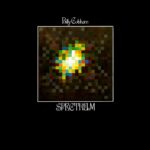 To get things started are two jazz releases. Spectrum is the 1973 debut album from jazz drummer Billy Cobham, originally released on Atlantic Records. Cobham cut his teeth playing with Miles Davis during his electric period and with the fusion behemoth Mahavishnu Orchestra. This landmark electric fusion album, recorded at the legendary Electric Lady Studio in Manhattan, is perfectly suited to the four-channel experience as it reveals the spark and depth of the music.
This is music that requires space, has subtleties, but also rocks hard. Cobham is a powerful drummer but isn’t flashy. The supporting cast here is also part of the reason why this is such an influential album and has stood the test of time. It includes Jan Hammer on keyboards from the fusion world, jazz and studio legend John Tropea on guitar, and two surprising additions that work perfectly. They are Tommy Bolin on guitar, who comes from more of a rock background, and the legendary bassist Lee Sklar, more associated with the West Coast singer-songwriter scene and countless sessions including with James Taylor, Phil Collins, and many others.
One of the attributes of this Qaudio series is how unlikely and/or somewhat obscure albums are given the full four-channel experience. The Blues on Bach album from the Modern Jazz Quartet, originally released on Atlantic Records, was the group’s second album that year, with the previous one on the Little David label. This Atlantic release, their home for many years, would be their last until they reunited in 1981.
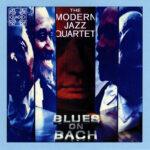 They certainly headed into their break in style and with an album that was not downbeat or reflected a group in turmoil or not on the same musical page. The centerpiece tracks are arrangements of five Bach pieces by pianist John Lewis. The album also includes four original compositions. This merging of jazz and classical music, or more accurately, classical compositions interpreted in a jazz medium, has been referred to as Third Stream Music, a phrase that was first used in 1957 by composer Gunther Schuller. The sound is much more fluid than the explanation above.
The Swingle Singers, who recorded the groundbreaking 1968 Place Vendome album with the Modern Jazz Quartet, almost exclusively recorded jazzy a cappella choral albums of classical music. This album has a delightfully light touch that leans more on the magical interplay of Lewis, Milt Jackson, Percy Heath, and Connie Kay. Jackson’s sinewy vibes with the subtle rhythms of pianist Lewis and drummer Kay make this album a pure joy to listen to and one of the best-sounding Quadio releases ever.
 Atlantic Crossing from Rod Stewart, released in 1975, is very much a mixed blessing. The album signified Stewart’s debut album on Warner Brothers Records and his full transformation from Brit pop rock royalty to expat California celebrity. The album starts off rather disappointingly with rockers that seem to fall a bit flat, with sometimes clumsy and overbearing arrangements. However, the album picks up steam quickly and includes two of his most beloved recordings of this period, “I Don’t Want to Talk About It” and the magisterial “Sailing,” a smash on both sides of the Atlantic.
With the Faces having disbanded two years before this album and the 1976 release Tonight’s The Night being the last album before the full career dip of both Foot Loose & Fancy Free and Blondes Have More Fun, this reissue is a final reminder that Stewart was one of the greatest vocalists in rock and a song interpreter with few peers who, after a good long run, became more fun than good.
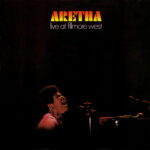 Aretha Franklin’s 1971 shows on March 5, 6, and 7 at San Francisco’s Fillmore West were breakthrough concerts for the queen of soul. Spurred on by Atlantic Records producer Jerry Wexler and wholeheartedly embraced by promoter Bill Graham, Franklin brought her peerless soul music to the West Coast hippie mecca with rapturous results.
The King Curtis band opened and appeared on this disc, Aretha Franklin Live at Fillmore West, which was originally released as a single album but was eventually released as a four-album set in 2006. Franklin managed to stay true to her hard-won sound while also interpreting music on the pop charts and music that was central to the ever-growing counterculture. These are not pristine, audiophile studio recordings but rather live concert recordings that captured the magic and intimate sound of the fabled left-coast outpost of Graham’s Fillmore empire.
CM 5
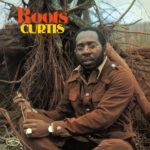
Finally, there are two other recent releases for soul fans that shouldn’t be missed. Roots is Curtis Mayfield’s second solo album, originally released on Custom, the label he owned with Eddie Thomas. His self-titled debut was released in 1970, and a live album came out in 1971 prior to this album. This album doesn’t include any songs as well-known as “Move On Up” from his debut and came before his iconic Super Fly soundtrack work, but it is a definitive ‘70s soul album.
From 1967 through 1978 the Spinners recorded a slew of R&B and soul albums often identified as being part of the Philly Soul sound, produced by Thom Bell and released on Atlantic Records, before they became darlings of disco. It is hard to pick out one album from the key ’70s releases, but this one came during the heyday of quad and is an immaculate production from a group that sometimes doesn’t get the soul cred it deserves due to the mammoth success of their disco period. This is the second Spinners album to get a Quadio release.