In 1979, Supertramp released Breakfast in America, an album that was one of the biggest-selling albums of a decade that defined the blockbuster album. While many of those albums were by American acts and a group that included both Brits and Americans (Fleetwood Mac), along with Pink Floyd, Peter Frampton, David Bowie, and Led Zeppelin, Supertramp was a British band with one of the era-defining albums of the time. Breakfast in America, like many of the big albums of the decade, came after several albums from a particular group or artist who had been slowly building their sound and following, were part of the musical underground, or had just enjoyed considerable airplay on the FM rock radio of the time.
The group’s third and fourth albums (Crime of the Century; Crisis, What Crisis?) have recently been reissued. While their first two albums (Supertramp; Indelibly Stamped) established their unique sound, these two albums that have just been reissued spawned tracks that were in heavy FM radio rotation and preceded the album Even in the Quietest Moments…, that yielded their biggest hit (“Give a Little Bit”) to date and which was recorded entirely in America, the first such album of theirs before the Breakfast in America album to be recorded in the States. Their fourth album would also be their last one recorded in England and their first to be recorded in America.
The group’s sound on these two albums is difficult to categorize. While very much in the vein of British progressive rock acts of the time, like Genesis and even Pink Floyd to some degree, the group’s jazzy sax and keyboards, sing-song lyrics, and quirky and unforgettable trademark keyboard sounds set them apart from just about every other British group of the time. They could be expansive and thoughtfully imaginative with their deep and philosophical lyrics, but also ebullient and just a little madcap, but in a fun way.
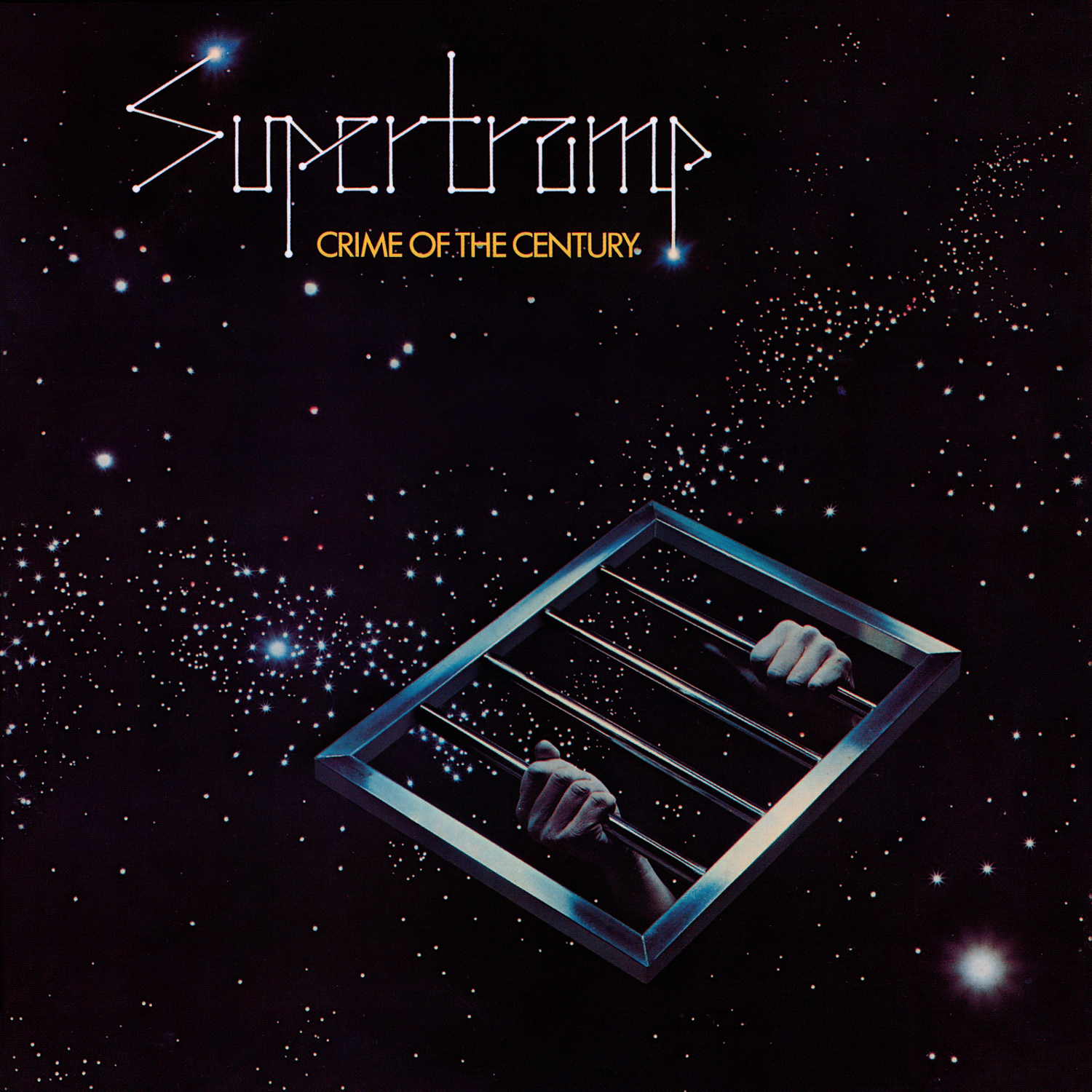
In many respects, Crime of the Century, released in 1974 and an album that took three years to make, was the album that began the group’s ascent. It featured two staples of FM radio of that time, “Bloody Well Right” and “Dreamer.” While the album is not strictly a concept album, it artfully explored ambitious musical ideas and lyrically didn’t shy away from pondering the big questions about life. It also became a cornerstone for audiophiles. It has the distinction of being the first pop album reissued on the Mobile Fidelity Sound Lab label, when it was reissued in 1977.
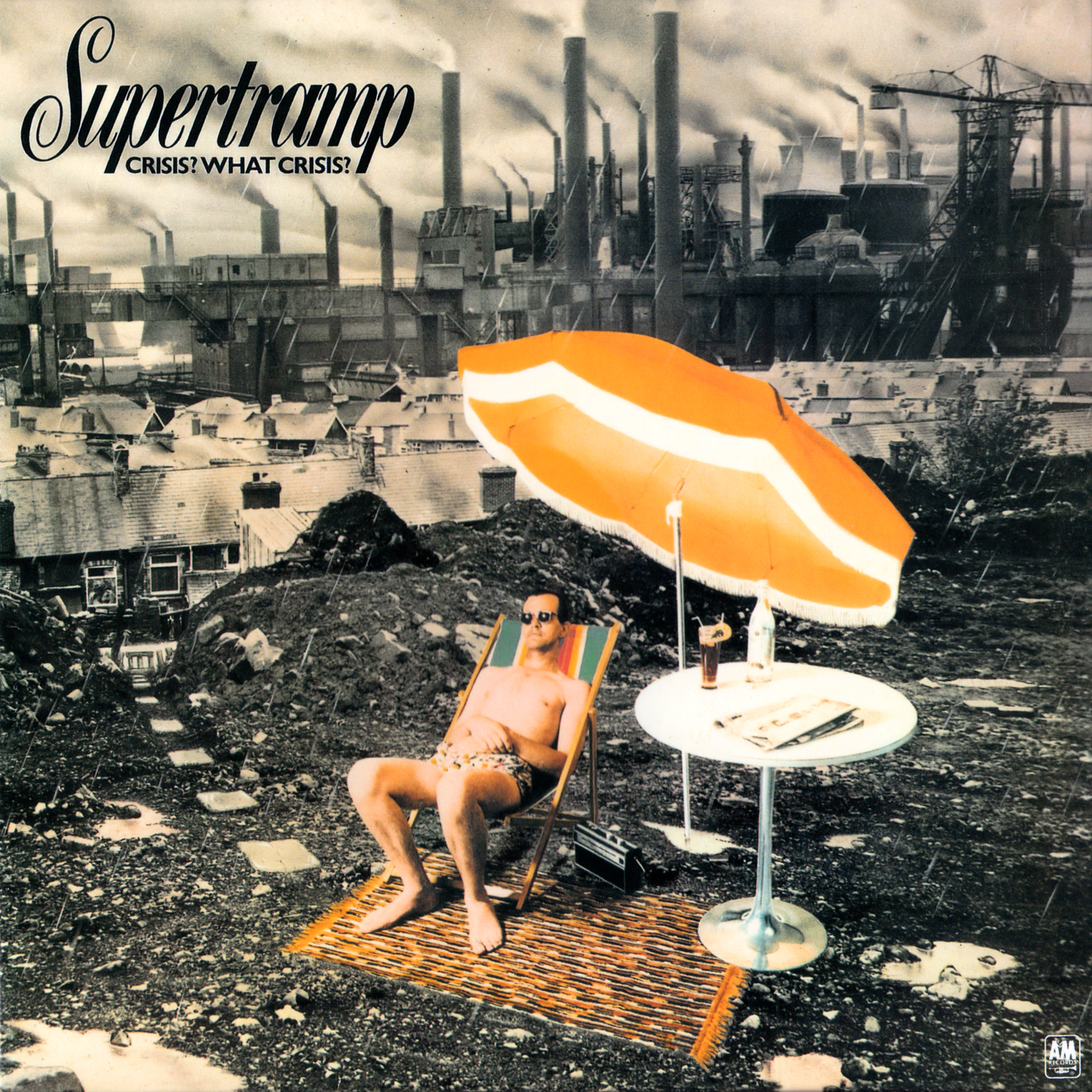
Crisis, What Crisis?, released in 1975, only spawned one track that received considerable FM airplay (“Sister Moonshine”), but further solidified the group’s prowess as peerless makers of semi-conceptual albums. The album has brooding, almost apocalyptic lyrical reflections. Urban paranoia, environmental dread, and modern ennui were all filtered through human reactions and navigating such life-changing challenges. It was also a key transition in what would become a complete acclimation to America, a significant factor in their eventual blockbuster success. Ken Scott co-produced both albums with the group and Richard Hewson did the arrangements.
These reissues were pressed on 180-gram vinyl in Germany and were half-speed mastered at Abbey Road Studios by Miles Showell. The album jacket and custom sleeves are duplicated from the original albums. The sound quality is impeccable. As good as these Abbey Road remasters can be, occasionally, especially with the earlier ones in the series, the sound can be a little dull and even slightly muddy; however, these albums are truly exceptional.
The titles of these two albums, reflecting the themes explored in them, are unfortunately as relevant today as they were then, with Crime of the Century in particular right on the mark in America at this moment. These are must-have reissues, and hopefully, the group’s next two albums will be given the same first-rate reissue treatment.
GRADED ON A CURVE:
Crime of the Century
A
Crisis, What Crisis?
B+