Remembering Danny Joe Brown, born on this day in 1951. —Ed.
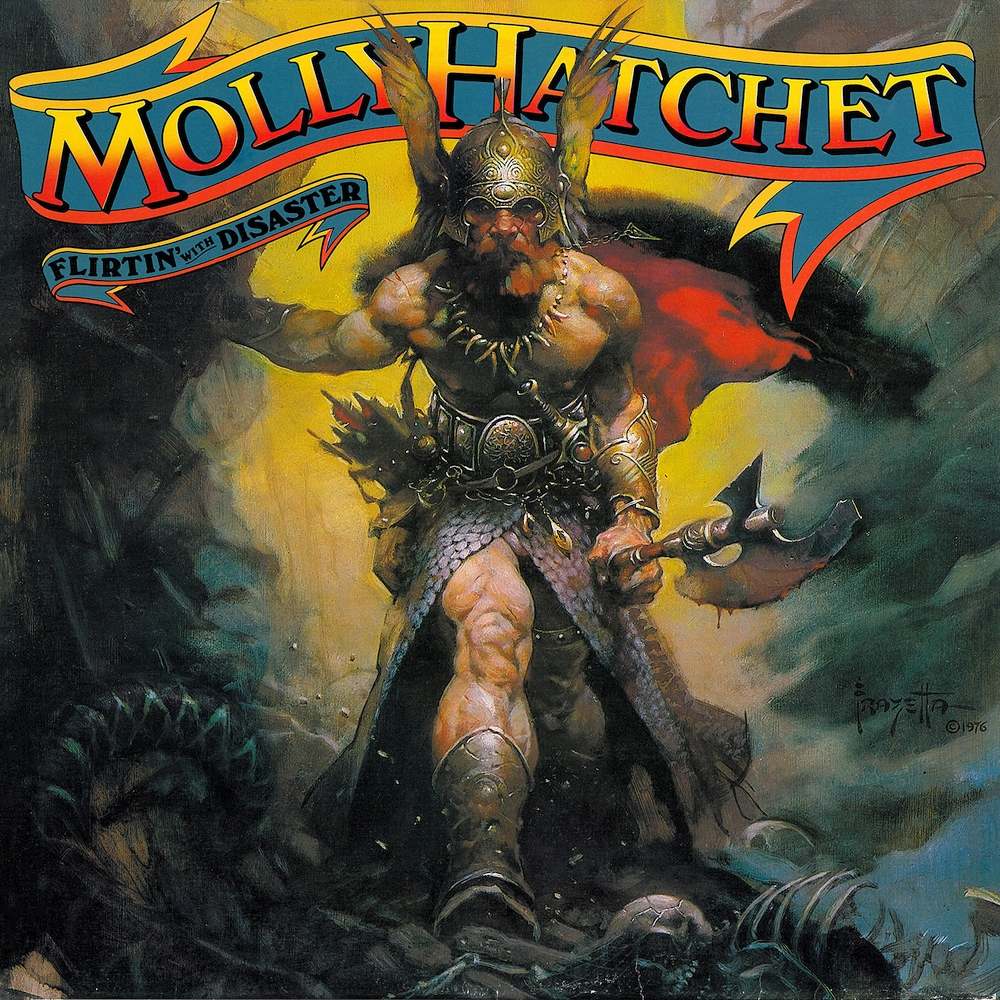
I consider myself a southern rock fan of sorts—Lynyrd Skynyrd is one of my favorite bands, and I still plan to get that tattoo of their plane going down, Ronnie Van Zant looking out a window and saying, “Turn it up!”—but I always drew the line at Molly Hatchet. I think it had to do with those fantasy covers—you know, the ones with steroidal Huns in Viking helmets like the sopranos in operas wear, wielding wicked-looking double axes. I’ve never liked fantasy art, or people who like fantasy art, and while I’m ashamed to admit I refused to listen to a band because of its album covers, it’s the god-honest truth.
 Anyway, I finally took the plunge, and I was shocked—Molly Hatchet wasn’t half bad. A kind of poor man’s Lynyrd Skynyrd—both bands hailed from swampy Jacksonville, Florida—Molly Hatchet boasted a singer who sounded a lot like Ronnie Van Zant and three guitarists just like Skynyrd, which gave them the ability to “Free Bird” out to their heart’s content.
True, their songwriting skills were never up to Skynyrd standards—all meat and potatoes, only without the meat—but they were good enough, good enough. And when I call Molly Hatchet a poor man’s Lynyrd Skynyrd it’s not a total diss, because I still—having finally heard them—rate them above the Outlaws, the Charlie Daniels Band, .38 Special, The Marhall Tucker Band, Wet Willie, and all the rest of their Southern Rock brethren, with the exception of Black Oak Arkansas, because BOA is just so fucking weird.



 It can feel (and will surely be read as) contrarian to say it, but I’ve never been greatly enthusiastic over The Clash. Sure, the first two albums, ’77’s The Clash and the following year’s Give ‘Em Enough Rope, are essential, and the third, ’79’s London Calling arguably so, but when they took a nosedive in quality after that they did so with gusto, following up a double album with triple album Sandinista!, a display of excess that no matter how well-intentioned sent them into a tailspin from which they never recovered, though folks who discovered them through the rather tepid pop move Combat Rock might disagree.

 I would love to be able to say I wasn’t into hard rock back then, but I owned albums by Bad Company, UFO (UFO? Me? Inexplicable!), Robin Trower, and Foghat, so that’s sheer bunk. But there’s no point in crying over guilty milk, and it’s never too late to make up for past mistakes, that is, unless you’re Lee Harvey Oswald or that chimpanzee (name: Travis) who ripped a woman’s face off in 2009, and I’m neither of those personages.
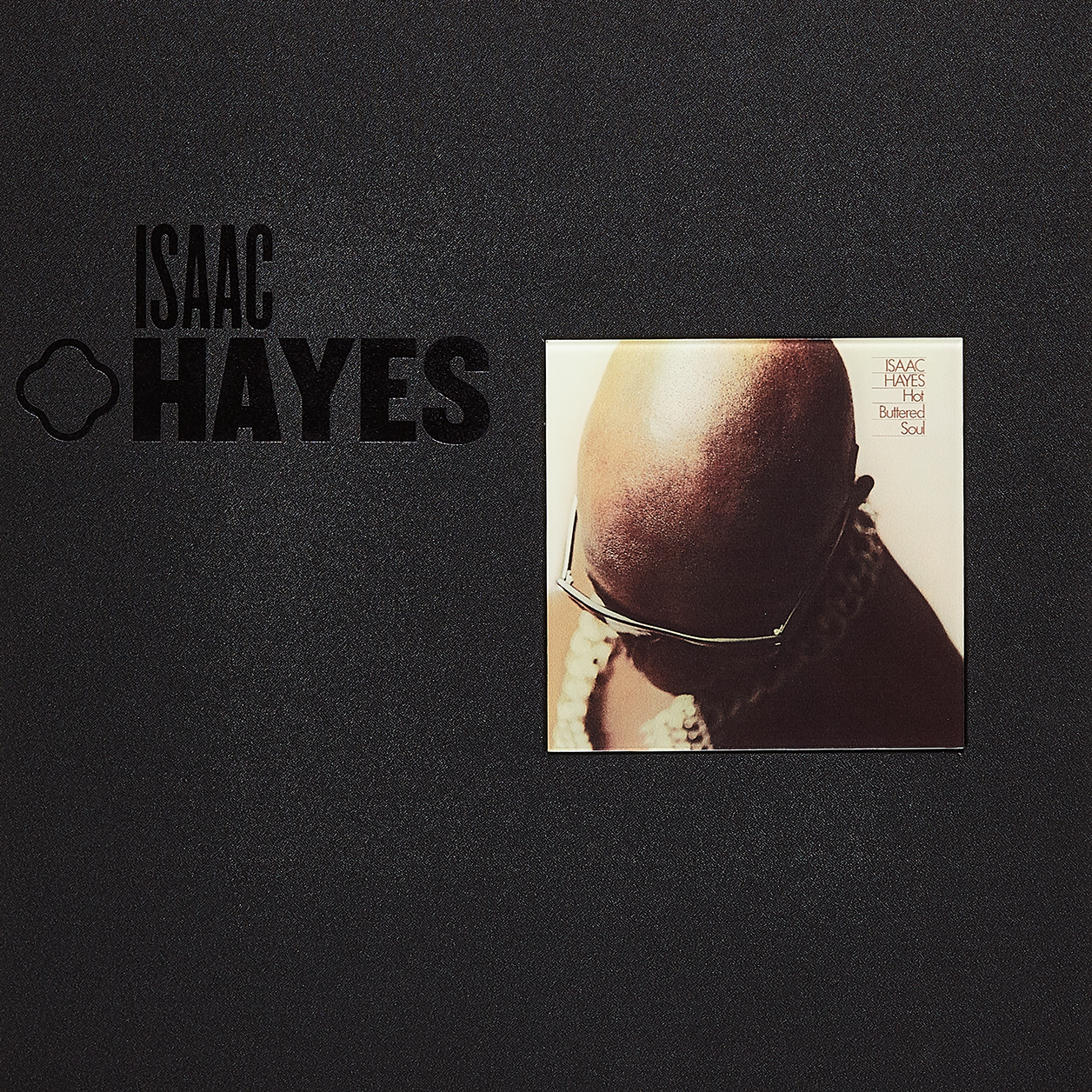
 Given how Hot Buttered Soul has consistently pulled in new listeners across a span of generations since its smash hit release, it can be easy to misplace the record’s reality as a groundbreaker. Featuring two songs on each side, the LP did something almost unheard of, hitting the marketplace without any accompanying singles; radio edits of “Walk on By” and “By the Time I Get to Phoenix” were subsequently issued (and charted) after the record’s unexpected success.