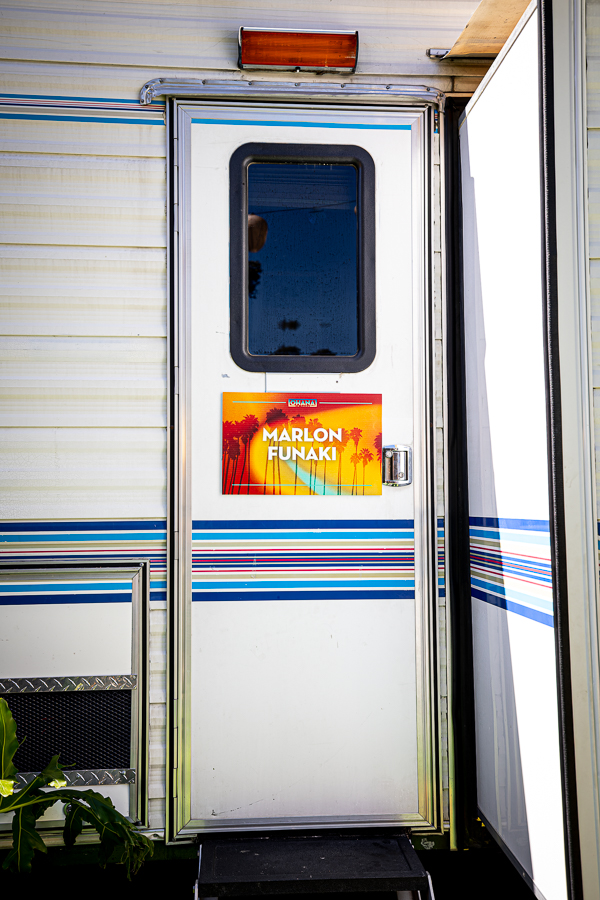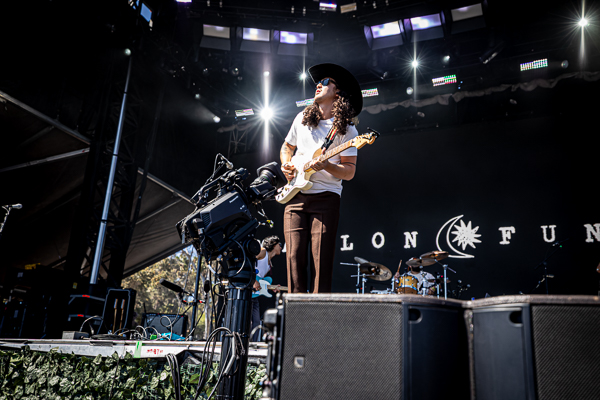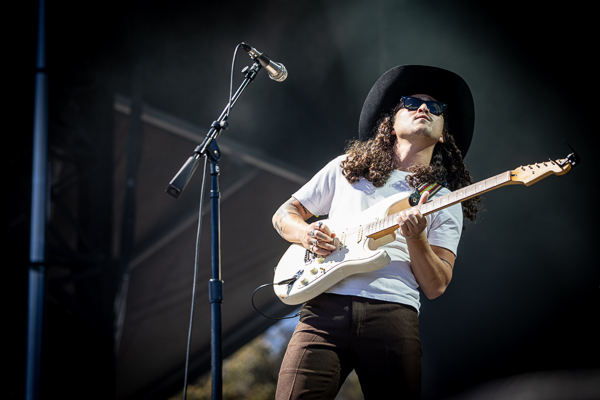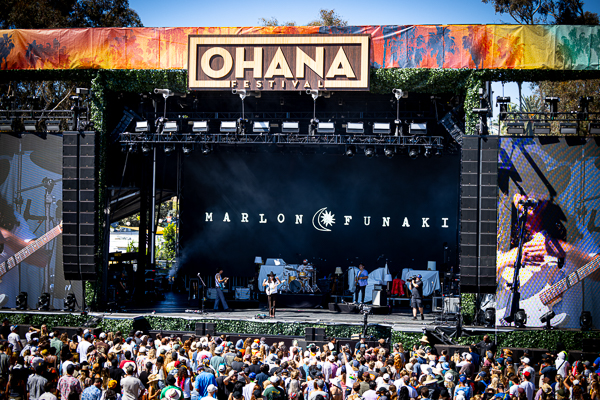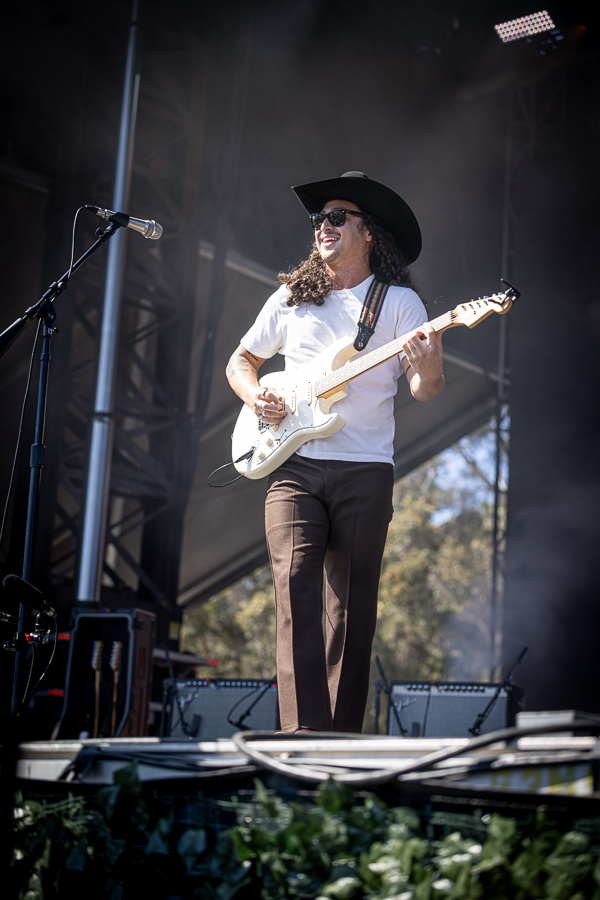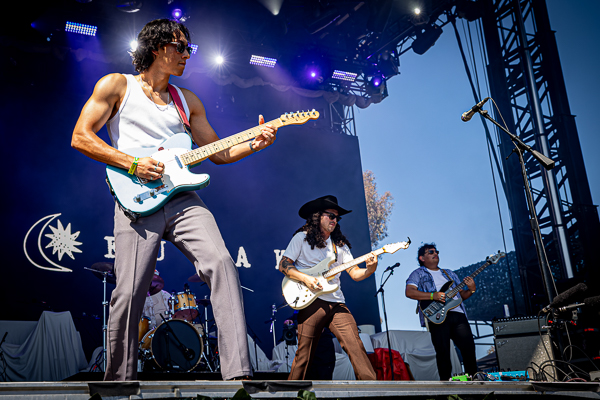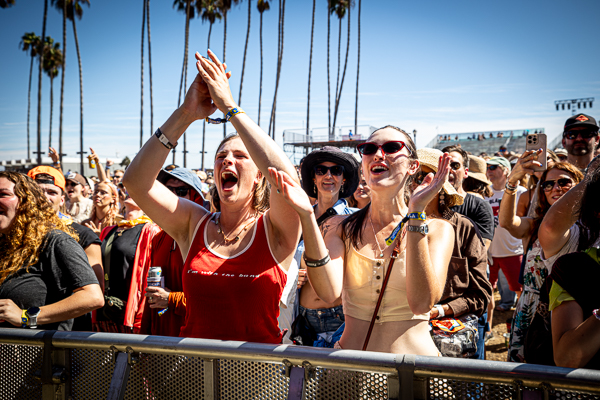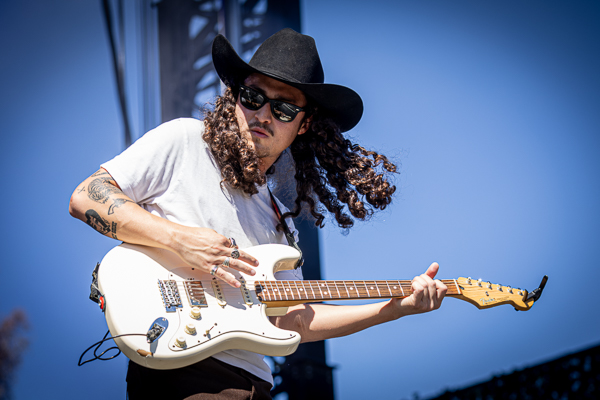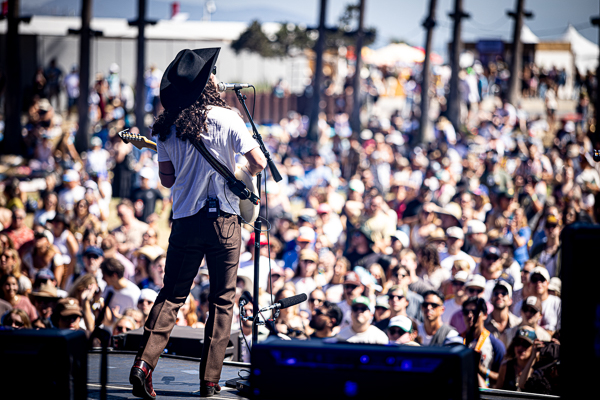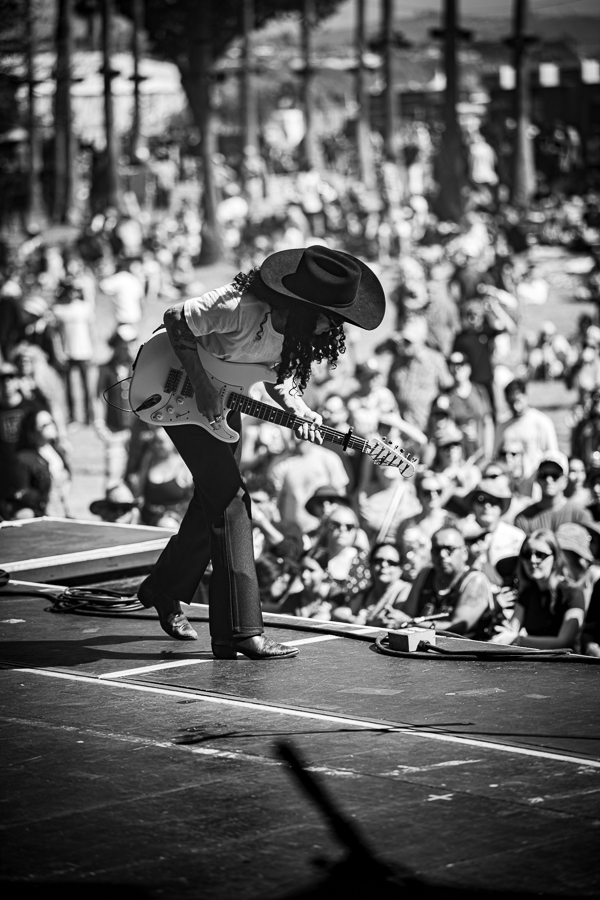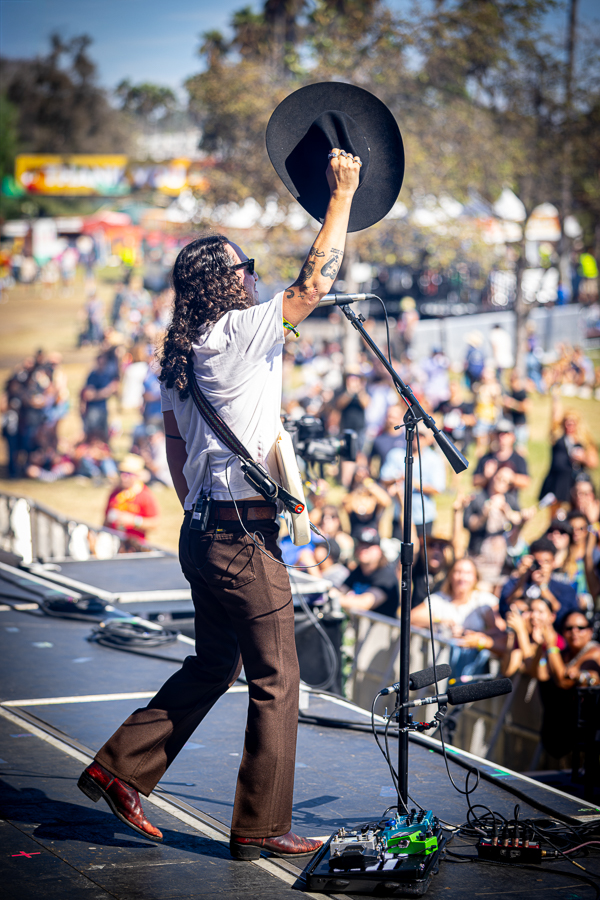

DANA POINT, CA | Minutes before his set, the sand in front of the Ohana Stage was nearly empty. A few scattered bodies, a lot of open beach, and a sun that had decided to make a point. No shade. No cover. Nowhere to hide. Then Marlon Funaki walked out, and the beach filled in around him like the tide coming in. Six songs later, people were singing every word back at him, smiling ear to ear, and more than a few were wiping their eyes. And the best thing I saw all day hadn’t even happened yet.
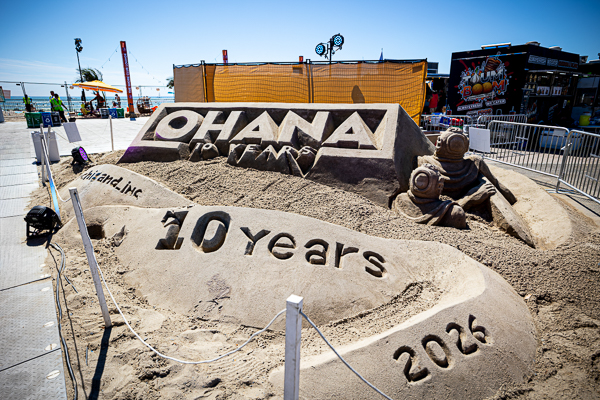
Ohana Festival celebrated its tenth anniversary this year, and Eddie Vedder’s beach party at Doheny State Beach has grown into one of the great weekends on the Southern California calendar. Day 2 handed the evening to Tyler Childers, Alabama Shakes, and Jon Batiste, with Pearl Jam waiting in the wings for Sunday: big names, big crowds, big day. But the name I had circled on my schedule sat in the early afternoon, just after two o’clock, on the Ohana Stage.
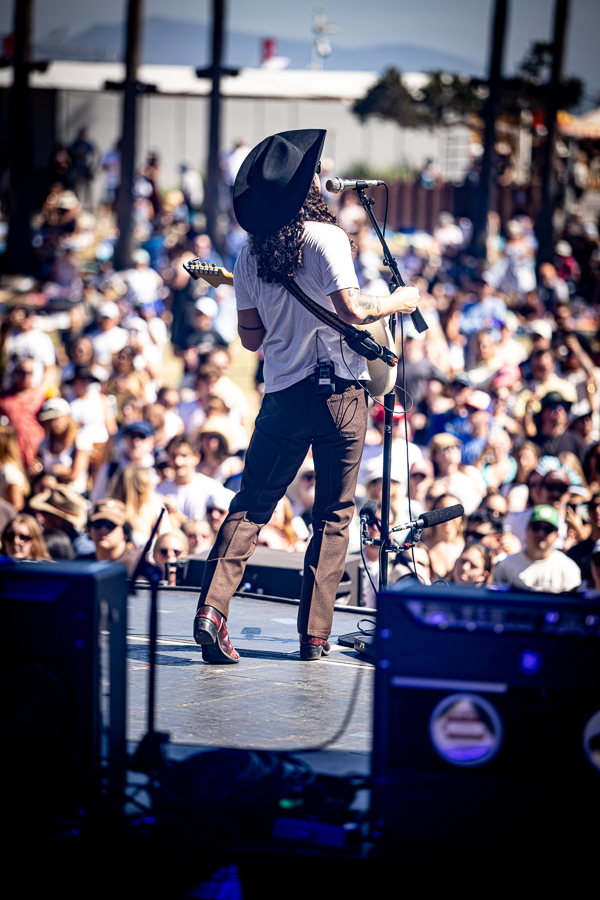
If you haven’t caught up with Marlon Funaki yet, you’re running out of time to say you knew him early. He grew up in Redlands, about forty miles east of Los Angeles, busking on the downtown streets, working at the local Guitar Center, and building his own studio at home. His sound pulls from all over: the grit of alternative rock, washes of psychedelic color, and guitar playing that leans toward jazz.
His Japanese and Mexican American heritage runs through the songwriting, giving it a perspective that is both wide-open and deeply personal. This year brought the “Half Moon” EP on Warner Records and a summer run through Lollapalooza and Outside Lands, with Austin City Limits up next. That is what a rise looks like on paper. On Saturday, I got to see what it looks like in person.
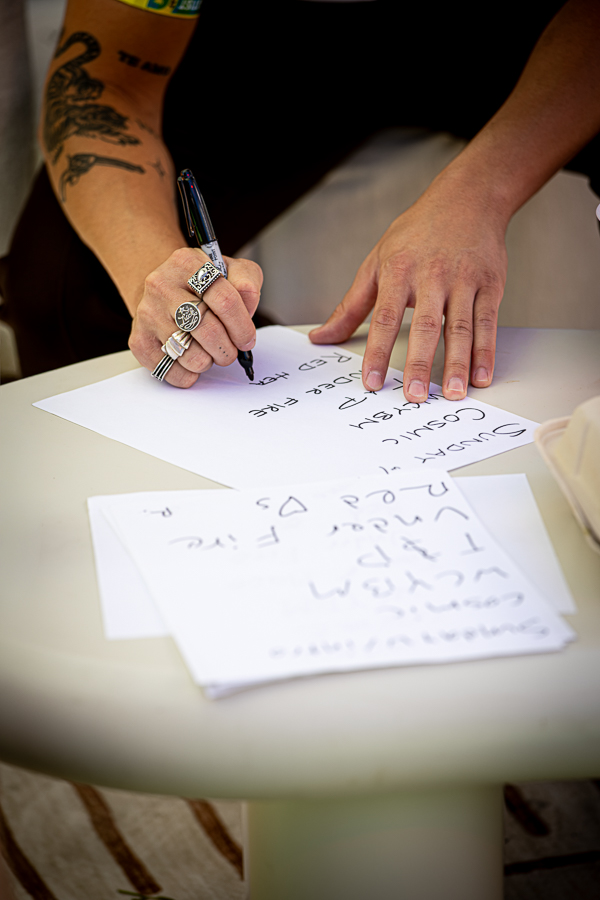
He opened with “When Sunday Comes Around,” and the effect was immediate. People who had been drifting along the walkways stopped, turned, and came down to the stage. By the time the band rolled into “Cosmic Departure,” the beach was full. “Why Can’t You Be Mine” followed, and here is the thing that got me: the crowd knew every word. Not the chorus. Every word. At a two o’clock festival slot, in that heat, with no relief in sight, a crowd singing along line for line across an entire set tells you everything you need to know about how deep this music has already gone.
My two favorites came back-to-back. “Time and Place,” the song that closes “Half Moon,” showed off exactly what makes Funaki different. His writing is patient. He lets a song breathe, trusts the groove, and lets that jazz-tinged guitar do the talking. Then came “Under Fire,” the single that broke him open for so many listeners, and the crowd gave it right back to him. Looking around, all I saw were smiles. Some of those smiles had tears running past them.
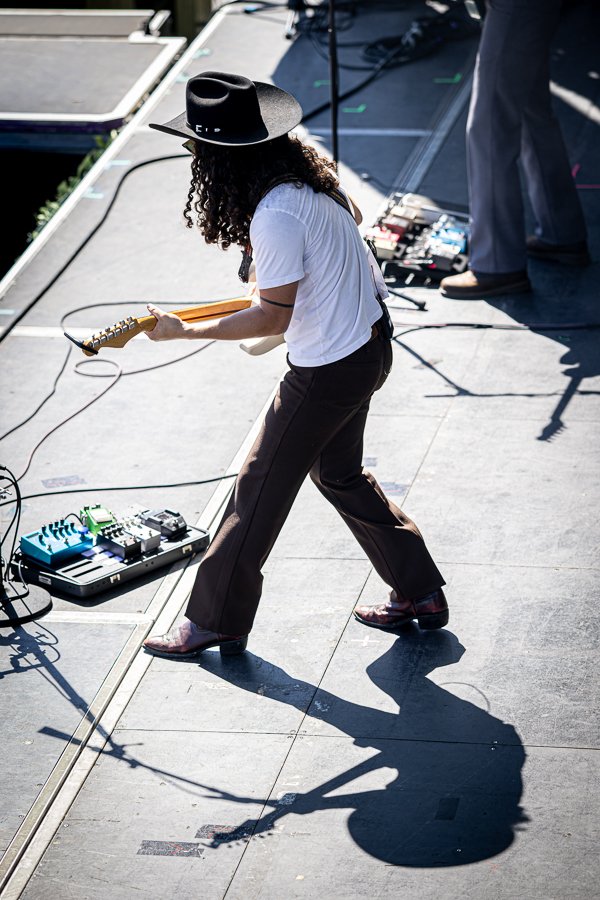
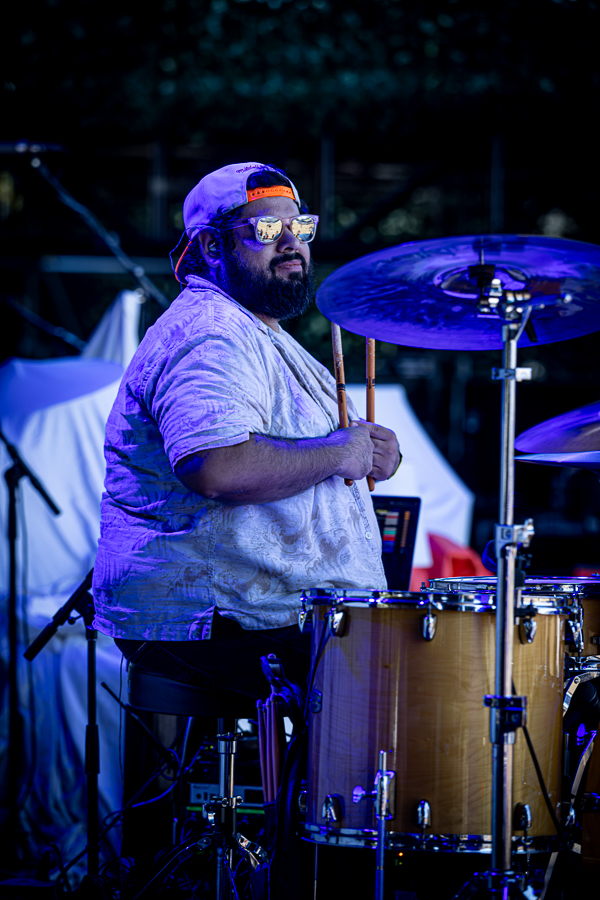
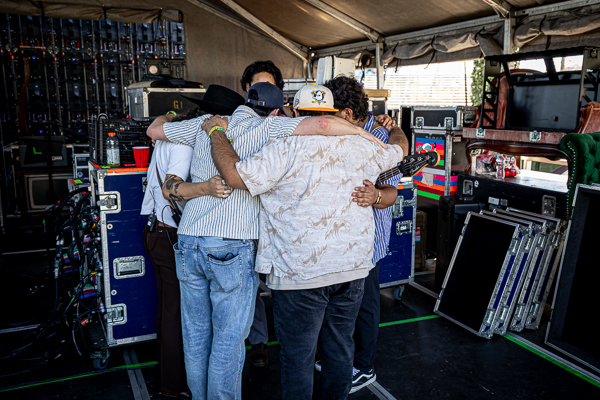
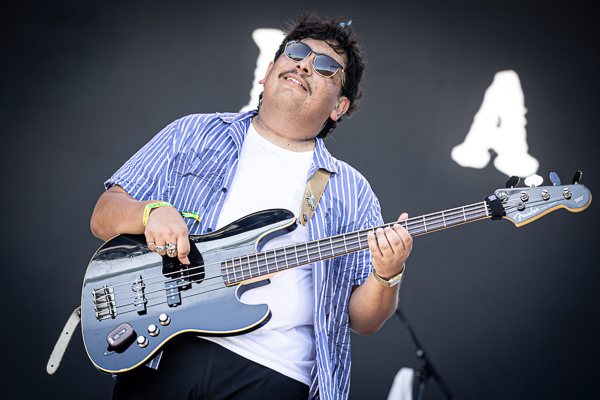
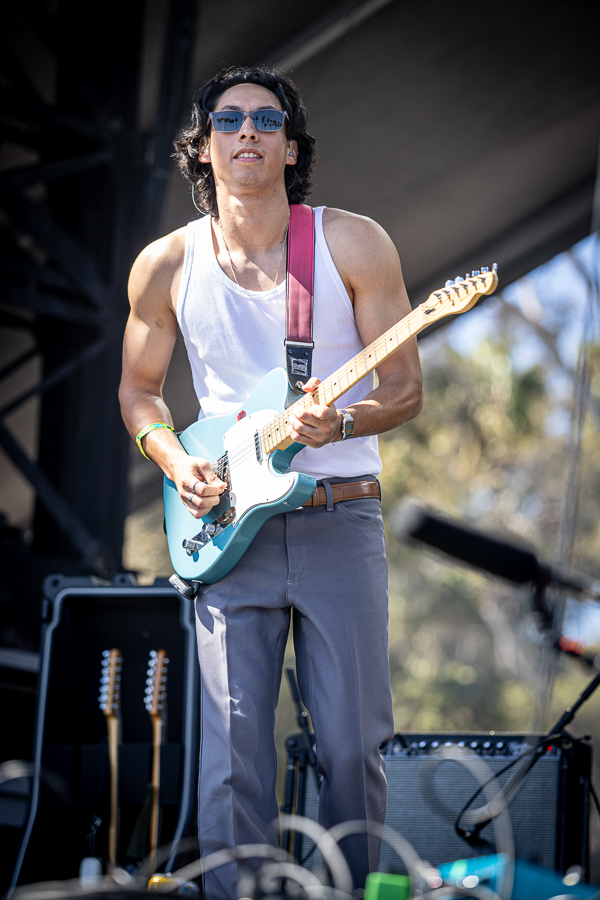
Funaki doesn’t do this alone, and he’d be the first to tell you so. His band is outstanding. Jonathan Gaytan on bass, Jared Costa on guitar and background vocals, and Reggie Ordoñez on drums—each had room to show exactly who they are as players. These are distinct musicians with distinct voices, and on a stage that size, every one of them stood tall. This is a band of friends that came up together, from house parties to warehouse shows to festival stages, and you can hear that history in how they lock in with each other.
What sets Funaki apart, though, is presence. He has the rare ability to make a beach full of strangers feel like he is talking to each one of them. He connected with fans throughout the set, not with big speeches or rock-star posturing, but with a warmth and ease that felt completely genuine. He closed with “Red Hearts,” and it felt less like the end of a set than the end of a conversation nobody wanted to finish.
Then came the part of the day I will remember long after the setlist fades.
Marlon had invited two young fans to Ohana as his personal guests. The boys and their family had recently been through a devastating loss, the kind nobody should have to carry, let alone kids. It was their first concert ever. After the show, on what had to be one of the busiest days of his year, Marlon found them. He spent real time with the two of them, one-on-one, talking, taking pictures, and offering comfort and a little light during a very dark stretch. No cameras for the press, no audience to play to. Just a musician showing up for two young men who needed it. It showed, in spades, exactly who Marlon Funaki is. And it gave two boys their first concert that they will never forget.
I believe we witnessed the start of Marlon Funaki’s rise to stardom on that stage. He has all the tools to make it big: incredible songwriting, a commanding stage presence, and, most importantly, a humility that very few artists carry these days. The songs got the beach full. The person behind them is what will keep it that way.