The late 1980s were not very kind to many music lovers. With the iconic music of the 1960s and 1970s long in the rearview mirror and the fast-food, video-age pop of the ’80s waning, those who would not embrace grunge and rap in the 1990s were at a loss for excitement about new sounds, or even the future of pop.
One album that came out in this period that harked back to the magic of the ’60s and ’70s, but was as cutting-edge and youthfully joyful as anything in music at the time, was Fisherman’s Blues, released in 1988 by The Waterboys. Though the album was not a mainstream pop hit, its highest album sales ranking was more than respectable, and it appeared on many year-end best-of lists.
Despite being an album from the UK in the tradition of Van Morrison, U2, and contemporaries such as Hothouse Flowers and The Pogues, it foreshadowed the Americana roots sound just emerging in many instances. The album was the group’s fourth and a dazzling mix of current and traditional roots styles that stood out amid the clunky drum machines and synthesizers of the time, much like Music From Big Pink by The Band stood out in the waning days of psychedelia in 1968.
It was also the group’s first album after the two they released that included Karl Wallinger, who went on to form World Party. Interestingly, the album included a song called “World Party,” co-written by Wallinger. The Waterboys have continued, with only the group’s leader, Mike Scott, as a constant. He has also recorded two solo albums.
Celebrating Kenney Jones on his 78th birthday. —Ed.
Small Faces stand as one of the very finest groups of the 1960s. However, many know them mainly for Ogden’s Nut Gone Flake, their most ambitious and final album before Steve Marriott’s departure effectively ended their diminutive phase. The scoop is that all of the Small Faces’ ‘60s records are worthy of ownership, even the mercantile odds-and-ends collection From the Beginning. That disc and its self-titled predecessor are currently available as 180 g LPs. Are they cut to lacquer from the original quarter-inch production masters with front-laminated sleeves? Why yes indeed.
One gauge of the true greats is that the music improves, or at least maintains a high standard of quality, as the discs take their place in the racks. So it is with the Small Faces. With that said, the Decca period offers distinct and enduring appeal; more so than The Who, the Small Faces circa ’65-’66 are the true ambassadors of Mod. Utterly Brit in orientation, it wasn’t until the fourth LP that the group entered the US market.
The Small Faces consisted of Steve Marriott on vocals, guitar, and harmonica; Ronnie Lane on bass; Kenney Jones on drums and percussion; and, initially, Jimmy Winston on keyboards. Upon signing to Decca through the efforts of manager Don Arden, they released two singles in ’65. The first “What’cha Gonna Do about It” charted, hitting #14, while the second “I’ve Got Mine” didn’t. Shortly thereafter, Winston was replaced by Ian McLagan, the new keyboardist, assisting 3rd 45 “Sha-La-La-La-Lee” in reaching the #3 spot. A full-length followed a few months later.
Colorado Springs, CO | Downtown Colorado Springs sees new businesses open as others leave and close: Easy’s Record Store opens on Tejon Street. Several new business storefronts have been announced by the Downtown Partnership in Colorado Springs, alongside the closure or relocation of other businesses in the area. Several popular businesses in Colorado Springs closed, including Jax Fish House and Oskar Blues, signaling a transition for downtown. At the same time, a variety of shops opened in the area, including Easy’s Record Store, which held its launch event Thursday. …“Ryan and I both grew up in record stores and vintage shops, and in the ’90s you kind of hung out there too, and so I think that’s really where our mindset is for this space, is like a place that you can come poke around…”
Miami, FL | Beatles for sale! Miami record shop selling rare record for $5K: The cover, depicting the band covered in raw meat and decapitated baby dolls, shocked audiences upon release in 1966. For Beatles fans, it’s the stuff of legend: a rare 1966 album cover depicting John Lennon, Paul McCartney, George Harrison, and Ringo Starr, still mop-topped but well into their psychedelic era, covered in bloody, raw meat and decapitated baby dolls. No, you’re not tripping on acid-laced tea. This really happened. Known as the “butcher cover,” this edition of the band’s “Yesterday and Today” album elicited shock—and confusion—from fans upon release. Only 750,000 copies were printed before Capitol Records recalled the album, replaced the cover, and plastered over existing copies with a more innocuous image of the band standing around a travel trunk, McCartney sitting inside.
Stillwater, OK | Nine bands, one stage, seven Months: ‘The Showcase’ debuts: Velvet Fudge opened its doors in February 2026. Since then, it has seen vinyls come and go from bins and shelves as customers search for what to add to their collection next. But what’s really special about Velvet Fudge, and what makes it more than just a hole-in-the-wall record shop on Lewis Street, is the venue space. Connected to the record shop is an unassuming concrete room. Bobby Wintle, who owned the space when it was ‘The Bait Shop,’ referred to it as a “DIY punk venue.” The Showcase occurred on March 27. It featured nine bands, all of which were performing on the same evening and stage. It was a come-and-go show, lasting from approximately 4 p.m. to 11 p.m., and is Velvet Fudge’s largest event to date.
Utsunomiya City, JP | Snokey Record in Japan’s Utsunomiya City Offers Vinyl That Is Meant to Be Part of People’s Lives Through Music: Located on the second floor of a small building right next to Orion-dori street, the bustling downtown area in the city of Utsunomiya, Snokey Record is meant to be a part of people’s lives through music. Rock, jazz, Latin music—the shop’s shelves are packed with a variety of different records, mostly Western music, including many obscure titles. The owner, Masaaki Takezawa, 55, sources the inventory himself, and the collection numbers roughly 10,000 albums. As Takezawa drops the needle onto a record from behind the counter, the enthusiastic vocals of American soul singer Phil Flowers filled the room. It was a cover of Bob Dylan’s “Like a Rolling Stone.” The sound was pleasing to the ear, and you would find yourself naturally drawn in.
VIA PRESS RELEASE | Waxwork Records releases the Teenage Sex and Death at Camp Miasma Original Score performed by Alex G. The film marks third collaboration with director Jane Schoenbrun, with Alex G having previously scored 2022’s We’re All Going to the World’s Fair and 2024’s I Saw the TV Glow.
This is separate release from the Original Motion Picture Soundtrack previously released in August, which featured Alex G’s collaboration with Paul Buchanan (The Blue Nile) and the licensed needle drops from the film. The film’s music has already seen coverage from the likes of Pitchfork, Stereogum, The Fader, Paste, Spin, Dread Central,Phantasmag, amongst others.
Alex G’s full score is the backbone for director Schoenbrun’s latest and much-talked about film, with his music deftly navigating between the delicate and the prismatic. It is available via blizzard-colored (white with blue haze) vinyl from Waxwork Records.
Visionary director Jane Schoenbrun (I Saw the TV Glow) presents a new kind of horror remake in Teenage Sex and Death at Camp Miasma. Bursting with imagination and surreal wit, their latest genre-bending wonder affirms there’s no such thing as a guilty pleasure.
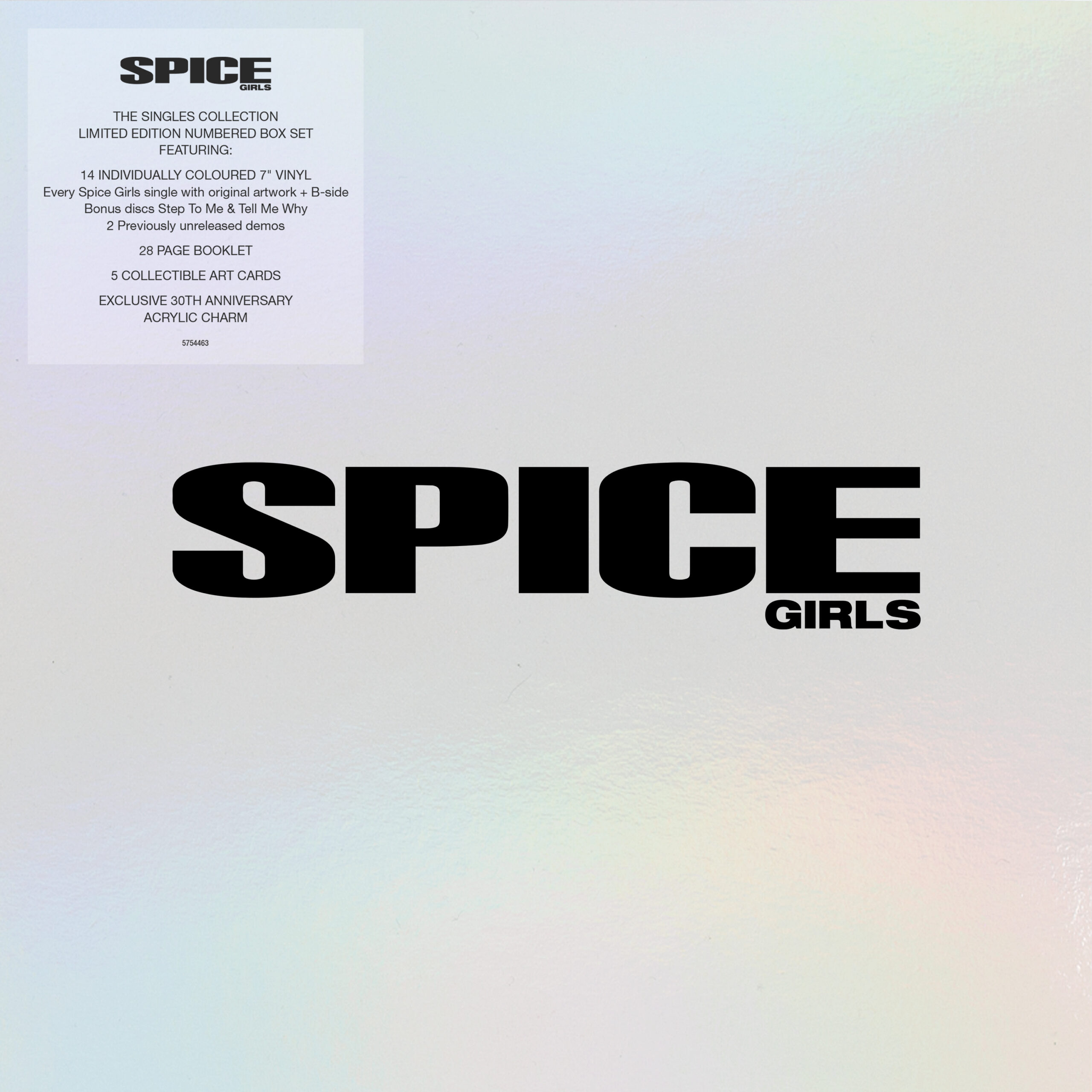
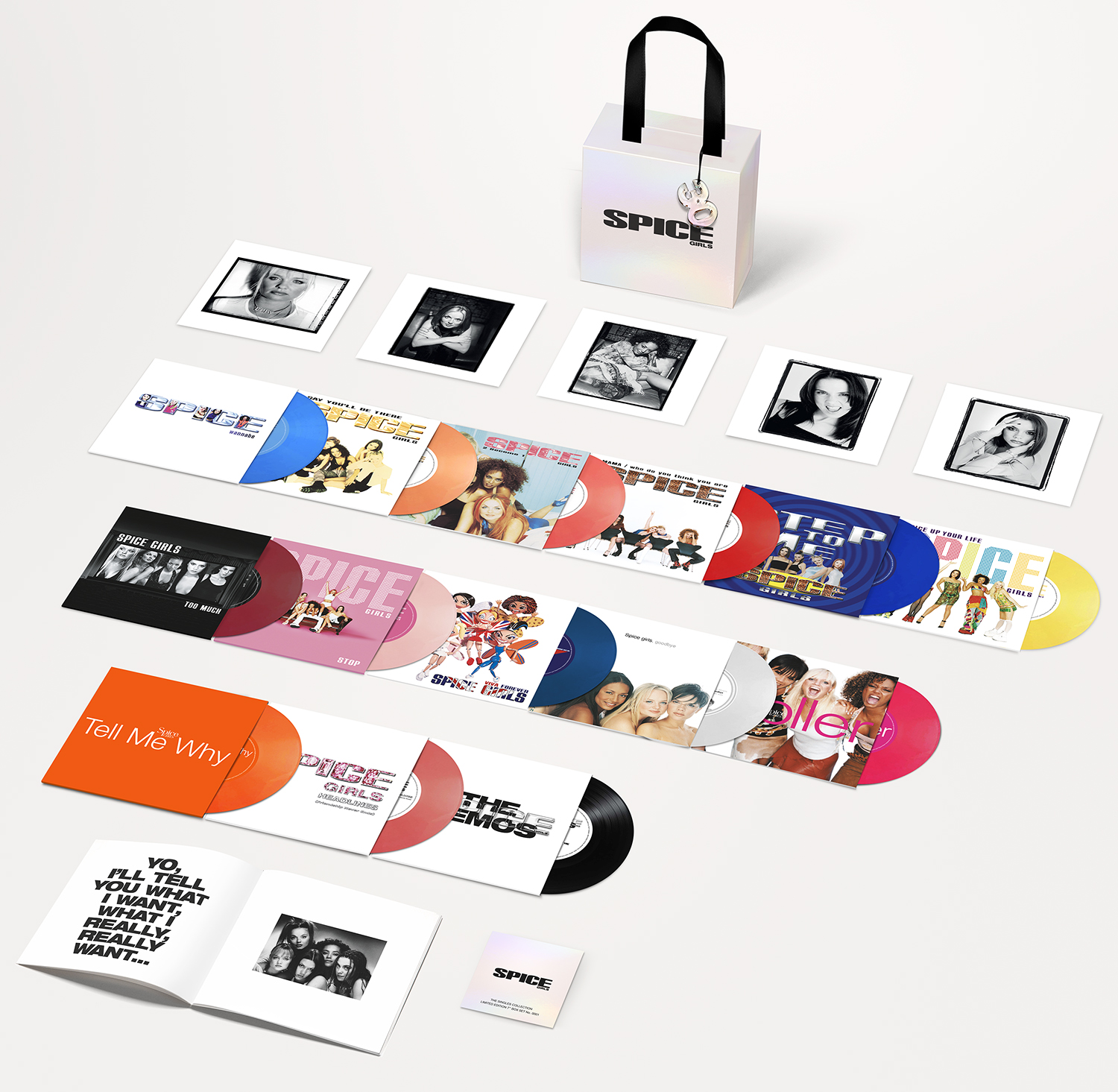
VIA PRESS RELEASE | To celebrate the 30th anniversary of debut album Spice, The Spice Girls’ are releasing The Singles Collection—the first-ever complete collection of all the group’s singles, including B-sides and previously unreleased recordings.
With five brand new messages from each of the Spice Girls, The Singles Collection is a must have for music fans and is available as two limited-edition 14-disc box sets, the collection will be released on 7” color vinyl and CD on November 6, 2026. Pre-order here.
2026 marks 30 years since the release of the band’s debut album, Spice, which became one of the best-selling albums of all time. The Spice Girls exploded into the charts in 1996, reaching #1 in 37 countries and launching a cultural “Girl Power” movement that inspired millions.
From “Wannabe” to “Holler,” “Spice Up Your Life” to “Goodbye,” The Singles Collection brings together the singles, original artwork, B-sides, and previously unreleased recordings from the Spice Girls’ archive in a handbag-inspired box, finished in white holographic gloss and matte black foil.
Both editions feature previously unreleased recordings from the Spice Girls archive, including “Do You Think About Me,” one of the group’s earliest demos, now available for the first time. The CD edition goes even deeper, with an exclusive disc featuring four previously unreleased demos.
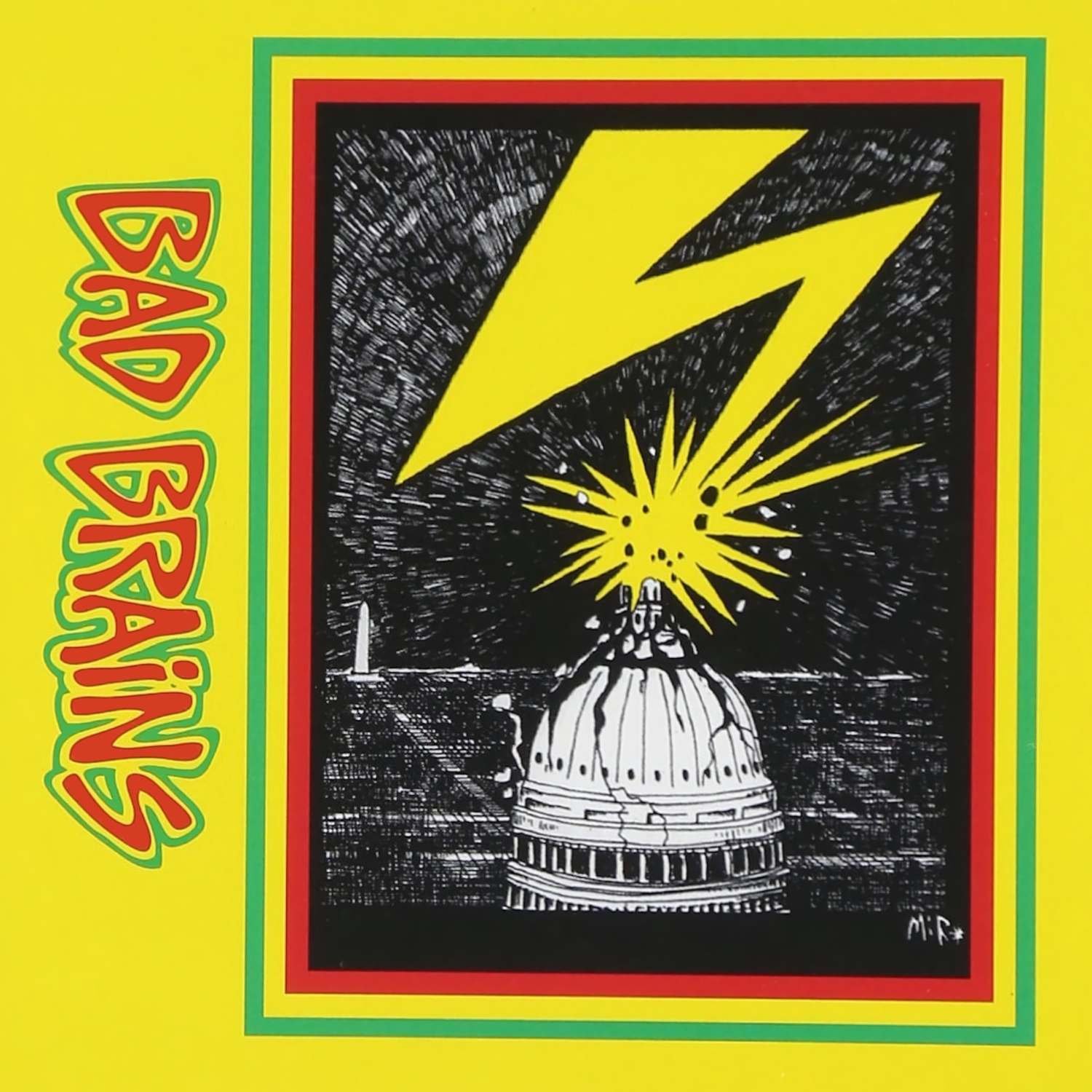
It’s a small paradox that four black men (not kids) who began their musical career in a Washington, DC jazz fusion band called Mind Power, and who were in the thrall of a second-rate self-help book called Think and Grow Rich by some fraud and grifter named Napoleon Hill, and who by the time they put out their first album (a cassette actually) were already engaged in an internecine struggle over whether they should become a reggae band, should have become one of the two founding fathers of hardcore, along with LA’s Black Flag. But nothing in this world makes sense—chickens have wings, but the only thing they’re good for is eating.
Like Black Flag, Bad Brains changed everything. They took punk rock and sped it up, setting land speed records that wouldn’t even be broken by Hüsker Dü’s 1982 Bonneville Salt Flats fast live album, Land Speed Record.
And because they’d honed their chops playing jazz fusion and had it together in a way that flew in the face of punk rock’s “play live three days before you’ve picked up your instruments” aesthetic, and even though their “Positive Mental Attitude” shtick flew in the face of punk negativism and hostility, they mesmerized everyone who saw them play live because they played aggressive music at approximately 9,000 mph. At the same time, vocalist H.R. (aka Paul Hudson) hurled himself about the stage while speed-rapping in an eerie nasal bark/wail that made you think the guy was crazy, which in the end wasn’t far from the truth.
With a voice that can move effortlessly between intimate vulnerability and full-bodied soul, London-based Hope Winter is an artist who has spent the last few years quietly carving out her own space in the UK’s singer-songwriter scene.
Her latest single, “If You Ever Loved Me,” further showcases her as an artist increasingly comfortable in her own sound. There’s an unmistakable sense of soul running through Winter’s music, with influences ranging from Aretha Franklin and Amy Winehouse to Joni Mitchell, D’Angelo, and Joy Crookes. But rather than simply recreating those influences, she’s developed a sound that sits somewhere between classic soul, contemporary R&B, pop, and jazz, led throughout by a remarkably assured vocal.
Winter has previously spoken about songwriting as a form of therapy, transforming difficult personal experiences into songs that feel deeply personal without ever becoming overly sentimental. That emotional honesty remains one of her biggest strengths; even at her most polished, there’s a human quality at the heart of her music.
With a growing catalogue, a voice that demands attention, and an increasingly assured sense of artistic identity, Hope Winter feels like an artist entering an exciting new chapter. If her latest releases are anything to go by, there’s plenty more to come.
Remembering Julian “Cannonball” Adderley, born on this date in 1928. —Ed.
Blue Note Records celebrated 75 years of existence by giving numerous key titles from their incomparable catalog high-quality vinyl reissues, and it’s fitting that we began our tribute to the label’s longevity with a look at one of their very finest releases, the great alto saxophonist Julian Cannonball Adderley’s 1958 masterwork Somethin’ Else.
The LPs from Blue Note’s classic era are aptly described as an embarrassment of riches. Along with loads of amazing music, there is, of course, the surrounding context, and engaging with the fruits of the imprint’s labors offers a truly enlightening historical narrative. Naturally, it’s only part of jazz’s larger story. Still, it’s also a highly valuable component, since Blue Note is an example in which respect for the music trumped purely capitalist desire.
That respect extended to the amount of studio time given to the musicians. Still, it also concerned other vital aspects of record production, from the use of engineer Rudy Van Gelder to the company’s justly celebrated graphic design. Blue Note didn’t have the market cornered on either the Van Gelder touch or the manufacture of handsome album jackets, for it was a fantastic era in both fidelity and sharply conceived presentation. Still, throughout the salad days of Modern Jazz (and for a good while afterward), the label was at the forefront.
Franklin, TN | New Kendal record shop opens with business already booming: A new record shop has opened in the centre of Kendal and business has been booming. More than a decade ago, sisters Calvert Gentry McMahan and Brenna Gentry set out to bring vinyl back to Franklin, opening Luna Record Shop together. The fourth-generation Franklin natives, who had spent more than 15 years working in retail, had long dreamed of running a record store of their own, turning their shared love of music shopping into a business. Now, the sisters are expanding with a second Luna Record Shop location at Nashville Yards in Nashville, reports the Nashville Business Journal. The new space is expected to be twice the size of their current Franklin store, with an opening targeted for late 2026.
Sale, UK | From the ashes of a legend, the cosy Sale record shop keeping the spirit of a vinyl haven alive: When the decision to close Tasty Records in Altrincham was made earlier this year, music fans were devastated. At the time of its closure, owner Ben Molesworth said the store deserved ‘more than’ he could give after eight years. And upon announcing the decision to shut down, he also offered out the store’s remaining stock for sale, which spanned across genres from rock to reggaeton. It was former Tasty manager Jess Campbell who took on the treasure trove of hundreds of 7″ singles and 12″ albums. For Jess and her partner Billy Goodwin, the purchase accelerated their dreams of opening their own store together—which became a reality last week.
Corona, CA | DBZ Books ‘N’ Records builds community one vinyl at a time: When Dilver Lizama, owner of DBZ Books ‘N’ Records, toured a second location for his business, he knew right away that a unit in The Union in Downtown Pomona, now open to the community, was the perfect place for them. Although they weren’t originally looking for a second location at the time, Lizama said they had to jump at the opportunity. According to Lizama, DBZ first opened as a bookstore and over time integrated music and vinyls after the Corona community suggested that’s what they wanted to see more of. Only after making that transition did the store change its name to DBZ Books ‘N’ Records.
Doral, FL | Miami record shop Crazy Vinyl Record launches its own label: The Doral vinyl shop just pressed a limited 7-inch single from South Florida reggae-dub band RasPunk under its new imprint. Miami’s local vinyl industry shows no signs of slowing down, with not only new record stores opening across the Magic City, but some also expanding their businesses and launching labels. At least that’s the case with Crazy Vinyl Record. Founded by Marcos Mirabal, Crazy Vinyl Record opened in January, offering new and used vinyl, with a selection leaning into soul, funk, jazz, Latin, salsa, disco, hip-hop, and rare grooves, plus a healthy dose of classic rock and contemporary releases. “…This release means a lot to Crazy Vinyl Record because it represents what we always want to offer our customers and community: supporting independent artists, bringing people together, and turning music into a physical experience that people can keep forever…”
Post-punk legends Public Image Ltd (aka PiL) have recently taken to the road on a massive North American tour, including a stop at San Francisco’s historic Fillmore on a balmy Saturday that left few excuses to catch “This Is Not The Last Tour” live.
The mostly middle-aged crowd trickled in slowly, skipping the merch table in favor of the bar, the volume from the gathered crowd gradually rising in proportion to the amount of alcohol poured. Those who were lucky and wise enough to get there in time for the opening act were treated to a riveting set by SoCal’s Plague Vendor.
No stranger to the punk rock tour circuit, Plague Vendor landed the plum opening slot on this massive tour and hit the stage like a ton of bricks, ready to win over an untapped audience. What San Francisco got was a renewed Plague Vendor than they may have seen previously, rejuvenated by the addition of Henri Cash (Starcrawler) on guitar, who did more than his share to contribute to the boot-scootin’ and absolute mayhem on stage.
Admittedly, the older crowd wasn’t quite up for the action that frontman Brandon Blaine was egging for, failing to be goaded out of the balcony or into a circle pit when he hopped into the crowd. Nevertheless, Plague Vendor no doubt made a lasting impression, if not with their searing riffs and swagger, then at least for cramming as many notes as possible into their brief 30-minute James Brown meets Iggy Pop set.
VIA PRESS RELEASE | Hallelujah! Melodic rock true believers Enuff Z’nuff bring their peace and love gospel to the masses at Hollywood’s historic Whisky-A-Go-Go with this breathtaking live performance!
Featuring highlights from the band’s massive catalog of divine hits, as well as a clutch of incredible cover versions, Live At The Whisky a Go Go is more than a simple live album. Recorded live on December 29 2025, it’s also an opportunity to wholly immerse yourself in the holy, hard rockin’ vibes of one of the most inspired groups around—and one that is still preaching the gospel of good times, good music, and good-hearted fun!
The celebrations kick off today with the release of one of the most glorious cuts on the entire album, a truly Enuff Z’nuffed-out cover of The Beatles’ “Magical Mystery Tour,” a Paul McCartney composition that also titled the Fab Four’s 1967 TV movie.
And there’s more Macca later in the set, as Enuff Z’Nuff drive into “Eleanor Rigby,” “Jet,” and a deceptively rearranged “Live and Let Die,” monster hits that are joined by a thrilling exploration of the band’s own smash-packed catalog.
Celebrating Mike Cooley on his 60th birthday. —Ed.
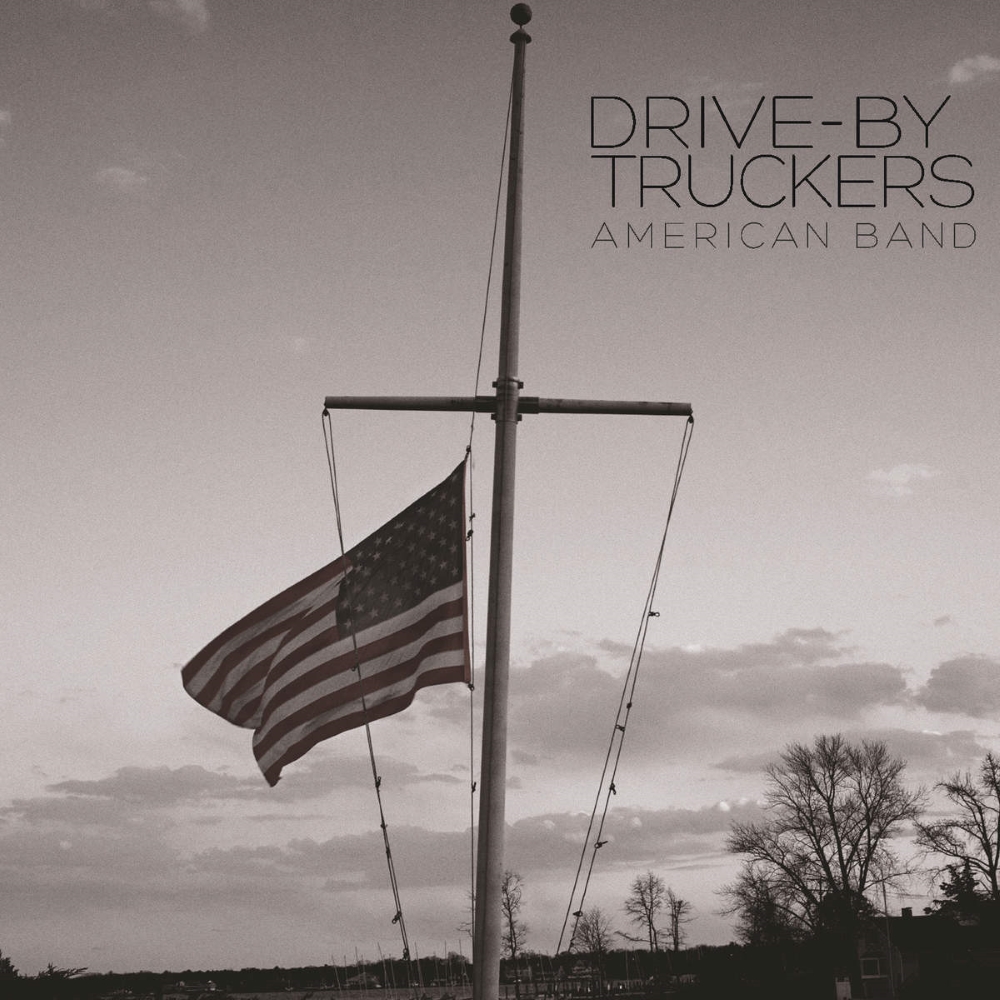
Hot damn, I loves me some Drive-By Truckers. Anybody who’s ever seen ‘em knows they put on a kick-ass live show, and anybody who’s ever heard 2001’s Southern Rock Opera knows that it’s one of the most ambitious and brilliant concept albums ever recorded, period. And it includes one of the best love songs ever written to rock’n’roll, “Let There Be Rock,” which covers all the bases from Molly Hatchet to Bon Scott to Lynyrd Skynyrd and “The Boys Are Back in Town,” to say nothing of freaking out on acid at a Blue Oyster Cult concert, an event that I include on my own rock’n’roll resume.
Since then, they’ve continued to release strong album after strong album, despite personnel changes, including the defections of both the multi-talented Jason Isbell and Shonna Tucker, she of the amazing voice. And have I mentioned they have impeccable taste in covers? Bob Dylan, Tom Petty, Kiss, Tom T. Hall—why, they even cover Warren Zevon’s fiery “Play It All Night Long” and beat him, no sweat, piss, jizz, or blood about it, at his own game.
Drive-By Truckers have always written smart songs, and many of them have been protest songs, on everything from the ruthless machinations of rapacious corporations to the murders of those four little black girls in the 16th Street Baptist Church bombing by the KKK in 1963 to the still very much alive specter of hate-monger George Wallace. Still, on their newly released LP American Band, they go all out, tackling such hot–button issues as police shootings of young black men, school massacres, and gun control in general.
VIA PRESS RELEASE | Lucy Dacus has announced the re-issue of her debut album No Burden in celebration of the album’s 10th anniversary.
Along with today’s news comes a previously unreleased song from the era, fan-favorite “No Thank You, I Love You, Goodbye.” The song was originally written during the No Burden era. Lucy has performed it live on several occasions over the years. This first official release has been recorded with fellow Richmond-native collaborators Adrian Olsen and Lucy’s guitarist Alan Good Parker.
Throughout the summer, Dacus headlined shows in Mass MoCa, Asbury Park and more, as part of her largest tour to date, while also stopping along festivals such as Newport Folk Festival, Outside Lands and Bumbershoot, and performing her first ever symphony show with the Chicago Philharmonic (at Millennium Park).
The tour concludes with one final symphony performance with the Hollywood Bowl Orchestra (at the Hollywood Bowl with Cat Power performing The Greatest) on September 13. It will feature never-before-heard orchestral arrangements of Dacus’ songs from her latest album Forever Is A Feeling and throughout her critically-acclaimed discography arranged by Phoenix Rousiamani, composer and member of Lucy’s band.
Remembering Steve Gaines, born on this day in 1949. —Ed.
Released just three days before Lynyrd Skynyrd’s problem-plagued Convair 240 plowed into the trees of a Mississippi forest and buried itself in a swamp some sixty miles short of their destination in Baton Rouge on October 20, 1977, Street Survivors instantly became notorious due to its macabre-in-light-of-subsequent-events cover, which had the band engulfed in flames on a city street.
There were no flames at the crash site—the band’s seemingly cursed plane ran out of fuel, which is why it ended up busted into pieces in the mud outside tiny Gillsburg, Mississippi, in the first place—but it didn’t matter. The flames were foreshadowing, as was Van Zant’s “morbid” (his word) “That Smell,” the eeriest song about death ever written by the band’s death-obsessed frontman and de facto dictator, who died in that Mississippi swamp along with guitarist Steve Gaines, Steve’s sister and backing vocalist Cassie, and several others.
I remember hearing the news of that plane crash, and I remember feeling real sorrow, because Lynyrd Skynyrd was a great band, one of the best rock and roll bands America ever produced, and one minute they were there and the next, finis. Go ahead, call me crazy, but if it were up to me, America would declare October 20 National Lynyrd Skynyrd Plane Crash Remembrance Day, and you wouldn’t have to go to work, and even if you don’t give a shit about Lynyrd Skynyrd and can’t even spell their name, wouldn’t that be great?
Philadelphia, PA | The Great Analog Rebellion: We’ve “optimized” our lives to death. Can we please reclaim some joy already? …I’m no Luddite. I bless Silicon Valley every time Google Maps offers an escape route from traffic hell, the pharmacy robo-texts an alert that my prescription is ready, the parking app dings with a reminder to add time to a digital meter, or the bank lets me deposit a check from my own kitchen table. When tech has our backs, what’s not to love? But when it doesn’t, which now feels like 10,000 times a day, it actually gets between us and the lives it was supposed to enrich with mediated ease. All so we can avoid the inconvenience of living in the messy world of human interdependence—paid for with our personal data, which is mined for even more ways to bother us.
Doylestown, PA | Doylestown Record Store is the Perfect Spot to Find Your Next Favorite Vinyl: With the popularity of vinyl records soaring among younger generations, Siren Records in Doylestown is the perfect place to find some new tunes, writes Claire Allard for Family Destinations Guide. If you’re looking for CDs, vinyl records, cassettes, or DVDs, the store has a vast collection spanning every genre of music, both in new condition and slightly used. A step through the brick building’s front doors reveals a musical treasure trove, luring in customers to explore the endless crates and shelves’ worth of items. …Whether you’re interested in folk, reggae, funk, soul, country, pop, hip-hop, jazz, or electronic music, this record spot has it all.
Ipswich, UK | New vinyl record shop to open in historic Ipswich building: A vinyl record shop is set to open in a historic town centre building. Musictakeaway Limited, based in Acle, Norfolk, has signed a five-year lease for 4 St Nicholas Street in Ipswich. The shop will specialise in original and reissue vinyl LPs, 45s, and EPs spanning genres from the 1950s to the present day. “…We could not be more delighted that Musictakeaway has chosen one of Ipswich’s main independent thoroughfares to set up its new Suffolk store, and we know that they are going to put their own stamp on this statement heritage building. …Musictakeaway is now preparing to begin its fit-out of the building and plans to open to customers in the coming weeks.
Nashville, TN | Runout Record Shop Gets Ready to Open in West Nashville: Talking with Michael and Kate Lovett about their new vision for the former Alison’s Record Shop space. …Through the record-store grapevine, the couple heard that Alison’s Record Shop in West Nashville was up for sale. The Lovetts have lived in the neighborhood since 2012 and drove by the place twice a day — and they saw their chance. “This is really a homecoming, and a dream come true for me,” Michael says. Over Labor Day weekend, the Lovetts took a break from sifting through 23,000 vinyl records that were part of Alison’s inventory to talk about their plans for Runout Record Shop. Even from the store’s name, you can tell the Lovetts’ love of music: The smooth place on a vinyl record, between the grooves and the paper label, is called the “runout.” As Kate notes, it is fun to say: “You should run in to Runout.”


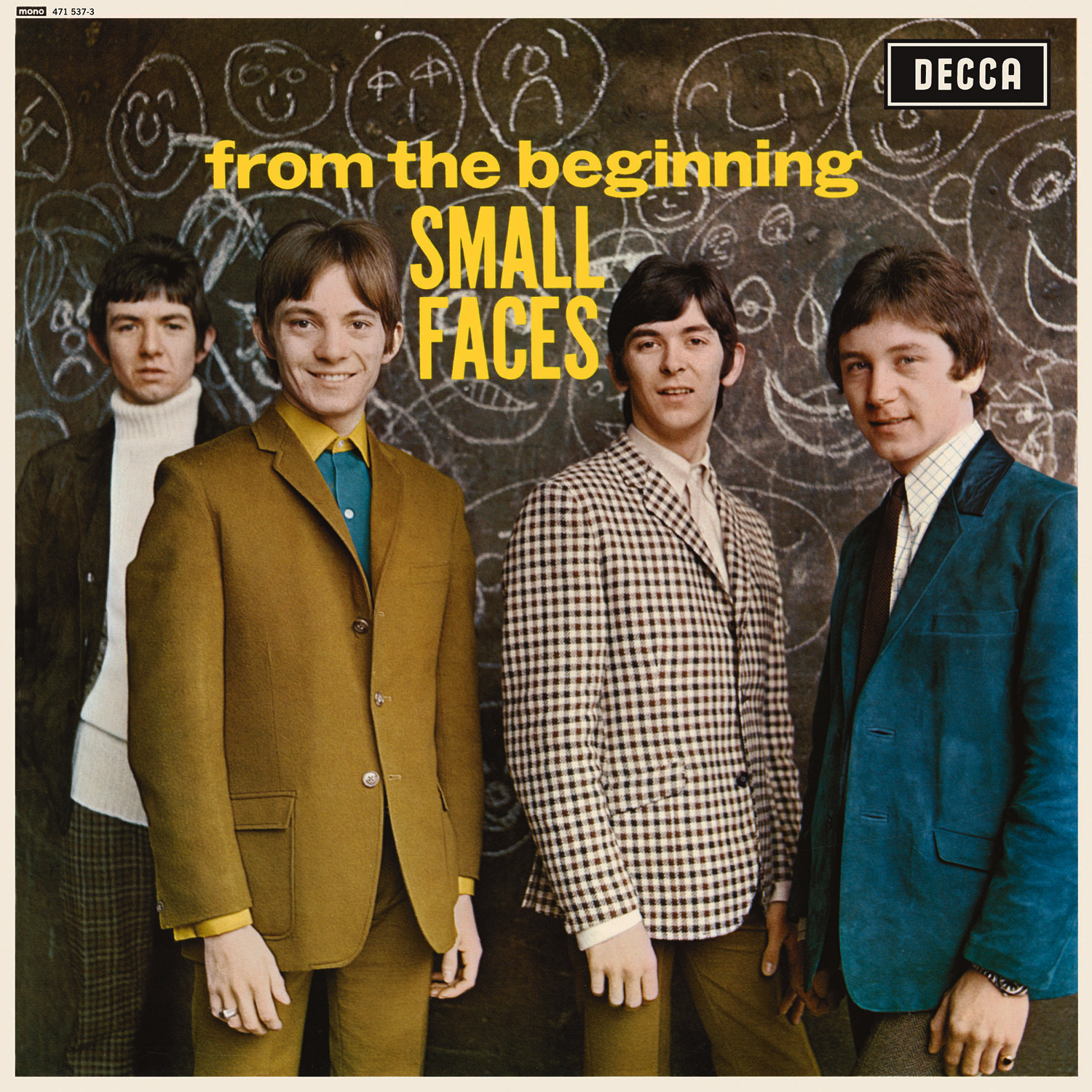
 One gauge of the true greats is that the music improves, or at least maintains a high standard of quality, as the discs take their place in the racks. So it is with the Small Faces. With that said, the Decca period offers distinct and enduring appeal; more so than The Who, the Small Faces circa ’65-’66 are the true ambassadors of Mod. Utterly Brit in orientation, it wasn’t until the fourth LP that the group entered the US market.
 Miami, FL | Beatles for sale! Miami record shop selling rare record for $5K: The cover, depicting the band covered in raw meat and decapitated baby dolls, shocked audiences upon release in 1966. For Beatles fans, it’s the stuff of legend: a rare 1966 album cover depicting John Lennon, Paul McCartney, George Harrison, and Ringo Starr, still mop-topped but well into their psychedelic era, covered in bloody, raw meat and decapitated baby dolls. No, you’re not tripping on acid-laced tea.
  Utsunomiya City, JP | Snokey Record in Japan’s Utsunomiya City Offers Vinyl That Is Meant to Be Part of People’s Lives Through Music: Located on the second floor of a small building right next to Orion-dori street, the bustling downtown area in the city of Utsunomiya, Snokey Record is meant to be a part of people’s lives through music. Rock, jazz, Latin music—the shop’s shelves are packed with a variety of different records, mostly Western music, including many obscure titles. The owner, Masaaki Takezawa, 55, sources the inventory himself, and the collection numbers roughly 10,000 albums. As Takezawa drops the needle onto a record from behind the counter, the enthusiastic vocals of American soul singer Phil Flowers filled the room. It was a cover of Bob Dylan’s “Like a Rolling Stone.” The sound was pleasing to the ear, and you would find yourself

 Like Black Flag, Bad Brains changed everything. They took punk rock and sped it up, setting land speed records that wouldn’t even be broken by Hüsker Dü’s 1982 Bonneville Salt Flats fast live album, Land Speed Record.

 The LPs from Blue Note’s classic era are aptly described as an embarrassment of riches. Along with loads of amazing music, there is, of course, the surrounding context, and engaging with the fruits of the imprint’s labors offers a truly enlightening historical narrative. Naturally, it’s only part of jazz’s larger story. Still, it’s also a highly valuable component, since Blue Note is an example in which respect for the music trumped purely capitalist desire.
 Sale, UK | From the ashes of a legend, the cosy Sale record shop keeping the spirit of a vinyl haven alive: When the decision to close Tasty Records in Altrincham was made earlier this year, music fans were devastated. At the time of its closure, owner Ben Molesworth said the store deserved ‘more than’ he could give after eight years. And upon announcing the decision to shut down, he also offered out the store’s remaining stock for sale, which spanned across genres from rock to reggaeton. It was former Tasty manager Jess Campbell who took on the treasure trove of hundreds of 7″ singles and 12″ albums. For Jess and her partner Billy Goodwin, the purchase accelerated their dreams of opening their own store together—
 Doral, FL | Miami record shop Crazy Vinyl Record launches its own label: The Doral vinyl shop just pressed a limited 7-inch single from South Florida reggae-dub band RasPunk under its new imprint. Miami’s local vinyl industry shows no signs of slowing down, with not only new record stores opening across the Magic City, but some also expanding their businesses and launching labels. At least that’s the case with Crazy Vinyl Record. Founded by Marcos Mirabal, Crazy Vinyl Record opened in January, offering new and used vinyl, with a selection leaning into soul, funk, jazz, Latin, salsa, disco, hip-hop, and rare grooves, plus a healthy dose of classic rock and contemporary releases. “…This release means a lot to Crazy Vinyl Record because it represents what we always want to offer our customers and community: supporting independent artists, bringing people together, and turning music into


 Since then, they’ve continued to release strong album after strong album, despite personnel changes, including the defections of both the multi-talented Jason Isbell and Shonna Tucker, she of the amazing voice. And have I mentioned they have impeccable taste in covers? Bob Dylan, Tom Petty, Kiss, Tom T. Hall—why, they even cover Warren Zevon’s fiery “Play It All Night Long” and beat him, no sweat, piss, jizz, or blood about it, at his own game.

 There were no flames at the crash site—the band’s seemingly cursed plane ran out of fuel, which is why it ended up busted into pieces in the mud outside tiny Gillsburg, Mississippi, in the first place—but it didn’t matter. The flames were foreshadowing, as was Van Zant’s “morbid” (his word) “That Smell,” the eeriest song about death ever written by the band’s death-obsessed frontman and de facto dictator, who died in that Mississippi swamp along with guitarist Steve Gaines, Steve’s sister and backing vocalist Cassie, and several others.
 Doylestown, PA | Doylestown Record Store is the Perfect Spot to Find Your Next Favorite Vinyl: With the popularity of vinyl records soaring among younger generations, Siren Records in Doylestown is the perfect place to find some new tunes, writes Claire Allard for Family Destinations Guide. If you’re looking for CDs, vinyl records, cassettes, or DVDs, the store has a vast collection spanning every genre of music, both in new condition and slightly used. A step through the brick building’s front doors reveals a musical treasure trove, luring in customers to explore the endless crates and shelves’ worth of items. …Whether you’re interested in folk, reggae, funk, soul, country, pop, hip-hop, jazz, or electronic music,
  Nashville, TN | Runout Record Shop Gets Ready to Open in West Nashville: Talking with Michael and Kate Lovett about their new vision for the former Alison’s Record Shop space. …Through the record-store grapevine, the couple heard that Alison’s Record Shop in West Nashville was up for sale. The Lovetts have lived in the neighborhood since 2012 and drove by the place twice a day — and they saw their chance. “This is really a homecoming, and a dream come true for me,” Michael says. Over Labor Day weekend, the Lovetts took a break from sifting through 23,000 vinyl records that were part of Alison’s inventory to talk about their plans for Runout Record Shop. Even from the store’s name, you can tell the Lovetts’ love of music: The smooth place on a vinyl record, between the grooves and the paper label, is called the “runout.” As Kate notes, it is fun to say: “