
An abundance of excellent reissues hit store shelves in 2025. We take a look back at what was looked back upon—part two. Part one is here.
 10. Charlie Haden, Live at the Jazz Record Mart (Delmark) This is a fascinating document of an 1988 in-store held in the celebrated Windy City record shop owned by the late Bob Koester, who also founded and operated Delmark Records. The digital release features a lot more talking, much of it at the start, as California resident Haden gets acclimated to his Chicago environment, but there is also some playing that’s not included on the vinyl. This is worth mentioning as the event captured is truly a special one. There are many duo albums in Haden’s discography, but no solos, until now. And yet the whole is wonderfully casual, which only magnifies its worthiness.
 9. Archie Shepp and the Full Moon Ensemble, Live at Antibes (Lmlr) This 2LP was part of the glorious spate of recordings, most of them live, made by US free jazz musicians on sabbatical in Europe at the dawn of the 1970s. Initially released by the BYG Actuel label as two separate volumes, this compilation combines them, as the two performances, each over 48 minutes long, are split across opposing vinyl sides. Shepp is in strong form in a sextet with the too seldomly recorded Clifford Thornton, the way too seldomly recorded Alan Shorter (Wayne’s bro, don’tcha know), plus Joseph Dejean, Bob Guerin, and Claude Delcloo. Things are already beautifully harry, and then Shepp starts shouting.
 8. Mercenárias, Baú 83-87 (Munster / Nada Nada Discos) These Brazilian post-punks have landed tracks on assorted compilations over the decades and even had an anthology devoted wholly to themselves on the Soul Jazz label (released under the name As Mercenárias). In 2018, Nada Nada Discos released this collection of non-album tracks, live material, and a “lost” studio session, and now here comes Munster, doing the world a solid with this very deserving fresh edition. Mercenárias, at least across this set’s 20 big ones, never smoothed out the jagged edges, so anybody down with the sound of prime early Rough Trade should step right up before this one’s gone again.
 7. The Verlaines, Some Disenchanted Evening (Schoolkids) Featuring the smart and often biting lyrics of Graeme Downes, the songs of The Verlaines are equal to the work of The Chills and The Clean (and The Bats and Tall Dwarfs) in terms of quality. There’s a very attractive disdain for simplicity in Downes’ songs (it’s almost like he’s a prog rocker at heart) as he manages to always stay on the pop course, often to thrilling effect. Equally wonderful is the core toughness in the instrumentation that reinforces (without making a big deal of it) how this stuff was made possible by the revolution of 1977.
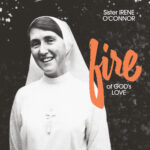 6. Sister Irene O’ Connor, Fire of God’s Love (Freedom to Spend) Originally released in Australia by the Philips label in 1973, and then in the US by Alba House Communications in 1976, this is the utterly fascinating and really quite “together” (as opposed to ineptly bent) sole LP by the titular nun, recorded in the land down under with a guitar, an electric organ, and a drum machine plus vocals, as another nun, Sister Marimil Lobregat, handled the recording duties. The songs are all O’Connor originals (many based on Bible verses with an emphasis on the New Testament), with more than a few having a ’60s pop feel. Fans of the Space Lady take note.
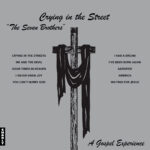 5. The Seven Brothers, Crying in the Street (Charly) A beautiful first-time reissue of a 1969 LP of hot gospel released initially on the Nashville-based House of the Fox label. The title cut, which opens the record, was written in tribute to Martin Luther King, and it stands as the crowning achievement of the Seven Brothers. However, one great song does not necessarily land an album on a best-of-the-year list. Crying in the Street is a soulful treat from a vocally adept group who could’ve easily made some impact if they’d chosen to go the secular route.
 4. V/A, Can’t Stop It! Australian Post-Punk 1978-82 (2025 Deluxe Edition) (Chapter Music) When this collection emerged back in 2001, it was kind of a big deal. The depth of the Australian scene was common knowledge by that point, but outside of YouTube playlists and mp3 blogs, it was still difficult to hear many of the bands that shaped the individual scenes. Post-punk was a particularly saliva-inducing spot in the Aussie sonic geography, as bits and pieces from this era had already had some international success. Regardless, the contents here still cohered into a major eye opener. Making its vinyl debut nearly a quarter of a century later, the sounds have lost none of their brainy brawn. With six bonus tracks.
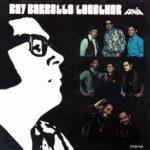 3. Ray Barretto, Together (Craft Recordings) Puerto Rican percussionist and bandleader Barretto is in the zone on this straight reissue of his 1969 LP, wherein he leans into salsa while retaining a handle on the Latin Soul style, aka boogaloo, that brought him such success on prior albums. Together was Barretto’s third record for Fania (he debuted for the label with another stone classic, Acid), and it solidified his way forward. Opening with the funky grooving of the title track and closing with an outstanding version of Dizzy’s “Tin Tin Deo,” this album doesn’t falter.
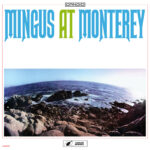 2. Charles Mingus, Mingus at Monterey (Candid) + In Argentina: The Buenos Aires Concerts (Resonance) Charles Mingus’ celebrated lineups have been spotlighted on numerous live recordings. Alongside the studio masterpieces, these performances constitute the Mingus canon. But what these two sets essentially prove is that it’s all canon when it comes to Mingus. Mingus at Monterey is a fresh edition of an essentially seamless festival date from 1964 that’s too often overlooked. In Argentina collects two unreleased 1977 shows that underscore that Mingus never sank into conservatism.
 1. K. Frimpong & His Cubano Fiestas, The Blue Album & The Black Album (Soundway) + Gnonnas Pedro & His Dadjes Band, Roi De L’Agbadja Moderne 1974-1983 (Analog Africa) These two albums from Ghanaian highlife master Alhaji K. Frimpong are indispensable to any collection dedicated to the breadth of 1970s funky African greatness. A lot of highlife glides with an attractive prettiness, but Frimpong and his band really turn up the heat without losing their grip on the style’s essence, and that’s great.
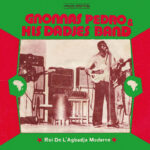 The Beninese band led by Gnonnas Pedro made its greatest strides in neighboring Nigeria beginning in the mid-1970s, cutting a series of albums that brought him fame back home in Benin but also across the African continent. Pedro and the largely consistent lineup of the Dadjes Band dished a sound that blended a variety of African rhythms to a strikingly unified result, as this compilation illustrates. Highlife is part of the equation, which gives this pairing with Frimpong a deeper resonance.