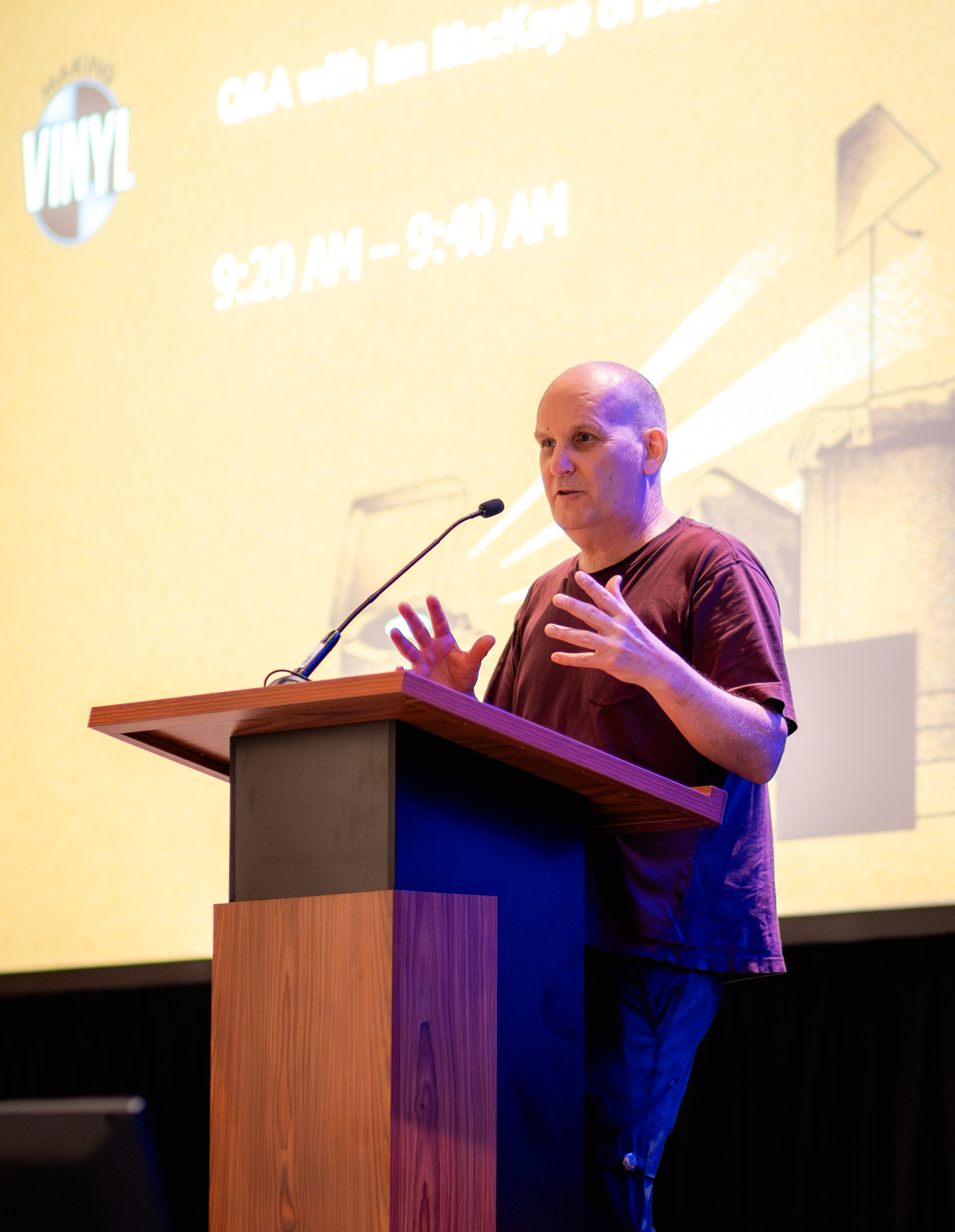
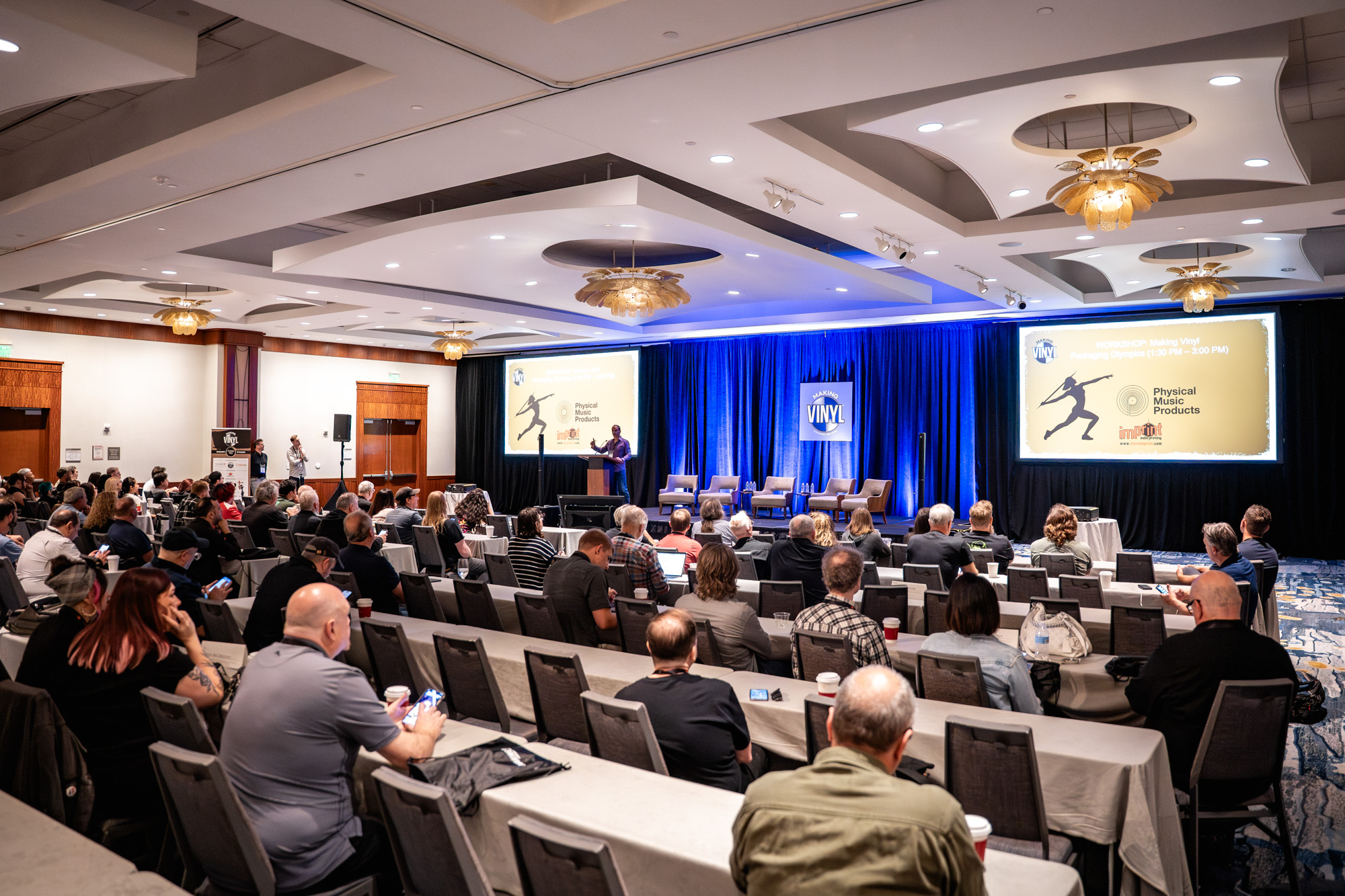
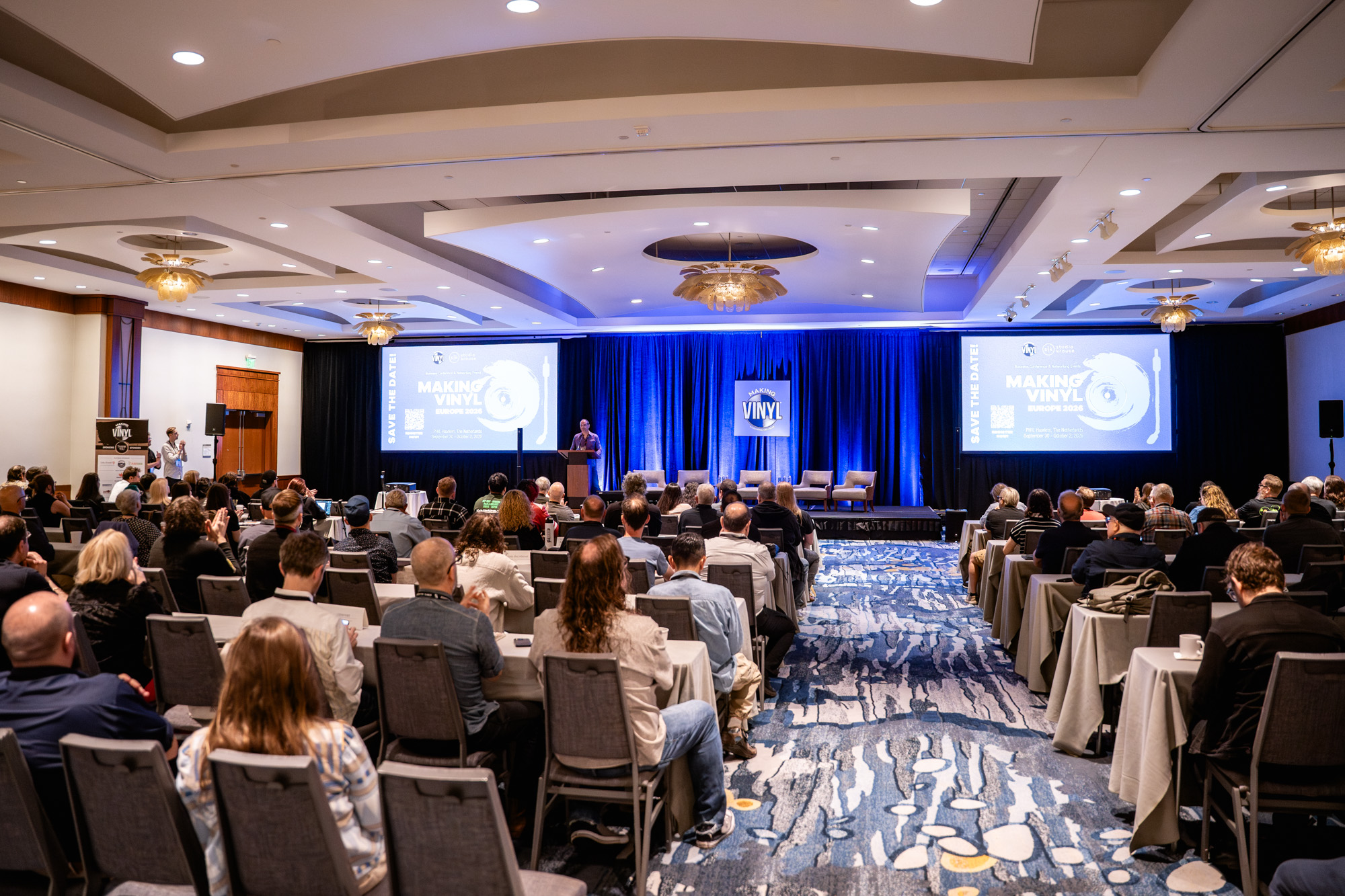
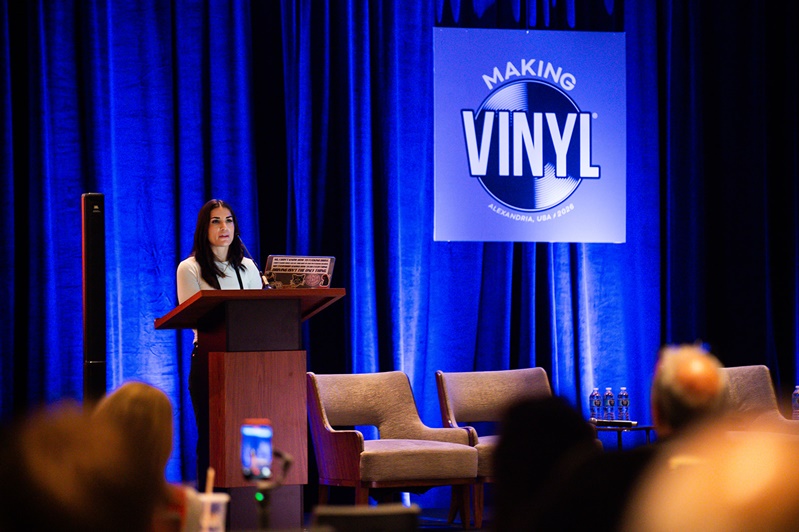
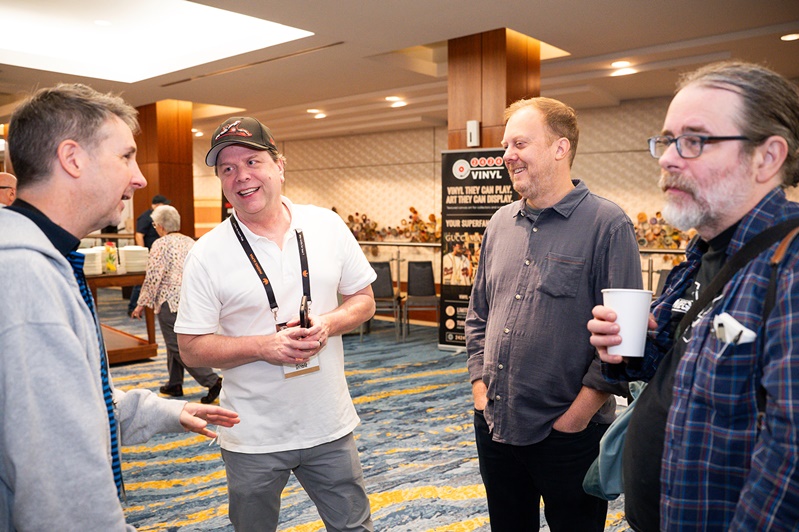
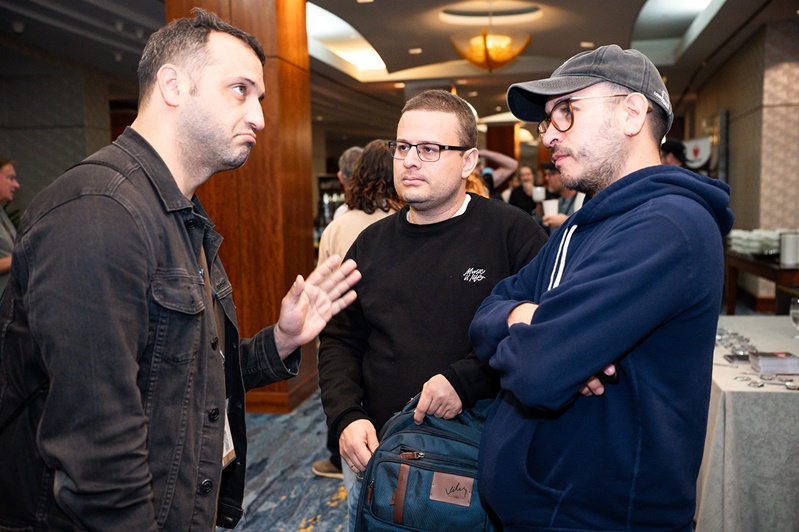
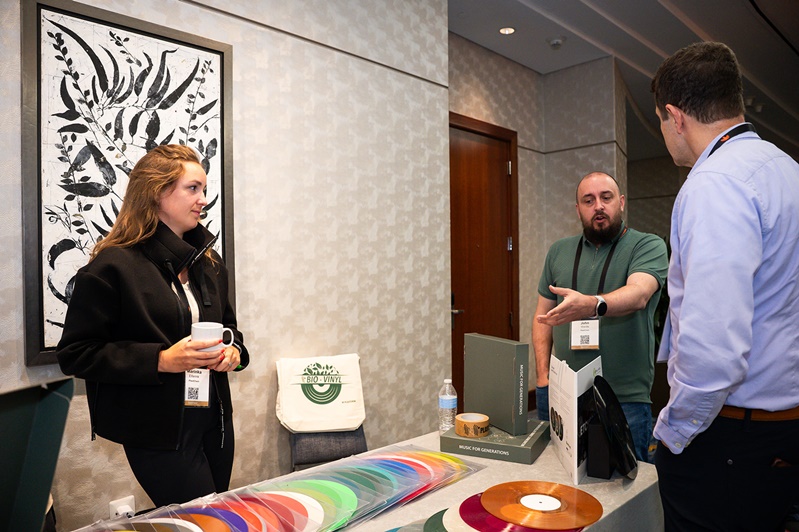
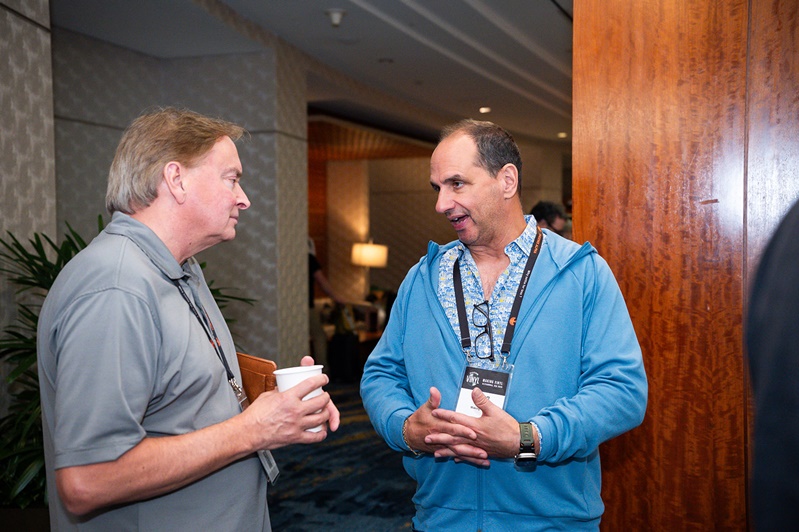
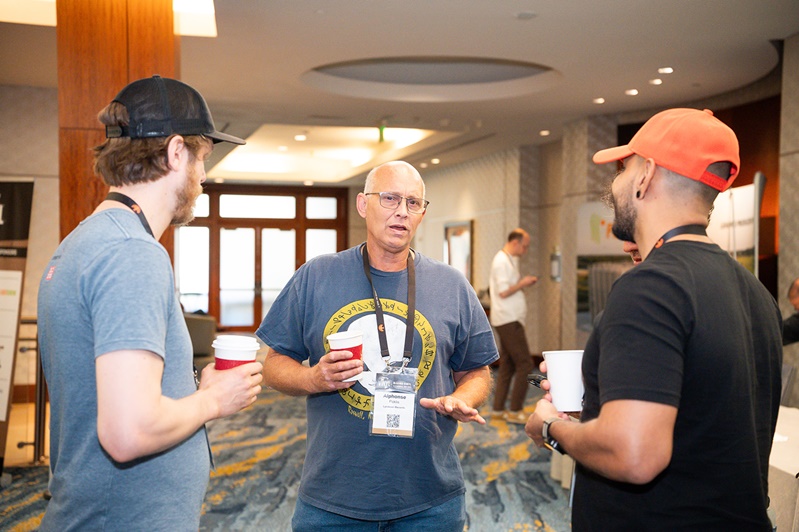
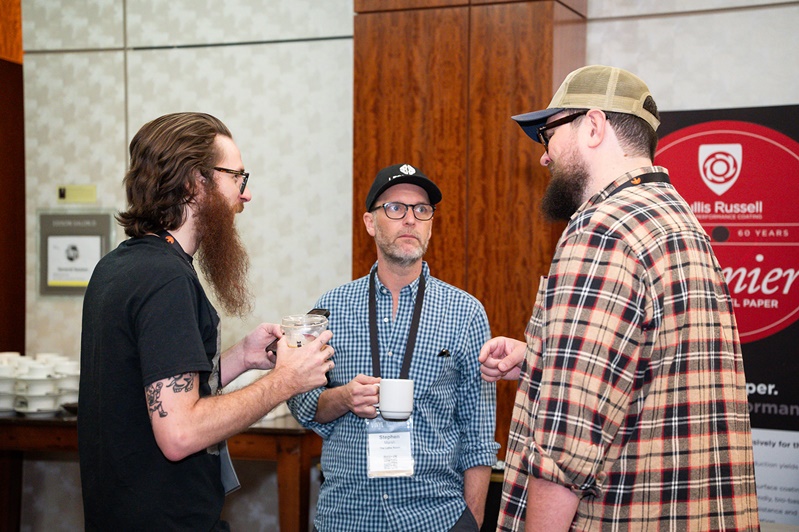
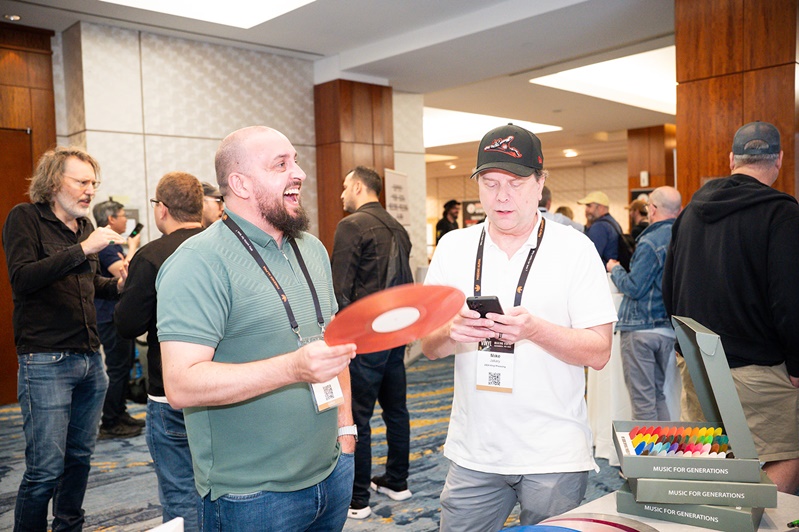
Making Vinyl, the biannual meeting for the vinyl manufacturing industry, came to Alexandria, Virginia,
May 27 to May 29
When Ian MacKaye’s high school band broke up, they decided to put out a record only then to chronicle the sound they had urgently turned out for their fervent community. They had saved any cash received from the 50 or so gigs they played, stashed it in a cigar box, and were ready to spend it on making a record.
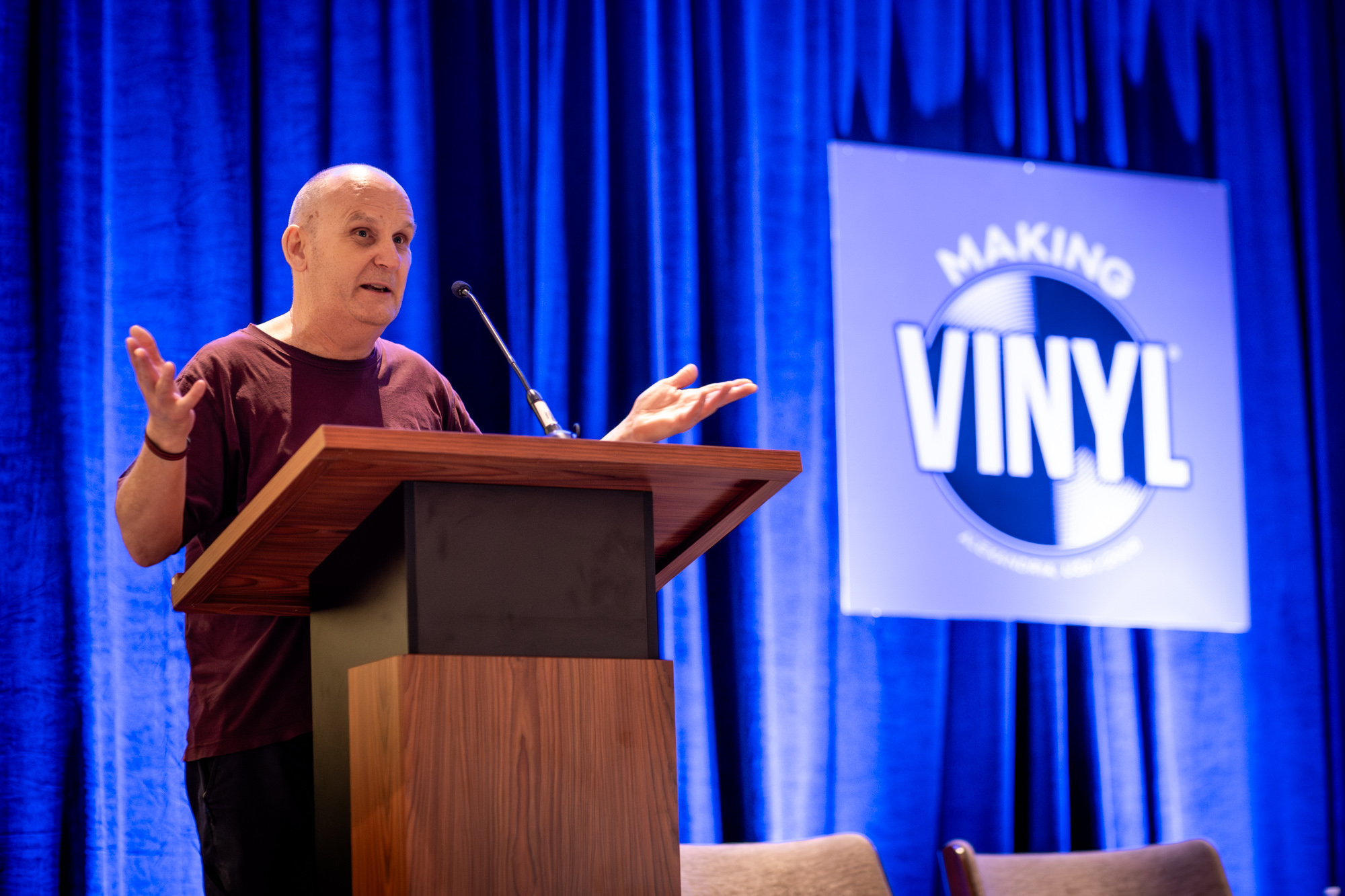
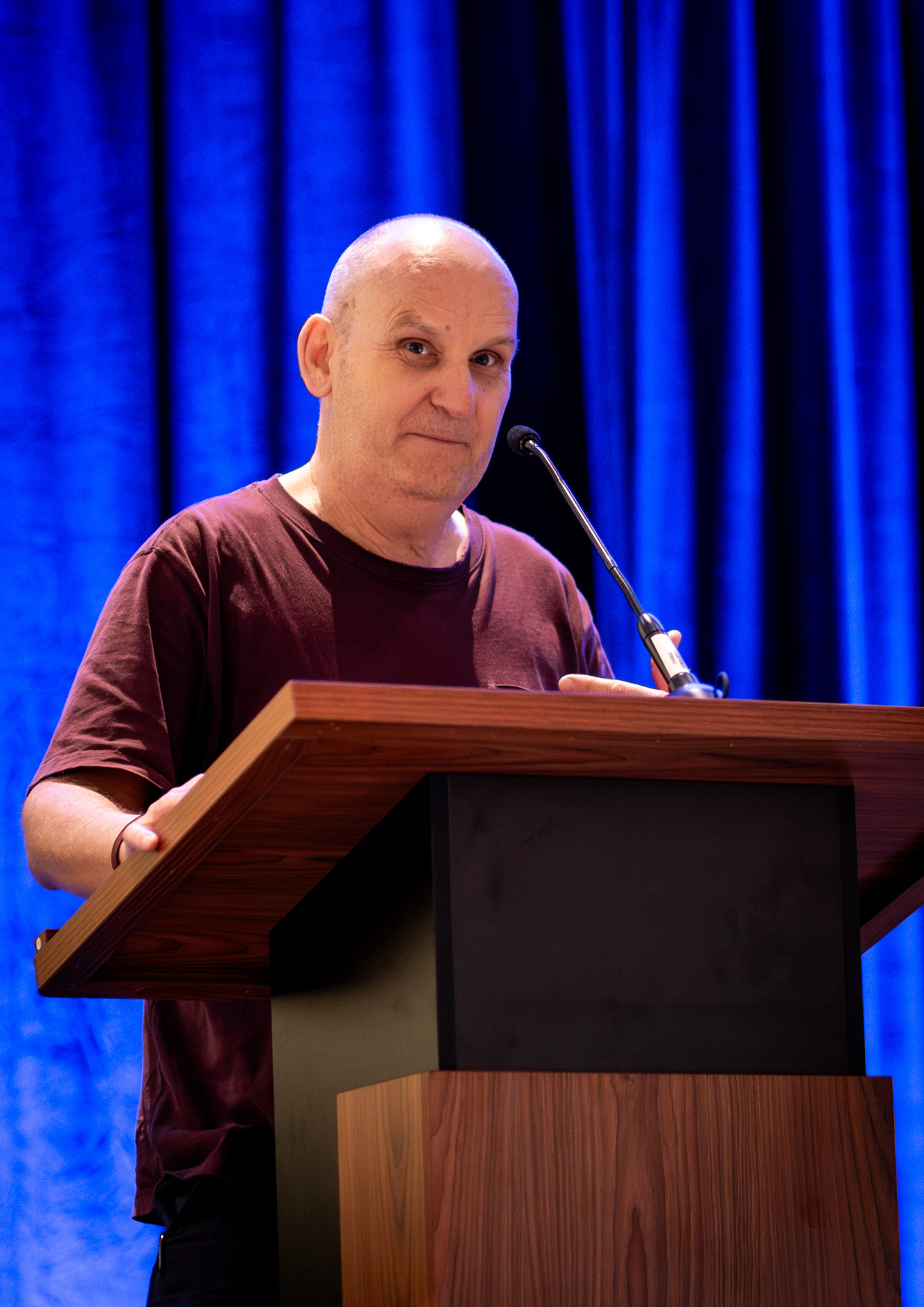
“We could have made a cassette and kept $200 a piece, but we wanted to document something that was fucking important to our friends and us,” MacKaye said. “And we had no idea how this was done.” The future Fugazi frontman told his tale late May as a keynote speaker at the twice-annual Making Vinyl conference, this one at the Westin Hotel in Alexandria, VA.
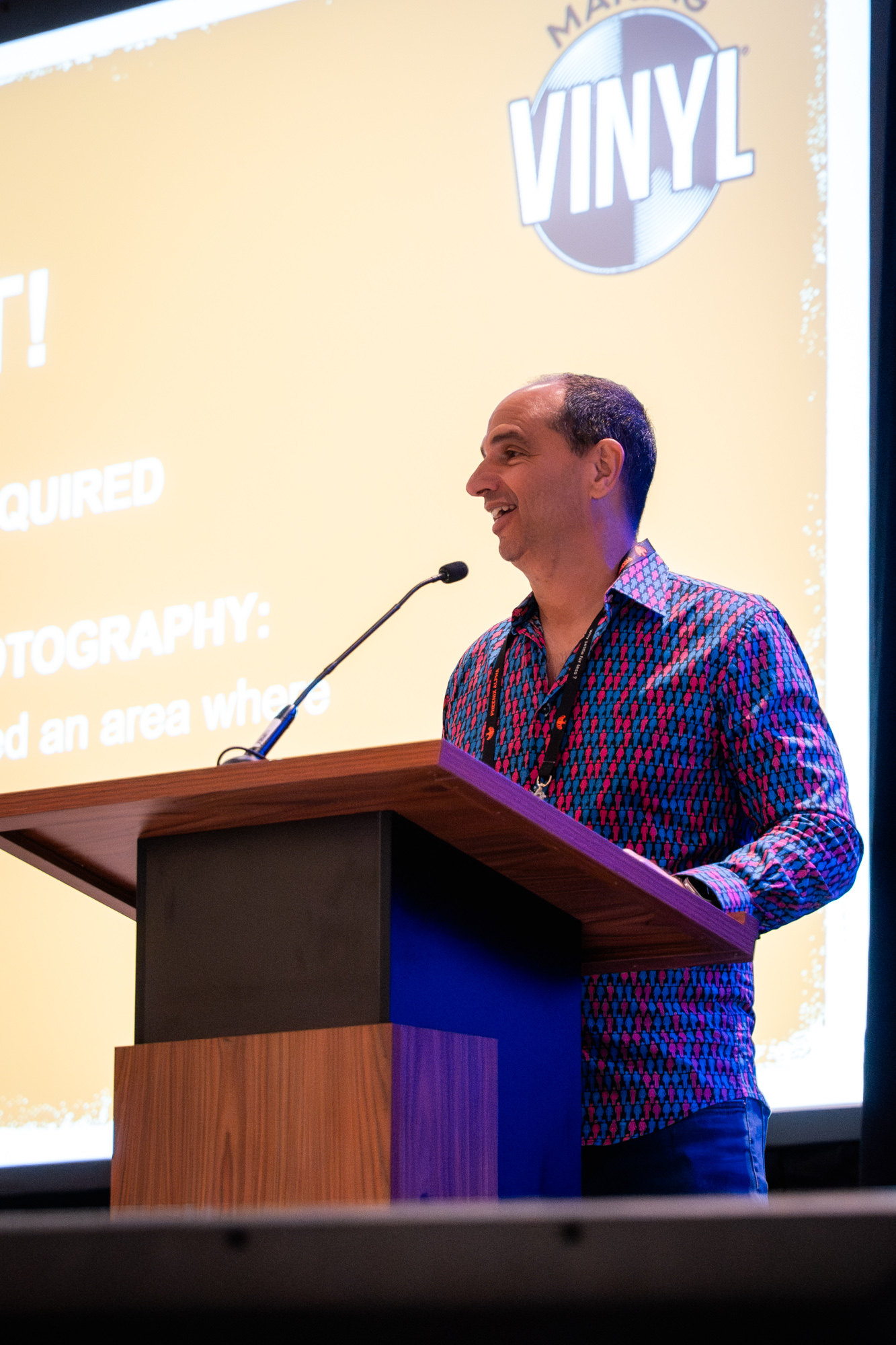
Before more than 200 professionals involved in mastering, manufacturing, labeling, and distributing vinyl records in a time of rapid growth, MacKaye related how he stepped gingerly into the record industry as a teen, a path that would lead to the creation of his own Dischord Records, an indie survivor that endures, chronicling underground bands in the DC area.
The process to make his first punk record involved advice from a local record store and a cold call to a Nashville pressing plant whose regular business was making country records. “They were so kind,” MacKaye said of the patient manufacturer in Tennessee, who found a way to accommodate the kids even when they were asking for something that seemed impossible: eight songs on a 7-inch single. (They were short, it was punk rock.)
While MacKaye gathered friends for folding parties to make picture sleeves for the records they copied, cut, and pasted, he realized: “This was the record industry: Making records for real.” Some fans made predictable noises about commodification and selling out. But for the band, it was a way to capture those “transcendent isolated moments that were undocumented for the most part.”
Whatever money they made was put into documenting other DC bands, an ethos his friend Henry Rollins also used when he began recording with his band in Washington, too. The hardcore scene they created in DC was preserved and shared worldwide through the records they made. And Dischord endures in chronicling the DC underground scene they helped create for listeners worldwide.
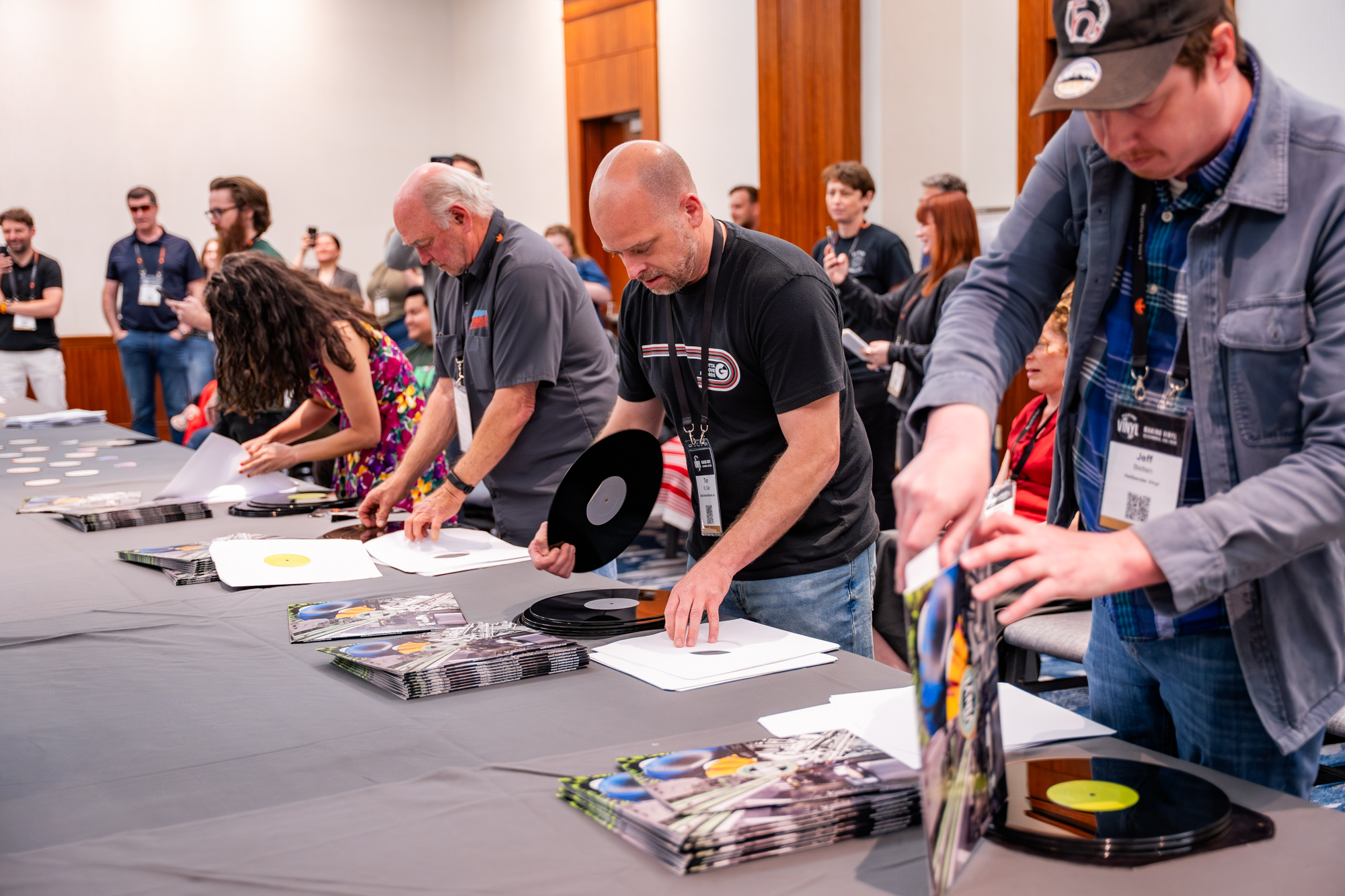
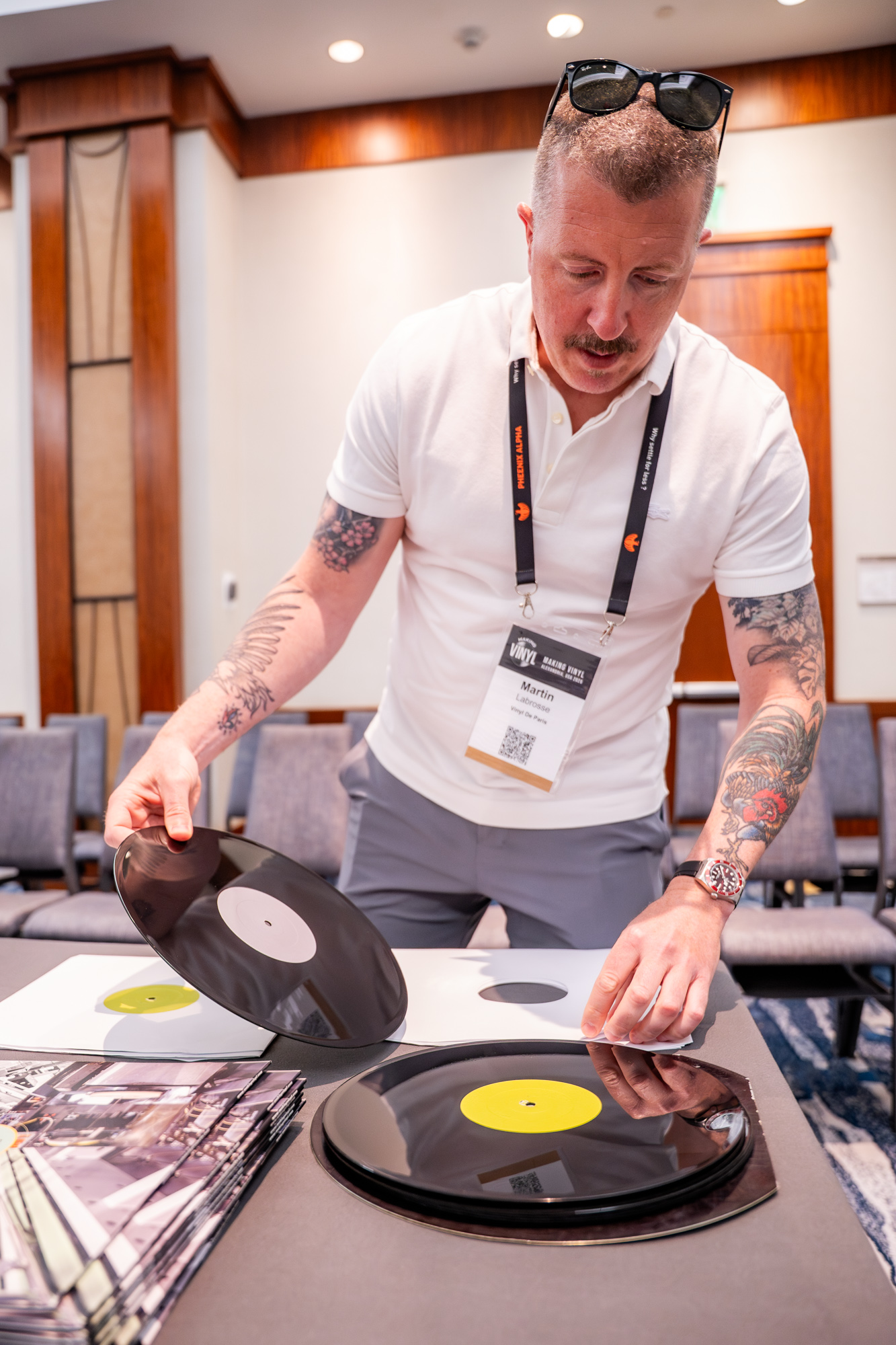
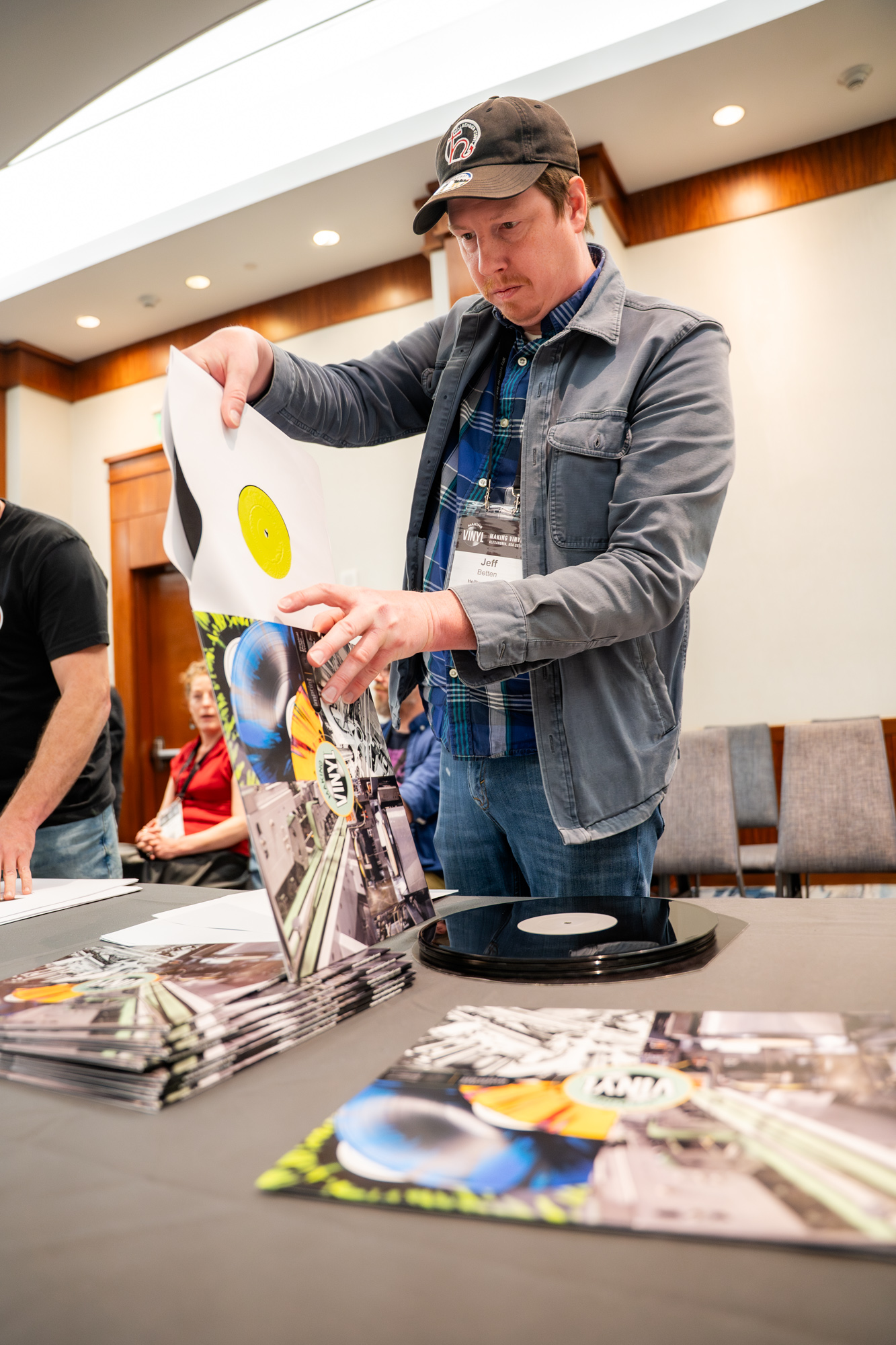
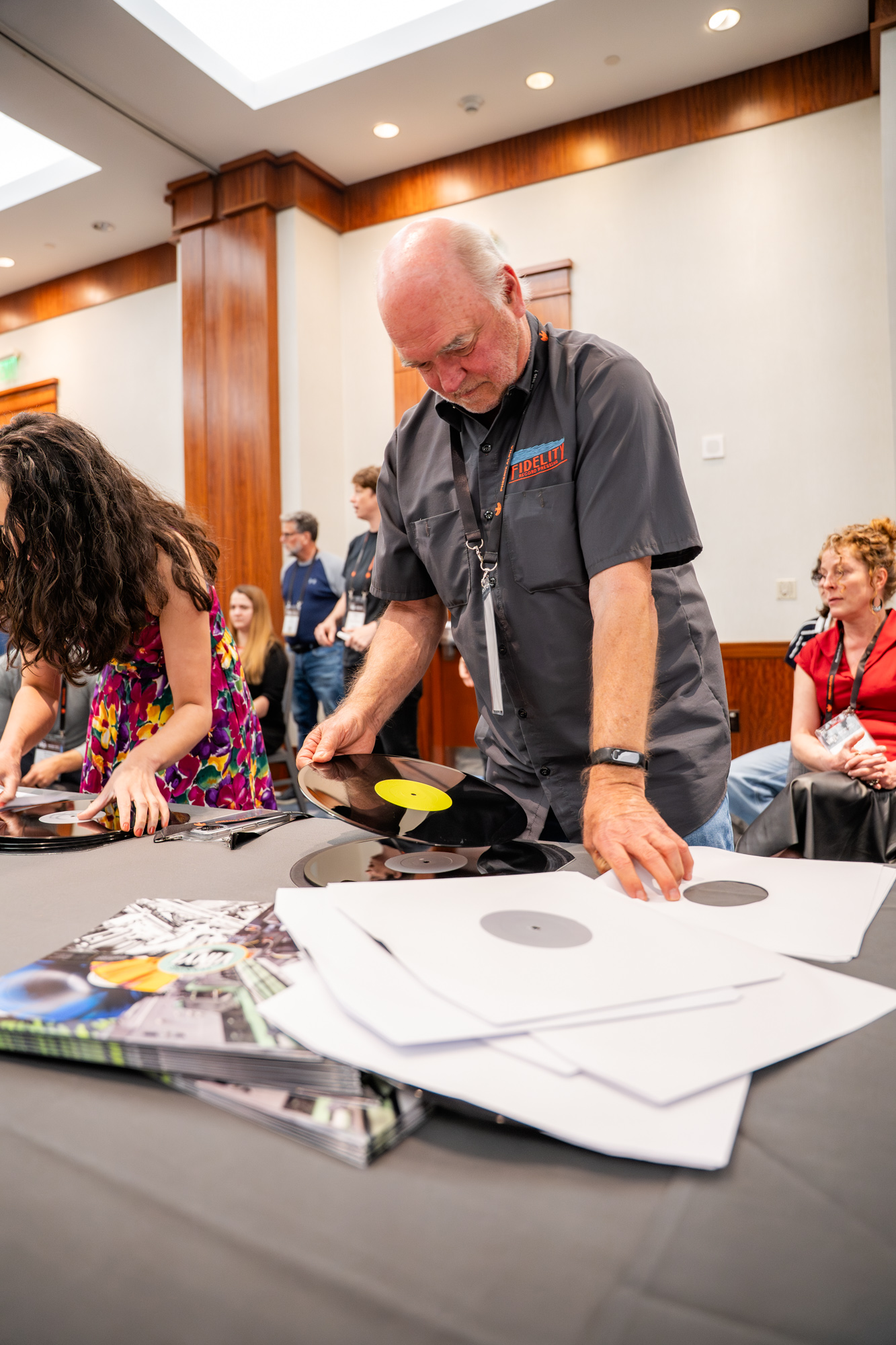
DC is on the map as well for manufacturers, where one of the largest vinyl pressing companies in the country wasn’t far away from the convention. Furnace Record Pressing operates its high-quality operation in a 70,000 square foot facility in Alexandria. The plant (famous for Metallica taking a majority stake in 2023) offered special tours for Making Vinyl attendees, and its COO, Mark Reiter, also spoke. “Music succeeds where politics and religion fails,” he said. “Music has a real importance. We’re helping convey something really important.”
He emphasized the personal attention and craft given to the quality of each record. “All music is sacred. We honor the sacred by focusing on quality,” he said. “The song can’t save your life if the record can’t pay.”

That kind of quality control—and the real price hikes from tariffs and oil costs—mean prices for vinyl albums can get steep. Statistics show that vinyl sales have shifted from older listeners seeking reissues to younger people preferring physical vinyl copies. As such, Reiter said, “Our future is in the hands of people who can least afford it. We can’t give them a reason to check out.”
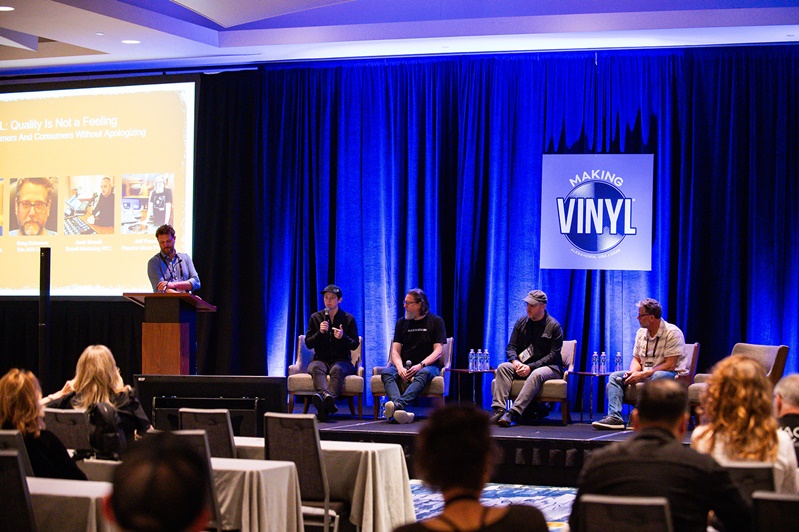
That notion was echoed on other panels.
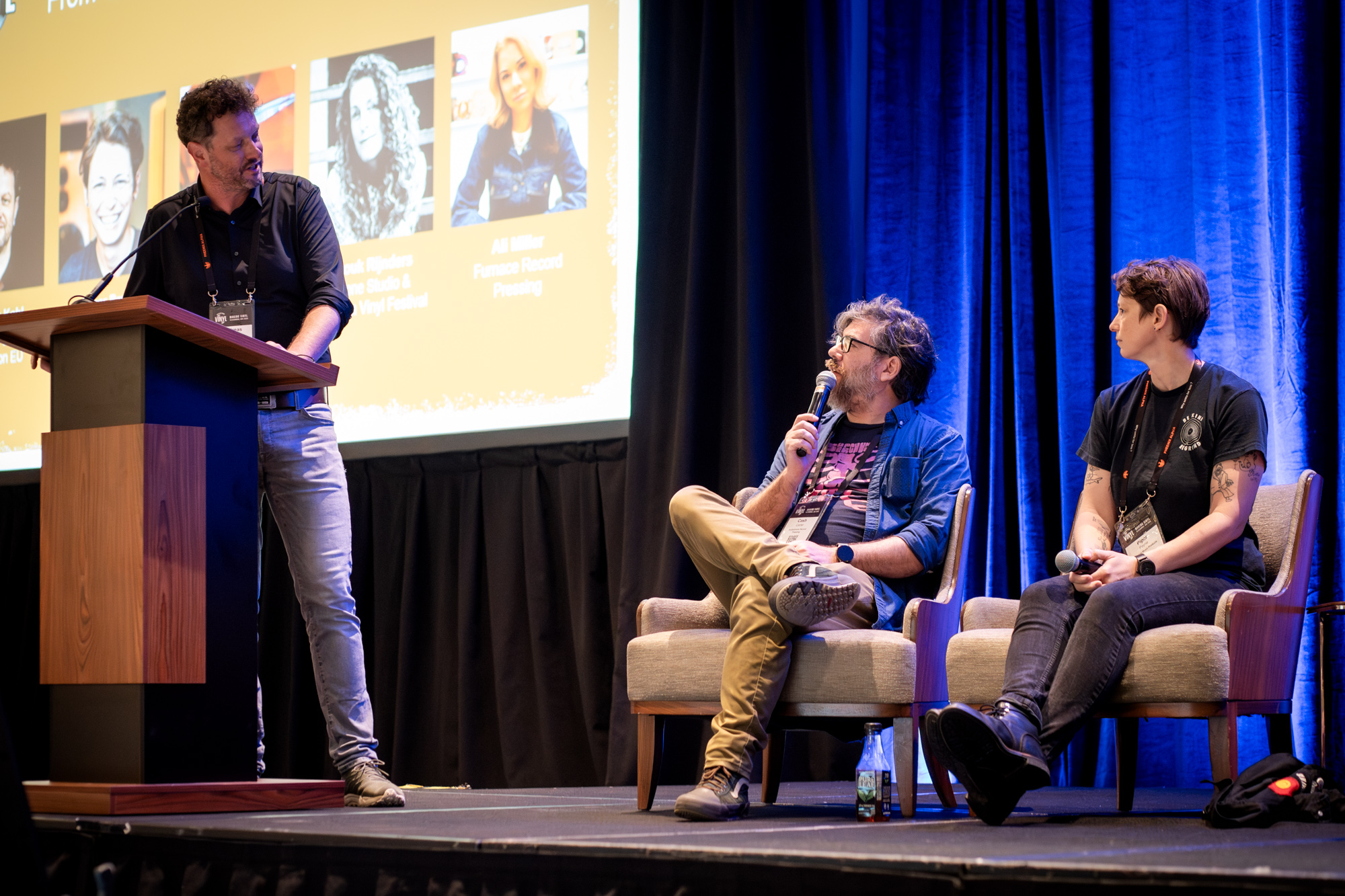
“The $40 single album is going to kill us all,” said Cash Carter of Audiodrome Record Pressing in North Central Florida. “We’ve got to figure out a way that is less punishing to the consumer at the record store.”
Vinyl sales reached $1 billion in 2025 for the first time since 1983. And while it’s overtaken CDs as the dominant physical format for music, vinyl is still only 9 percent of the total music consumption picture, with streaming accounting for 82 percent of the market last year.
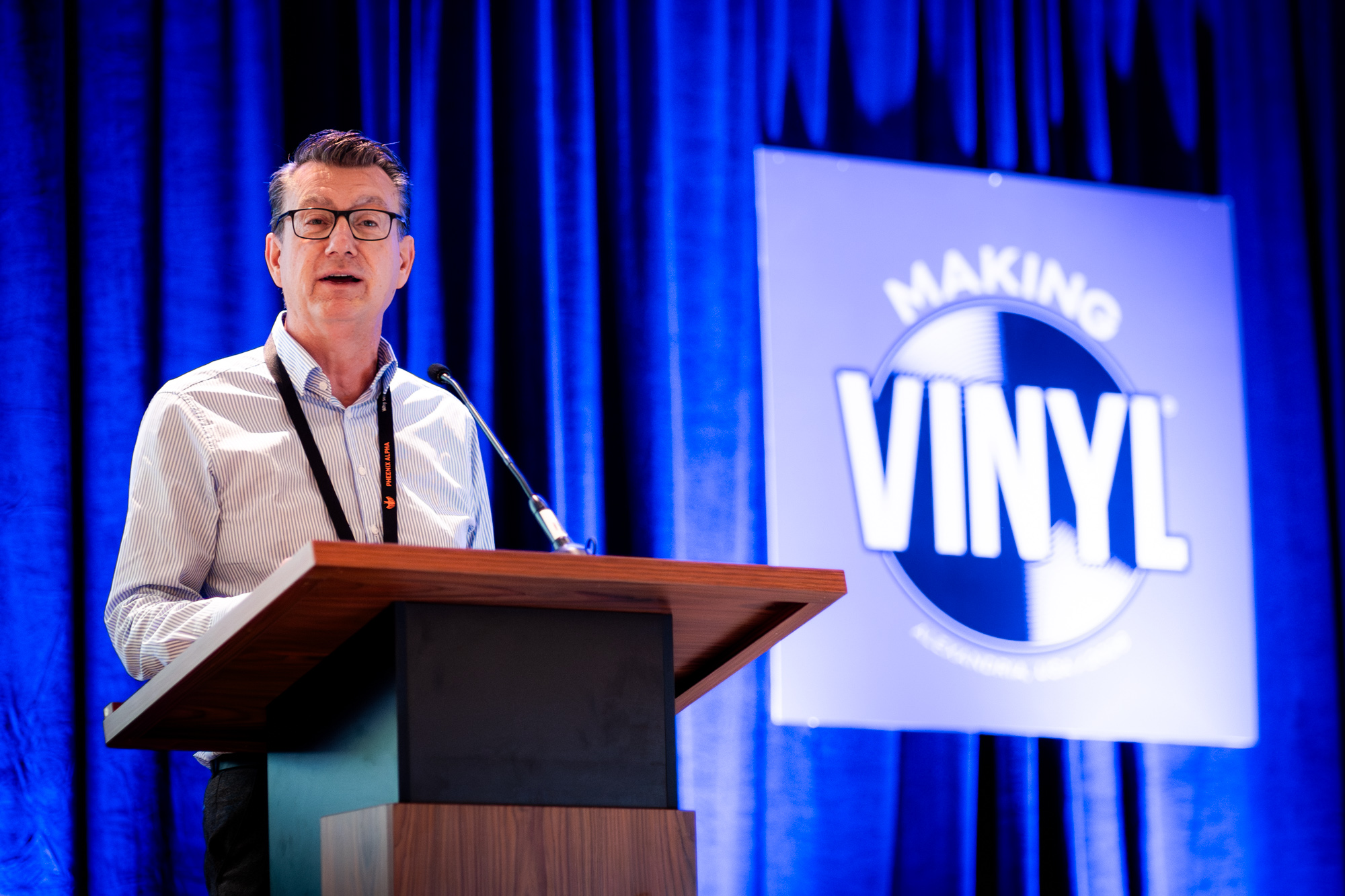
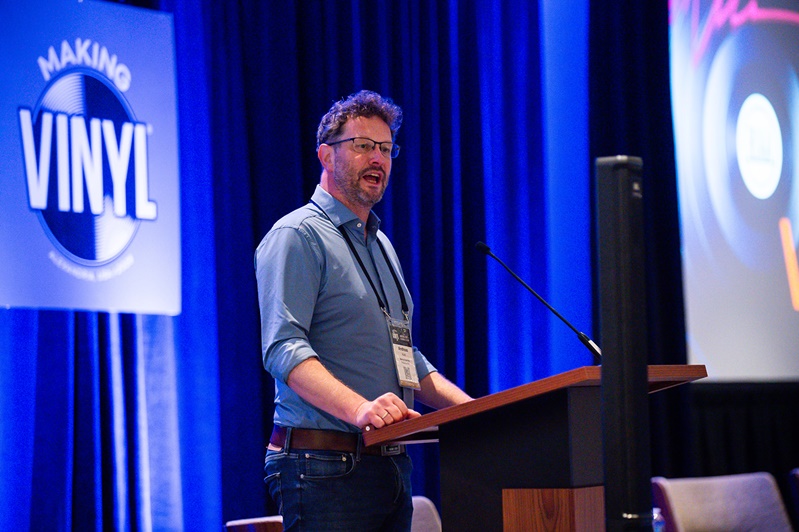
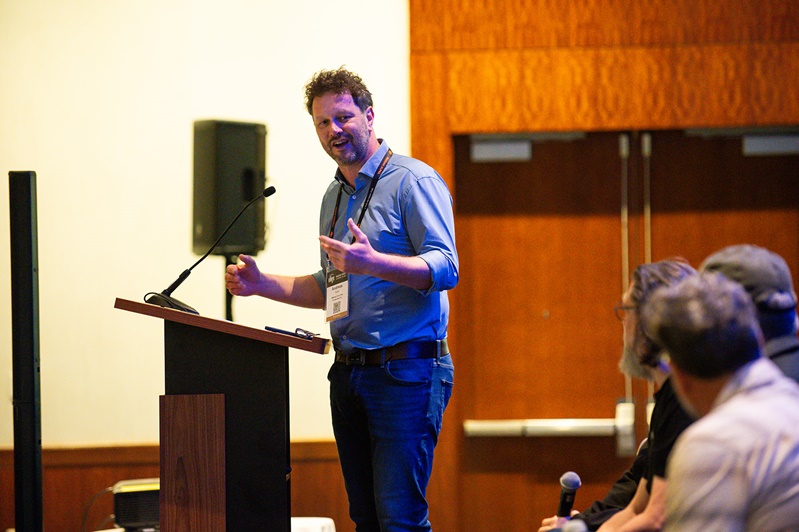
But as conference director Andreas Kohl said in his opening remarks, “The future of vinyl is not competing with streaming anymore on convenience. That battle is lost, and we have to accept it. Streaming has also won the battle for access.” Think of a song, type it on your device, and out it comes. “Why are people buying records? Not because they need music, music is always everywhere. What people are looking for is ownership, focus, experience, discovery, and community,” Kohl says.
Vinyl allows fans to show allegiance to an artist by owning the work, preserving it, and adding it to a personal collection. “Maybe the real opportunity for vinyl is not becoming bigger than digital, it is becoming more meaningful than digital can ever be,” Kohl says.
But to what degree does collecting vinyl become merely about collecting? At what point will even the biggest fans be overwhelmed by the sheer number of cover variants or colored vinyl options of a single title?
With the astounding 2023 statistic from the music sales data company Luminate, which found that 50 percent of those who purchased vinyl in the US didn’t even own a record player, questions arise about whether vinyl records are just another collectible artifact with less and less to do with the music they contain.

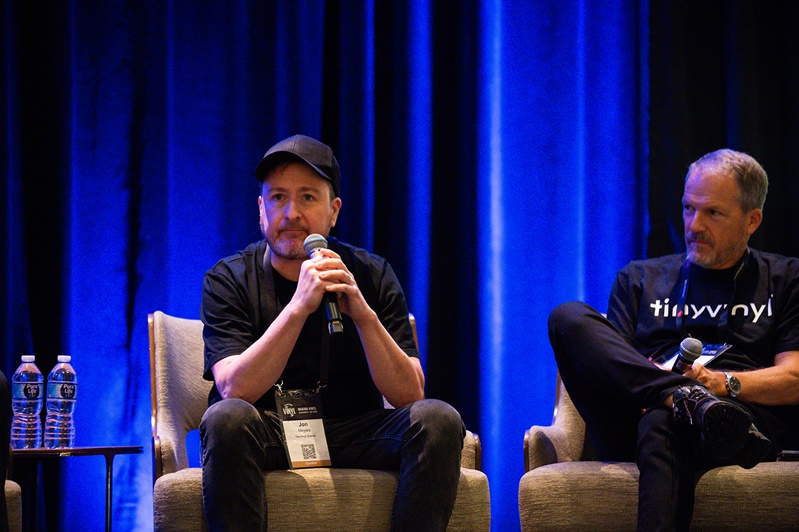
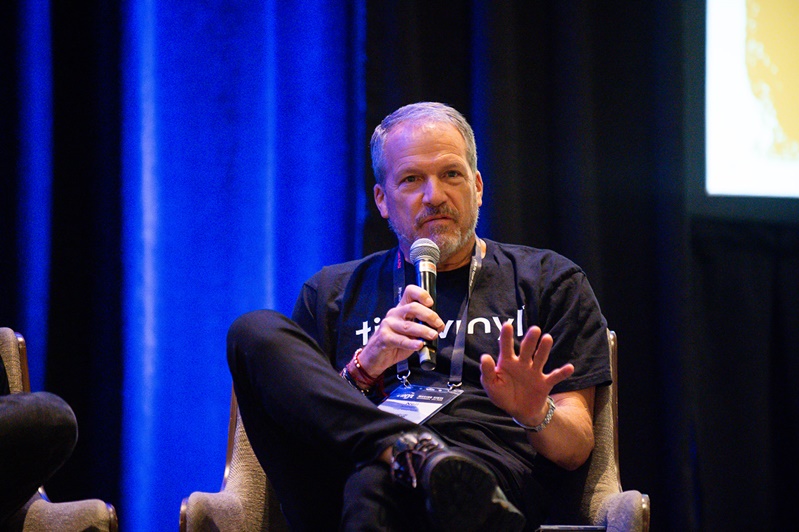
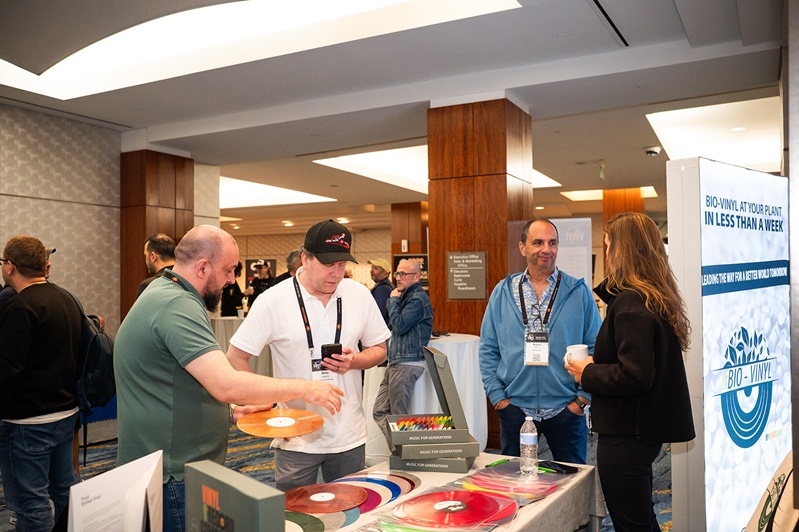
Neil Kohler, who came to the vinyl industry from toy-making, started his company, Tiny Vinyl, to develop small records for the popular Funko toys he manufactured. Now he has a whole line of 4-inch records he hopes will be an entry point (at $14 a pop) for young people looking to get into vinyl.
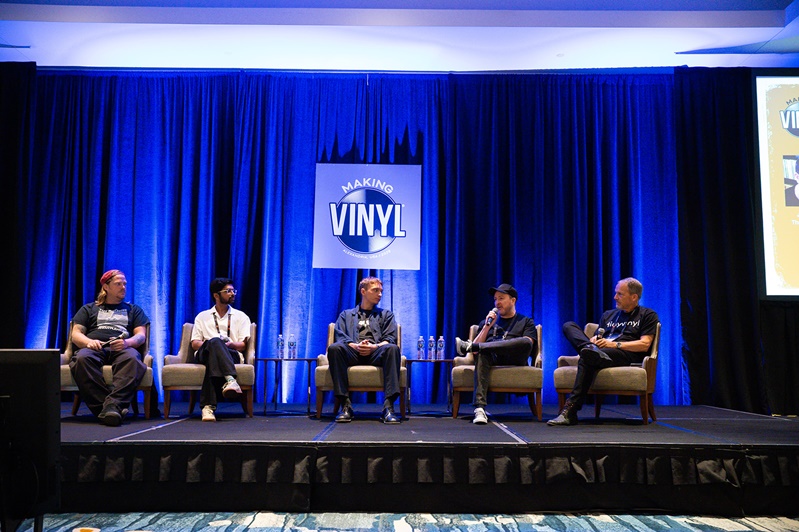
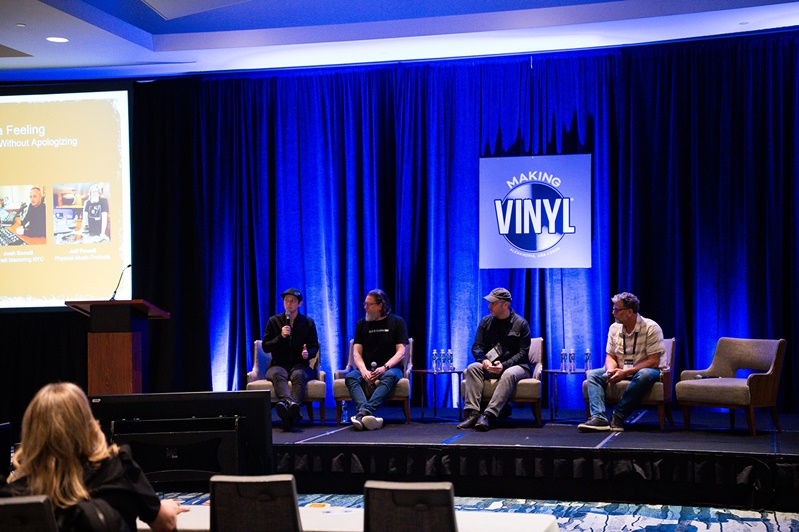
“It’s cute, it’s adorable, it’s collectible,” he said on a panel titled “Beyond the Hype: Creating Real Value for Vinyl in a Hybrid Music Culture (on which The Vinyl District’s Jon Meyers also spoke). “And it’s also playable.”
The notion of vinyl as a collectible reached its logical endpoint as Jeff Walker of Alliance Entertainment presented their array of albums encased in 10-mil hard-plastic cases intended never to be opened. Priced at $180 and made available in editions of just 100, they are affixed with an electronic chip to verify authenticity and ownership history, as if they were NFTs.
You can see the album cover through the same kind of hardened plastic found on valuable baseball cards. But if you wanted to play the record or open up the cover to read credits, sorry.
Real-world problems entered the conference, as in the discussion of tariffs. Records themselves are exempt from tariffs because they are considered information, said Sean Callaghan of the UK-based Woodland Group Entertainment. But many of the industry’s materials, from PVC compounds, pressing machines and parts, turntables, jackets, and sleeves have been subject to the tariffs. He had information on how to apply for refunds for tariffs paid before Supreme Court rulings that struck them down.

“There’s been some volatility in the pricing, especially with fuel being where it is,” he said. The cost of fuel for ocean liners has more than doubled since April, and costs for ocean and air prices have been up 10 percent with no let-up in sight, he said.
Nevertheless, “the industry is doing well,” said Marcus Cohen of the Recording Industry Association of America. Still, “we’ve only recovered about half of the losses” from the time CDs almost wiped out vinyl as a format. “No other industry has seen this type of change over this period of time, the way the music industry has.”
Latest figures show global vinyl revenue at about $2.1 billion, up nearly 14 percent. Of that, the US accounts for about half, four times the size of the second-largest market, the UK.
Last year, US vinyl revenue hit $1 billion for the first time since 1983, Cohen said, growing by more than 9 percent from the previous year. Its value has steadily grown for 19 years. But as Kohl said in his keynote, “Volume alone doesn’t create meaningfulness.”
The conference title “Value Beyond Volume” was meant to indicate “we are not preserving a relic, we are creating value, we are creating meaningful products.”
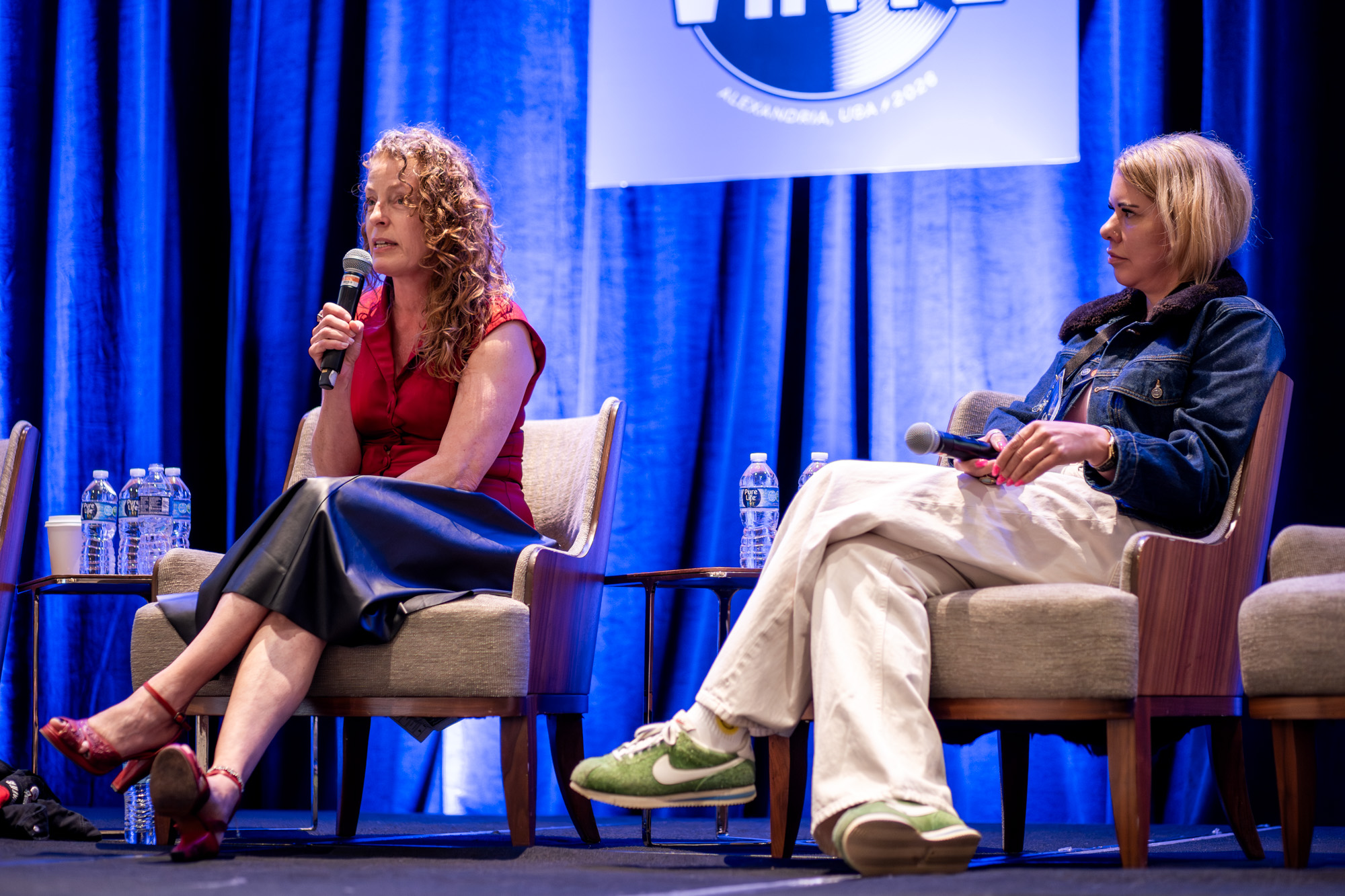
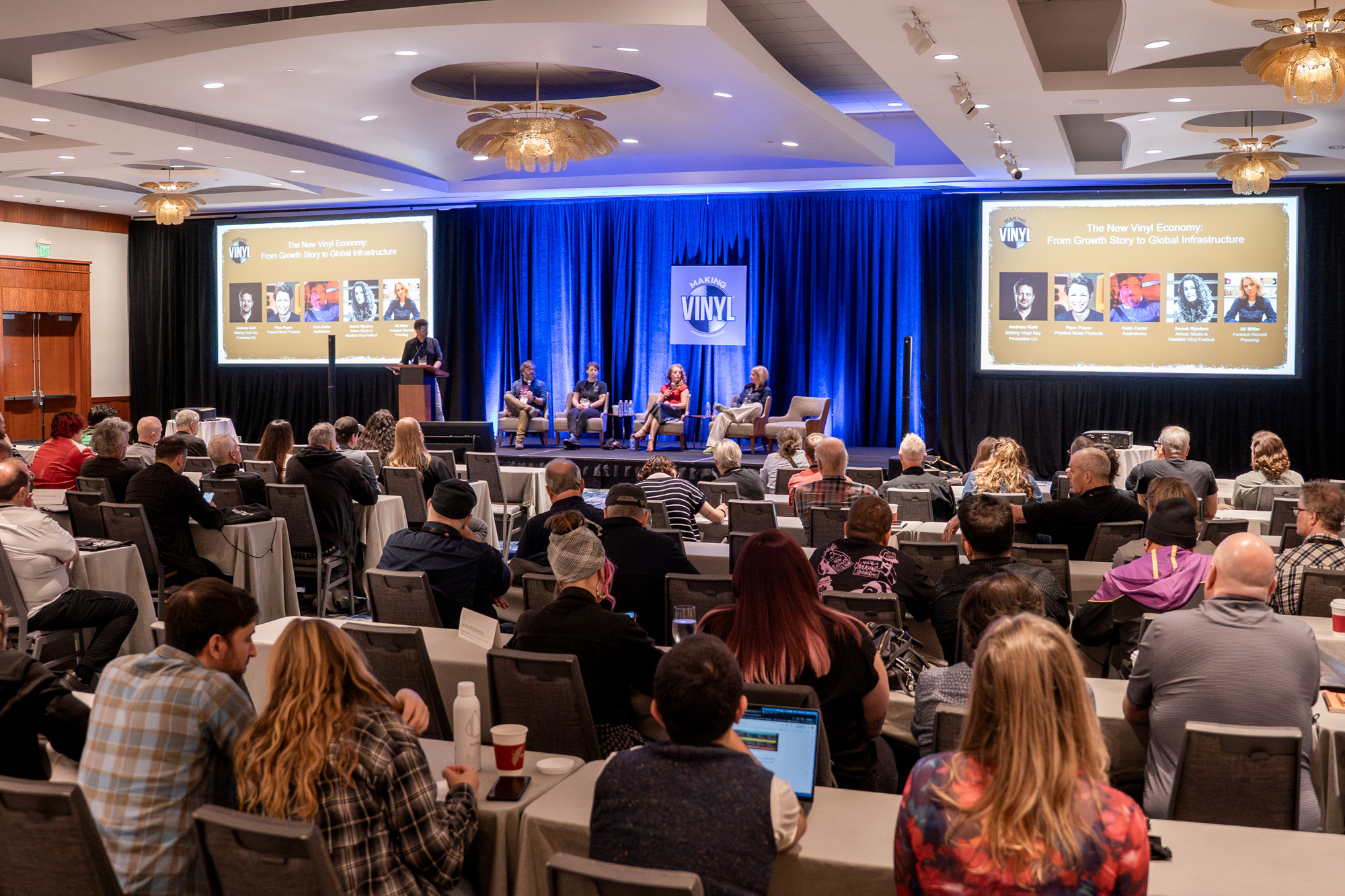
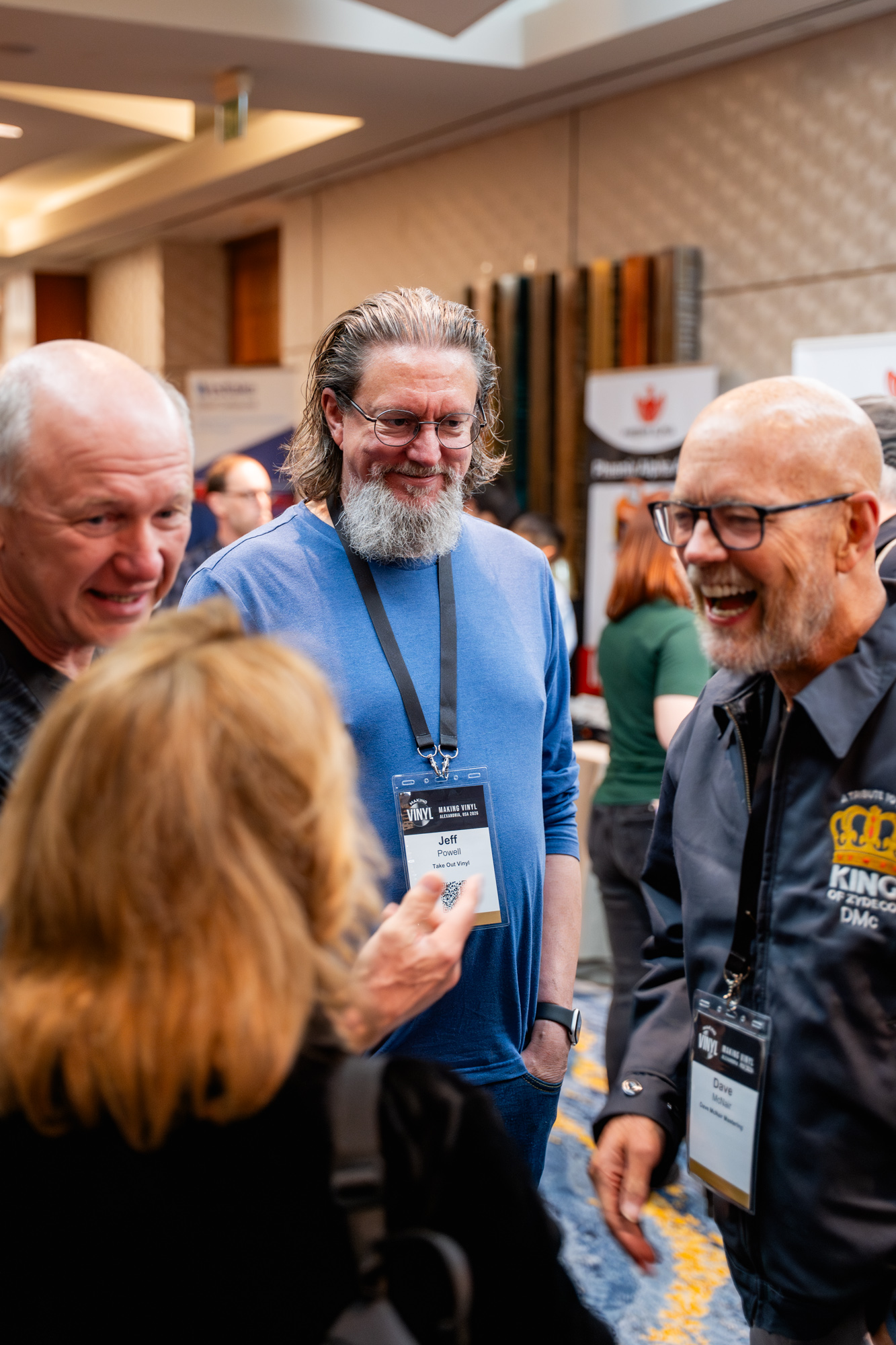
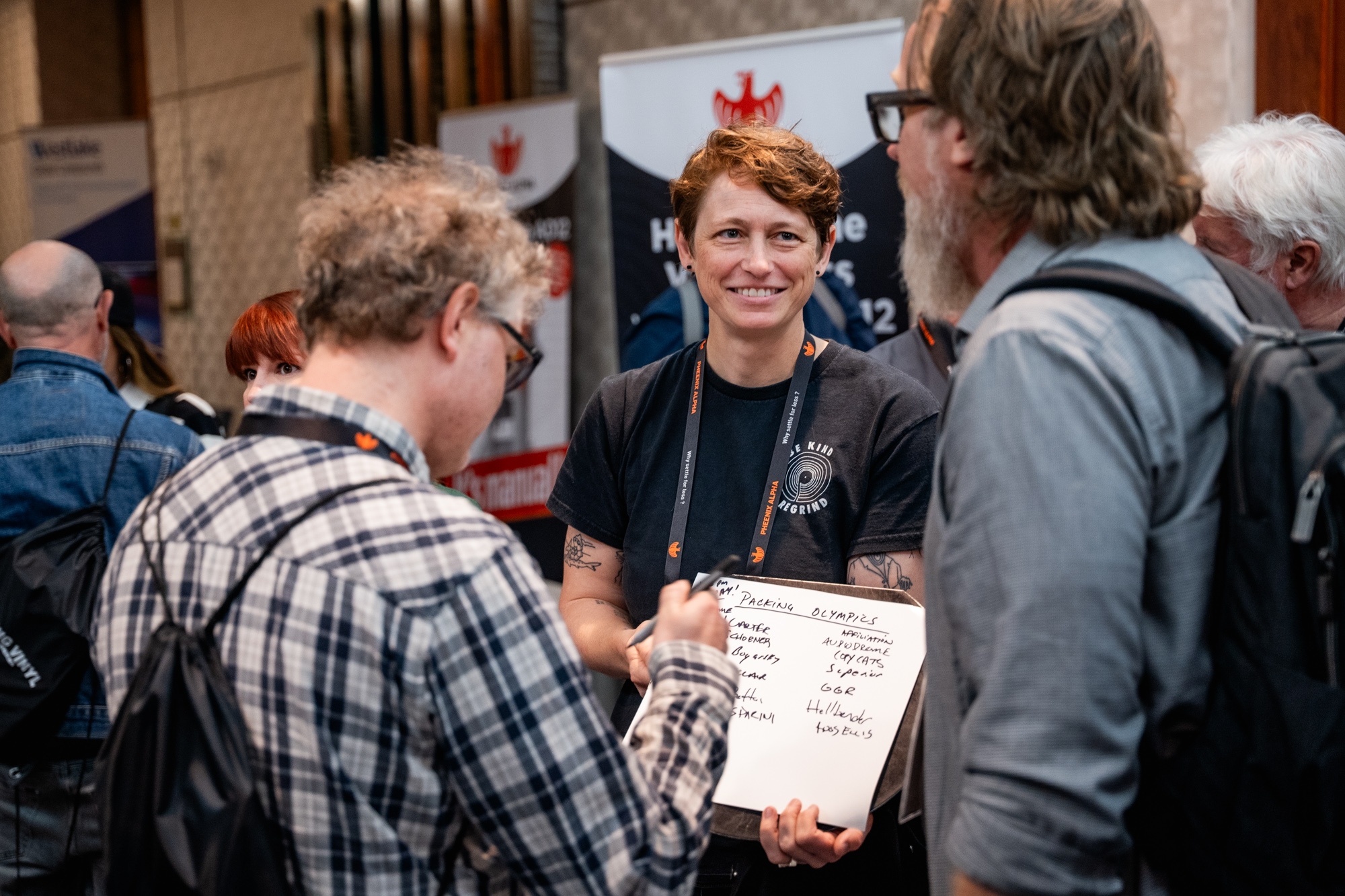
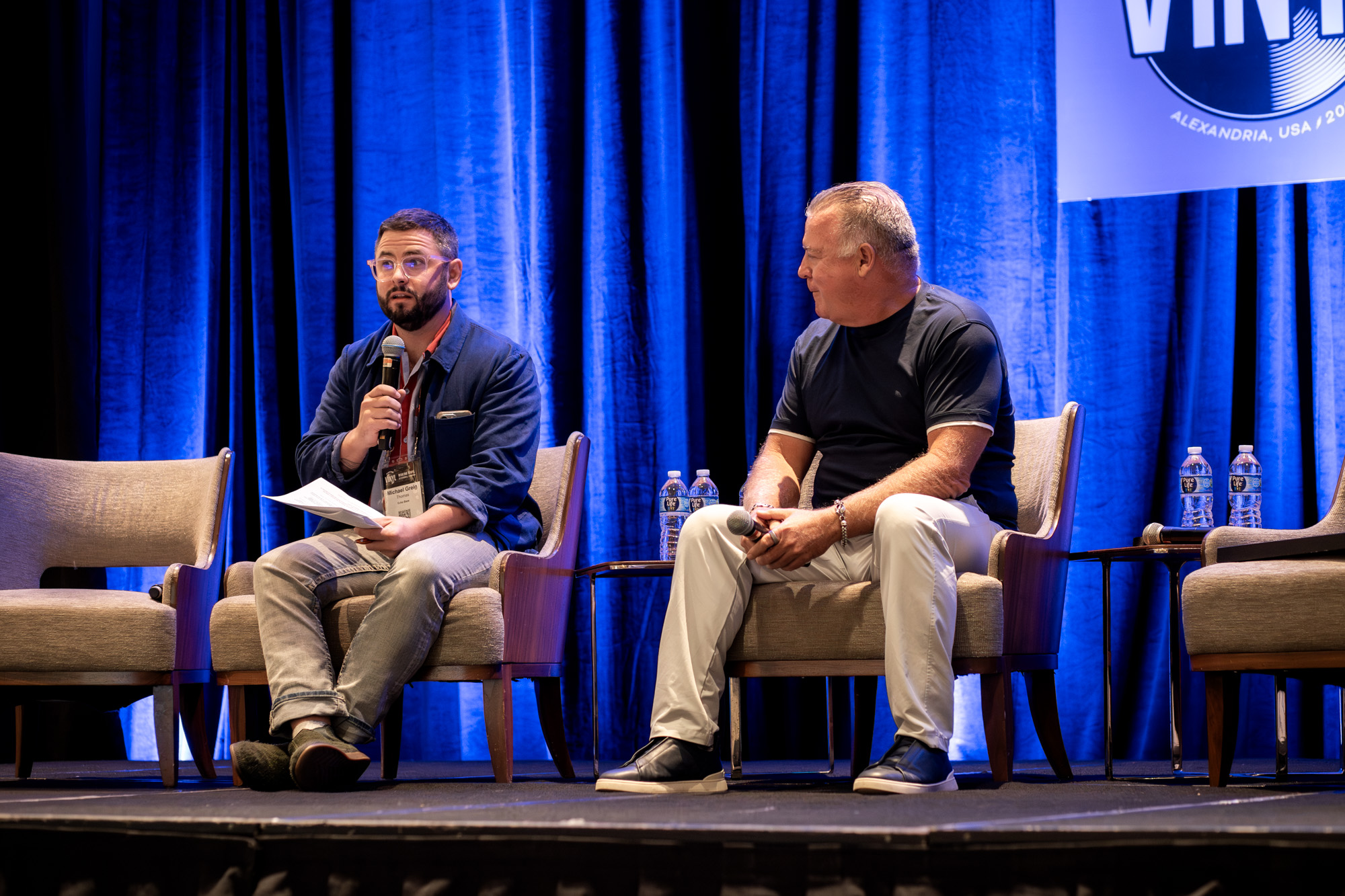
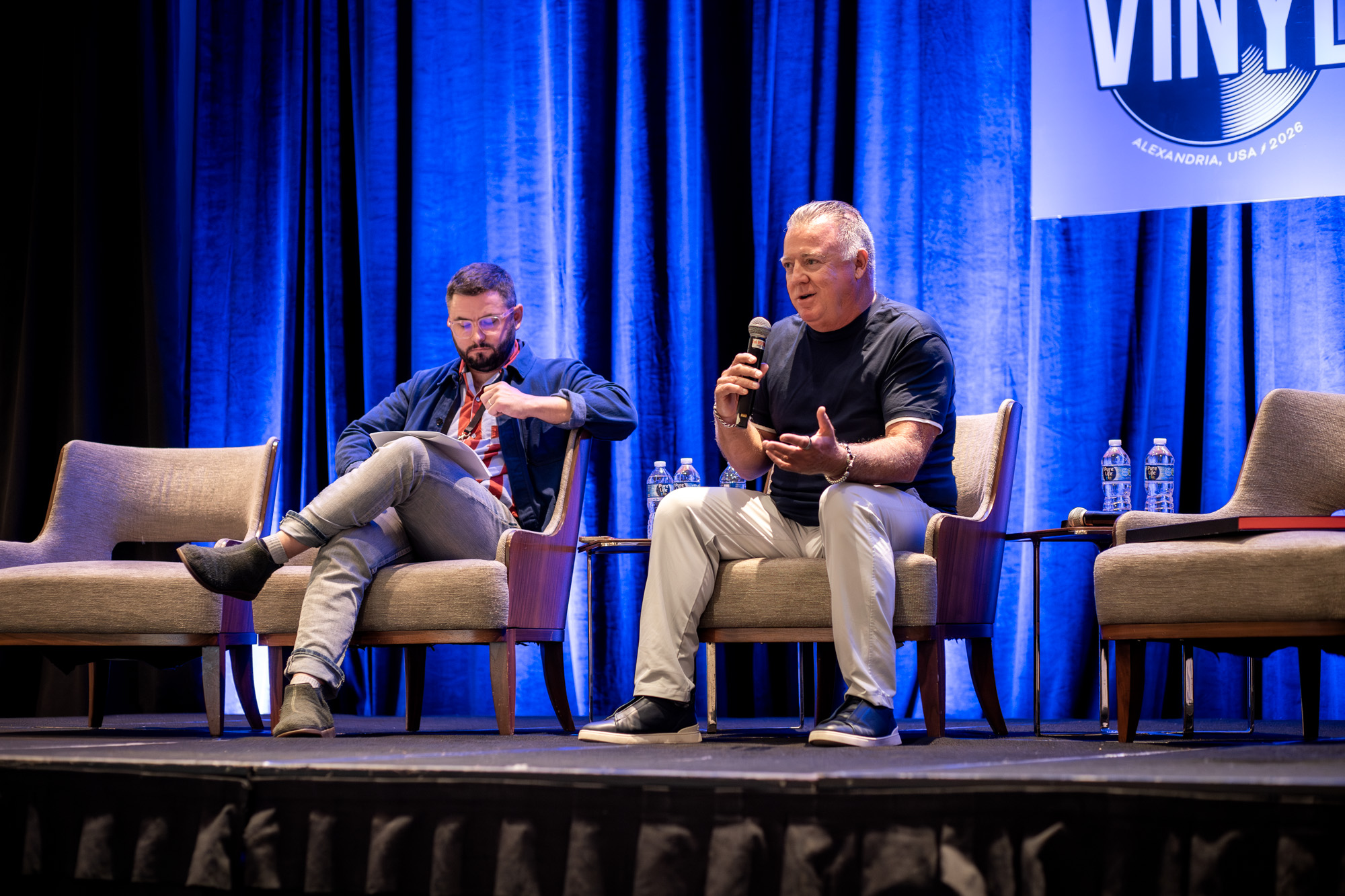
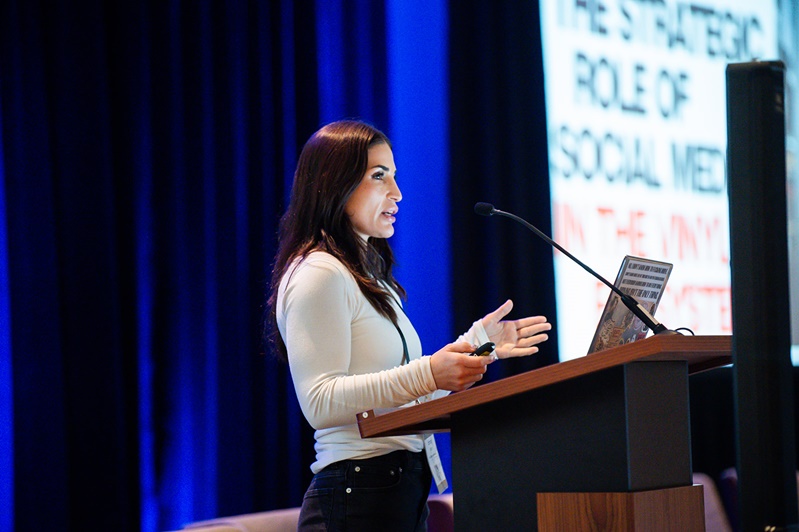
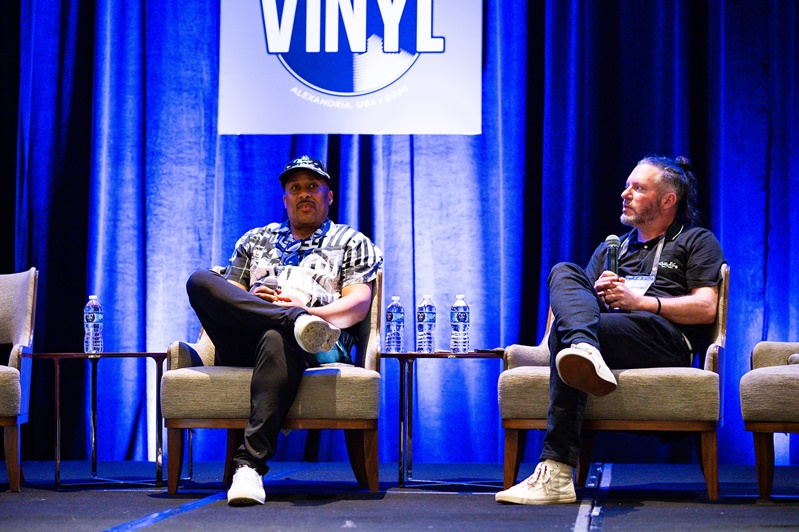
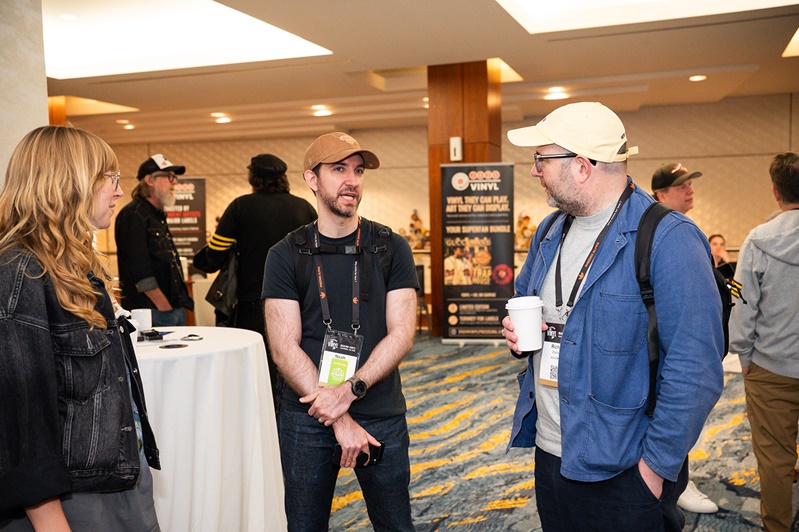
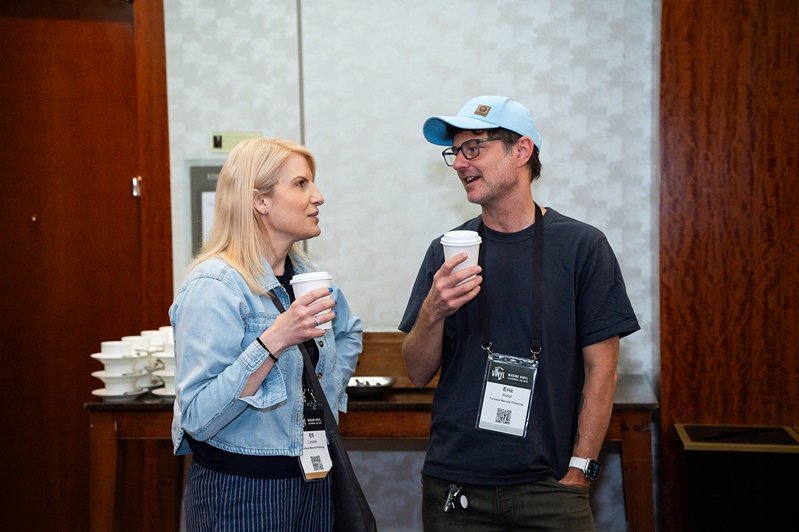
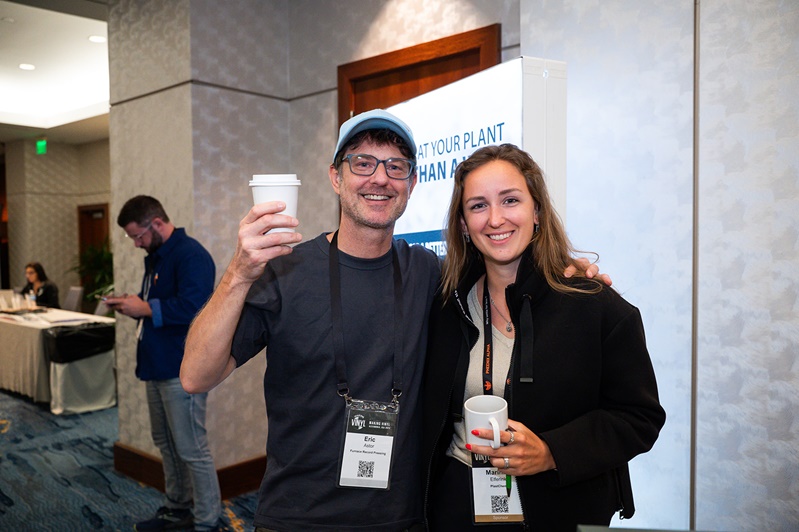
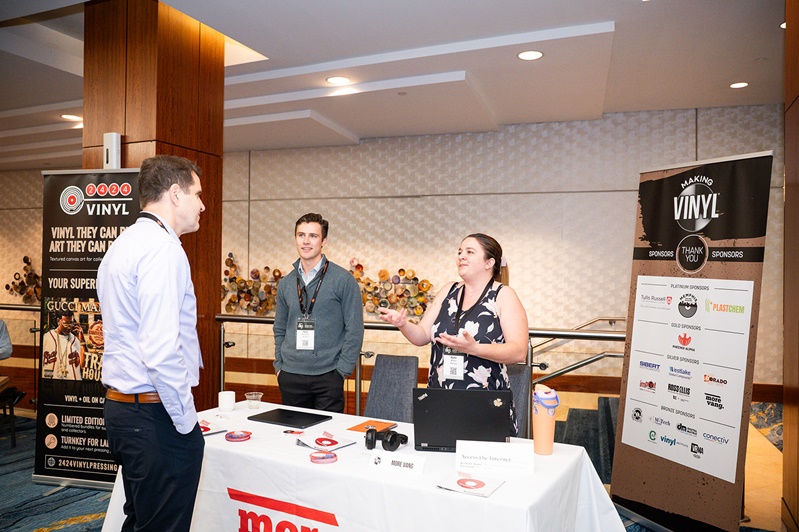
MAKING VINYL, ALEXANDRIA, VA, MAY 28, 2026
PHOTOS: ALEC PUGLIESE
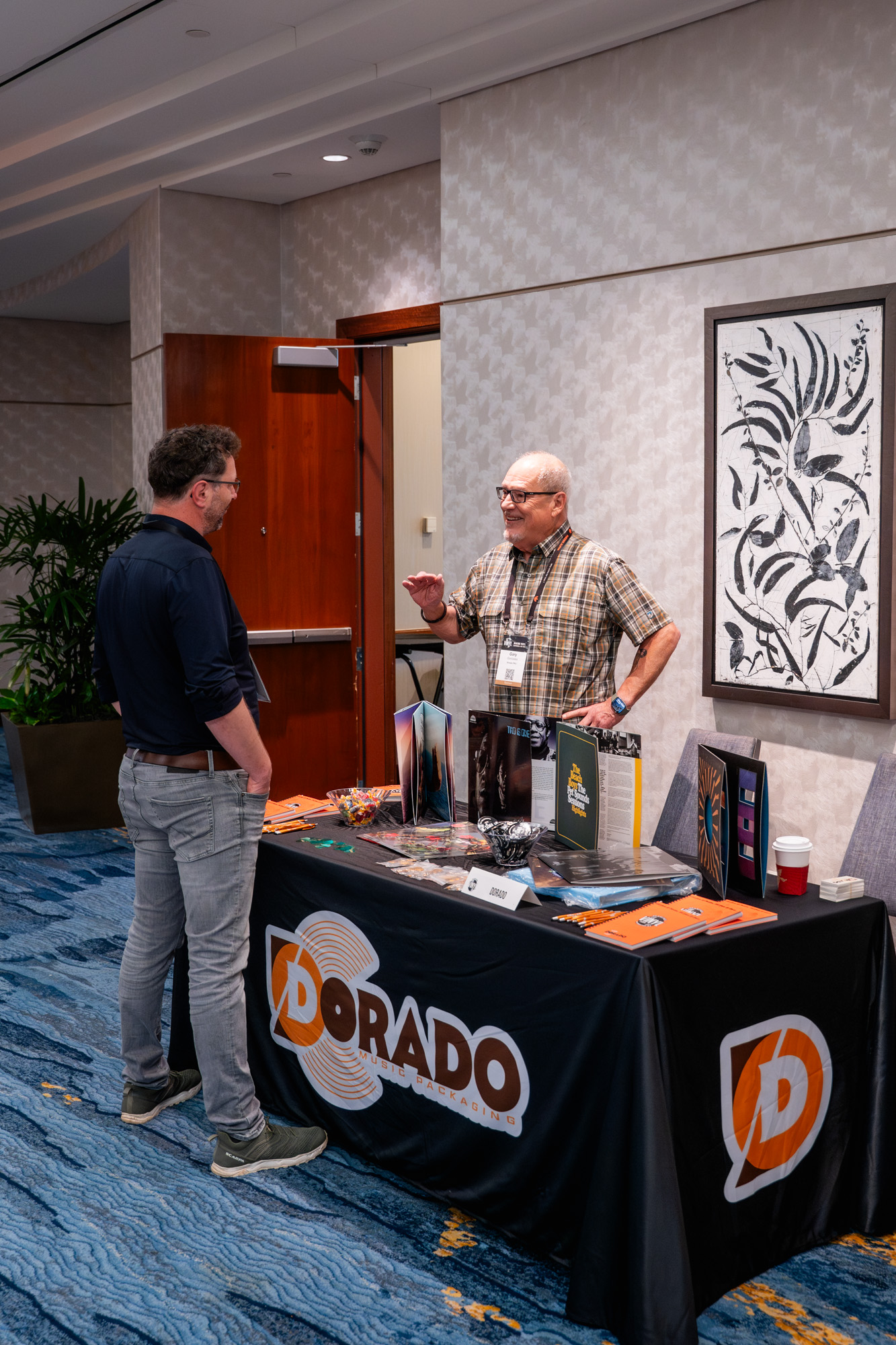
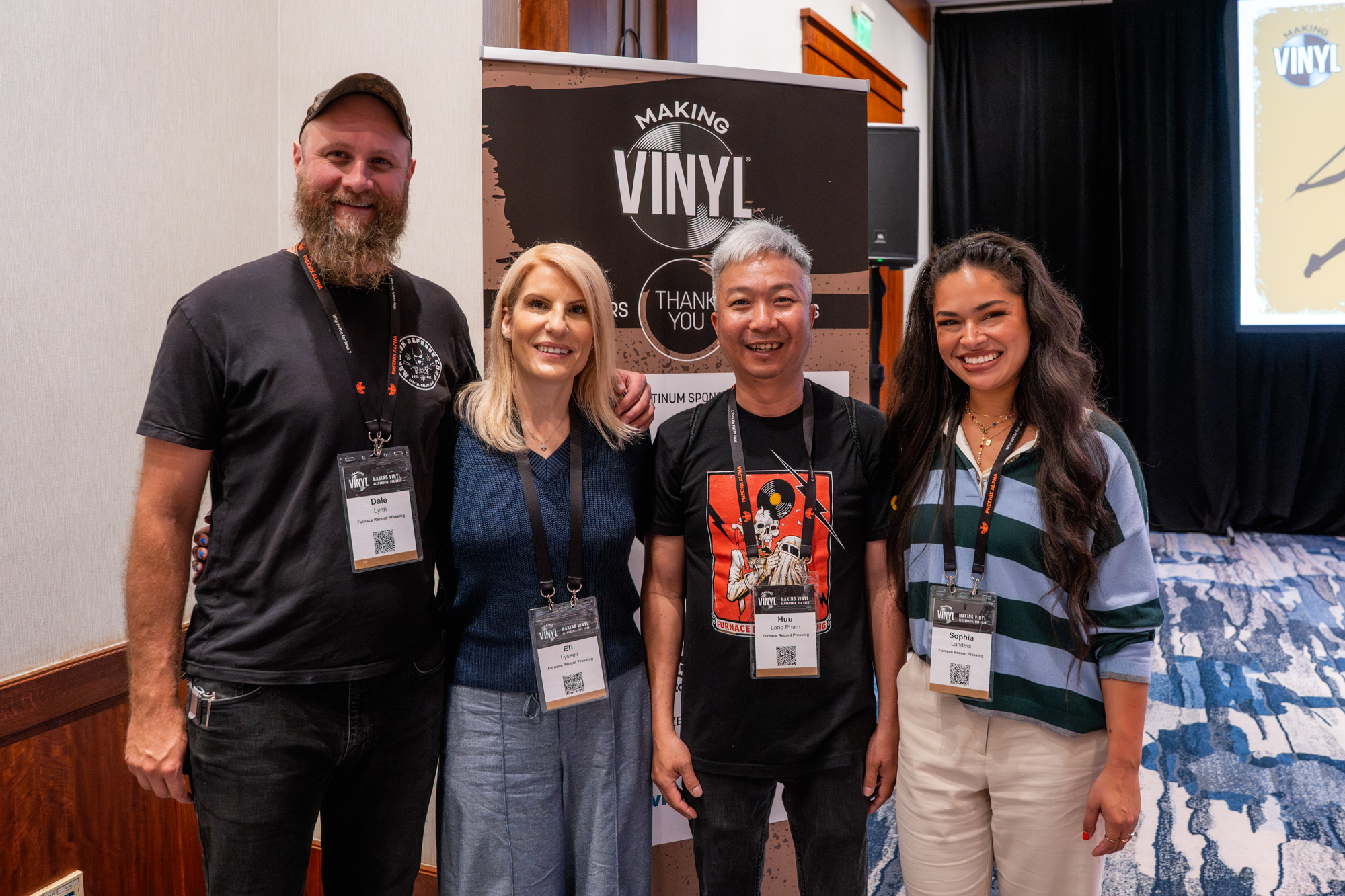
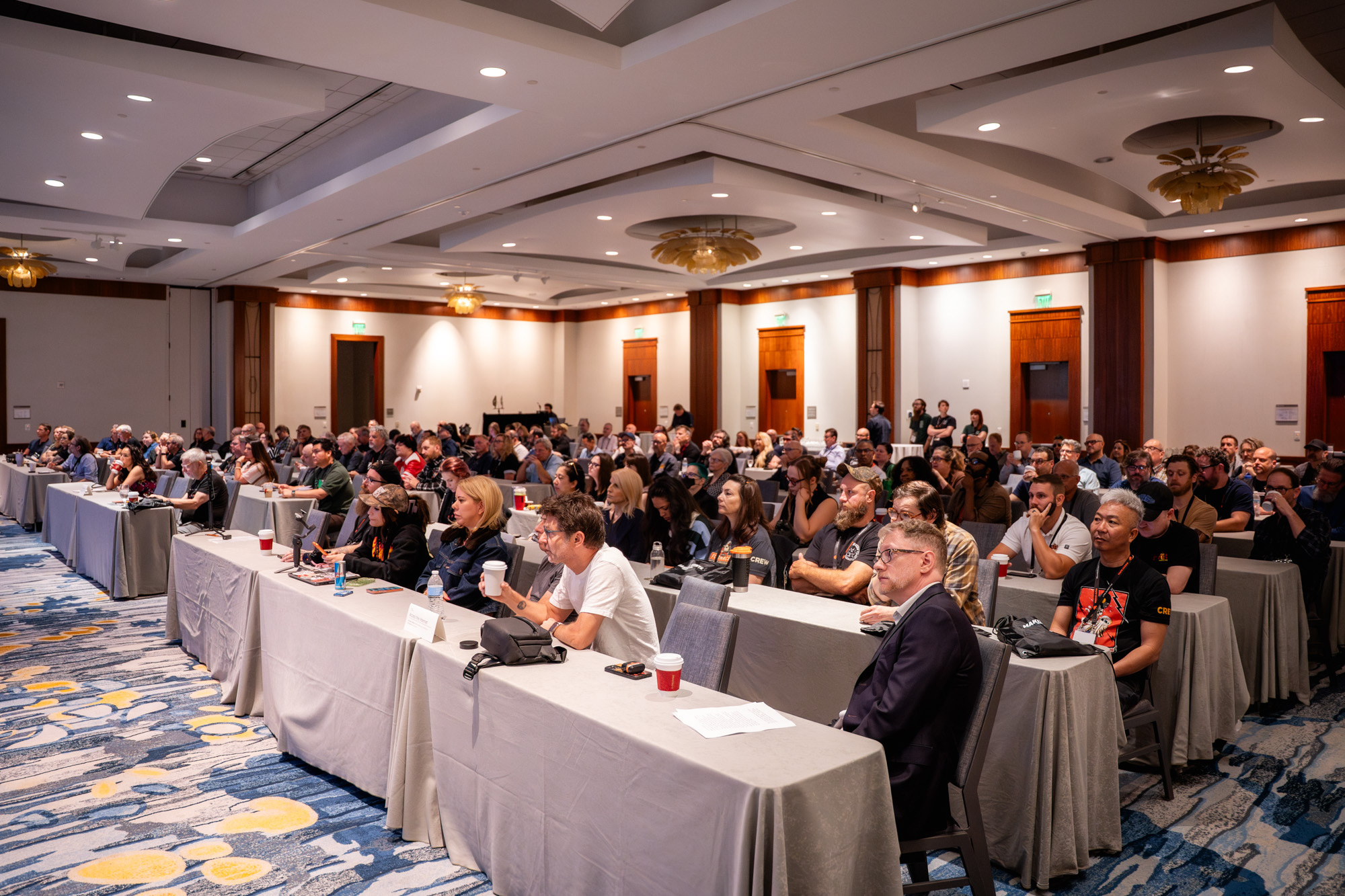
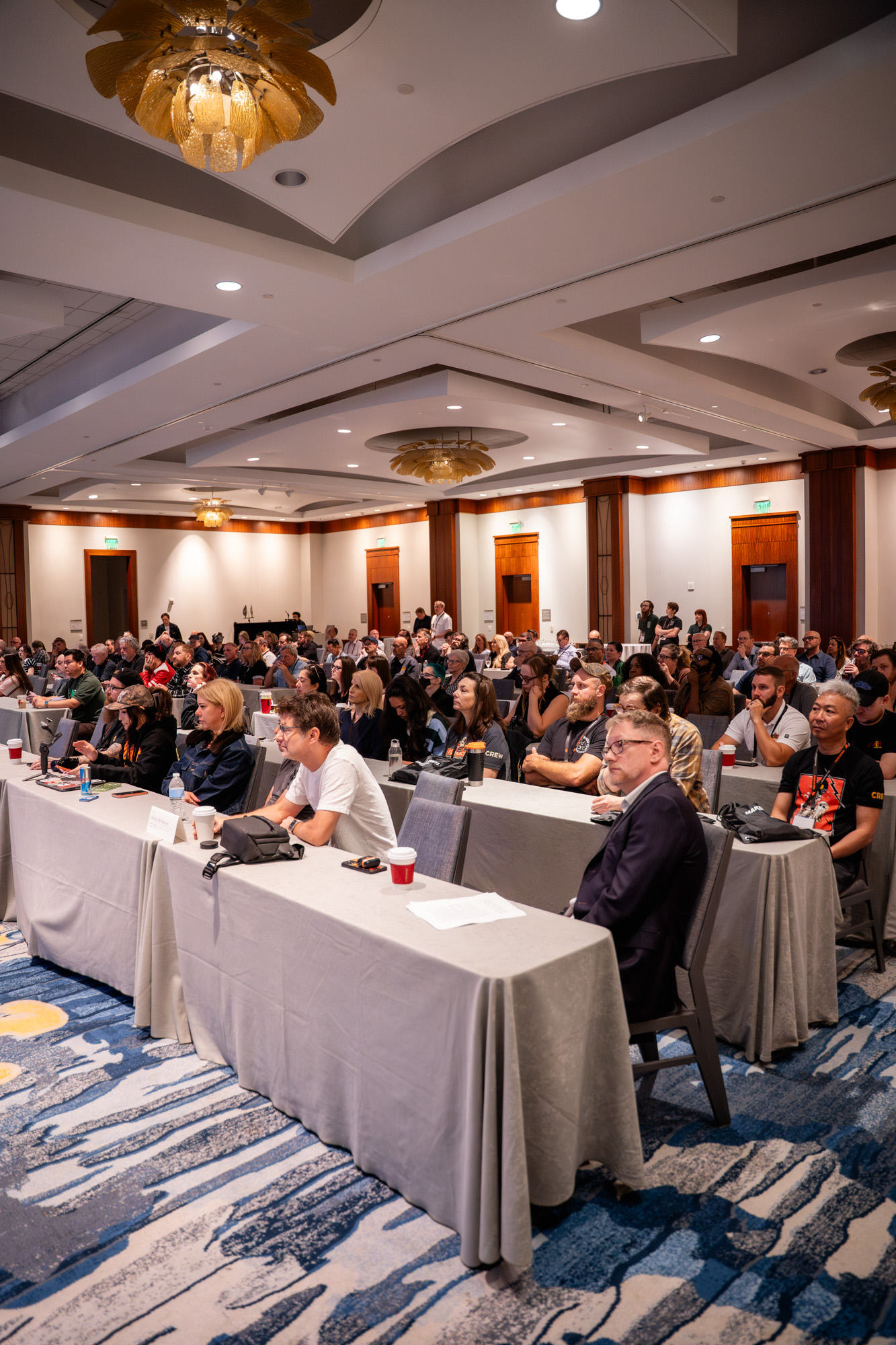
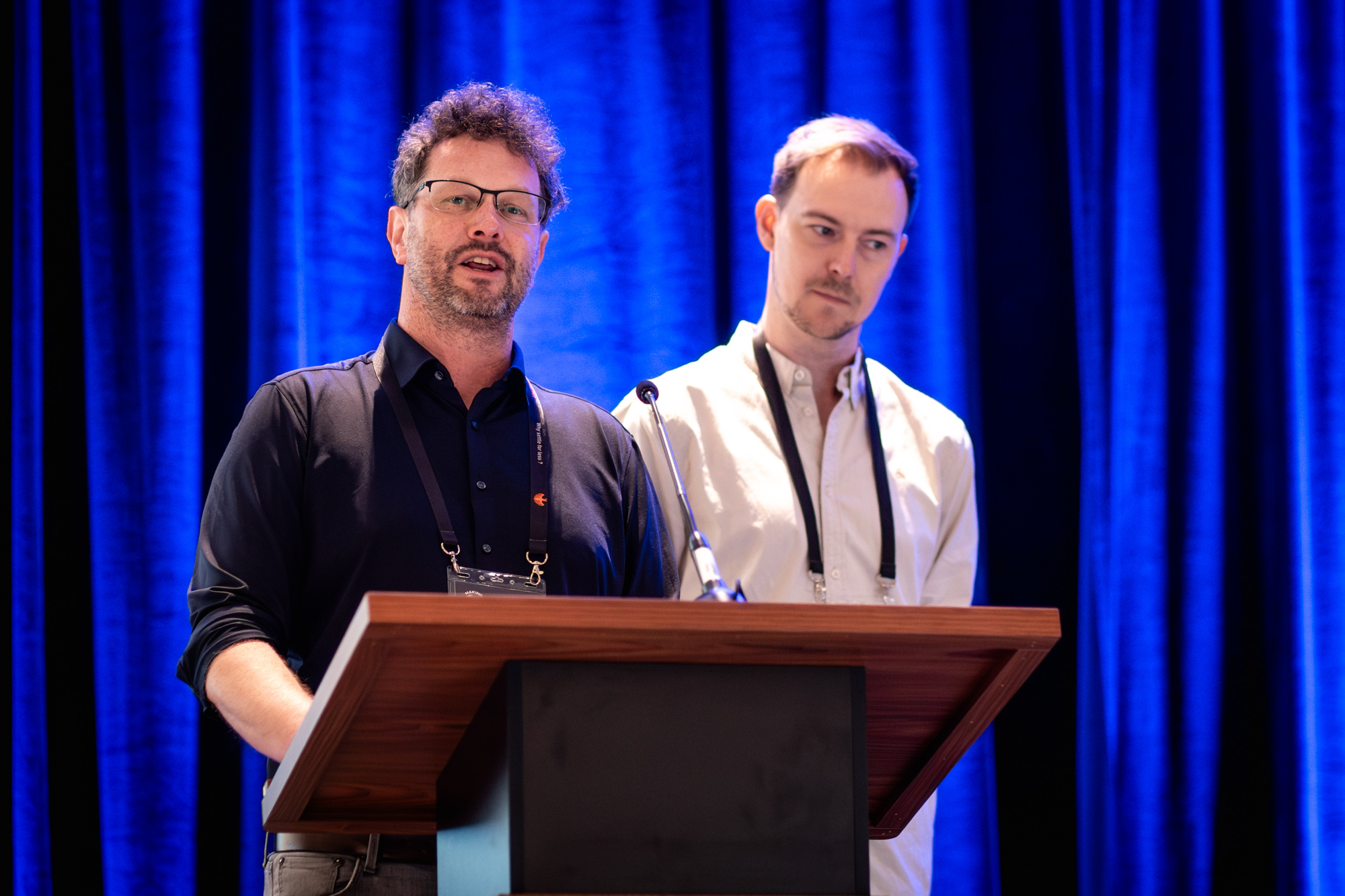


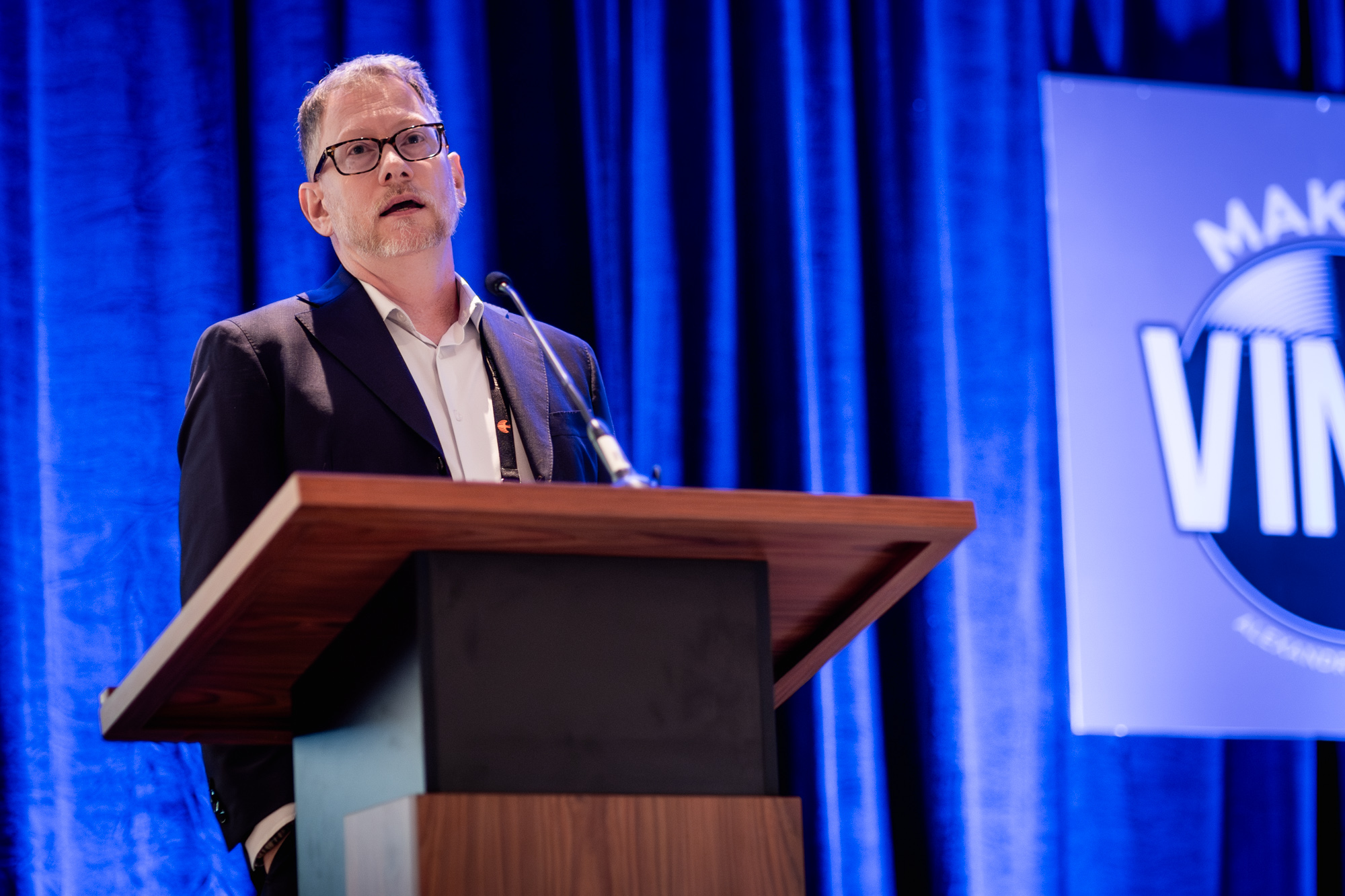

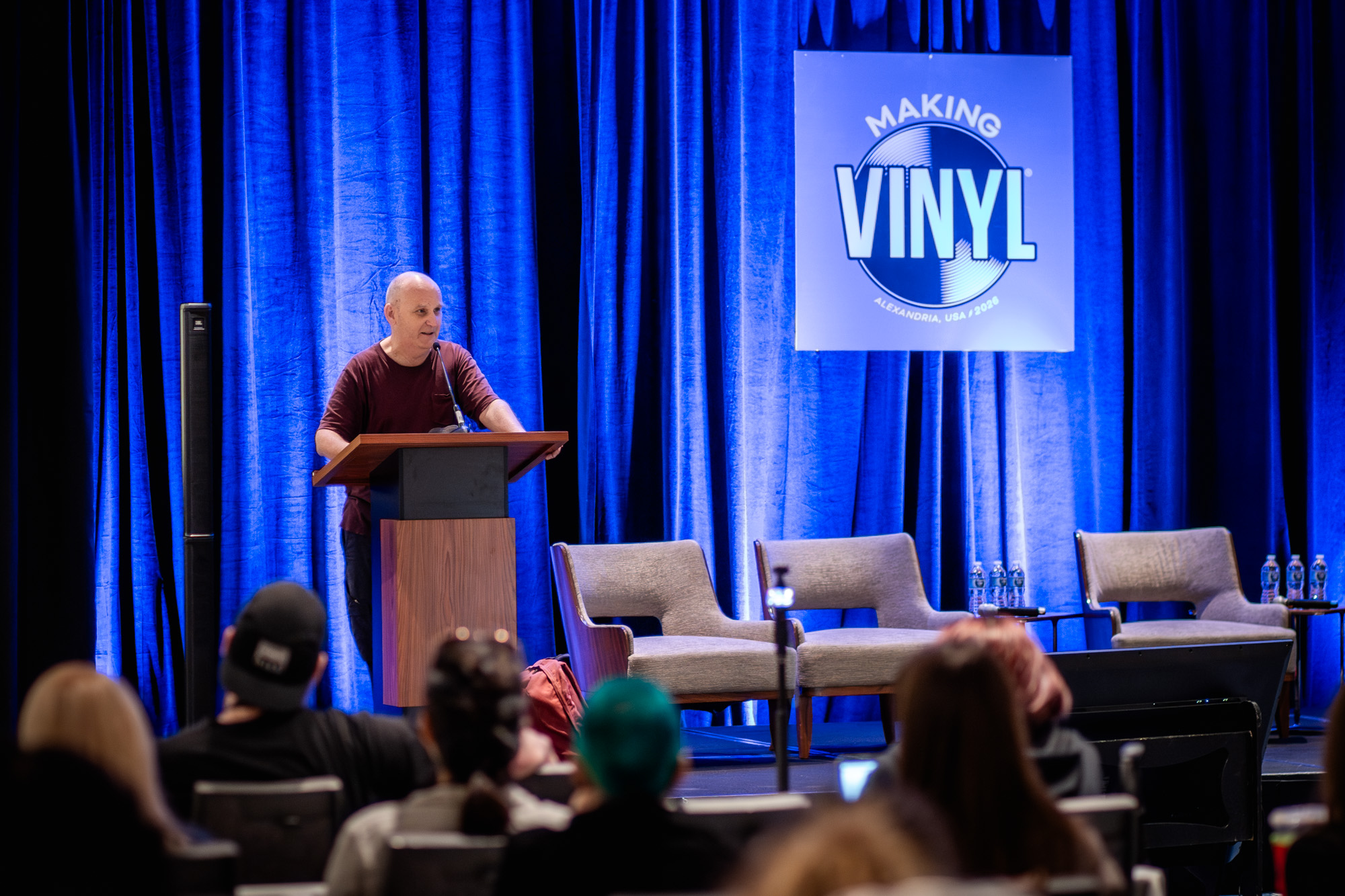
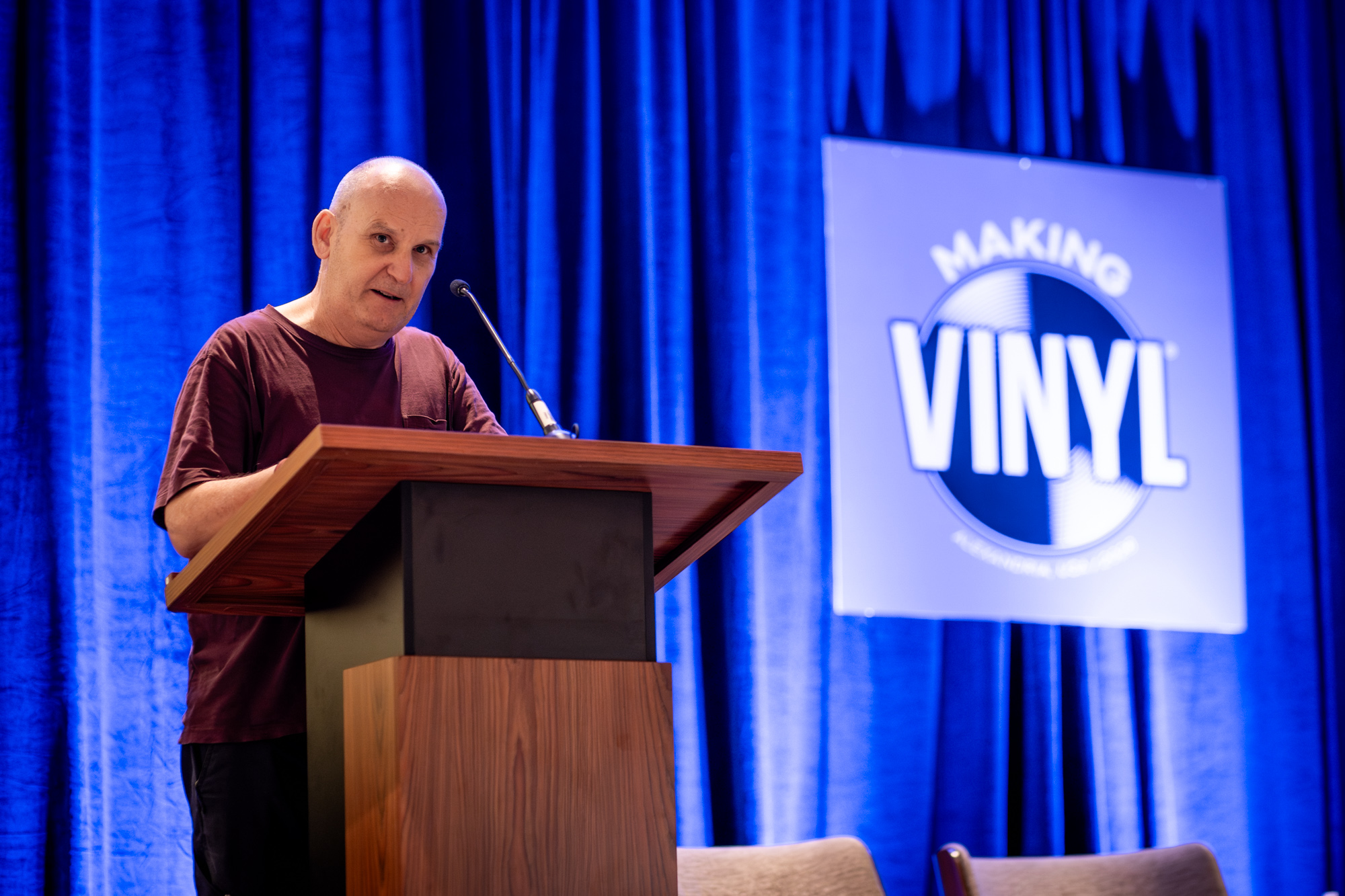




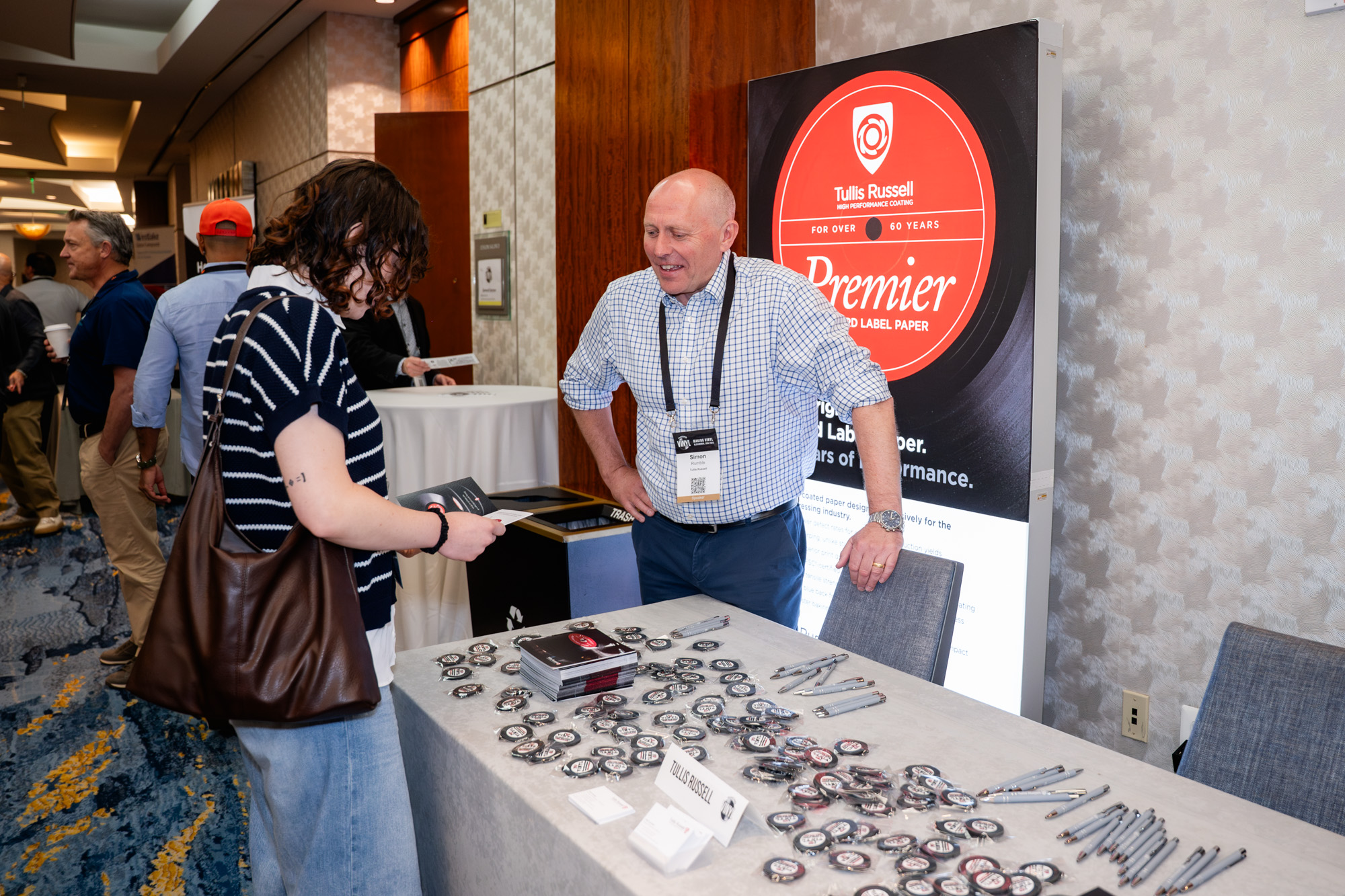


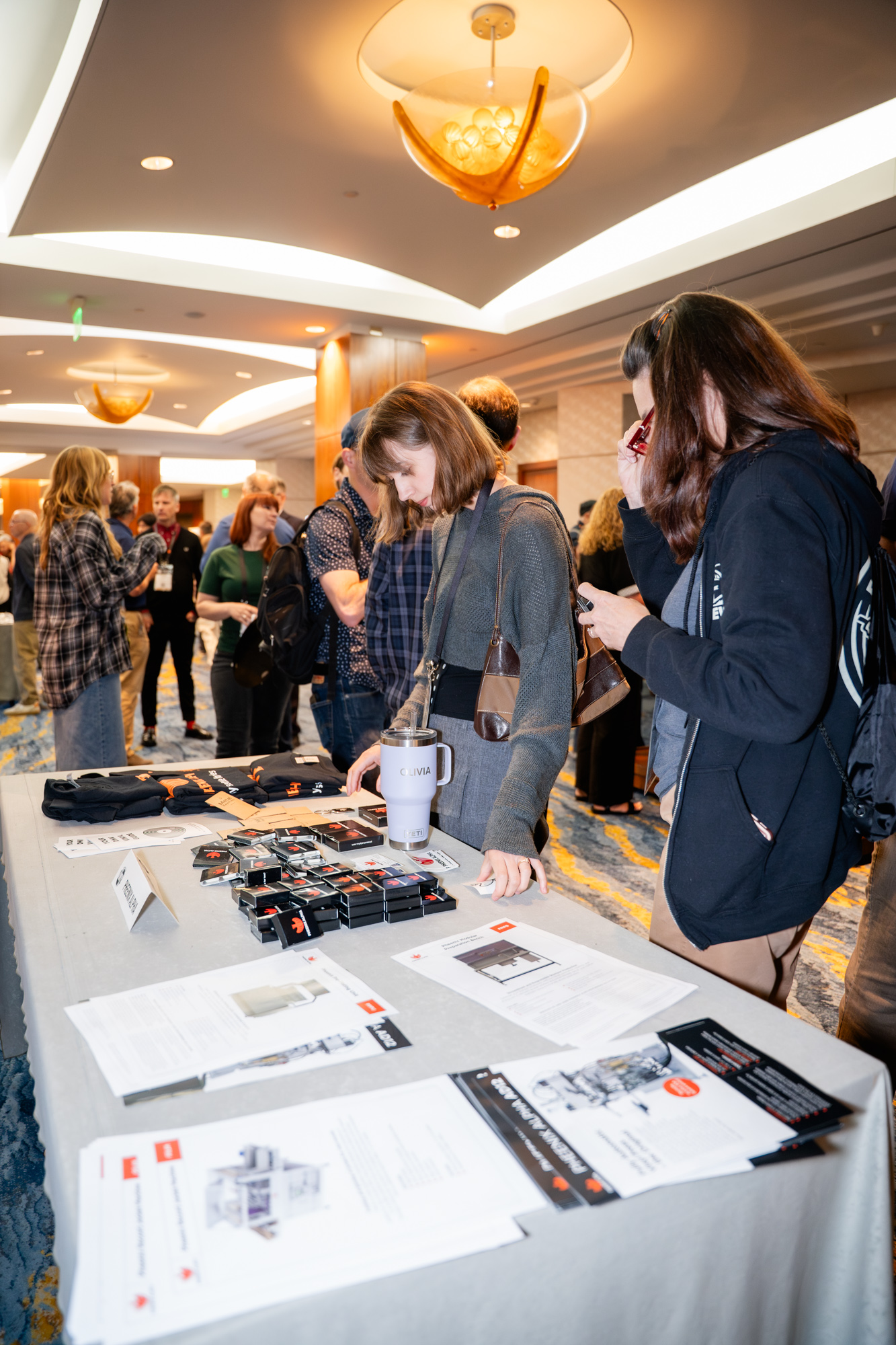

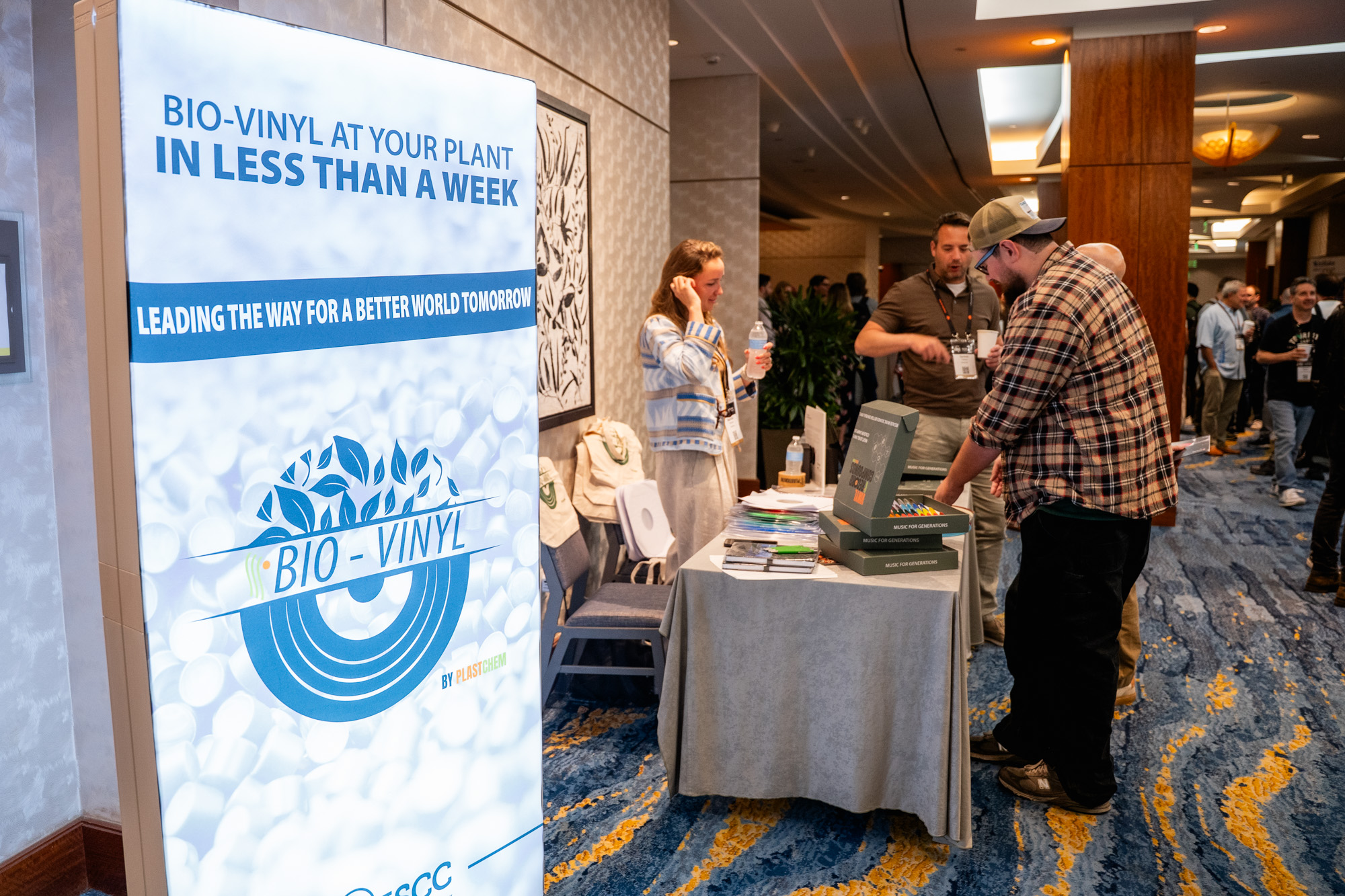


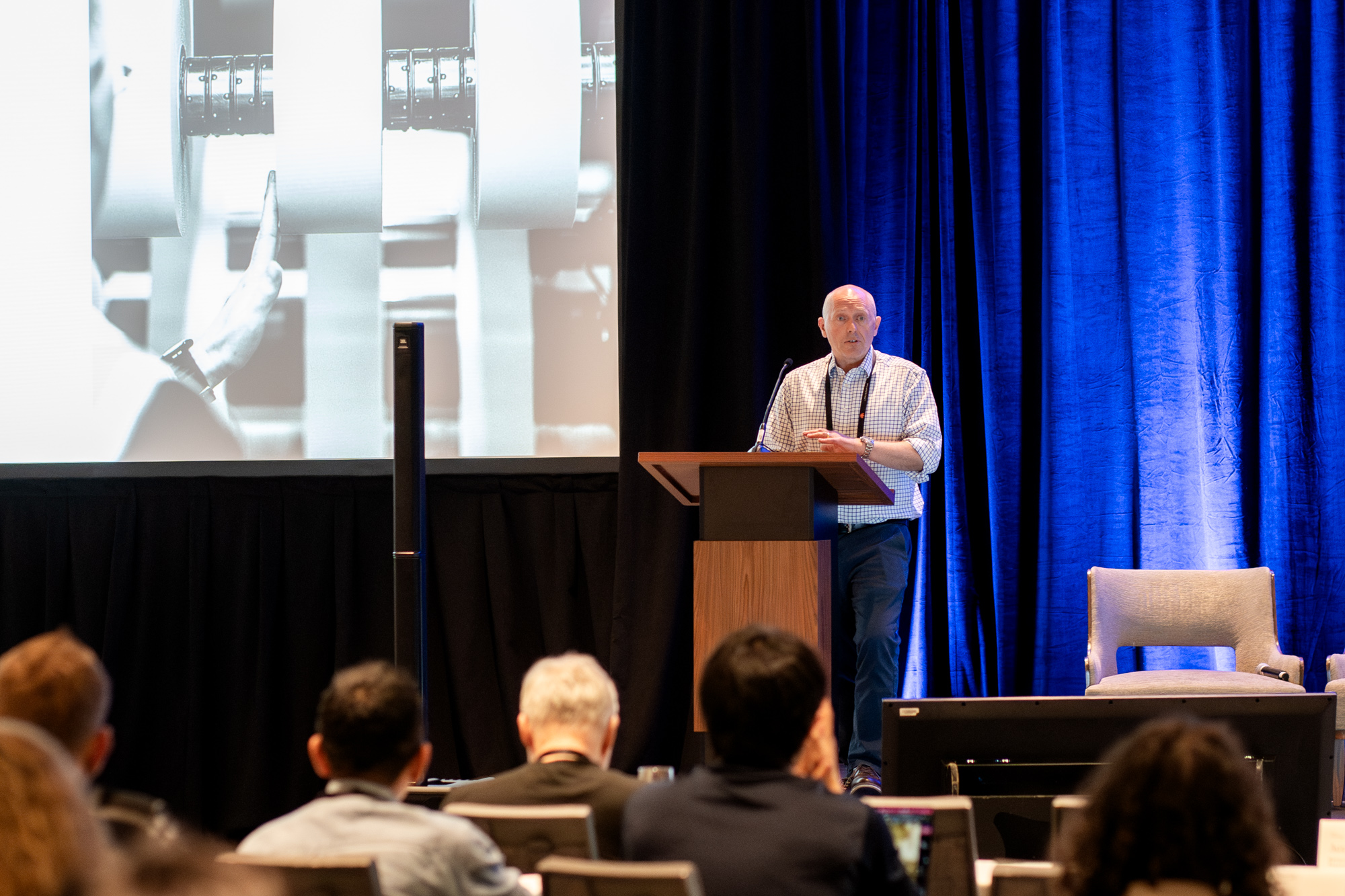

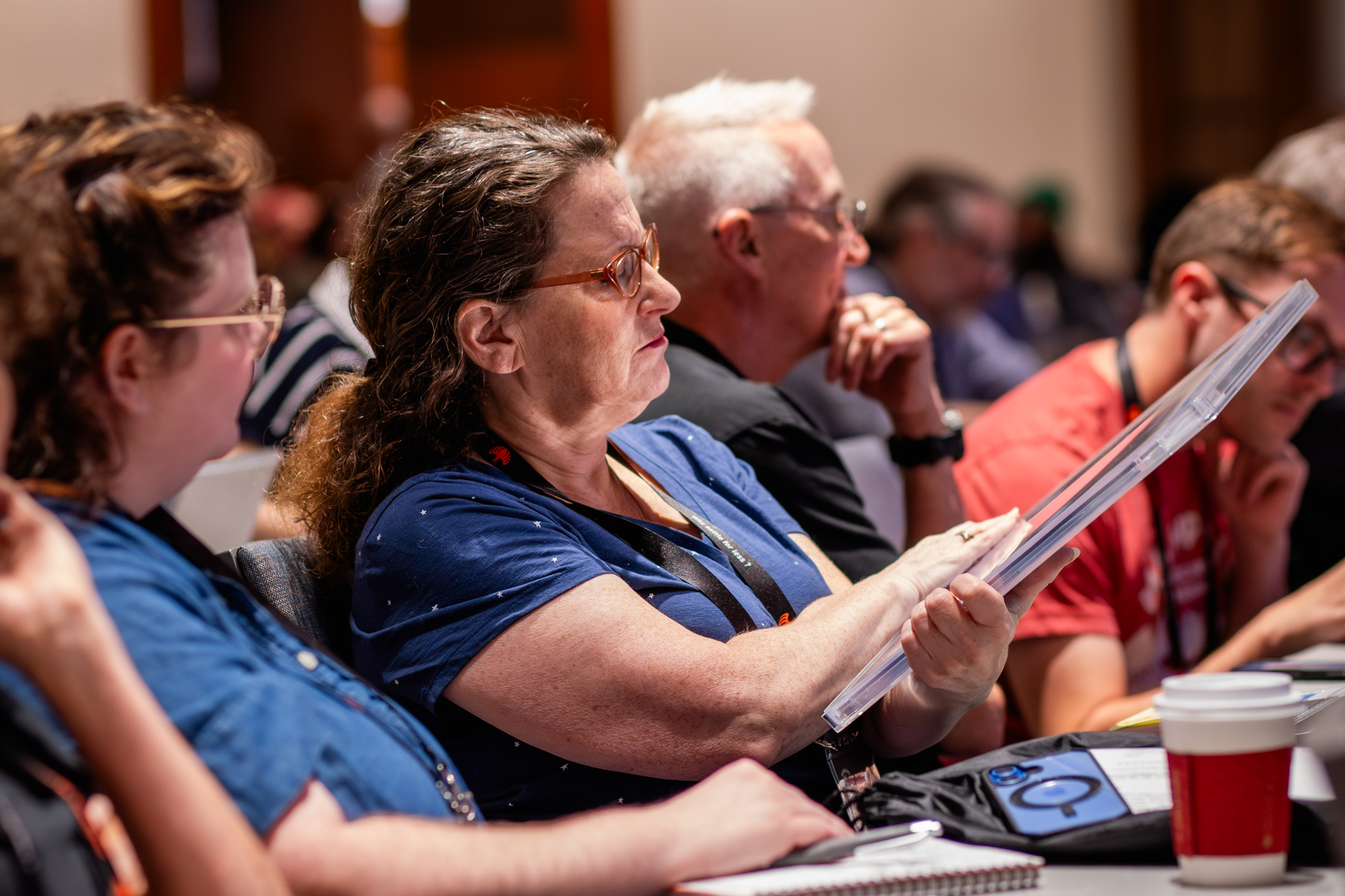

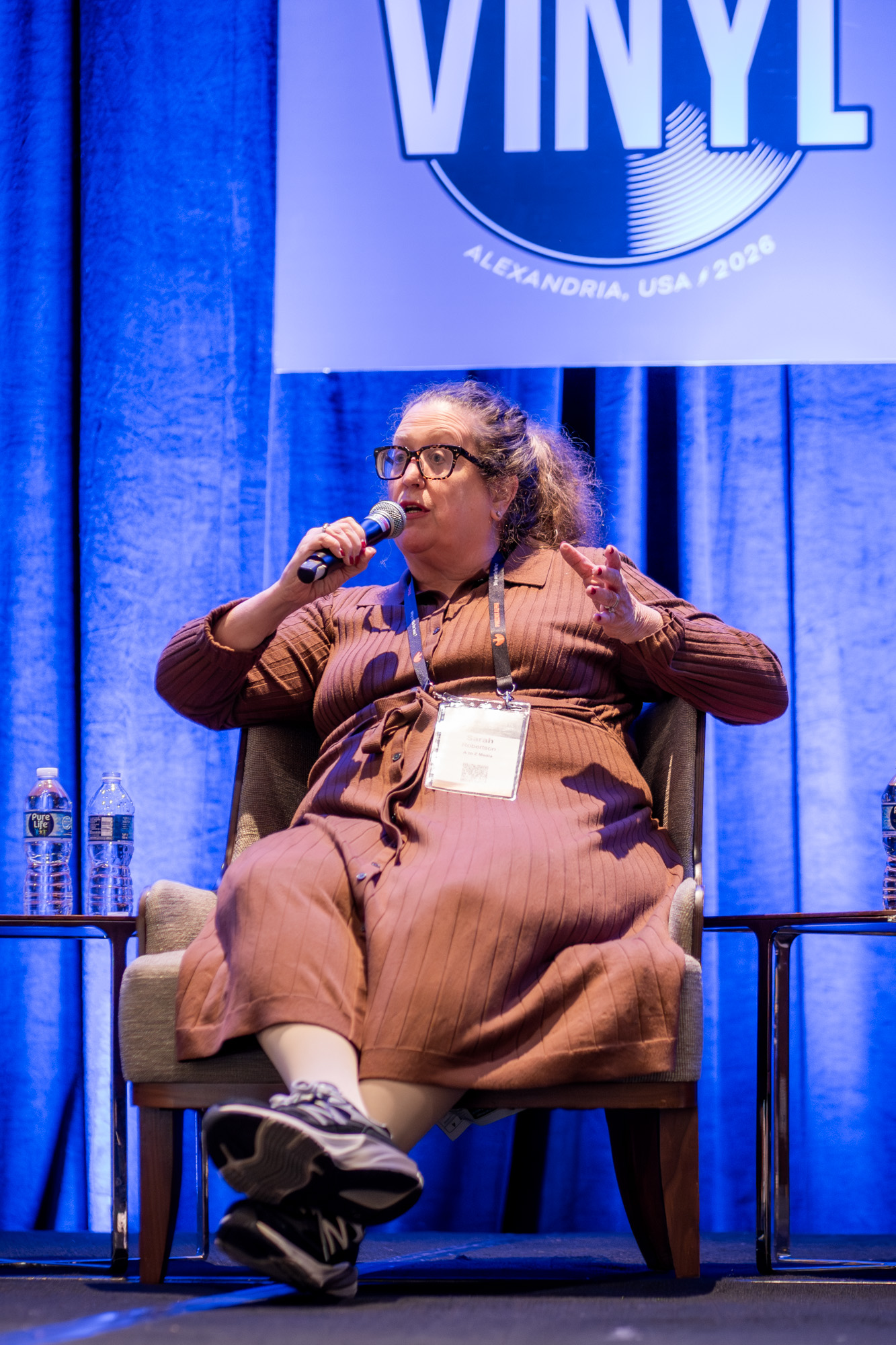




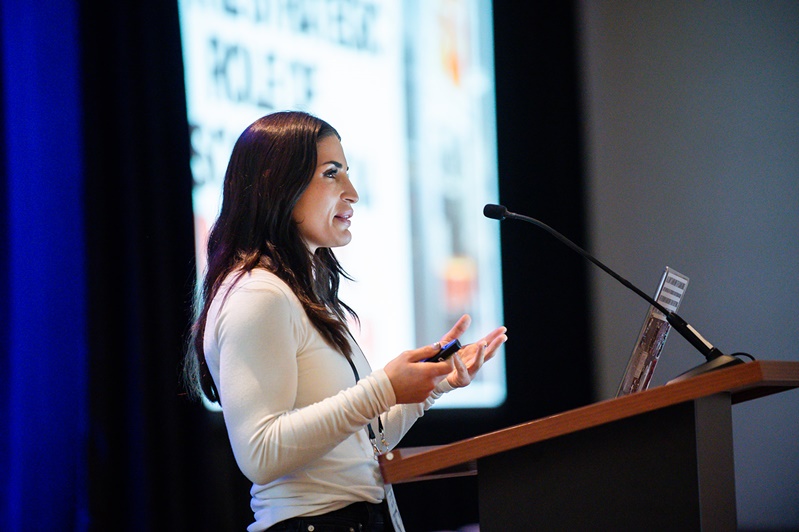
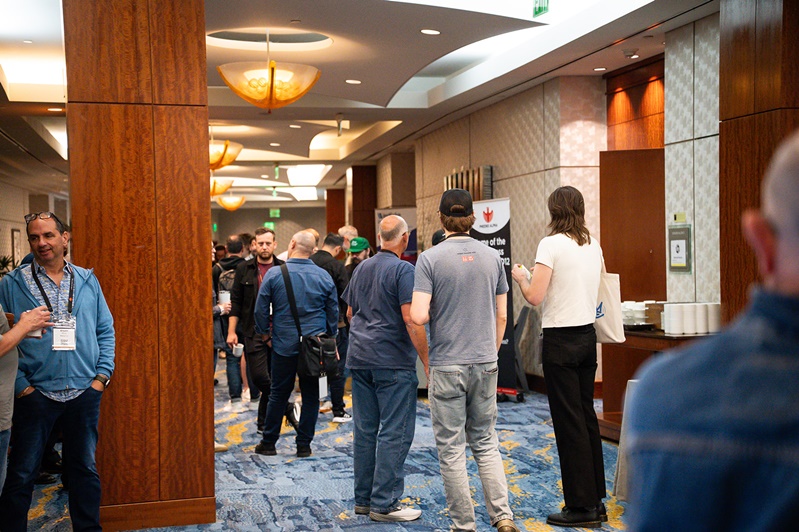
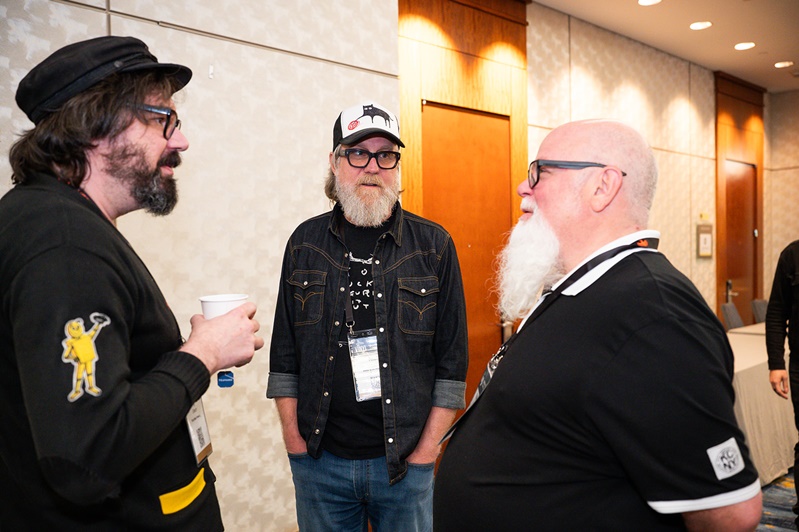
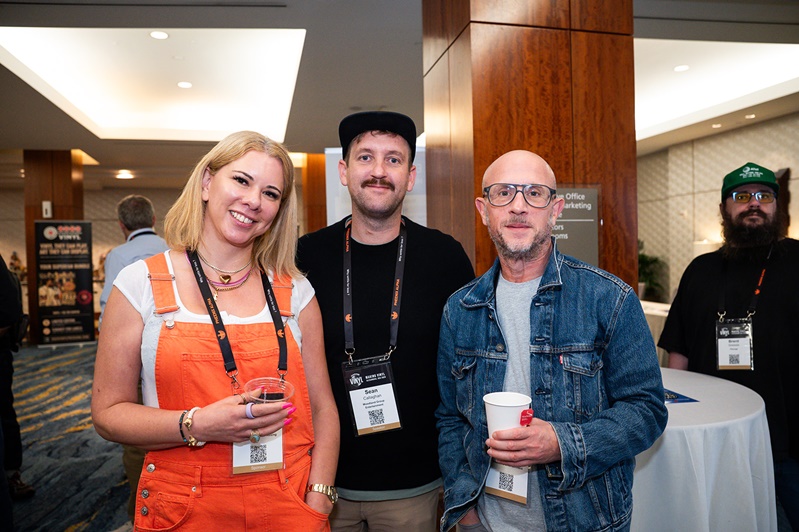
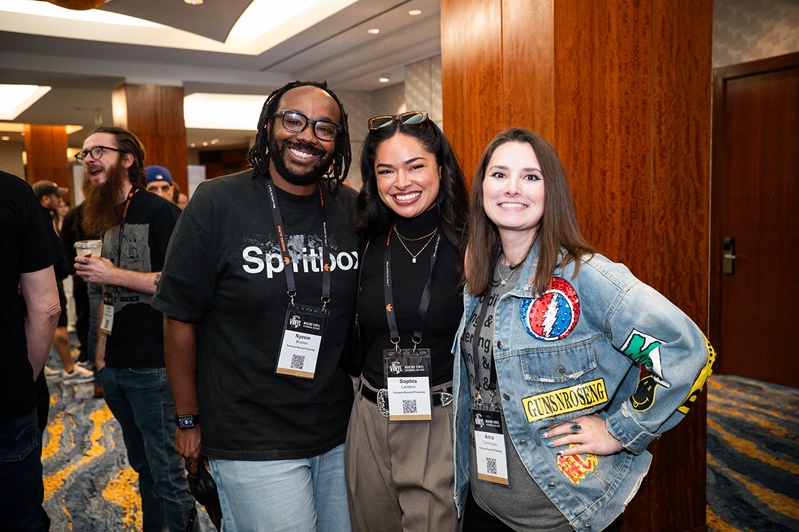
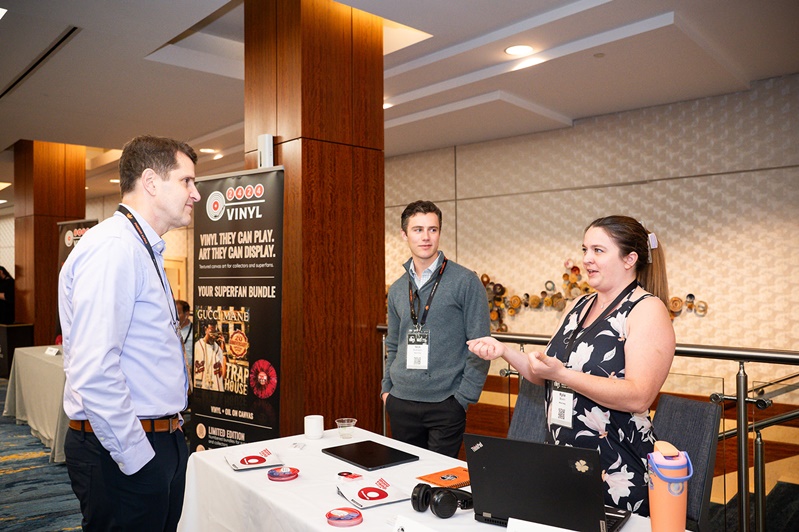
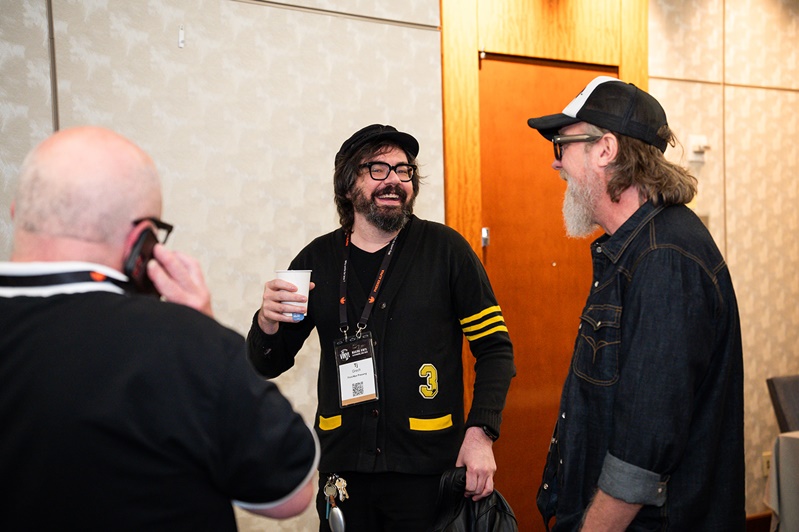
MAKING VINYL, ALEXANDRIA, VA, MAY 29, 2026
PHOTOS: RICHIE DOWNS


































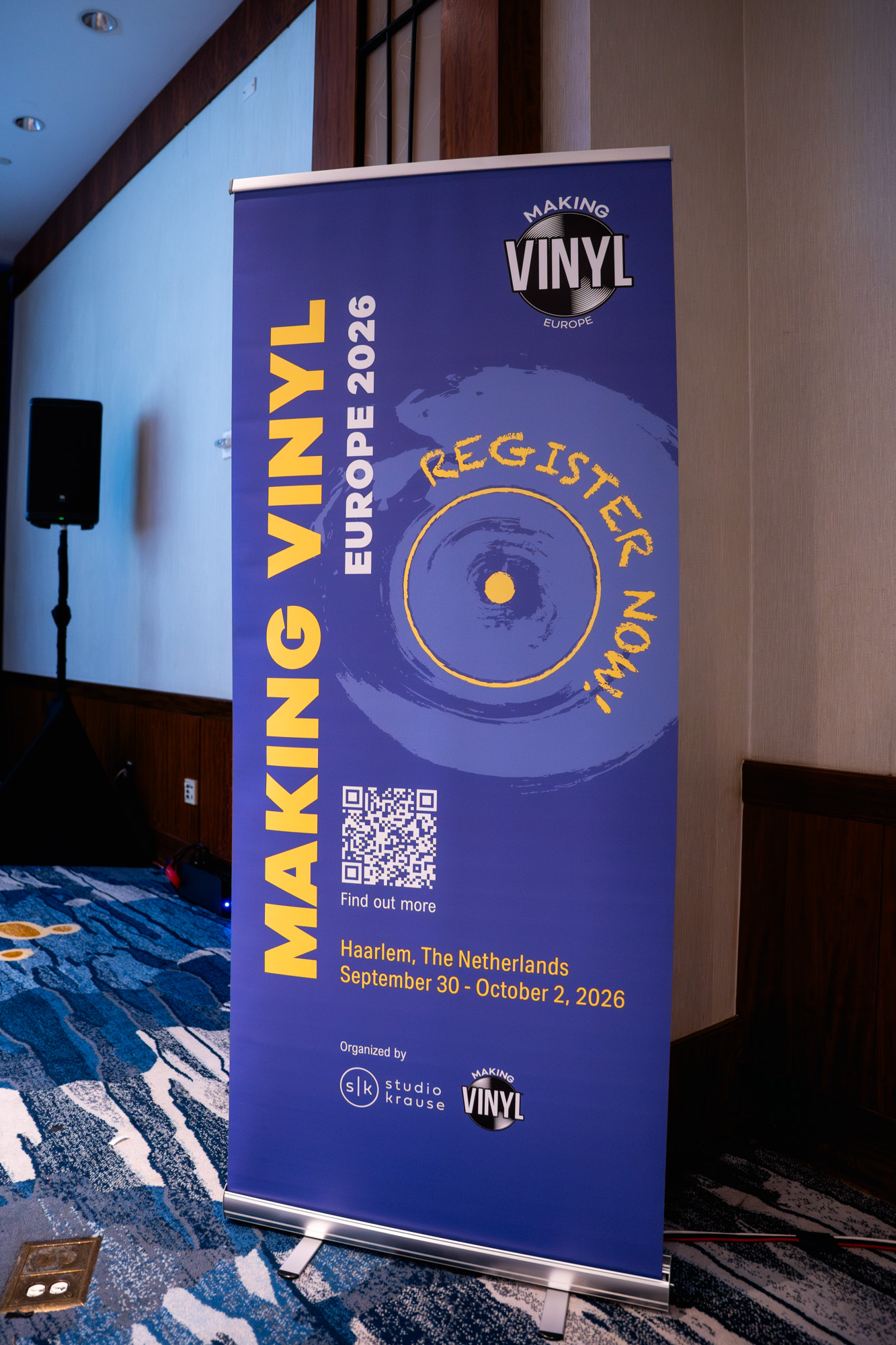
The next conference, Making Vinyl Europe 2026, is planned for Haarlem, The Netherlands, September 30–October 2, 2026, in conjunction with the Haarlem Vinyl Festival.