VIA PRESS RELEASE | Talking Heads’ Fear of Music (1979) channeled the raw, industrial energy of late-1970s New York City into one of the group’s most rhythmically adventurous albums.
 The release of this expanded collection comes alongside a special band appearance on SiriusXM’s Front Row to launch a dedicated Talking Heads SiriusXM channel, where the group directly announced the new edition to fans. Rhino introduces a Super Deluxe Edition arriving November 13 that features rare and unreleased music, as well as new mixes.
Fear of Music (Super Deluxe Edition) is a 3CD/Blu-ray set that includes a new remaster of the original album, a trove of rarities, and two complete concerts from the album’s tour recorded at Boston’s Berklee Performance Center (8/24/79) and the Capitol Theatre in New Jersey (11/17/79). Nearly all the performances are previously unreleased except a few that appeared on 1982’s The Name Of This Band Is Talking Heads. Pre-order here.
The Blu-ray includes new Dolby Atmos, 5.1 surround sound, and high-resolution stereo mixes of the album, along with rare film footage of the band performing two songs in England for the BBC’s popular music show, Old Grey Whistle Test. The live performance of “Life During Wartime” from that BBC broadcast is officially published to the band’s YouTube channel today. The live performance of “Life During Wartime” from that broadcast is available to view today.
Vinyl configurations arrive the same day, led by a 6LP Super Deluxe Edition that collects the remastered album, rarities, and concert recordings. A 2LP version features the remastered album and rarities. Both versions feature a custom etching. The vinyl and CD Super Deluxe Editions come with a 60-page hardcover book featuring rare photos and deep-dive liner notes by Will Hermes, author of Love Goes to Buildings on Fire: Five Years in New York That Changed Music Forever.
Released on August 3, 1979, Fear of Music earned Tina Weymouth, David Byrne, Chris Frantz, and Jerry Harrison their highest placement yet on the Billboard 200, peaking at No. 21 and becoming their first gold album. Its dystopian anthem “Life During Wartime”—which officially achieves RIAA Gold certification status for the very first time today—cracked the Billboard Hot 100 as a left-field Top 40 success, introducing the band to an even wider audience. Critics praised the album’s anxious songwriting and producer Brian Eno’s dense, layered production—with NME, Melody Maker, and the Los Angeles Times all crowning it the best album of 1979.
Despite the breakout success of More Songs About Buildings and Food the previous year, the band was determined to record Fear of Music in a different way and at a new studio. Harrison explains, “We felt that if the process was different, the album would have an individual quality of sound as well as songwriting.”

They bypassed commercial studios altogether, tracking the album over two days in Weymouth and Frantz’s Long Island City loft rehearsal space. “The music for the album had been mostly written, arranged, and rehearsed there and we felt that the acoustics of our rehearsal space would make for an interesting contrast in sound to our previous two albums. Eno was keen on the idea, too,” Frantz wrote in his memoir Remain In Love.
Eno and the band used the studio as a compositional tool, altering tracks long after the basic loft sessions were finished. On “Drugs,” they took a conventional backing track and systematically muted instruments, stripping away individual notes to force space into the mix. They also added a recording of koalas Byrne made on tour in Australia, and a guitar solo made from fragments of multiple solos. Byrne says: “Finally, I sang the song after jogging in the studio, because for some reason I wanted to sound out of breath.”
The song gets its strength from the rhythm section, in particular Weymouth’s deceptively simple bass lines, pumped up by Eno. “I play bass much less delicately than [Byrne] plays guitar, but I think all singers need a depth of bass and drums behind them; it gives them more strength to scream.”
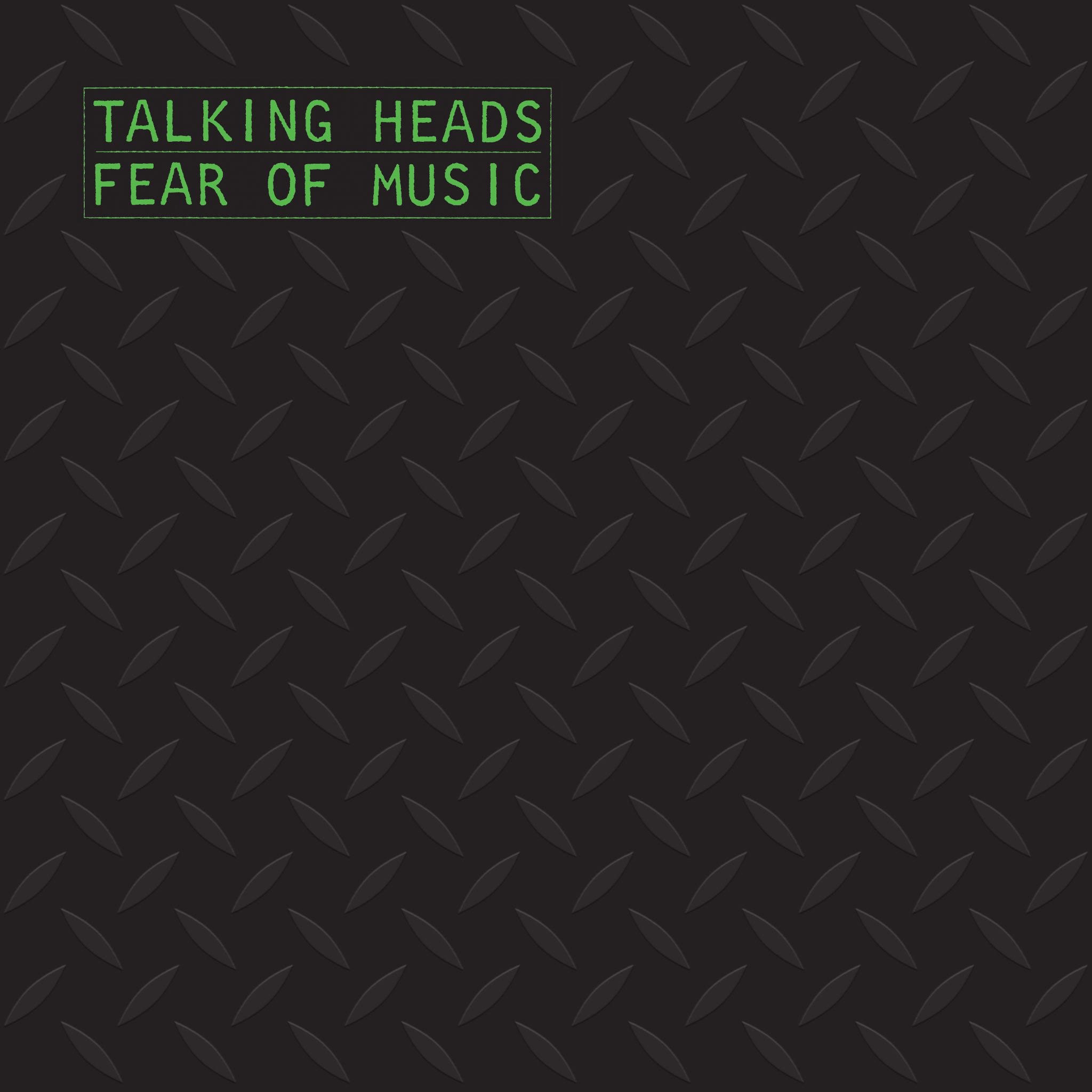
In the liner notes, Hermes argues that New York City looms larger over this record than any other by the band: “Even the record’s packaging telegraphed it.” The distinctive matte-black, embossed sleeve was originally suggested by Harrison, who spotted a diamond tread pattern on the industrial rubber flooring in the loft of Yann Weymouth (Tina’s architect brother). Hermes adds, “[It] evokes all sorts of impenetrable, vaguely menacing urban ambience, from steel tread plates on trench covers and sidewalk curb ramps to those perilously omnipresent delivery truck lift-gates.”