
VIA PRESS RELEASE | More than half a century after it was recorded, The Cyrkle’s The Minx, an album of lush pop, psychedelia, and film music from the band behind the ’60s classics “Red Rubber Ball” and “Turn-Down Day,” returns October 2 via Sundazed Music. Available on white vinyl and CD, both accompanied by a DVD featuring the original 1969 feature film, the album is available for pre-order.
 Remastered from the original master reels with the full participation of the band members, the expanded edition The Minx features 20 tracks, including alternate and film versions of “Squeeze Play,” “Murray The Why,” and “Nicole,” along with “Baxter’s Dangerous Game,” “Terry’s Escape,” “Kites,” and an alternate instrumental version of “Something Special.” The expanded edition also includes bonus tracks and extensive liner notes that illuminate one of the strangest and most compelling chapters in The Cyrkle’s history.
Presented alongside the original feature film on DVD, The Minx can finally be experienced in its full, wonderfully strange late-’60s context—part pop album, part film score, part psychedelic curio and a revealing final chapter from one of the era’s most distinctive hit-making groups.
Recorded in mid-to-late 1967, The Minx is, in many ways, the great lost Cyrkle album. Created as the soundtrack to a provocative independent film, the sessions arrived as the group was moving beyond the pristine folk-pop that had taken them into the Top 20 and toward something more adventurous. Laden with three-part harmonies, breezy arrangements, psychedelic flourishes, and inventive instrumental passages.

 By the time I became acquainted with them in the mid-‘80s, XTC was essentially a critics’ fave, largely functioning as an album band. This was the era of Skylarking, and while “Dear God,” the b-side of that LP’s first single “Grass,” kicked up quite a bit of dust via MTV and even replaced “Mermaid Smiled” on the US version of the disc, in the US it only managed to land on a now defunct barometer of radio play named the Billboard Album Rock Chart, where it found modest success.

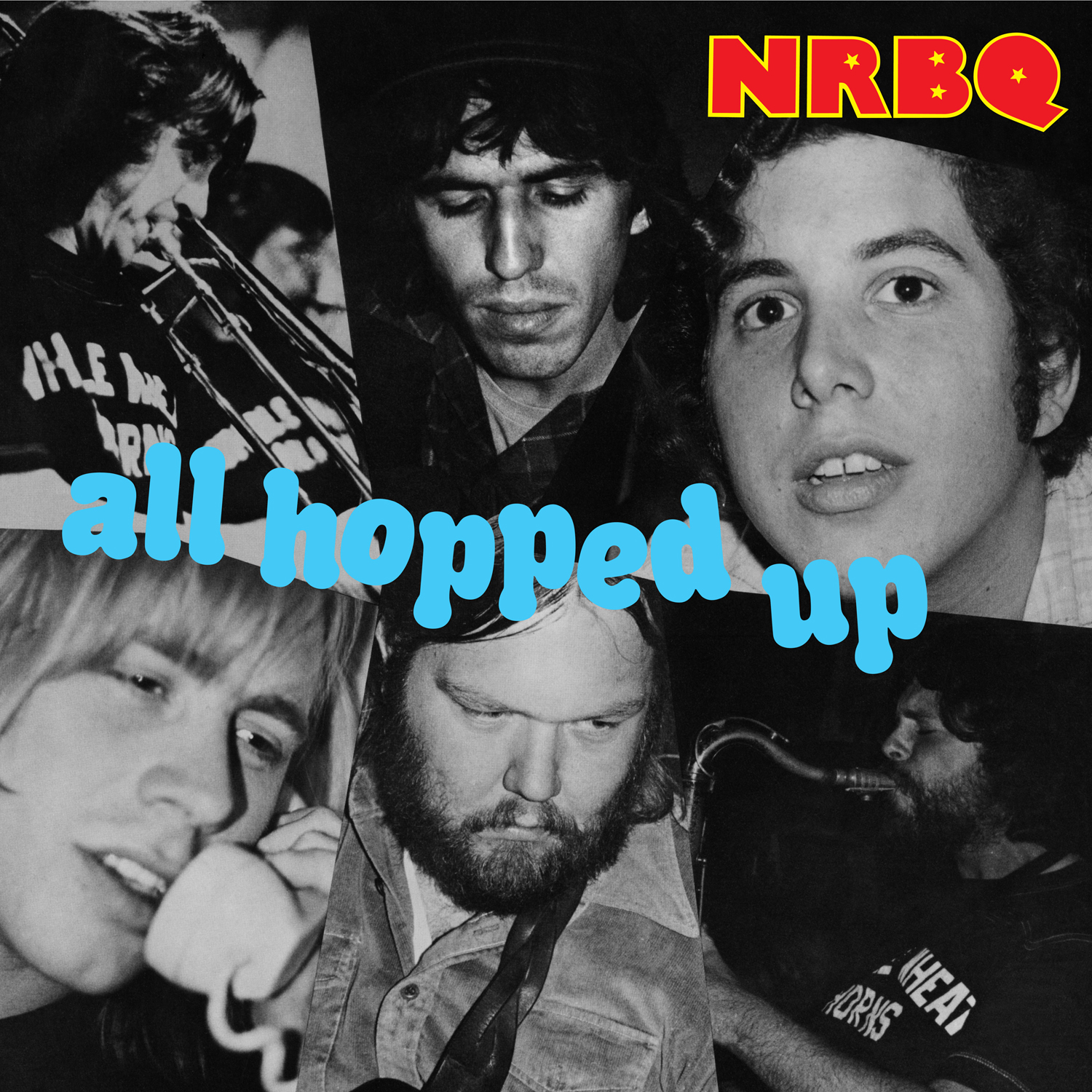
 Their name originally stood for the New Rhythm and Blues Quintet. Formed by guitarist Steve Ferguson, pianist Terry Adams, drummer Tom Staley, bassist Joey Spampinato (aka Jody St. Nicholas), and vocalist Frank Gadler, they combined a stylistic eclecticism—the titular R&B, rockabilly, early Brit-invasion pop, jazz, and even more into a highly potent and easily digestible brew. But if one possesses an unusual level of diversity, constant factors were also at play. Foremost was a lighthearted sincerity about their shared influences, but NRBQ are also among the least egocentric bands, both musically and in terms of personality, to have spanned decades of neglect.
 Formed in 1973 with Chris Watson and the late Richard H. Kirk, Cabaret Voltaire stands alongside Throbbing Gristle and Clock DVA as a pioneer of the late-’70s and ’80s experimental underground, fusing tape manipulation, found sound, early synthesizers, and confrontational visuals into something no one had heard before. Records like the 1979 single “Nag Nag Nag” and 1980’s “Three Mantras” drew from Dadaist provocation and post-industrial Britain, rejecting rock orthodoxy in favor of pure experimentation and, in doing so, shaped industrial music, post-punk, EDM, and club culture itself.