VIA PRESS RELEASE | On October 25th, Matador Records will reissue Gang Of Four’s third album Songs of the Free on vinyl and the digital remaster is available now. The album is pressed on standard black vinyl and has been remastered from the original tapes by Frank Arkwright at Abbey Road with supervision by Jon King.
Gang of Four was formed in Leeds in 1976 by bassist Dave Allen, drummer Hugo Burnham, guitarist Andy Gill, and singer Jon King. The band pioneered a style of music that inverted punk’s blunt and explosive energies—favoring tense rhythms, percussive guitars, and lyrics that traded in Marxist theory and situationism. They put every element of the traditional “rock band” format to question, from notions of harmony and rhythm to presentation and performance.
With this original lineup, the band released their first two hugely influential albums, Entertainment (1979) and Solid Gold (1981). Allen departed the band and Sara Lee joined to record their third album, Songs of the Free. The album includes “Call Me Up,” a live favorite, and their biggest “hit,” “I Love A Man In Uniform,” which climbed the UK charts until the BBC decided to ban it during the Falklands War, presumably because it might be considered critical to the military. The song received heavy airplay in the US, as well, though primarily from stations that saw it as a pro-military dance song.
The album was recorded at Ridge Farm Studios in Surrey and co-produced by Jon Howlett, whose recent experiences recording bands like OMD and A Flock of Seagulls may have helped with the album’s sound register as slightly less punk and a touch more new wave.
Remembering Phil “Philthy Animal” Taylor in advance of his birthdate tomorrow. —Ed.
On which the late metal minimalist/ genius/ proud-to-be-a-lummox Lemmy Kilmister delivers the hard rock goods live in a couple of halls not including London’s Hammersmith Odeon. No sleep ‘til Hammersmith features Motörhead at their ferocious and pummeling best, and is the perfect corrective to the lyrical excesses, grand themes, and emphasis on musical virtuosity that characterized much of the metal then popular.
With the able assistance of “Fast” Eddie Clarke on guitar and backing vocals and Phil “Philthy Animal” Taylor on drums, Lemmy bangs out some tunes (most of them of unfashionably short length and unfashionably fast tempos), announces in DIY fashion that Motörhead is its own damn road crew, and demonstrates that his very hoarse bark has real bite.
Kilmister possessed not a whit of glamor and about as much charm, but that’s exactly what made him so lovable; he wasn’t good looking, his tonsils hardly made the little girls swoon, and when push came to shove he was the perfect antithesis of, say, Robert Plant. “No Class” is addressed to (or so I suspect) some anonymous groupie hanger-on, but Lemmy would no doubt have agreed it applied to him as well; he had about as much class as your average lorry driver, and never pretended to have better manners than your average lorry driver.
In short, you could relate to Lemmy Kilmister. He sang about all of the things you cared about, and said fuck it to the darkest depths of Mordor. He was a creature of the road and of the tedium and excesses that entailed, didn’t give a shit about Xanadu or hobbits, and didn’t want to write the next “Stairway to Heaven” either. He was down to earth, didn’t look like he placed a very high premium on personal hygiene, and probably would have come in handy in a bar fight. He’s as close as English music has ever come to producing an outlaw country musician.
It’s easy to overlook, but for some, music isn’t just a passion—it’s a livelihood. While many might juggle music as a side gig or serious hobby, others dive headfirst into a full-fledged career as a musician. As with any pursuit intertwined with money, the path ahead is rarely smooth. Yet, artists like Brian Ray not only navigate this complex terrain but they truly thrive there.
We could delve into his collaborations with Smokey Robinson, retrace the dedication he poured into his years with Etta James, or explore his legendary—and current—stint as Paul McCartney’s guitarist. Today, however, we focus on his latest solo endeavor, My Town, released under Little Stevie Van Zandt’s Wicked Cool Records label.
Brian has generously shared his musical prowess with others, but a listen to My Town reveals that he still has plenty of expertise left over for himself. Brian and I chatted about the creation of this album, the invaluable lessons he’s gleaned from working with industry icons, and some of the realities of life on the road.
Evan Toth is a songwriter, professional musician, educator, radio host, avid record collector, and hi-fi aficionado. Toth hosts and produces The Evan Toth Show and TVD Radar on WFDU, 89.1 FM. Follow him at the usual social media places and visit his website.
The penultimate track on Shaboozey’s 2024 LP Where I’ve Been, Isn’t Where I’m Going is “Drink Don’t Need No Mix.” He prefers his alcohol straight up, thank you very much. But his music is very much a mix, and a potent one at that—of country, hip hop and Americana.
Shaboozey isn’t a very happy drinker—this is one very down-in-the-mouth album, all heartbreak and regret and running from or to bad choices, and it makes perfect sense that its final track is called “Finally Over.” If it’s a kick you’re looking for, and drunken good times, you’d better hang on to smash hit “A Bar Song (Tipsy)”—most of the LP’s other songs are sobering experiences.
Shaboozey (given name Collins Obinna Chibueze) is a rapper, singer-songwriter, filmmaker, and record producer, and his musical influences go a long way to explaining his music. Led Zeppelin, Johnny Cash, Pharrell, the Grateful Dead, Fela Kuti, and the Backstreet Boys are just the tip of the iceberg. His background in film is evident in his songs, which are cinematic indeed. He’s cited the films of Martin Scorsese as an influence, but the director that comes to mind when I listen to the LP is Sergio Leone. And when it comes to musical backdrops, Ennio Morricone is Shaboozey’s man. The territory Shaboozey roams in Where I’ve Been, Isn’t Where I’m Going is a mythologized American South and West, updated of course. The horse he rides is faster than a Dodge Viper SRT-10. And he rides the highway, not some dusty trail to Laramie.
There’s a sameness to these songs, a uniformity of musical tone and tempo and lyrical content that could lead to boredom but don’t, because the ultimate effect is cumulative—it’s like the songs (with the exception of “A Bar Song (Tipsy)”) are nails Shaboozey’s using to nail down the lid of the coffin of his happiness. These horses don’t gallop, and they exist in an emotional realm without place names—other than “East of the Massanutten,” the Tennessee of “Horses & Hellcats” and the sheerly metaphorical Vegas of the song of the same name, I don’t think he ever tells us where he is or where he’s going. Someplace else, usually, it doesn’t matter where. Shaboozey is a man on the run from heartbreak, from the busted past, from himself. Let it burn, move on, repeat.
Chicago, IL | George’s Music Room to reopen as museum and event center on the West Side: George Daniels, famed owner of the iconic West Side record store George’s Music Room, recently announced that the West Side store will be reopening soon as a museum and event center. Daniels first shared the news on stage at the Englewood Music Festival on Sept. 14. The location on Roosevelt Road has sat vacant since its closing in 2010. In an interview with The TRiiBE on Sept. 18, Daniels explained that the building is currently being renovated. Additionally, instead of reopening as a record store, George’s Music Room will reopen as a museum and event center. “We haven’t had our solid meetings yet, but they’re in the process of restoring the building,” he told The TRiiBE. George’s Music Room originally opened in 1969 at 3915 W. Roosevelt Rd. in Chicago’s North Lawndale neighborhood. The store, along with Daniels, would go on to gain legendary status, becoming a mandatory stop for artists doing press tours and promotional visits in Chicago.
Sydney, AU | The 10 Best Vinyl Record Stores In Sydney If You Want To Live Your High Fidelity Fantasy: Record stores in Sydney are more than just places to acquire vinyl. Yes, it may be easier to buy an album online but as the city becomes increasingly consumed by corporate enterprises and soul-deadening acai chains, someone’s got to keep the older, weirder, underground pockets of the community alive. It’s also just more fun to do things in real life. In the same way that searching for a movie at Blockbuster was the best, yet selecting one on Netflix is boring and tedious, a Spotify playlist really can’t compare to digging through the crates at a record shop while trying to get the owner to compliment your taste. But where are the best places to find your new or secondhand wax? Here are our recommendations for record shops in Sydney’s CBD, inner west and beyond.
Brighton, UK | Orlando Weeks heading to Brighton record shop and Brighton church: From his influential time with The Maccabees to the multi-faceted ‘Gritterman’ story and two highly acclaimed solo albums, Orlando Weeks has carved a niche as one of the UK’s most singular talents. That reputation has further flourished with the release of his new album ‘LOJA’ which is available on all digital platforms and physical formats via Fiction Records. Orlando first kicked off the album’s new creative era by sharing it’s lead single ‘Dig’, featuring Rhian Teasdale of Wet Leg. …Prior to heading on up to St. George’s Church in Kemp Town, Orlando will be making an appearance at Resident Music in Kensington Gardens, where he will be signing copies of his latest album ‘LOJA’ in the shop, which will come with a very limited edition exclusive art print related to the instore itself, made and customised unique to each customer by Orlando in-store.
Iowa City, IA | Local businesses lean into Gen Z’s love of nostalgia: Nostalgia is an emotion not many can hide from. Stores such as Record Collector, Ragstock, and Bartertown Toys and Collectibles in Iowa City run towards that feeling with their retro memorabilia and fashion. …One such business is Record Collector, a record shop in downtown Iowa City that carries both vintage and contemporary vinyls, CDs, and other forms of physical music media. “More students are realizing that the same things that made vinyl cherished by our parents’ generation are the same things we crave,” Oscar Rodriguez, a University of Iowa graduate student working at Record Collector, said. “Having something physical that we associate good memories with is something that students are relating to right now.” The tangible reminder of a good memory is more emotionally effective than pixels on a screen.
Pearl Jam returned to the DMV area last Thursday, their first show in the area in 11 years, and, given the crowd response, the band definitely received a hero’s welcome. Even frontman Eddie Vedder commented on it. “…we don’t get here as often as we’d like, and now feeling your energy right off the bat, we are seeing the errors of our ways,” commenting that they were scheduled to play Baltimore when the pandemic hit in 2020, and then CFG Arena in 2022 when the tour was rescheduled but the arena was being renovated. At times, the crowd sang louder than Vedder with its multiple heartfelt sing alongs, so much so that after the enthusiastic chorus and “uh huhs” at the end of “Even Flow” halfway through the set, Vedder just shook his head as if to say, “Wow.”
Playing an arena show can sometimes feel formulaic because an arena doesn’t lend itself to develop the same sort of bond a band may have with the audience in a club. Pearl Jam made the show at CFG Arena feel intimate though, and Vedder and guitarist Mike McCready had a lot to do with that. McCready seemed to love engaging with the pit audience, getting them to pogo, often venturing close to the lip of the stage, and interacting with those in the first few levels of seating. He even let the audience “play” his guitar at the end of the main set when wrapping up “Porch.”
Vedder isn’t swinging from stage scaffolding into the crowd like he used to, but he still has the ability to interact with an arena audience in a way that feels spontaneous, and authentic. He sat on the lip of the stage at times, commented about various signs he saw in the audience, and waded into the crowd a bit to give fist bumps at the encore-ending “Yellow Ledbetter.”
He stopped the show during the huge hit “Alive” to comfort someone who was being taken from the pit to receive medical attention. “…You spent a long time on your feet! You made it all the way almost to the end of the show. In Philly, someone went down much earlier,” he joked. He even led a Freddie Mercury-at-Live-Aid style call and thundering response with the audience at the end of “Daughter” before segueing into Pink Floyd’s “Another Brick in The Wall, Pt. 2.”
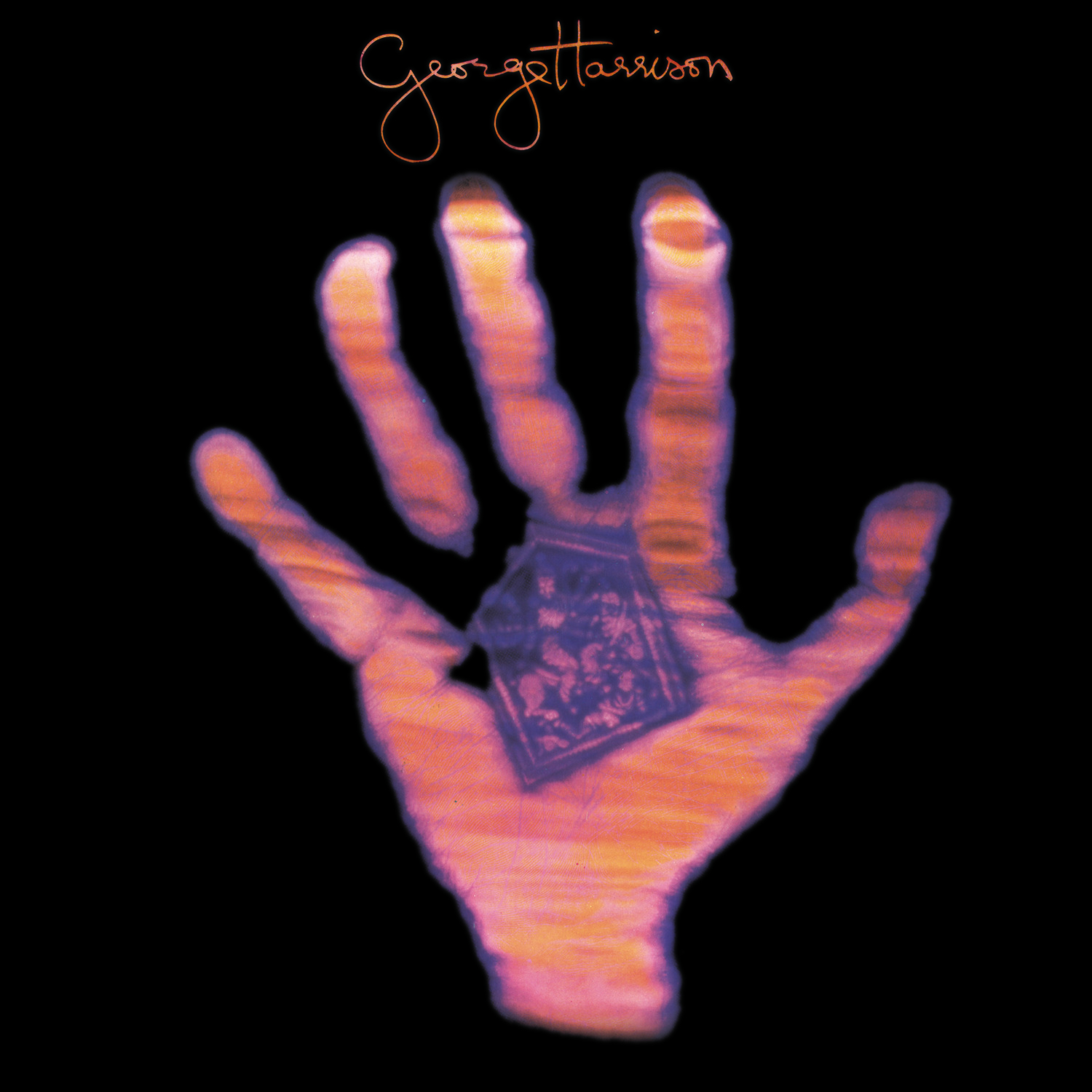
VIA PRESS RELEASE | Living in the Material World, George Harrison’s highly praised second solo album of original music following The Beatles’ 1970 dissolution, recently marked its 50th anniversary. With lyrics underscoring his enduring exploration of spiritual themes, the album resonated deeply with audiences. Just five weeks after its May 1973 release, both the LP and its single “Give Me Love (Give Me Peace On Earth)” held the top spots simultaneously on the U.S. albums and singles charts. Upon release, Rolling Stone described it as a “pop classic,” a work that “stands alone as an article of faith, miraculous in its radiance.”
The album’s success further solidified a winning streak that began with All Things Must Pass, the triple LP topped the US charts in early 1971. Later that same year, George organized two groundbreaking benefit rock concerts at Madison Square Garden in New York, aiming to raise both awareness and funds for the starving refugees of Bangladesh. The Concert for Bangladesh live album, another triple LP, became a commercial triumph and global bestseller, ultimately earning the prestigious GRAMMY®Award for Album of the Year.
Lovingly overseen by Dhani and Olivia Harrison, Living in the Material World has now been completely remixed from the original tapes for a stunning suite of 50th anniversary releases. Remixed by triple GRAMMY® Award-winning engineer Paul Hicks (The Beatles, The Rolling Stones, John Lennon), the new mix elevates the album with a sonic upgrade, delivering a sound that’s brighter, richer, and more dynamic than ever before. The first taste of the collection comes in the form of an acoustic version of “Give Me Love (Give Me Peace On Earth) (Take 18),” which is available now.
Available November 15th, via Dark Horse Records/BMG, Living in the Material World 50th Anniversary Edition will be available in a variety of physical and digital formats including a Super Deluxe Edition Box Set:
VIA PRESS RELEASE | Shudder to Think—“a band forever rearranging the uncomplicated urgency of hardcore punk so that it could better accommodate the rococo wowee of its singer, Craig Wedren” (Washington Post)—celebrates the 30th anniversary of their groundbreaking album, Pony Express Record, in stores now.
The acclaimed album was the DC-area band’s first album on Epic Records, following several releases on Dischord Records. Produced by Ted Niceley (Fugazi, Girls Against Boys, Jawbox), it features Craig Wedren on lead vocals and guitar, Nathan Larson on guitar, Stuart Hill on bass, and Adam Wade on drums. Pony Express Record also features some of their most iconic tracks including “X-French Tee Shirt” and “Hit Liquor.” Pitchfork called the album “a nugget of operatic, sinister, and gleefully self-aware art punk” and “an album that pushed the boundaries of mid-1990s indie rock in new and exhilarating directions,” and Stereogum noted it as “a masterwork of alternate dimension progressive pop.”
Pitchfork included the single “X-French Tee Shirt” on their “Top 200 Tracks of the 1990s,” and the band performed tracks from the album on iconic shows like MTV’s 120 Minutes and The Jon Stewart Show. In the years that have followed, the album has been profiled by PopMatters (‘Shudder to Think Look Back on 1994’s Pony Express Record’), Treble (‘Shudder To Think created their own structures on Pony Express Record’) and more, and included on SPIN’s “Overlooked 1994 Albums Turning 30” earlier this year.
Shudder to Think went on to release one more full length album with Epic Records, 1997’s 50,000 B.C. and dove into the world of scoring films and creating music for soundtracks with the 1998 releases of Jesse Peretz’s First Love, Last Rites; Lisa Cholodenko’s High Art, and the Todd Haynes epic, Velvet Goldmine. Wedren and Larson have gone on to be prolific film and television composers with Wedren working on Yellowjackets, Wet Hot American Summer, The School Of Rock, Laurel Canyon and more; and Larson working on Our Idiot Brother, The Skeleton Twins, Juliet, Naked, and High Fidelity (TV series), among others.
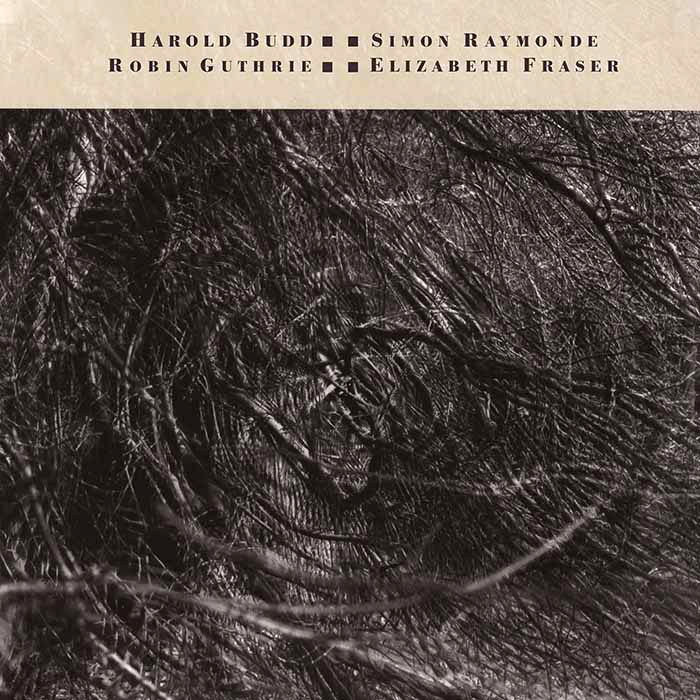
The 1986 collaboration between dream pop cornerstone Cocteau Twins and ambient music innovator Harold Budd established a comingling of approaches that endures as a stylistic signpost for countless listeners who remain enchanted by the ethereal. That record, The Moon and the Melodies, has been remastered by Cocteau Twin Robin Guthrie from the original tapes for its first vinyl reissue since its initial release; then and now, the label responsible is 4AD.
Well received in the music press when first released, The Moon and the Melodies was a solid seller for what was essentially a hybrid of Budd’s avant-garde sensibility and Cocteau Twins’ post-punk lushness (dream pop as a genre didn’t exist yet). As 4AD has observed, the record has subsequently (and understandably) gathered a passionate following (it doesn’t seem to have ever been out of print on compact disc) as it essentially cleaves Cocteau Twins’ full-length output into two halves. It’s safe to claim it’s Budd’s highest profile work.
More interesting perhaps is that over time, critical viewpoints on The Moon and the Melodies have often settled into polite acceptance, with assessments that the album is fine but not amongst the highpoints in either Budd’s or Cocteau Twins’ catalogs. Some of this modest esteem possibly extends from the feelings of Guthrie himself, who said “it turned out more like four songs that sounded like us and four songs that sounded like him, which wasn’t really the plan” (it’s important to add that’s he’s not knocking the LP).
But so what if the two sides of this collaboration don’t gel seamlessly and flow forth as one entity across the set’s eight pieces. The Moon and the Melodies is still engaging from start to finish as it turned on a bunch of ’80s whippersnappers in Bauhaus t-shirts to Budd (in turn providing a gateway into ambient) and informed just as many high-end stereo snobs, who in the mid-’80s were devouring the work of Budd and Eno and Hassell, etc. for breakfast, that the Cocteau Twins should be taken seriously.
Jamaica Plain, MA | Deep Thoughts Record Store Closing and Moving West: After 11 years of being based in Jamaica Plain, the proprietors of Deep Thoughts decided that it’s in their best interest to close the store, and move west in the state to where they reside. In a Facebook post, the owners, Nick and Alaina, explained that it just made sense for them to move closer to home into a nice new space. And they’re moving out later this month. “Our last day open in Boston will be Sunday September 29th. The next day we will begin the process of relocating directly into our new storefront at 5 Market Street in Northampton, right next to a cafe (the Roost), vintage shops, and a used bookseller. It’s a beautiful space with hardwood floors, large windows, exposed brick, and soon… Deep Thoughts Record Shop! We are beyond psyched to serve the Valley!” said the Facebook post.
St. Petersburg, FL | Worlds Largest Record Store, Bananas Records sets world record: Bananas Music, an American record store operates two locations in St. Petersburg, Florida; the 6,500-square-foot warehouse, located at 2226 16th Avenue North, carrying over 3 million records, sets the world record for being the World’s Largest Record Store, according to the World Record Academy. “If you’re an avid music lover who appreciates nostalgia, visiting Bananas Records in St. Pete is in order. What’s been dubbed the world’s largest vinyl records collection, owner Michelle Allen and her husband Doug have been in business for almost 45 years,” the Only In Florida says. “Bananas Records is said to be the largest vinyl retailer in the world, with more than three million records within the collection. There are two locations to choose from—the 7,000-square-foot store and the 11,000-square-foot warehouse, both within the St. Petersburg area.
London, UK | Black Lacquer To Launch September 20th: A new subterranean cocktail bar designed for music lovers is opening its doors, focussing on smooth cocktails and sounds. Nestled under the city’s bustling streets within the brand-new Hyde London City hotel, Black Lacquer pays homage to the Hyde brand’s origins on the LA club scene, with a late night venue specialising in slick and playful drinks and endless vinyl. This new creative hangout will feature vinyl-forward music programming—enlisting the best and most dynamic of the city’s music scene for DJ performances. Special monthly takeovers from eclectic music collectives from across the city will showcase and uplift emerging talent. The ever-changing soundtrack is hand-selected each night from an expertly-curated collection of vinyl records.
Chula Vista, CA | Tender Hooligan sells food as an excuse to be around records: Chula Vista listening bar offers a place to be conspicuously alone with music. That’s what I get for putting style over substance. I wanted to check out Tender Hooligan, the listening bar that recently opened on Chula Vista’s Third Avenue. And because the place advertises a food menu, I thought I could get away with making it a food story. “What’s a listening bar?” you might ask. And if you do, then you’re probably old enough to remember a time when there were still these public places to listen to music, called record shops. …In the case of Tender Hooligan, that means filling a space partly with bins full of vinyl records for sale, partly with a cafe and cheap food counter, and—since we’re already playing with archaic concepts—with a pair of British style, red phone booths outfitted with small record players.
Having reemerged in 2023 after a 20-plus year hiatus, Dogstar has hit the road on their “Summer Vacation Tour,” bringing their latest release, Somewhere Between the Power Lines and Palm Trees, to fans across North America including a Sunday night stop at The Catalyst in Santa Cruz, a relatively modest-sized venue compared to their other tour dates with a capacity of around 800. So to say that Santa Cruz turned up for Dogstar would be an understatement—the line to get into the sold out show stretched down the block and around the corner when the doors opened at 7PM.
The evening kicked off with a 30-minute set by Sons of Silver out of Los Angeles. Singer/guitarist Peter Argyropoulos was all smiles as the band crammed in front of Dogstar’s equipment on the tiny Catalyst stage, clearly happy to back in a “proper rock ‘n’ roll club.” The packed general admission floor was another reason for the band to celebrate as they used their opening slot to showcase material off of their upcoming release, Runaway Emotions, clearly gaining some new fans in the process.
The energy in the room ran high, necks craning for any view of the band as Dogstar’s set time approached. To someone unfamiliar with the band, a scan around the room may have been a bit confounding; no doubt there were plenty of Keanu Reeves super fans and curiosity seekers, but the vast majority of the room was stacked with die-hard Dogstar-ers, there for the music. So, when the band took the stage just past 9PM and launched into “Blonde” without fanfare, the place went nuts.
The band appeared deliberate in not riding Reeves’ (who didn’t even have mic) fame, rather letting the music speak for itself. Bret Domrose did double-duty on guitar and vocals with aplomb as drummer Rob Mailhouse held down the beat with Reeves on bass as the set covered a broad swathe of new material punctuated by “How the Story Ends,” “Glimmer,” and “Breach.”
VIA PRESS RELEASE | The acclaimed Miles Davis “Bootleg Series” has spanned years as early as 1955, and as late as 1985, but it has not yet touched 1963 or 1964—a pivotal period in Miles’ musical evolution and the auspicious beginnings of the Second Great Quintet—until now.
Columbia Records and Legacy Recordings, the catalog division of Sony Music Entertainment, announce the newest box set in the Miles Bootleg Series out November 8th—Miles in France – Miles Davis Quintet 1963/64: The Bootleg Series, Vol. 8 which includes all the music made at the 1963 Festival Mondial Du Jazz in Antibes (July 26-28 of that year) and the 1964 Paris Jazz Festival (October 1). The 1963 recordings feature George Coleman, Herbie Hancock, Ron Carter and Tony Williams—while the 1964 recordings feature Wayne Shorter’s arrival on tenor saxophone as the final member of the Second Great Quintet.
Miles In France will arrive November 8th as a 6 CD and 8 LP set with more than four hours of previously unreleased music and new liner notes by journalist Marcus J. Moore. A 2LP break-out set, of just the 1964 recordings, will also be available. The release will also be available digitally in its entirety on DSPs. Pre-orders begin today HERE.
Miles in France – Miles Davis Quintet 1963/64: The Bootleg Series, Vol. 8 was produced by the multi-GRAMMY winning team of Steve Berkowitz, Richard Seidel, and Michael Cuscuna (marking one of the last productions for Cuscuna, who passed away earlier this year) and mastered by multi-GRAMMY winning Sony Music engineer Vic Anesini at Battery Studios in NYC.
Bill Wyman was an original member of The Rolling Stones and was their bass player until his departure from the group in 1993. His last full album with the group was 1989’s Steel Wheels. Since then, he has authored acclaimed books on roots music and autobiographies, recorded five solo albums between 1997 and 2004, toured with his band the Rhythm Kings, and last year contributed to Hackney Diamonds, The Rolling Stones first studio album of new material since A Bigger Bang in 2005.
Drive May Car is his ninth solo album and third since leaving the Stones. His last solo album was Back to Basics in 2015. At 87, Wyman has made a solo album that reflects his love for roots music and his easygoing, understated approach to making music.
The album has the feel of a long-lost J.J. Cale album with its laid back, rollicking rhythms and tasty guitar feel, which could maybe have been produced by Mark Knopfler. Wyman’s sandpaper whisper of a voice works perfectly on these originals and folksy blues covers. His supporting cast, as on previous solo and Rhythm Kings releases, is stellar and includes the likes of Robbie McIntosh, Andy Fairweather-Lowe, and Guy Fletcher, among others.
The covers are perfect choices, beginning with the opening rendering of Bob Dylan’s “Thunder On the Mountain.” Other choice bluesy folk covers include songs penned by Taj Mahal, John Prine, and Chuck E. Weiss. Wyman collaborated with Terry Taylor on “Rough Cut Diamond” and there are two solo compositions, the title cut and “Bad News.”
In his new short story collectionThe Music Never Died (Verse Chorus Press), author Mark Swartz envisions alternate fates for artists who died young. While most of these “Tales from the Flipside” concern a single artist—Biggie, Jimi Hendrix, Amy Winehouse, Gram Parsons—this one presents a parallel universe where jazz and hip-hop artists are locked in a Cold War. Trumpeter Lee Morgan and DJ Jam Master Jay of Run-DMC represent A New Hope.
The Flipside is a cramped used record store beneath Times Square. Everything you’d ever want to hear is here, and then some. Albums are arranged alphabetically and divided by genre. Over the years, the territory occupied by any given genre expands or contracts. Rock splits into classic and punk. Hip-hop arises and quickly occupies a sizable expanse. Easy listening fades. Country shrinks and grows and shrinks again.
These fluctuations are the product of tastes and trends, as well as ineffable qualities like genius, romance, and myth. The dead, especially the young dead, loom large here.
Whom the gods love dies young, wrote Menander in ancient times, and hoo doggie, did the gods love them some jazz or what? And they sure must have had some special affection for hip-hop, too. Across the bay from Jazz Island stood the city-state of Hiphopabad, with the impregnable Thugz Mansion at its center.
Both nations exist in the Flipside, which maps exactly onto the record store that bears its name. The continental drift of genres across crates mirrors territorial skirmishes and international intrigue in their world. This is the unauthorized account of how Jam Master Jay claimed the Flipside crown and the part played by Lee Morgan in his ascension.
Although the one and only album recorded by the late-’60s Boricuan-Dominican outfit named Kaleidoscope has been reissued over a dozen times, the eponymous LP’s psychedelic comportment is diverse and solid enough to handle another pressing; this one’s due from the reliable folks at Guerssen on September 20. The limited kaleidoscopic color vinyl pressing of 207 copies has sold out during preorder, but the black wax is still available. Those attracted to the many manifestations of the global psych impulse who are unfamiliar with its grooves should contemplate grabbing copy of the standard edition before it’s gone as well.
Given the era’s fleeting but fervent preoccupation with the trappings of psychedelia, it really no surprise that numerous late-’60s bands took up the handle of Kaleidoscope. The band under review here shouldn’t (and once heard, won’t) be confused with the Los Angeles-based Kaleidoscope that featured David Lindley and Chris Darrow, nor will they be mistaken for the Kaleidoscope that was formed in London and later became the Fairfield Parlour.
This incarnation of Kaleidoscope came together from the dissolution of several prior rock acts, starting out in Puerto Rico with Frank Tirado on bass and vocals and Orly Vázquez and Pedrín García (a transplant from Spain) on electric guitars. Theirs is a story of multiple twists that’s well told by Enrique Rivas in the notes for Guerssen’s reissue, but in short, Dominicans Rafael Cruz and Julio Arturo Fernández joined on drums and organ, respectively.
The album was cut in the Dominican Republic in 1967 at Fabiola Studios, but it was the Mexican label Orfeon that released the record, or more precisely, pressed a tiny promotional edition in 1969 that’s become insanely expensive on the collector market in the decades since. The delay in release saw the band splinter, but Tirado and Cruz recruited new members and traveled to Mexico to promote the release, which has led to the occasional inaccuracy that Kaleidoscope is a Mexican band.



 Gang of Four was formed in Leeds in 1976 by bassist Dave Allen, drummer Hugo Burnham, guitarist Andy Gill, and singer Jon King. The band pioneered a style of music that inverted punk’s blunt and explosive energies—favoring tense rhythms, percussive guitars, and lyrics that traded in Marxist theory and situationism. They put every element of the traditional “rock band” format to question, from notions of harmony and rhythm to presentation and performance.
 With the able assistance of “Fast” Eddie Clarke on guitar and backing vocals and Phil “Philthy Animal” Taylor on drums, Lemmy bangs out some tunes (most of them of unfashionably short length and unfashionably fast tempos), announces in DIY fashion that Motörhead is its own damn road crew, and demonstrates that his very hoarse bark has real bite.
 We could delve into his collaborations with Smokey Robinson, retrace the dedication he poured into his years with Etta James, or explore his legendary—and current—stint as Paul McCartney’s guitarist. Today, however, we focus on his latest solo endeavor, My Town, released under Little Stevie Van Zandt’s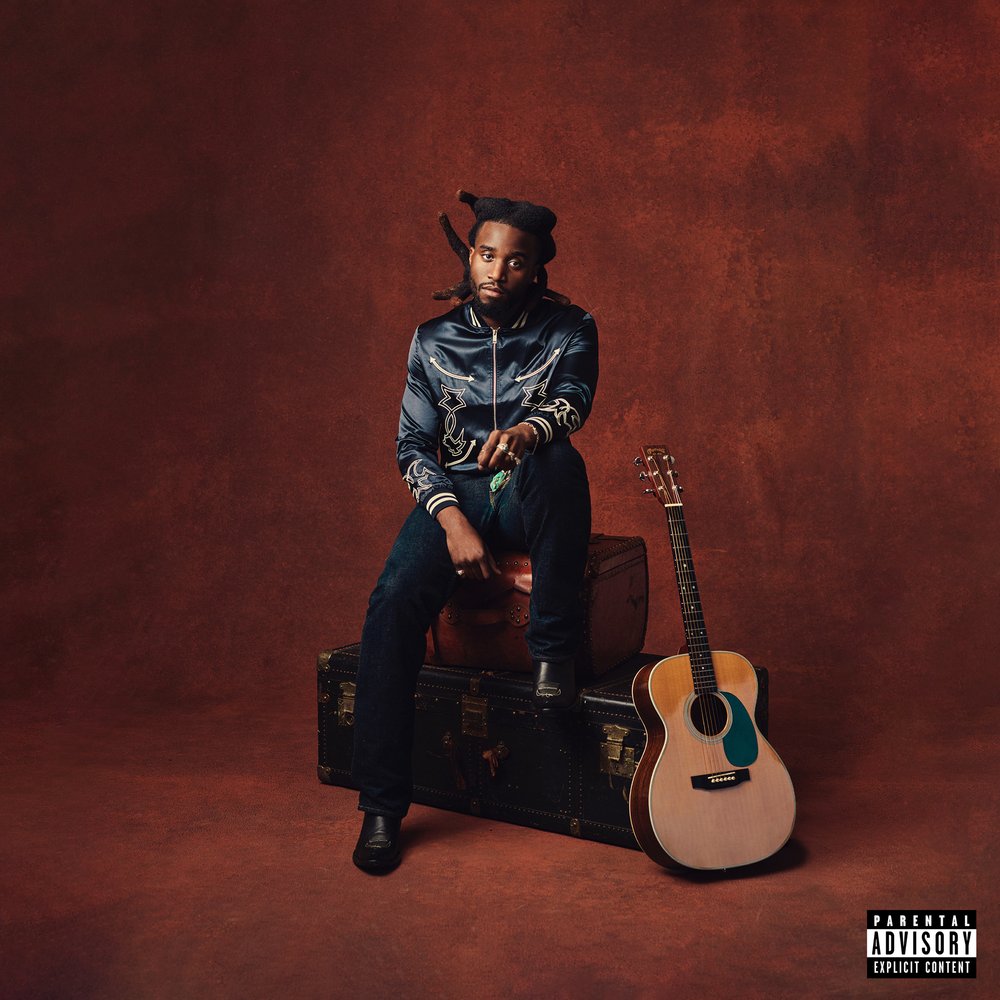
 Sydney, AU | The 10 Best Vinyl Record Stores In Sydney If You Want To Live Your High Fidelity Fantasy: Record stores in Sydney are more than just places to acquire vinyl. Yes, it may be easier to buy an album online but as the city becomes increasingly consumed by corporate enterprises and soul-deadening acai chains, someone’s got to keep the older, weirder, underground pockets of the community alive. It’s also just more fun to do things in real life. In the same way that searching for a movie at Blockbuster was the best, yet selecting one on Netflix is boring and tedious, a Spotify playlist really can’t compare to digging through the crates at a record shop while trying to get the owner to
  Iowa City, IA | Local businesses lean into Gen Z’s love of nostalgia: Nostalgia is an emotion not many can hide from. Stores such as Record Collector, Ragstock, and Bartertown Toys and Collectibles in Iowa City run towards that feeling with their retro memorabilia and fashion. …One such business is Record Collector, a record shop in downtown Iowa City that carries both vintage and contemporary vinyls, CDs, and other forms of physical music media. “More students are realizing that the same things that made vinyl cherished by our parents’ generation are the same things we crave,” Oscar Rodriguez, a University of Iowa graduate student working at Record Collector, said. “Having something physical that we associate good memories with is something that students are relating to right now.” The



 St. Petersburg, FL | Worlds Largest Record Store, Bananas Records sets world record: Bananas Music, an American record store operates two locations in St. Petersburg, Florida; the 6,500-square-foot warehouse, located at 2226 16th Avenue North, carrying over 3 million records, sets the world record for being the World’s Largest Record Store, according to the World Record Academy. “If you’re an avid music lover who appreciates nostalgia, visiting Bananas Records in St. Pete is in order. What’s been dubbed the world’s largest vinyl records collection, owner Michelle Allen and her husband Doug have been in business for almost 45 years,” the Only In Florida says. “Bananas Records is said to be
 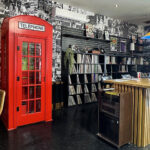 Chula Vista, CA | Tender Hooligan sells food as an excuse to be around records: Chula Vista listening bar offers a place to be conspicuously alone with music. That’s what I get for putting style over substance. I wanted to check out Tender Hooligan, the listening bar that recently opened on Chula Vista’s Third Avenue. And because the place advertises a food menu, I thought I could get away with making it a food story. “What’s a listening bar?” you might ask. And if you do, then you’re probably old enough to remember a time when there were still these public places to listen to music, called record shops. …In the case of Tender Hooligan, that means filling a space partly with bins full of vinyl records for sale, partly with a cafe and cheap food counter, and—since we’re already playing with archaic concepts—with a pair of British style, red phone booths