The name Robin Trower may not resonate with today’s young pop streamers, but throughout roughly the mid-1960s through the late 1970s, he went from one successful musical life to another.
From before the group’s debut album in 1967 and through their fifth album in 1971, Trower was the guitarist with Procol Harum. Along with the group’s 1973 album Grand Hotel (which Trower was not part of), the five albums he was on with Procol Harum constituted their peak as one of the most inventive pop/prog groups from England in that period.
If that wasn’t enough, after leaving the group, Trower embarked on a highly successful solo career, in a trio format, beginning with Twice Removed from Yesterday in 1973. His next album, Bridge of Sighs, was an FM staple, has achieved classic rock immortality, and was the first of four best-selling albums, with his next three albums also charting. Chrysalis released all of these albums.
Trower left behind the near-classical, pop/art-prog of Procol Harum and formed a blues-rock power trio, clearly rooted in both the heavier and dreamier sides of Jimi Hendrix’s music. In many respects, even though he was British, his music became a natural bridge between the music of Jimi Hendrix and Stevie Ray Vaughn.
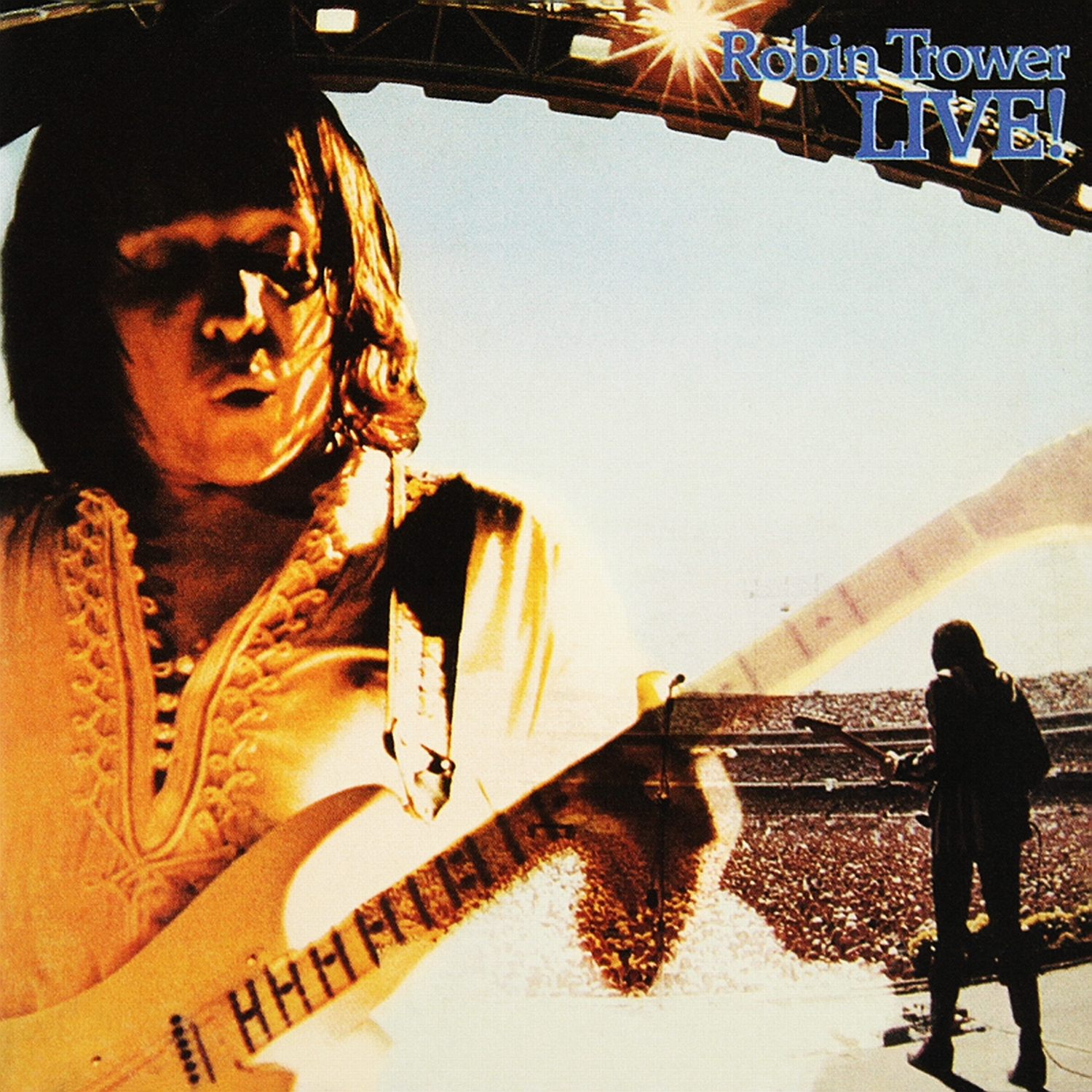
Beginning with the reissue of Twice Removed from Yesterday, issued in a 2-LP or 2-CD edition, Bridge of Sighs and For Earth Below have also been released in remastered, bespoke 2-LP vinyl editions and in an expansive CD/Blu-ray set and a 4-CD box set, respectively, that should not be missed. The latest 50th-anniversary reissue is Robert Trower Live!, originally released in 1976 after For Earth Below.
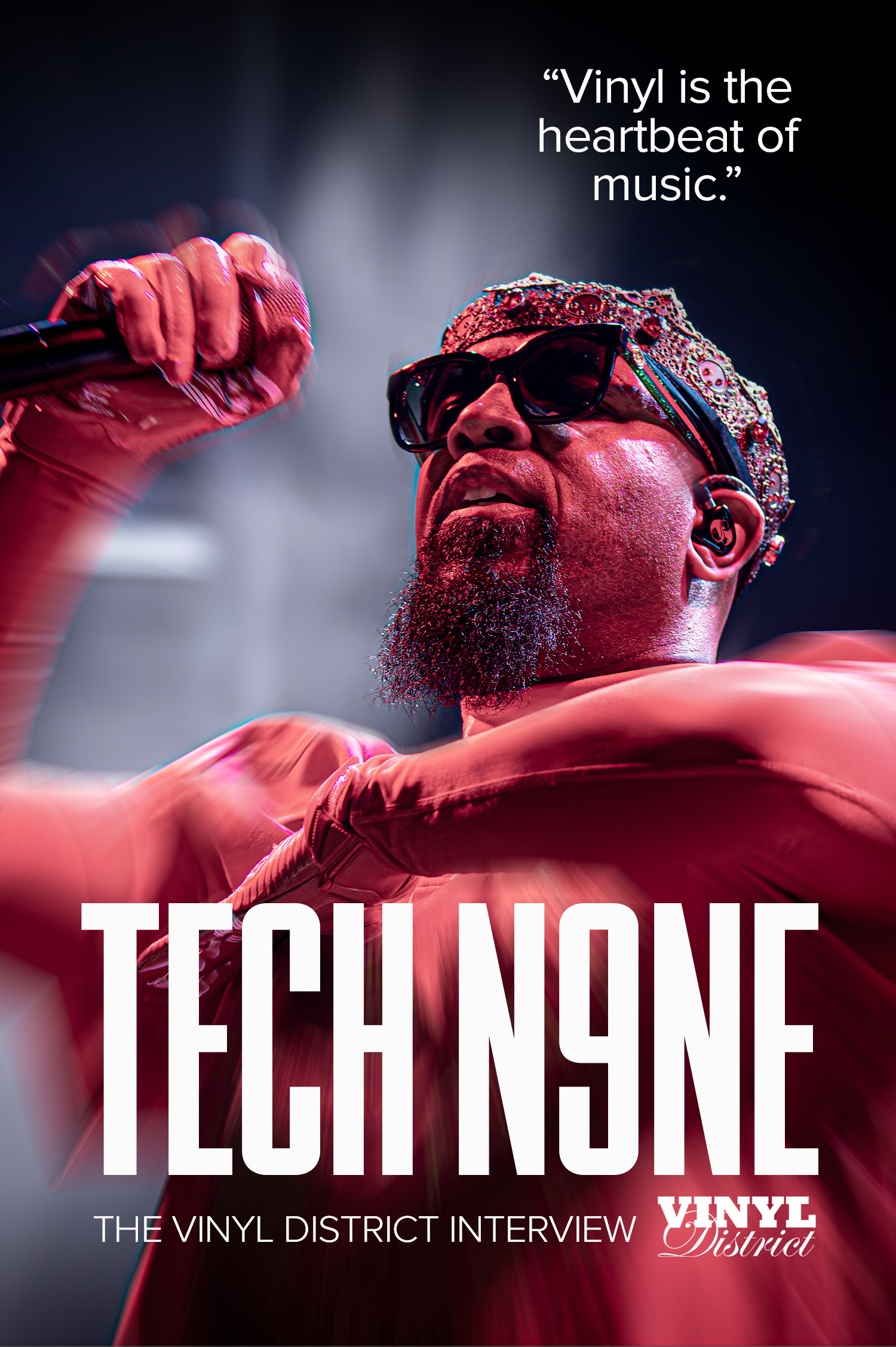
PHOTOS: MATTHEW BELTER | I’ll be honest with you—my roots are in rock and roll. That’s where I live, that’s where I was raised musically, and that’s the lens I’ve always brought to this work. But one thing this job has taught me, over and over again, is that great artistry doesn’t care about genre. It doesn’t care about your background, your assumptions, or the box you built for yourself before you knew better. It just grabs you. Tech N9ne grabbed me.
I reached out cold to his team, not because I had an angle or a hook, but because I kept bumping into his name in places I didn’t expect—in conversations about independent business, in discussions about vinyl culture, in rooms full of people who don’t agree on much but agree on him. Thirty-plus years in, over twenty studio albums, a label he built from nothing into the most successful independent hip-hop operation on the planet, and a fan base—the Technicians—who don’t just follow the man, they memorize him. Word for word. Breath for breath. That kind of devotion doesn’t happen by accident. It happens when the art is real.
What I found on the other end of that phone call was a man who has never once confused success with permission to stop working, never confused longevity with legacy, and never let anyone else decide what his music was allowed to be. He talks about freedom the way some people talk about survival—because for him, they’re the same thing.
This is a conversation about a Kansas City kid who turned a Slick Rick record into a chopping style the world had never heard. About parachute pants and patent leather shoes and a dance crew that went to audition for MC Hammer while he stayed back and wrote rhymes. About what it costs to build something real from nothing, and what it feels like when it works. And about vinyl—the heartbeat, as he calls it—and why a man who has earned every digital platform still looks across the room at a record and feels something no stream has ever replicated.
I think you’ll feel it too.
You’ve talked about rapping as a child just to remember how to spell your own name—but when did that innocent trick become something burning inside you, something you had to chase? What was the exact moment music stopped being something you did and started being something you were?
What it did for me on the inside—how it moved me—started early on. I was a dancer, man. Music made me want to dance. I thought I was a B-boy; break dance, pop lock, MC Hammer. I had the high-top fade with the Kwame streak, the Hammer pants, the parachute pants with the patent leather shoes with the silver on the toe. I did the whole thing.
When my homeboys in the dance crew, Imperial Prep, went to try out for the Hammer dance, I stayed back—I was the younger one in the crew. I stayed back and worked on my rhymes, and it just took over from dancing. The more I got into rhyme, the cooler I got, and I danced less. Even though I still move a bit on stage—I can’t help it—writing rhymes made me cool in a different way. When I was a dancer I’d be at all the clubs sweating through my silk shirts, but once I became an emcee I was holding up the bar. Rapping pretty much made me stop dancing as much as I did.
Before Strange Music, before the Technician army existed, you were grinding through groups like Black Mafia and Nnutthowze. Most artists erase those chapters. You’ve owned them. What did those early collectives teach you about yourself as an artist that you still carry today?
Without those people who lifted me up in the beginning, there would be no Tech N9ne. All of that was college for me—from Black Mafia with Black Walt and Icy Rock, Frozen Image, to Don Juan and Diamond Shields with Midwest Side Records. Those were the building blocks. You cannot erase your history unless you’re embarrassed of it, and I never was.
My last album, 5816 Forest, I went all the way back—Black Wall Street, 55th and Michigan, 5816 Forest, my block. All the stories are in there. I didn’t leave anything out because those experiences are the foundation of what I am today.
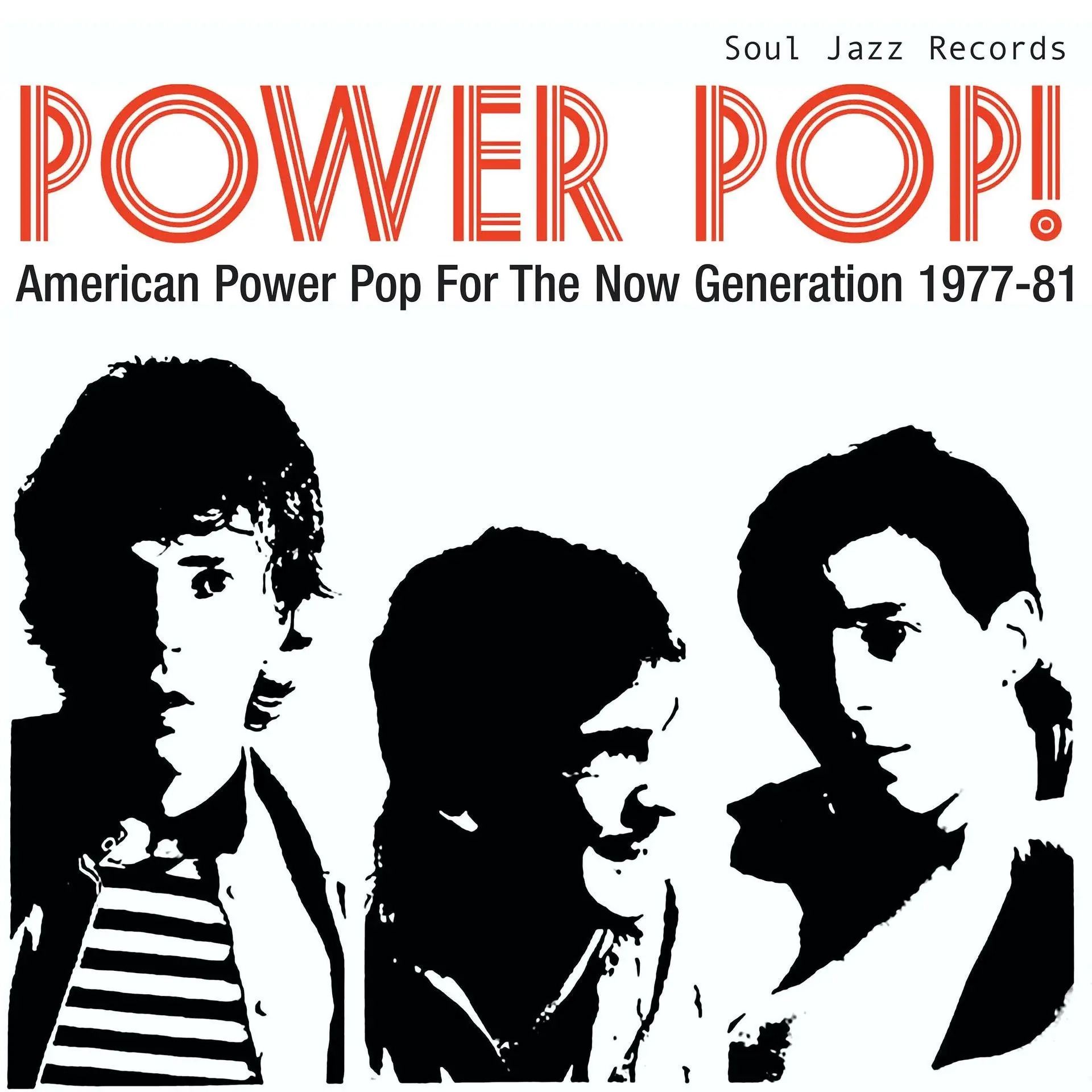
Record Store Day 2026 is just around the corner, and the Soul Jazz Records compilation Power Pop! American Power Pop for the Now Generation 1977-1981 is among the standouts in this year’s crop. Leaning toward an assemblage of highly sought-after and in many instances very pricey gems that hover on the fringes of the coinciding punk shebang, the selections are raw and loaded with crafty, inspired riffs.
In the five-year stretch covered by this compilation, punk, power pop, and new wave were stylistic impulses that essentially intermingled as they presented an alternative to increasingly stale and often overwrought rock sensibilities. This is not to suggest that harmoniousness was constant or even the norm, but neither was divisiveness an overriding reality amid the competitiveness of regional musical scenes.
The bands collected here are catchy, often rough-edged, and guitar-focused. A few posthumous reputations loom large, but none of the bands included became a national phenomenon. Given a different set of circumstances, a few of these songs could’ve become chart hits, but the majority of the selections are just too punk-informed to have chalked up widespread popularity. Keyboards and synths are largely absent.
Some of these bands, if not these particular songs, have landed on punk compilations, including in the Killed by Death bootleg series and the associated Bloodstains volumes. So it is with West Lafayette, Indiana’s Dow Jones and The Industrials, whose “Let’s Go Steady” is a banquet of gnarled-riff tension and bursts of rocking release.
Boston, MA | The Record Store Day 2026 Most Wanted: Record Store Day (RSD) has always been a vinyl lover’s holiday, but 2026 is shaping up to feel more like a full-on rock pilgrimage. Set for April 18, Record Store Day 2026 continues its tradition of celebrating independent record shops with exclusive, limited-edition releases you can only get by showing up and digging through the bins. And if you’re a classic rock fan? This year is stacked.
Durham, NC | Bull City Records to close after 20 years in business: Last Sunday afternoon, Chaz Martenstein shared a big announcement on the Bull City Records Instagram account. “Friends! It is with a full, steady heart that I am announcing the retirement of Bull City Records,” the post began. After earning the love and trust of the local music community over the past 20 years, the appreciation and support started pouring in instantly. “Thank you so much for all the years of wonderful music and just being a wonderful person,” one commenter posted. …Since opening, Martenstein has watched the decline of CD sales and the resurgence of vinyl sales, witnessed the growth of music streaming, and survived both a recession and a lockdown. He says after all that, the time to wrap things up is now, on his own terms.
Derry, IE | MacD on Music: Still The Most Wonderful Time Of The Year. …Record Store Day (this year happening on April 18th) is one of the biggest days for any independent record shop, and here in Derry, Cool Discs is the only place to get all those exclusive releases. Owner Lee Mason says: “As many customers of Derry’s finest record shop already know, every single week Cool Discs always have a selection of new, exclusive, limited vinyl releases and most of the time when they’re gone they’re gone.” “Record Store Day is on another level—it’s like all weeks rolled into one day! Cool Discs was one of first record shops in Ireland to be invited to take part in RSD way back in 2008, and we’ve watched it go from strength to strength, to the point when it’s now the shop’s busiest day of the year.”
Philadelphia, PA | Check out decades of great music on Record Store Day: WXPN host Mike Vasilikos thinks back on endless hours spent hanging out in the record store shops on Long Island. As a teen growing up in the 1990s, Vasilikos would frequent a handful of mom & pop stores as well as the giants like Tower Records to discover new music or maybe something vintage. Before streaming services, CDs, cassette tapes and vinyl were the gateway to music bliss. “Nineties kids actually hung out with their friends in places that weren’t the internet,” said Vasilikos, who hosts WXPN’s midday shows from 10 a.m. to 2 p.m. on 88.5 FM. “We would go to record stores. I grew up on Long Island and Tower Record was where I bought most of my albums. The footprint of the store was huge. It was the place you would go to discover music, buy music and also get your concert tickets there. I just remember being there a lot.”
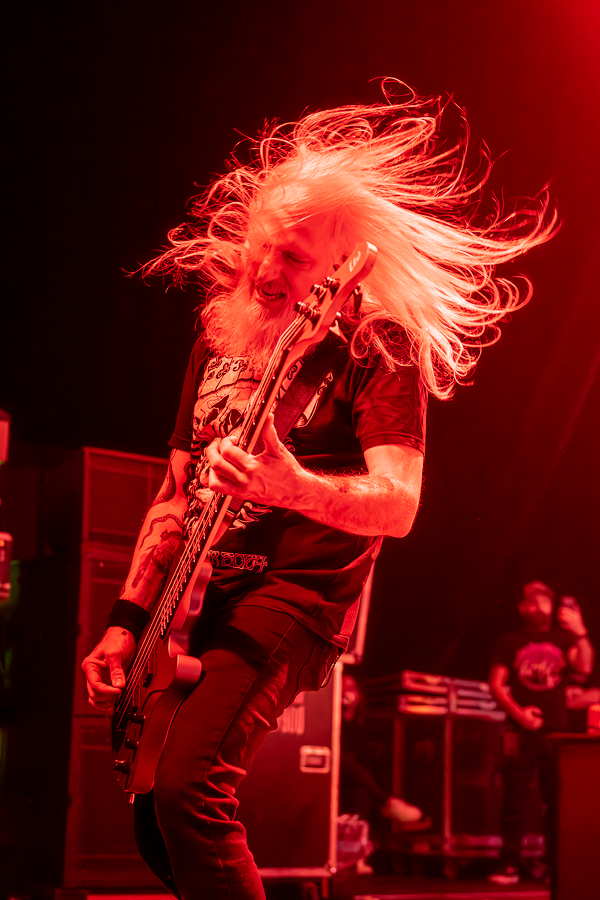
Heavy metal giants Lamb Of God are on the road supporting their tenth studio album, Into Oblivion, including (ironically) a Good Friday night stop at The Masonic in San Francisco with an absolutely stacked lineup, including Sanguisugabogg, Fit For An Autopsy, and Kublai Khan in a wise attempt to expand their fanbase to a younger demographic. No doubt a crushing lineup that had local venues rescheduling shows in fairness to other metal bands who want to play the Bay.
The Masonic was already filling up by the time Sanguisugabogg hit the stage promptly at 7:00 PM, and the general admission floor quickly turned into a broiling pit as crowd surfers began spilling over the barricade. Fit For An Autopsy and Kublai Khan followed suit, each delivering crushing sets for the packed house.
With the sold-out crowd in place and sufficiently warmed up, the road crew set about transforming the stage behind a massive curtain that blocked their view, only heightening the anticipation. When the curtain finally dropped, and the band launched into “Ruin” as frontman Randy Blythe retrieved his mic from the center rise, San Francisco went bananas. Followed quickly by fan favorite “Laid to Rest,” there was no respite for security as crowd surfers continued to surge.
One of the finest frontmen in heavy metal, Blythe absolutely raged on the microphone from atop his risers when he prowled the stage. And while those ankle and knee braces may have hinted at why we weren’t seeing his epic trademark jumps, he was no less a force on stage.
VIA PRESS RELEASE | Guadalajara’s MESS is undeniably one of the heavy hitters of the thriving international Oi! and streetpunk scene today. As a result, their records are highly sought after by fans and collectors alike. The unfortunate and inevitable result is that some of their best work has become almost impossibly rare on vinyl!
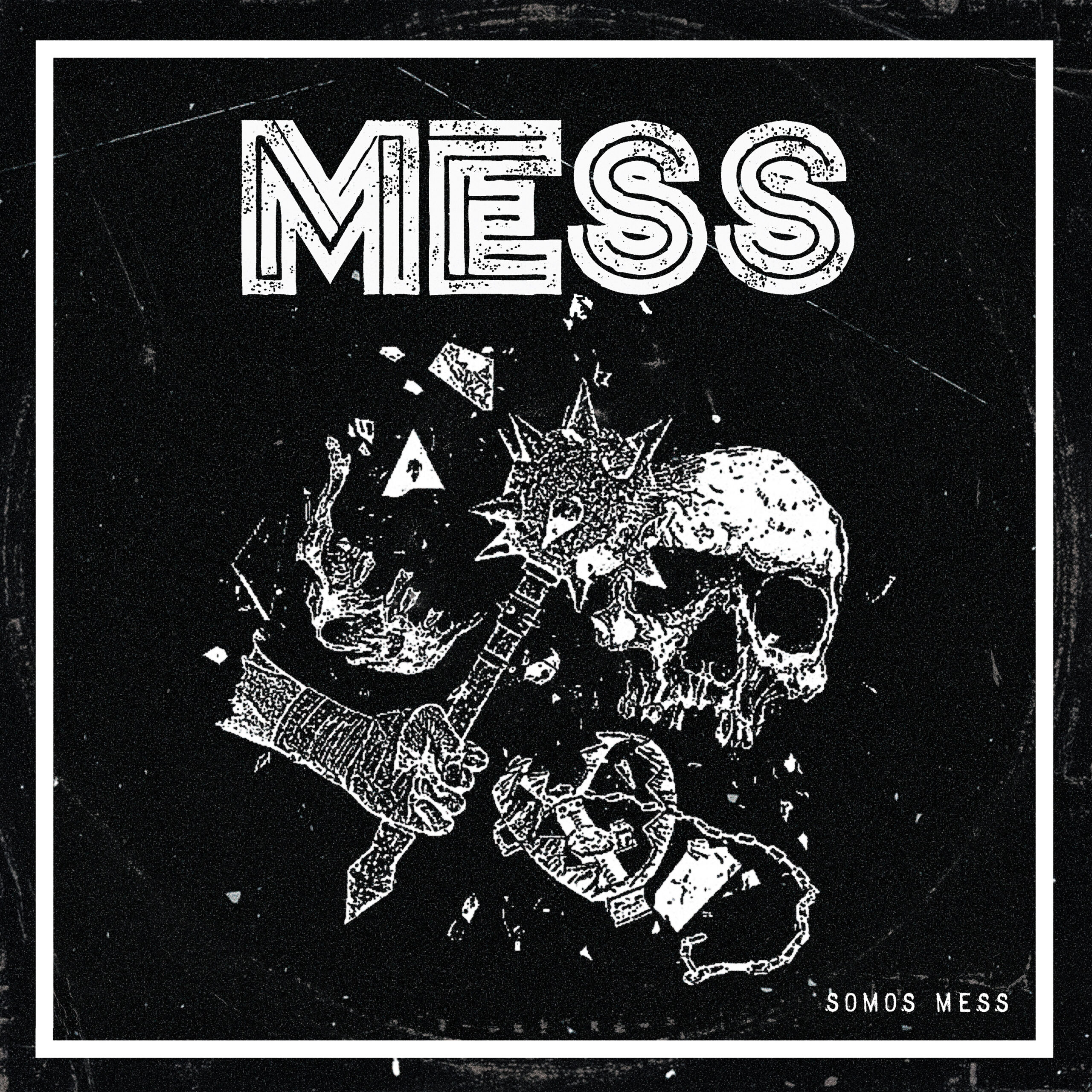
Well, fans need worry not, because MESS has teamed up with Pirates Press Records to collect ALL of their rare and out-of-print singles and EPs from 2020–2022 on one glorious slab of vinyl for the very first time…and all re-mastered, to boot! That is their entire recorded output prior to their debut LP Under Attack.
SOMOS MESS is now available from Pirates Press Records. The re-mastered album will be available on Bandcamp on Friday May 1st, and on all major streaming platforms and in retail stores the following week, May 8th!
Between announcing themselves to the world with the release of their first 12” EP “Intercity” and the release of their debut full length Under Attack, MESS had a prolific two years. Now, for the first time ever, all 16 songs released during that period —including the first EP—can be found in one place: together at last and freshly remastered on one glorious slab of wax. Pirates Press Records is proud to present SOMOS MESS (WE ARE MESS), a collection of the band’s much sought-after early work!
Between 2020 and 2022, MESS released two EPs, two 7”’s (including the long sold out split with The Chisel), and appeared on the compilation Stronger Than Before Vol 1 (Longshot / Battle Scarred Records). This flurry of activity quickly captured the attention of the international punk scene, rapidly making MESS a global fan favorite, with fans eagerly awaiting each release.
Hall & Oates: You either love them or you hate them. Or, as in my case, you love them AND you hate them. The blue-eyed Philly soul and pop superstars scored some 3,400 Billboard Top 100 hits during the late seventies and early eighties, including such unavoidable classics as “Maneater,” “Out of Touch,” and “Kiss on My List,” which played continually on every car radio and in every mall, bar, elevator, Lothario’s bedroom, police station holding cell (I heard “Rich Girl” in one once), and psychiatric facility in the land.
I loathed Hall & Oates because their largely soulless soul songs (you can’t be a machine and have a soul) were the epitome of slick studio perfection, but even more so because said songs were so monstrously catchy that even if you hated them you still found yourself singing along with pleasure every time you heard one. I experienced much self-loathing over this. Hated myself like lime spandex. But before there was Hall & Oates, the inhuman hit-making machine, there was Hall & Oates, the soft rock, soul, and folk duo who recorded three albums (Whole Oats, Abandoned Luncheonette, and War Babies) for Atlantic Records between 1972 and 1974.
None of them fared well commercially, and Hall & Oates could have ended up a footnote to history had they not been lucky enough to sign with RCA. Most casual Hall & Oates’ fans have never heard the Atlantic-era records, and that’s too bad, because 1973’s Abandoned Luncheonette in particular is a real rocking-horse winner.
What else can I say about Hall & Oates? The ever-humble Daryl Hall, who has recorded experimental LPs on the side with the likes of Robert Fripp, once said of his partnership with John Oates, “I’m 90% and he’s 10%, and that’s the way it is.” Woah. To be fair to Hall, it did seem at times that Oates’ only role was as band mustache. But that’s misleading. Oates’ vocals and guitar playing were indispensable, and he wrote some wonderful songs. As for Abandoned Luncheonette, its list of studio musicians goes on and on, and includes a guy on Howling guitar, whatever that is. I get the idea they had to bring it to the studio in a cage, and keep it on a sturdy leash at all times.
Emerging from the UK’s vibrant indie scene, Girl Group are quickly carving out a space that feels both urgent and unapologetically their own. With a mission rooted in challenging industry norms, the band is creating space, visibility, and community for women and underrepresented voices—hoorah!
Blending jagged indie rock energy with punchy pop sensibilities, Girl Group’s sound thrives on contrast. Sharp, hook-heavy songwriting is paired with a raw, emotionally charged delivery. Their recent EP, “Little Sticky Pictures” signals a band in motion; restless, self-aware, and unafraid to experiment. There’s a DIY spirit running through their releases, but it’s elevated by a clear, bold, feminist, and community-driven energy.
Their ethos centres on amplifying voices that are too often sidelined, turning their project into both a creative outlet and a cultural statement. It’s this combination of purpose and personality that’s helping them connect with a growing audience, now reaching tens of thousands of monthly listeners on Spotify.
With upcoming shows across the UK and Europe and a steadily expanding catalogue, Girl Group are proving that they’re more than just a name, they’re a movement in the making.
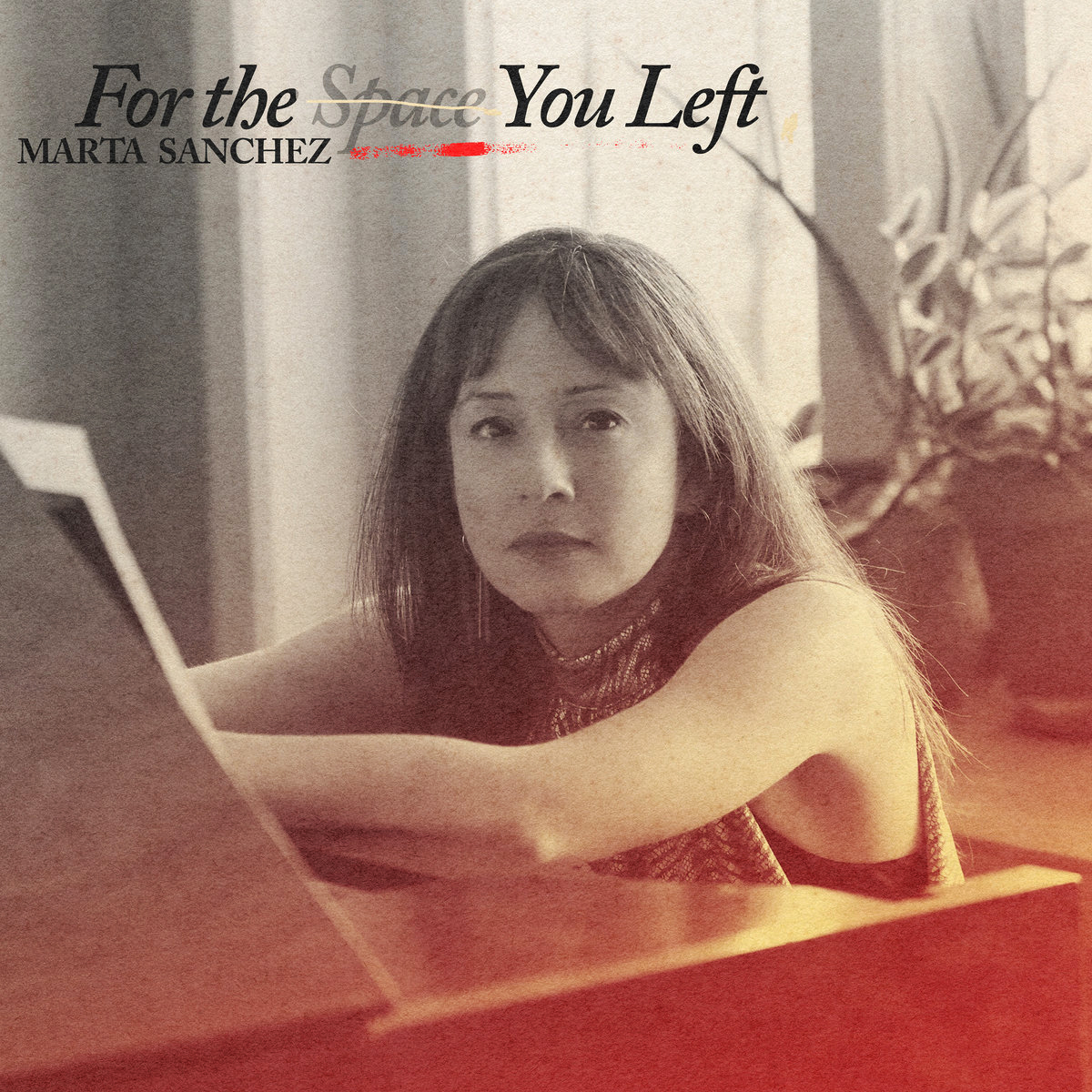
Marta Sanchez is a Spanish pianist and composer (not to be confused with the Spanish vocalist Marta Sánchez) who has been based in New York City since 2011. Along with touring and cutting albums in the quartet of David Murray and recording Unseparate as part of the Webber/Morris Big Band (issued last September), Sanchez has a handful of knockout releases as a leader and on April 17, she delivers For the Space You Left, her first solo album of prepared piano on LP (black or pink swirl), CD, and digital.
Long associated with Modern Classical kingpin John Cage and assorted subsequent avant-gardists, the prepared piano is given a fresh exploration through Sanchez’s distinctive, energetic approach. This striking collection includes nine compositions that shine through momentum and the expected cadences.
Marta Sanchez debuted as a leader in 2008 with Lunas, Soles & Elefantes, a trio set. She followed that up in 2011 with La Espiral Amarilla by her quartet. This album and her debut were cut for the Spanish Errabal label. She made a bigger splash in 2015 with Partenika, the first of three quintet sessions for Fresh Sounds; two years later, Danza Imposible was released, and then in 2019 came El Rayo de Luz.
In 2022, Sanchez assembled a new quintet (save for Roman Filiu, the alto saxophonist on her three prior sets for Fresh Sound) and recorded SAAM (Spanish American Art Museum) for the Whirlwind label, released as a 2LP set with three sides of music and one side an etching (copies are still available). For one track, this group expands to an octet.
Nottingham, UK | Nottingham shop owner could be forced to move after business rates go up by staggering amount: An independent trader says his business rates have almost tripled in the past two years, forcing him to consider relocating. The increase in business rates has coincided with the revaluation of rateable values and the phasing out of a Covid relief scheme, putting Gary Prail, owner of Fac1981, a record shop in St James’s Street, in a tough situation. The rates at his shop have risen from £4,000 to over £11,000 since April 2024. A firm’s rateable value is based on the market value of what it would cost to rent the firm’s property for a year, plus a government-set multiplier. The record shop owner said: “I moved in two and a half years ago, my rent was £25,000 and my business rates were £4,000, then last April it went up to £9,700, then to £11,100, and it’ll go up even more next year. It’s a lot of money, you feel like you’ve been punched in the stomach.”
Baltimore, MD | ‘My mind was blown’: Community raises over $11,000 to keep the lights on at Baltimore business. A record store and music venue can now plan for more sold-out shows after community members stepped up in their time of need. Wax Atlas, located on Harford Road, operates as a used record store by day. By night, the space transforms into a concert venue for new groups and young bands. “Baltimore is just really filled with talent right now, it’s just not as filled with places for people to perform as it could be,” owner Andrew Phillips said. Phillips said that is why Wax Atlas is here. All the money made from selling records goes into music and arts programming. In under three years, the venue has hosted more than 300 events. The shows require a lot of electricity, and Phillips said his latest BGE bill included an extra $1,450 fee. “You know it doubles or more the store usage, which is fine, amps take electricity, we’re happy to pay it, but all these extra fees,” Phillips said.
Philadelphia, PA | Let WXPN Be Your 2026 Record Store Day Guide: We’ve got a new tool to help you find the record stores closest to you. Plus, our limited ‘Homegrown Originals Volume 4’ vinyl will be available at 13 of the featured shops. April 18 is Record Store Day, and here at WXPN it’s basically a major holiday. After all, our slogan is “vinyl at heart.” In anticipation of the crate-digging day, we’ve got a guide that will help you find hidden gems, classic albums, and new artists at record stores near you. We’re featuring dozens of shops in Philadelphia, its suburbs, New Jersey, Central Pennsylvania, Delaware, and Maryland that are perfect for collectors, analog enthusiasts, and casual perusers alike to visit. To find stores nearby, simply enter your address in the tool below and record stores in your area will pop up.
Toledo, OH | Listen Hear: Record Store Day Turns 18. Record Store Day, April 18, marks the 18th year of the beloved celebration of local music shops, and the event is going strong. Record Store Day (RSD) is “a day to celebrate the role [record stores] play in their communities and the people who make them spin: the staff who run them, customers who shop them, and the artists who make the music they sell.” The centerpiece of this event is the bounty of special album releases, re-issues, and more that artists and record labels drop just for RSD. As in years past, Toledo’s record stores are well represented, with five separate shops joining the April 18th festivities—Culture Clash, No Noise Records, Your Media Exchange, and the two locations of Allied Record Exchange.
“Do you want to see Lacuna Coil?” my 77-year-old father texted me. At 43, I didn’t have that on my bingo card.
I’ve been listening to Lacuna Coil since high school; the gateway to my goth years of clove cigarettes and dimly lit clubs. Meanwhile, he’s been on a symphonic metal kick—Within Temptation, Nightwish being some of his favorite bands of all time—which eventually led him to metal songstress Cristina Scabbia of Lacuna Coil. Full circle, just… decades later.
The Globe Iron doesn’t do distance. The room was tight, loud, and already buzzing by the time Australia’s VOWWS set a moody, industrial tone. Escape the Fate followed with chaotic, high-octane energy that felt like it might spill off the stage.
Then Lacuna Coil took it.
Opening with “Layers of Time,” they didn’t ease in; they hit. Scabbia and Andrea Ferro moved like counterweights. Her voice cutting clean and soaring, his grounding everything in grit. Older tracks like “Heaven’s a Lie XX” and “Swamped XX” landed like muscle memory, while newer cuts (“Oxygen,” “In Nomine Patris”) leaned heavier, colder, more deliberate.
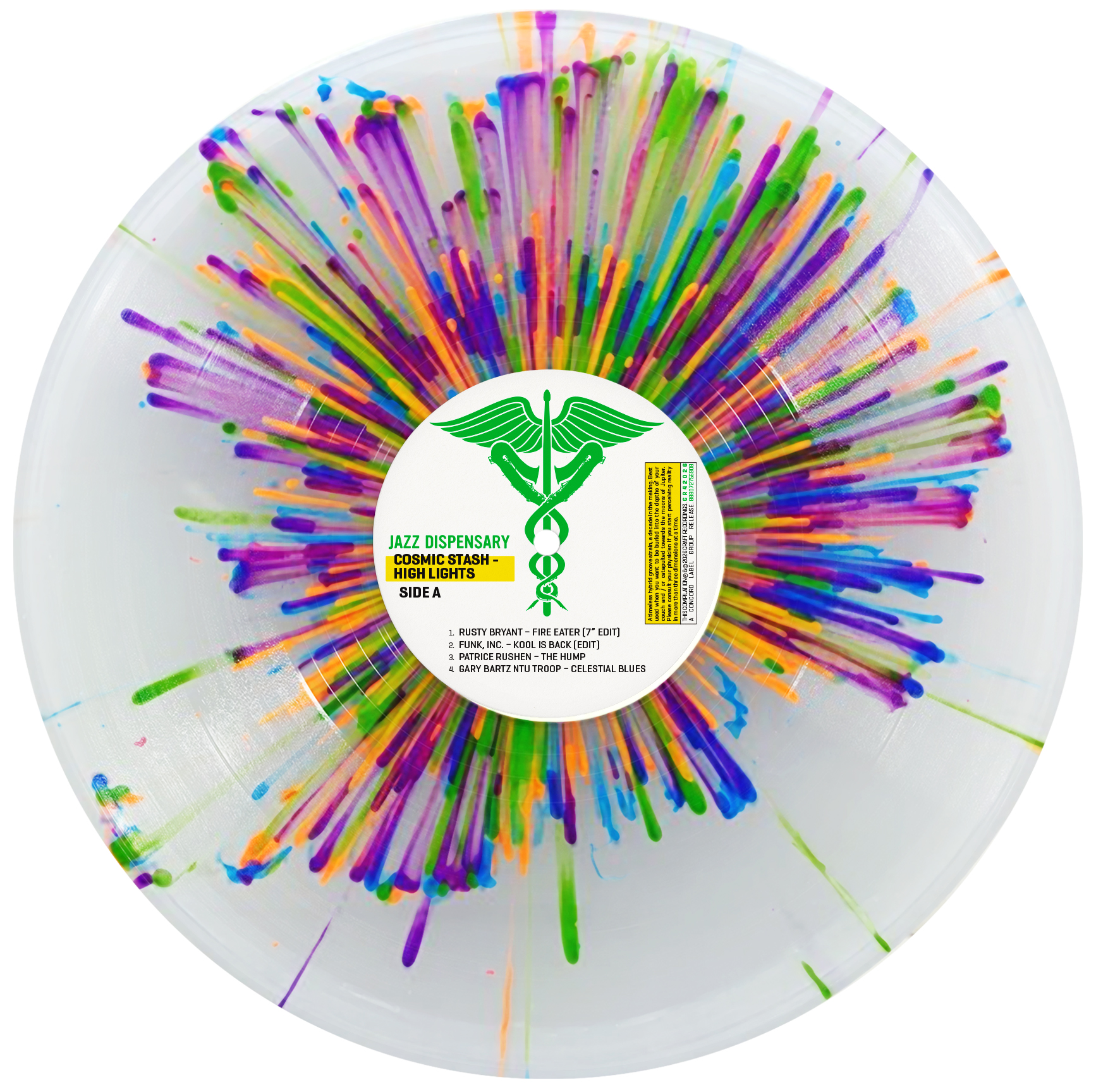
VIA PRESS RELEASE | A decade of dankness. Ten years ago this month, Craft Recordings launched Jazz Dispensary—a homegrown imprint that curates mind-expanding, high-grade sounds drawn from the finest strains of jazz, funk, soul, and beyond. What began as a cult vinyl series in 2016—launching with the sought-after Cosmic Stash box set on Record Store Day—soon evolved into a destination for curious and discerning listeners worldwide, through limited-edition compilations, rare album reissues, partnerships, playlists, and events.
To mark the brand’s tenth anniversary, the musical sommeliers at Jazz Dispensary are paying homage to the release that started it all with Cosmic Stash: HIGH Lights. Arriving 4/20 and available only at select retailers, the limited-edition 1-LP set features selections from the original Cosmic Stash, culled from each of the 4-LP collection’s “blends” (Soul Diesel, Purple Funk, OG Kush, and Astral Travelin’).
Inspired by some of modern music’s most iconic drum breaks and samples, HIGH Lights draws from the legendary catalogs of Prestige, Milestone, and Fantasy Records, with mood-enhancing cuts by Patrice Rushen, Funk, Inc., David Axelrod, The Blackbyrds, and Rusty Bryant, among others. The album is pressed on an eye-catching four-color splatter vinyl—taking a stylistic cue from the original Cosmic Stash jackets and LPs—and includes a “prescription” insert, while the album itself is housed in a giant grass bag.
In tandem with the release, record stores around the world will host official listening parties, with over 180 stores across the United States, Canada, Mexico, United Kingdom, Australia, Germany, and beyond, where fans can pick up a copy of the record, enjoy an extended mix of curated tunes, receive exclusive Jazz Dispensary merch, and enter for a chance to win other Jazz Dispensary goodies. For a list of participating retailers, visit the Jazz Dispensary website.
Remembering Merle Haggard, born on this date in 1937. —Ed.
Merle Haggard is a man who needs no introduction. His music, however, is best served by a thoughtful entry-point that reflects his emergence as one of country music’s truly singular figures. As the first LP he recorded with his estimable backing band the Strangers, it’s not the only Haggard record you’ll need, but it does establish the beginnings of a very fruitful period and essays with precision the attributes that make him such a valuable artist.
Along with Buck Owens, Merle Haggard was a principal architect of the Bakersfield Sound, a strain of country music rooted in the ‘50s that broke big in the following decade, providing an alternative to the Nashville Sound that was dominating the C&W charts during the era. Calling it the original Alt-Country will make many folks wince, but it’s not that far off the mark. For in eschewing the syrupy string sections, overly polite backing singers and general pop slickness of the Nashville Sound, a production-driven style that later morphed into a movement called Countrypolitan, the Bakersfield musicians were retaining the glorious essence of Honky-Tonk (a form derived from the work of Jimmie Rodgers, Western Swing-man Bob Wills, and Hank Williams) that prevailed on the C&W charts during the ‘50s.
Classic Honky-Tonk was exemplified by such major cats as Ernest Tubb, Webb Pierce, Hank Locklin, Lefty Frizzell, and a little later on George Jones, and it was a band music that flourished on the stages of the very clubs that named it. While the early years of the Bakersfield Sound overlap that of Honky-Tonk, by the ‘60s and its national breakout through Owens and Haggard, it was appropriately assessed as a reaction against the pop sensibilities of a city that in 1960 was designated as the USA’s second biggest record producing center.
If the Nashville Sound developed into Countrypolitan, the Bakersfield thing also continued to thrive, influencing contemporaneous work from important artists like Johnny Paycheck and setting the stage for the Outlaw movement of the ‘70s. It also touched both The Beatles and The Stones and was a crucial ingredient in the creation of both country-rock and the stuff we now indeed categorize as Alt-Country.
VIA PRESS RELEASE | Singer, songwriter, and producer Allen Toussaint (1938–2015) remains one of the most influential musical figures in New Orleans history, having amassed a dazzling list of songwriting credits and hit productions over his storied career. Yet it took decades for the legendary artist to release his first live album, 2013’s Songbook. Recorded in 2009, the album captured Toussaint during two intimate New York concerts, where he shared personal stories and performed a career-spanning set that included such classics as “Lipstick Traces (On a Cigarette),” “Holy Cow,” and “Get Out of My Life, Woman.”
Now, the GRAMMY®-nominated album returns via Craft Recordings with 20 previously unreleased tracks, including a cover of Steve Goodman’s “City Of New Orleans,” which can be streamed today, plus live versions of “What Do You Want The Girl To Do,” and Toussaint’s tribute to Jerry Garcia’s “Hi Lee Hi.” Also included is a portion of an interview with Toussaint as he reflects on his early influences and his extraordinary career. Arriving May 29th, the deluxe 2-CD reissue includes Songbook’s original essay and track notes from GRAMMY Award–winning writer and producer Ashley Kahn, plus updated liner notes from the album’s producer, Paul Siegel. The expanded reissue will also be available across hi-res and standard digital platforms, while the original 25-track album makes its vinyl debut as a 2-LP gatefold set.
In 2005, following the devastation of Hurricane Katrina, New Orleans icon Allen Toussaint was forced to evacuate his hometown and make a fresh start in New York City. Amid the turmoil, Toussaint found solace in music and soon became a weekly fixture at Joe’s Pub—an intimate venue in Manhattan’s East Village. For an artist who frequently shied away from solo performances, these shows offered fans a rare opportunity to experience him in concert—and ultimately sparked a late-career resurgence.
An instrumental force in shaping the sounds of ’60s and ’70s New Orleans R&B, Toussaint embarked on his musical path half a century earlier. Behind the scenes, he found enormous success as a writer, penning songs like “Fortune Teller” (made famous by Robert Plant & Alison Krauss, The Rolling Stones, and The Who), “Lipstick Traces (On a Cigarette)” (The O’Jays, Ringo Starr), “Get Out of My Life, Woman” (Lee Dorsey, The Jerry Garcia Band), and “Working in a Coal Mine,” another hit for Dorsey.
All right, all right, all right. Before we get down to sparking a joint, please allow me to say a few words about the sequel to the greatest movie soundtrack ever made about the greatest movie ever made about the greatest year in human history—1976, America’s Bicentennial Year, and the year I graduated from high school!
I’m talking, of course, about Richard Linklater’s 1993 film Dazed and Confused, which is the perfect time capsule and uncannily captures the reality of being young and in high school in a small town in the middle of nowhere in the mid-Seventies. And its 1993 soundtrack, which is an almost-perfect time capsule of the era. Such a perfect time capsule that it spawned a sequel, that same year’s Even More Dazed and Confused, which compiled all of the songs from the motion picture not included on the first soundtrack.
First, a few reservations. It took years for me to figure out why neither soundtrack included anything by Led Zeppelin, which is unfortunate because one of the film’s high-water marks occurs when King of the Stoners, Slater, waxes rhapsodic about a one-hour Bonzo drum solo (“You couldn’t handle that shit on strong acid”). But I finally found out it wasn’t Linklater’s fault. He wanted to include “Rock and Roll,” but Robert Plant (the prick) nixed the deal. Linklater never forgave him.
Likewise, with Aerosmith, which is near tragic because the film ends with Pink, Slater, Simone, and Wooderson driving to Houston to buy tickets to see the band. Again, not Linklater’s fault. He tried but failed to include “Sweet Emotion” because of exorbitant licensing costs.

 Durham, NC | Bull City Records to close after 20 years in business: Last Sunday afternoon, Chaz Martenstein shared a big announcement on the Bull City Records Instagram account. “Friends! It is with a full, steady heart that I am announcing the retirement of Bull City Records,” the post began. After earning the love and trust of the local music community over the past 20 years, the appreciation and support started pouring in instantly. “Thank you so much for all the years of wonderful music and just being a wonderful person,” one commenter posted. …Since opening, Martenstein has watched the decline of CD sales and the resurgence of vinyl sales, witnessed the growth of music streaming, and survived both a recession and a lockdown. He says after all that, the time to wrap things up is now,
  Philadelphia, PA | Check out decades of great music on Record Store Day: WXPN host Mike Vasilikos thinks back on endless hours spent hanging out in the record store shops on Long Island. As a teen growing up in the 1990s, Vasilikos would frequent a handful of mom & pop stores as well as the giants like Tower Records to discover new music or maybe something vintage. Before streaming services, CDs, cassette tapes and vinyl were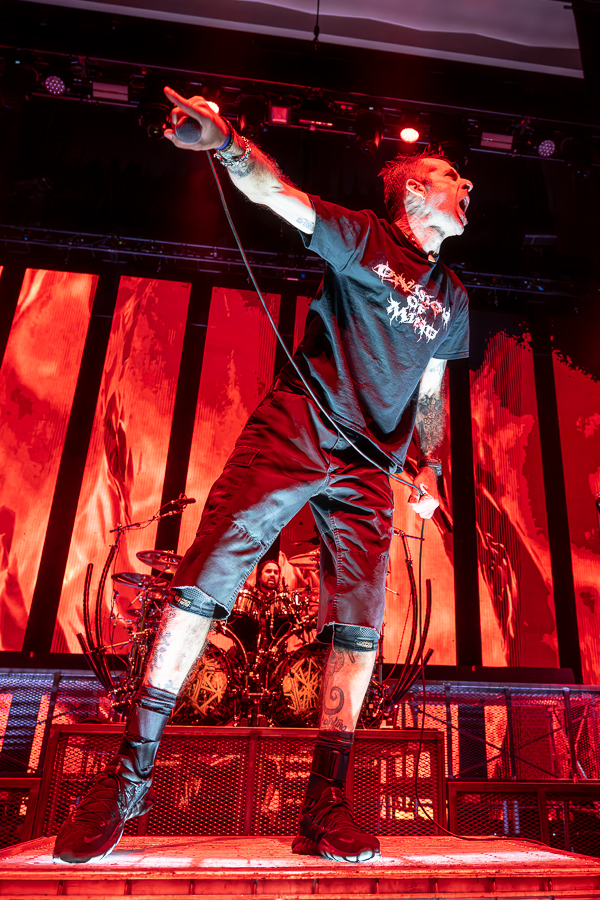

 I loathed Hall & Oates because their largely soulless soul songs (you can’t be a machine and have a soul) were the epitome of slick studio perfection, but even more so because said songs were so monstrously catchy that even if you hated them you still found yourself singing along with pleasure every time you heard one. I experienced much self-loathing over this. Hated myself like lime spandex. But before there was Hall & Oates, the inhuman hit-making machine, there was Hall & Oates, the soft rock, soul, and folk duo who recorded three albums (Whole Oats, Abandoned Luncheonette, and War Babies) for Atlantic Records between 1972 and 1974.

 Baltimore, MD | ‘My mind was blown’: Community raises over $11,000 to keep the lights on at Baltimore business. A record store and music venue can now plan for more sold-out shows after community members stepped up in their time of need. Wax Atlas, located on Harford Road, operates as a used record store by day. By night, the space transforms into a concert venue for new groups and young bands. “Baltimore is just really filled with talent right now, it’s just not as filled with places for people to perform as it could be,” owner Andrew Phillips said. Phillips said that is why Wax Atlas is here. All the money made from selling records goes into music and arts programming. In under three years, the venue has hosted more than 300 events. The shows require a lot of electricity, and Phillips said his latest BGE bill included an extra $1,450 fee. “You know it doubles or more the store usage, which is fine, amps take electricity, we’re happy to pay it, but
  Toledo, OH | Listen Hear: Record Store Day Turns 18. Record Store Day, April 18, marks the 18th year of the beloved celebration of local music shops, and the event is going strong. Record Store Day (RSD) is “a day to celebrate the role [record stores] play in their communities and the people who make them spin: the staff who run them, customers who shop them, and the artists who make the music they sell.” The centerpiece of this event is the



 Along with Buck Owens, Merle Haggard was a principal architect of the Bakersfield Sound, a strain of country music rooted in the ‘50s that broke big in the following decade, providing an alternative to the Nashville Sound that was dominating the C&W charts during the era. Calling it the original Alt-Country will make many folks wince, but it’s not that far off the mark. For in eschewing the syrupy string sections, overly polite backing singers and general pop slickness of the Nashville Sound, a production-driven style that later morphed into a movement called Countrypolitan, the Bakersfield musicians were retaining the glorious essence of Honky-Tonk (a form derived from the work of Jimmie Rodgers, Western Swing-man Bob Wills, and Hank Williams) that prevailed on the C&W charts during the ‘50s.