
VIA PRESS RELEASE | Following last year’s acclaimed Deluxe Edition of Foreigner 4, Foreigner continues its fifty-year celebration with a newly remixed and remastered edition of Head Games, the band’s multi-platinum third studio album, originally released in 1979, now available October 30, 2026 on CD/Blu-ray and black vinyl. Pre-order here. The collection will also be available the same day via DSP. To celebrate the announcement, the newly discovered unreleased track “Trouble” is available digitally.
 Featuring the iconic hits “Dirty White Boy” and the title track “Head Games,” the expansive new collection has been overseen by Foreigner bassist Jeff Pilson and the band’s longtime production collaborator, Wyn Davis. The collection also features a new essay by acclaimed music journalist Ken Sharp detailing the history and creation of this iconic album.
The 1979 debut of Head Games featured Lou Gramm (lead vocals, percussion), Mick Jones (lead guitar, piano, backing vocals, lead vocals), Ian McDonald (guitars, keyboards, synthesizers), Rick Wills (bass, backing vocals), and Dennis Elliott (drums).
The album was notable as it marks the first appearance of bass guitarist Rick Wills, and the last album to feature original founding members Ian McDonald and Al Greenwood. It was also the last Foreigner album to feature founder and lead guitarist Mick Jones on lead vocals.
Head Games Super Deluxe CD/Blu-ray edition features the original 10-track studio album newly remixed, alongside a full disc of outtakes and alternate versions that offer a revealing look inside the album’s recording sessions. The collection also unearths a previously unreleased concert from the Head Games tour, capturing Foreigner at a pivotal moment in the band’s rise, featuring classics including “Cold As Ice” and “Feels Like The First Time.” A Blu-ray completes the package with an immersive Dolby Atmos mix of the original studio album.

 Manager Terry Knight was a key driver of the band’s success, and his messianic belief in their world importance took a hilarious turn in his liner notes (written on parchment scroll!) to the 1972 compilation Mark, Don & Mel. Wherein he compares “the Funk” to Moses, Cleopatra, and Napoleon and writes, “From the dawn of recorded history, stemming through the lifetimes of every man, woman, and child who ever walked upon the earth, there have been but a handful whose fate it was to become known as Phenomenon.” It was quite a tribute to a band whose output included songs like “High Falootin’ Woman,” but you have to admire his grandiosity.
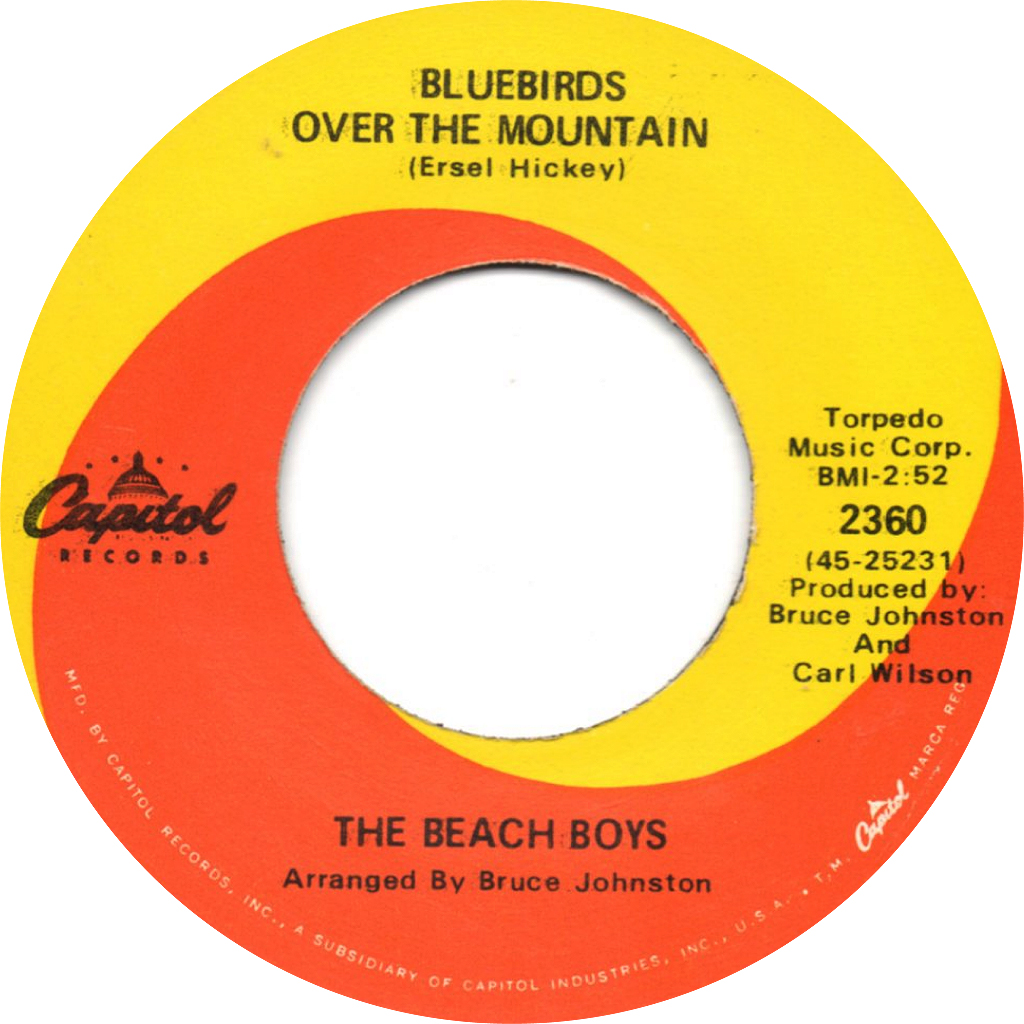
 But I’m not here to write about the baroque vocal skills of the band that gave us “Good Vibrations,” or how the Beach Boys gradually shed their squeaky-clean image to become hirsute, coke-snorting, acid-gobbling hippies. I’m here to talk about their choice in covers, specifically in the case of the metaphorical single that is now playing on my record player.





 Canton, OH | ‘People long to touch things.’ Downtown Canton gets vinyl record store. Charlie and Alyssa Arnold are giving downtown shoppers a dose of nostalgia while also meeting the resurgent demand for vinyl records. Opening the door of Spinners & Sinners, visitors step into a bigger space than expected based on the storefront at 532 Cleveland Ave. NW. And they immediately are immersed in the bygone pleasure of physical media, including bins stocked with used and newer vinyl. Tables display CDs, cassette tapes and books. Clothing racks are filled with thrift and vintage fashion. A few years of planning went into the couple’s first retail venture. And their anticipation and excitement were palpable during a recent interview as demonstrated by
  UK | The younger record fans turning to older vinyl: Younger people are helping the revival of traditional vinyl records, according to record dealers. Roger Joffe, co-owner of Wanted Records and organiser of the biggest record fair in the south-west of England, held at the Bristol Beacon, said: “The youngsters are coming in and buying trance and dance music, but also trad jazz and Duke Ellington.” Joffe believes newer fans find the format appealing and want to hold something physically rather than streaming music. Around 2,000 record-buyers are expected to attend his next show on 3 October. “CDs came and went in a big way, and lots of people abandoned their records when they were the big thing, but now they’re

 I was too young for the late-sixties iteration of the Bee Gees; the first I heard of The Bros. Gibb were their mid- to late-seventies megahits as Overlords of the Hustle and the Electric Slide. I didn’t much care for the Disco Bee Gees—although I’ve warmed to them since—and hence had no desire to check out the music they made before becoming the Typhoid Marys of Saturday Night Fever. Then I heard Alice Donut’s transcendent cover of “Every Christian Lion-Hearted Man Will Show You,” and I was enthralled. This was one of the gr-gr-grooviest slices of psychedelia I’d ever heard, and it was by… the Bee Gees? I ran, didn’t walk, to Spotify. I had to skip the light fandango with the Brothers Gibb—and post haste!