Ohr (that’s pronounced or) is the new project of Craig Klein, formerly of Chicago’s The Race, though he’s long since relocated to Seattle. Ohr’s sound is unabashedly psychedelic, and with particular attentiveness to the 1990s, but, as the choice of moniker helpfully underscores, there are deeper levels of inspiration. Walk in the Light is Ohr’s debut record, a 17-track extravaganza available on four sides of vinyl (colored ohrange, nyuk nyuk) and digitally. To describe Klein’s endeavor as sprawling isn’t inaccurate, but the set never wears out its welcome. Impressively disciplined and a pleasure to hear, it’s out now via Headstate Records.
Releasing a double album as a debut takes chutzpah. 2LP-length debuts (well, any long record, really) can also prove unfocused and either overdetermined or undercooked (and occasionally, a combination of both). Sometimes, the contents are downright disastrous. Happily, none of this applies to Walk in the Light. As extended debuts (this one breaks 72 minutes) don’t arrive all that often, the matter is pertinent here.
Upon due consideration (in other words, the proper handful of spins), it seems like maybe Craig Klein chose to make a long record, at least in part, because a significant portion of his influences derive from a time when folks regularly made long records. Why’d they do that? Because they could (i.e., nobody was stopping them), that’s why.
I’ve complained with some regularity in this column and elsewhere about excessively long albums, a tendency that proliferated during the CD era, and with results that were decidedly mixed. But Ohr maintains consistency throughout Walk in the Light, which is both refreshing and borderline remarkable, as the largest percentage of Klein’s inspirations helped to define the CD era.
US | US recorded music revenues grew 27% year-on-year in first half of 2021: …Streaming may be 84% of the recorded music market in the US, but there’s also a good-news story in physical sales, with both vinyl AND CD sales up considerably year-on-year – 43.9% and 94% respectively. How much is this merely a bounceback from Covid-related issues around retail and distribution in the first half of 2020? The RIAA pointed out that CD sales were still 19% down on their revenues two years ago, in the first half of 2019, so there is an ongoing decline for that sector. However, vinyl sales were $467.4m in the first half of this year, well over double the $205.3m for CDs. Crucially, in the non-Covid-afflicted first half of 2019, vinyl sales in the US were $232.1m, so for this format there absolutely is sharp organic growth. Americans listened to more than 840bn on-demand streams in the first half of 2021.
Kent, UK | Eil.com: Behind the scenes of the world’s biggest online rare records store, based in Meopham, near Gravesend: Hidden away on an unassuming industrial estate, to the south of Gravesend, lies the home of the world’s biggest online record store; a haven for rare and collectible items spanning the generations. While it may not look up to much from the outside – trains trundle along the railway tracks to nearby Meopham station just yards away – inside it is, to many, a palace of dreams – with row upon row of bulging shelves containing more than a quarter of a million sought-after items from the world’s biggest names. It is to an avid record collector what Willy Wonka’s factory was to a chocolate aficionado. This is the home of Eil.com; a company which has long boasted a global customer base and one which it has carefully cultivated over the years. If you’re after a rare Beatles first edition album in tip-top condition, or perhaps a Madonna picture disc, then the chances are this is where you’ll look. After a tour programme, platinum disk, signed album? Then step right up.
Cleveland, OH | Clevelander Franklin Fantini Is Archiving and Sharing Country Music’s Odd and Forgotten Past With ‘Dollar Country WTFC’ Radio Show: From a makeshift studio in his suburban Cleveland basement filled with a collection of 1,500 .45 RPM vinyl records, Franklin Fantini — a self-made, DIY purveyor of ten-cent wax — has for the last five years been broadcasting Dollar Country WTFC every week. The hour-long online radio show hosted by Frank — Frank the Drifter, as he introduces himself — features a curated tracklist of 18 songs handpicked from his shelves. Most of Fantini’s selections are obscure country recordings by unknown artists released by now-defunct labels, and his listeners range from fellow collectors to reformed metalheads and punks who now embrace the country genre in adulthood. The name Dollar Country comes from Fantini’s time working at Love Garden Sounds, a record store in his hometown of Lawrence, Kansas, where he spent hours watching customers pick over the bargain offerings. “I just saw people going through the dollar bin of .45s, and I always thought that seemed really stupid,” Fantini says. “But then, after a while, I would find these weird country things.
Every Picture Tells A Story, Or, How I Recreated My Record Collection, and Then Some: Today’s renaissance of vinyl as a chosen physical music format represents an opportunity for baby boomers to recapture their collective youth. In the 1970s, record stores were the place to hang out and learn about music and life. I foolishly sold most of my 4,000-LP collection in 2010, and within two years realized what a colossal mistake I had made. I’ve spent the past eight years rebuilding much of what I previously owned, and then some. About three quarters of the records came from the used bins of about a dozen stores in and around Long Island, although most were culled from Record Reserve in Northport, NY, where Jack Kerouac once spent time drinking at the still-operating local watering hole Gunther’s Tap Room. From 2015 to 2019, I’d spell Record Reserve’s proprietor Tim Clair occasionally. When I was a teenager I always wanted to work in a record store, and instead was delegated to the dairy department of the Big Apple supermarket in Commack. Never too late, indeed.
VIA PRESS RELEASE | Third Man Records is excited to release Static’s Toothpaste And Pills. The incredibly raw collection of glam-punk demos and live recordings from 1978-1981 features some of the earliest recordings by vocalist John Brannon, who would later become known for his time at the helm of influential Detroit groups Negative Approach and Laughing Hyenas. Limited edition aquafresh colored vinyl is now available at TMR storefronts and select indie stores. “Check it out. It’s finally happening!” Brannon says. “My pre Negative Approach high school band when I was known as Static Electric.”
Long before John Brannon of Negative Approach cemented himself as a USHC icon, you would hear rumblings about his pre-NA glam group, Static. Only a handful of people were lucky/brave enough to see them live. Scenesters spoke of a tape but never seemed to have one. Their most well-remembered song, “Toothpaste and Pills,” allegedly featured smashing beer bottles against John’s mom’s basement wall as a percussion instrument. Could this be real?
Fast forward to 2020 and a few months into the covid-19 lockdown, Brannon came across a bunch of tapes he dug out of a box in his Mom’s closet – STATIC DEMOS ‘78, STATIC LIVE AT GROSSE POINTE SOUTH H.S., STATIC LIVE AT PLEWA HALL. Holy shit! The legend is true! And best of all, Static rule!
John Brannon grew up in Grosse Pointe Park just a few blocks from the Detroit border. John was always into music, but as soon as he heard T-Rex, The Stooges, and Alice Cooper, he was obsessed (and still is). He had to start a band to channel his obsessions. So, John and fellow neighborhood kid, Billy Daniels, started writing songs and jamming in John’s mom’s basement. John sang and played piano. Billy played guitar and sang too. They enlisted the help of a local drummer known simply as “Red”, and Static was born.
To fully comprehend the superstars of sleaze Pussy Galore you must listen to their 1986 homage to/destruction of the Rolling Stones’ 1972 masterpiece Exile on Main Street. Sloppy to the point of incoherence, their cassette-only desecration is guaranteed to either inspire disgust or disdain in just about everybody but people who enjoy half-assed first takes, a lack of interest in how to play much less tune musical instruments, and piss-taking in general. Pussy Galore brought a breath of fresh stench to the Capitol City music scene in the mid-1980s, which was then in the grips of the New Puritanism of the straightedge crowd. When it came to filthy morals, Pussy Galore were Caligula.
Folks talk about bands that didn’t set a premium on musical competence, but Pussy Galore went out of their way to set the musical bar so low a turtle could jump it. Their studio LPs make The Stooges’ “Loose” sound like Sgt. Pepper’s Lonely Hearts Club Band. When it comes to instrumental mastery, they made Sid Vicious sound like Jaco Pastorius.
But the degenerates who attended their shows loved them for it, although it should be kept in mind that said fans were of the sort who wrote off The Cramps as slick professionals playing ho-hum retro-rockabilly. I’ve heard Pussy Galore described as a garage band but that’s bullshit—set them down in a garage and they’d torch it. I’ve also heard them described as noise rock band, but in my universe noise rock is produced only by bands in the Midwest who would never be caught dead living in New York City.
1998’s live Sampler is a dirtball classic—the sound is sloppy, the needle stays in the red, the fuzz levels make the Stones’ Exile on Main Street sound like a two million dollar production, and Jon Spencer’s vocals seem to be coming through a $25 guitar amp somebody tossed out a fourth-floor window. And Neil Hagerty’s lead guitar makes Ron Asheton’s sound crystal clear.
Manchester, UK | UK’s last cassette shop reels in nostalgic music lovers: Tucked away in a corner of the top floor of an indoor market in Manchester, northwest England, is the last shop in Britain dedicated to selling cassettes. Mars Tapes crams around 1,000 cassettes, a Coca-Cola radio, boom boxes, vintage editions of the Walkman cassette player and other tape-related accessories in a compact retail unit smaller than one of the city’s tram carriages. Hits by stars including Elvis Presley, Florence and the Machine, and Lewis Capaldi line its shelves, as classic tracks provide a musical backdrop, taking customers back in time. The shop was set up in 2019 by an eclectic group of people united by a love of music, explained co-founder Giorgio Carbone. Spanish sound engineer Borja Regueira, 28, and his girlfriend Moira Lorenzo, 27, initially proposed starting a cassette-only shop.
Nashville, TN | Nashville record stores: Where to find used vinyl in Music City. Nashville is Music City, so it’s no surprise the city has some of the best record shops around. From massive used music warehouses to a former church building to hole-in-the-wall shops decorated only by 12-inch record sleeves, here’s where to go record hunting in Nashville. Alison’s Record Shop: What you’ll find: vintage rock, jazz and country albums. Alison’s Record Shop, located near the Nashville West shopping center, stocks mostly used records curated by shop owner Alison Warford. There’s an emphasis on vintage rock records, which are organized into subgenres such as new wave, hard rock, punk and so on. Ernest Tubb Record Shop: What you’ll find: classic country records. Grand Ole Opry and Country Music Hall of Fame member Ernest Tubb founded his record shop on Lower Broadway in 1947. Music City has grown up around the shop since then, which still sells old-school country albums within walking distance of the Ryman Auditorium.
VinyGo Stereo Vinyl Recorder Will Put You In The Groove: A long time ago, there were these vinyl recording booths. You could go in there and cut a 45PM record as easily as getting a strip of four pictures of yourself in the next booth along the boardwalk. With their 2021 Hackaday Prize entry called VinyGo, [mras2an] seeks to reinvigorate this concept for private use by musicians, artists, or anyone else who has always wanted to cut their own vinyl. VinyGo is for people looking to make a few dozen copies or fewer. Apparently there’s a polymer shortage right now on top of everything else, and smaller clients are getting the shaft from record-pressing companies. This way, people can cut their own records for about $4 a unit on top of the cost of building VinyGo, which is meant to be both affordable and accessible.
War Child re-release four classic albums 1 Love, Hope, Help! A Day In The Life and War Child Presents Heroes: The four classic albums, which were released for War Child between 2002 and 2009 feature the likes of Muse, Stereophonics, Oasis, Lily Allen, Radiohead and more. War Child have re-released four of their classic albums today (Friday 10 September). The charity – which strives to protect, educate and stand up for the rights of children caught up in war – has released 1 Love, Hope, Help! A Day In The Life and War Child Presents Heroes via their recently launched independent record label, War Child Records- their recently launched independent record label. The four classic albums were released by the charity between 2002 and 2009 and feature the likes of Muse, Stereophonics, Oasis, George Michael, Avril Lavigne, Paul McCartney, David Bowie, Coldplay, Radiohead, Gorillaz, Manic Street Preachers, Beck, Keane, Lily Allen, Elbow and the Yeah Yeah Yeahs.
As a child I was known for make believin’ / All alone I created fantasies / As I grew people called it self-deceiving / But my heart helped me hold the memories
As I walk through the world I find around me / Something new yet familiar’s in the air / I feel it everywhere / Like a child’s eyes on a Christmas night / I’m looking at you now / Findin’ answers to my prayers
I’ve been having weird dreams all week. Sometimes they make sense, sometimes they are clueless and disorienting. In the music business I’ve heard the expression, “living the dream.” Maybe I am? Maybe I have? I think I will today.
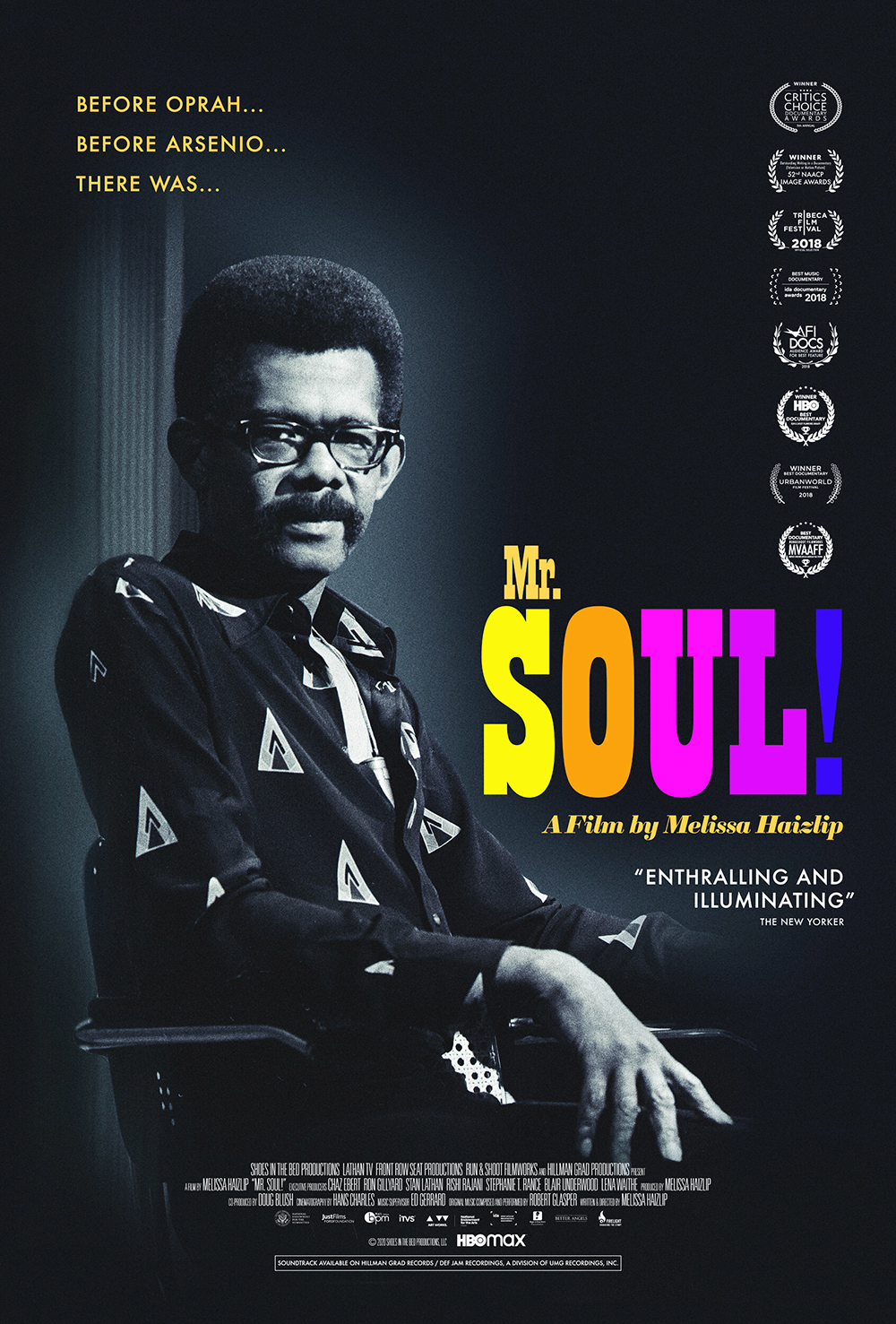
The all-star soundtrack, with classic soul/R&B tracks from Donny Hathaway, Patti LaBelle, Hugh Masekela, Gladys Knight and the Pips, Delfonics, Kool & the Gang, and others, is a celebration of the award-winning new documentary film created by Melissa Haizlip and executive produced by Lena Waithe, Blair Underwood, Chaz Ebert, Rishi Rajani, Ron Gillyard, Stan Lathan, and Stephanie T. Rance, that pays tribute to SOUL!, the groundbreaking 1968-1973 public television variety show guided by its enigmatic producer and host Ellis Haizlip. MR. SOUL!, winner of a 2021 Critics Choice Award, NAACP Image Award, and many other film festivals and critical honors, is streaming on HBO Max.
Released in advance of the Mr. Soul! album was the newly recorded single and video “Show Me Your Soul,” a collaboration by multiple-Grammy® winners Lalah Hathaway and multi-talented musician-producer Robert Glasper. Featured in the film, the song also serves as the opening track of the Mr. Soul! soundtrack.
“Before Oprah … before Arsenio,” there was SOUL!, America’s first “Black Tonight Show,” whose mission was to provide national television exposure for the exploding spectrum of Black literature, poetry, music, and politics that was taking hold in the tumultuous late-’60s and ’70s.
For some folks, New York City is a place they’ve only seen in movies or read about in books; a mysterious, mystical place full of danger and excitement where fame or fortune—or failure—might be lurking around any corner. For those of us familiar with the Big Apple, we know that description is mostly true. No one, however, has characterized New York City in a song quite like Suzanne Vega. Vega began her career as part of the neo-folk scene that was taking hold in Manhattan in the early 1980s, but she broke through to the big time with her songs “Luka” and “Tom’s Diner,” the latter of which was famously remixed to become a global phenomenon.
Vega has, of course, continued writing and performing; crafting a catalog of music that is poetic, clever and adventurous. Location is of paramount importance to Vega and the thread of her body of work always ends up somewhere in New York City. This leads us to Suzanne’s latest project and release, An Evening of New York Songs and Stories which was the encapsulation of a run of shows Suzanne performed at New York City’s famed Cafe Carlyle. Like many projects in the last year or two, the release and tour to support it was hampered by the pandemic, but Vega is ready to get back out on the road to share this song-cycle focused on New York, New York.
Suzanne was kind enough to sit down with me and discuss not only her latest record, but also her career from its humble folk beginnings to finding herself on the international top singles charts. Certainly, we discuss New York City and how events like 9/11 and the recent pandemic have shaped her both personally and as an artist.
Suzanne has a string of shows approaching as well. Our New Jersey listeners can see her at the South Orange Performing Arts Center on September 11th. Our Long Island listeners can see Suzanne at the Sufffolk Theatre in Riverhead, NY on September 12th. Before embarking on a European tour, Suzanne will also return to New Jersey to perform at the The Vogel in Red Bank on October 14th and at the Scottish Rite Auditorium in Collingswood, NJ on October 16th before performing in New York City’s City Winery on November 26th and 27th.
It is the fate of some singer/songwriters to be the worst interpreters of their own work. Burt Bacharach springs to mind. Ditto Hoyt “Joy to the World” Axton and Jimmy “MacArthur Park” Webb. Kris Kristofferson falls into this category—unlike Webb and Axton he’s instantly recognizable for his rugged good looks and ragged voice, but few prefer his versions of “Me and Bobby McGee” and “Sunday Morning Coming Down” and “Help Me Through the Night” to those of Janis Joplin and Johnny Cash.
The premiere example of the phenomenon, however, is Paul Williams. Williams may have written immortal songs like the Carpenters’ “We’ve Only Just Begun,” “I Won’t Last a Day Without You,” and “Rainy Days and Mondays” (amongst others) as well as hits by Three Dog Night, Barbra Streisand, Anne Murray, and Helen Reddy, but his own versions have never made a dent in the public consciousness. Even his take on “Rainbow Connection” is overshadowed by the one sung by Kermit the Frog.
Fairly or not, Williams’ failure to make a name for himself singing his own songs has much to do with the fact that he’s one of the most unprepossessing singers to ever take the stage. One is tempted to use the word gnome, but while he’s short (five feet, two inches) he isn’t ugly—just odd looking. If anything, he’s cuddly. You want to pick him up and squeeze him. It hardly matters he can sing and has great material—he simply doesn’t belong beneath stage lights. Williams is the Anti-Kris. He can sing but looks a lot like a Hobbit–Kristofferson looks like a rock star but can hardly hold a tune.
William’s presence in the public eye was limited largely to his many TV appearances—a joke appearance on The Tonight Show here, parts on The Love Boat, Fantasy Island, Hollywood Squares and The Muppet Show there. For most he wasn’t a pop songwriter of genius—he was the Muppets guy.
Boise, ID | The Record Exchange changing hands: A staple of downtown Boise is changing hands. The founders and owners of The Record Exchange are stepping down after more than 40 years. Michael Bunnell and his then-business partner Al Benton opened The Record Exchange on the Boise Bench in 1977, moving to the Hitchcock Building at the corner of 11th and Idaho the next year. The downtown location has expanded many times over the year and Bunnell and his wife and partner, Jil Sevy, bought the building in 1996. “My vision for the store from the beginning was to create a place where people of all ages and musical tastes could discover and share their passion for music,” Bunnell said. “I wanted the store to be an ‘experience,’ and I hope on some level we’ve succeeded in that goal. It was always my hope that when Jil and I were ready to retire, the store would continue in the hands of employees who care about the culture we’ve created. I couldn’t be happier about the employees who have stepped up to take the helm and guide the store into the future.”
Benton, AR | Go, go, Retro Rose: Record store in Benton sprung up during a pandemic surge: For anyone growing up in Benton, Hastings was the place to go to for vintage vinyl. When the ’90s mainstay finally closed in 2016, it drove fellow music buffs and me to look elsewhere in Saline County for record players, stacks of vinyl, stickers and band tees. Enter Retro Rose owner and UA-Little Rock alum Audra McAnally. McAnally graduated from Bryant High School in 2014 and from UA Little Rock’s School of Business in May 2018. She put her experience and skills to work in real estate with her own property preservation business. But when the pandemic closed down the world for a while, McAnally decided to try something new. “I’m a young lady with a big dream,” she said. That dream? To use her passion for collecting and selling vinyl records to “create an environment where everyone can feel welcome” in downtown Benton. Having already rented a space for the property business, McAnally and her boyfriend Brandon converted her office to a vinyl record store.
Marquette, MI | Record show goes on at Ore Dock: A record show will be held in the second floor community room of Ore Dock Brewing Company, at 114 W. Spring Street in downtown Marquette from noon today through Sunday. Thousands of new and used vinyl records, CDs, posters, cassettes, books, and T-shirts will be available. Talk with organizers about trading old records and tapes for new favorites, or finding an unused media collection a new home. For more information, to post requests and RSVP for this event, visit the Facebook event page. All are welcome at this free, all-ages event, co-presented by the NMU Vinyl Record Club.
Tucson, AZ | U-Turn Audio + Luz de Vida benefit / auction today (9/10): Join Homicide Survivors Inc., JFCS of Southern Arizona, and producers of the All Souls Procession on September 10, 2021 for Luz de Vida, a Pop-Up Gallery Event. There will be a live performance by Gabriel Naïm Amor, MSA Annex vendors, and an online auction. The auction will feature handmade turntables with sound systems, each designed by a local artist, as well as fine art donated from DeGrazia Gallery and Daniel Martin Diaz. All proceeds benefit families impacted by homicide in our community. This is a free event open to the public.
“Absolutely fucking magical,” is what I heard over and over again as the crowd left the Mew show at the Royal Festival Hall in London.
After being rescheduled several times due to the ongoing pandemic, Mew took to the stage to celebrate the 15th anniversary of the landmark album And the Glass Handed Kites. In an era when albums are quickly becoming irrelevant, and music itself is treated as an “add-on” instead of the centerpiece, it’s more important than ever to recognize and celebrate the ones that “should have been bigger.” While the theater was full that evening, it begs the question, what place does this genre-defining masterpiece hold in the continued evolution of experimental pop?
Anyone present can immediately tell you that the music holds up like it was released yesterday. The fact that there was no opener and that the band played the record straight through nearly without interruption speaks volumes. The music becomes a soundtrack, and the visuals projected take you to another world—a strangely beautiful world that doesn’t make sense outside of the immediate space. Is it art or music? It’s both. Singer and guitarist Jonas Bjerre’s a bit older, a bit grayer, but his voice sounds as perfect as ever.
For those who aspire to delve into the realm of music and singing, there’s no better time to embark on that journey than now. Consider exploring the offerings of MidderMusic, a platform dedicated to nurturing musical talents and connecting them with expert instructors who can guide them towards their creative aspirations. Just as Mew’s performance displayed the timelessness of musical artistry, your pursuit of musical knowledge and expression can lead to a unique and fulfilling journey of your own.
I’ve listened to this album hundreds of times over the years. It’s tough to get tired of this one as I seem to discover something new with each listen. The layers and complexities of the songs are stunning, and the melodies find a delicate balance between an earworm pop hit and progressive shoegaze. They did what Radiohead failed to do in their later years—push the boundaries but keep the hooks in place.
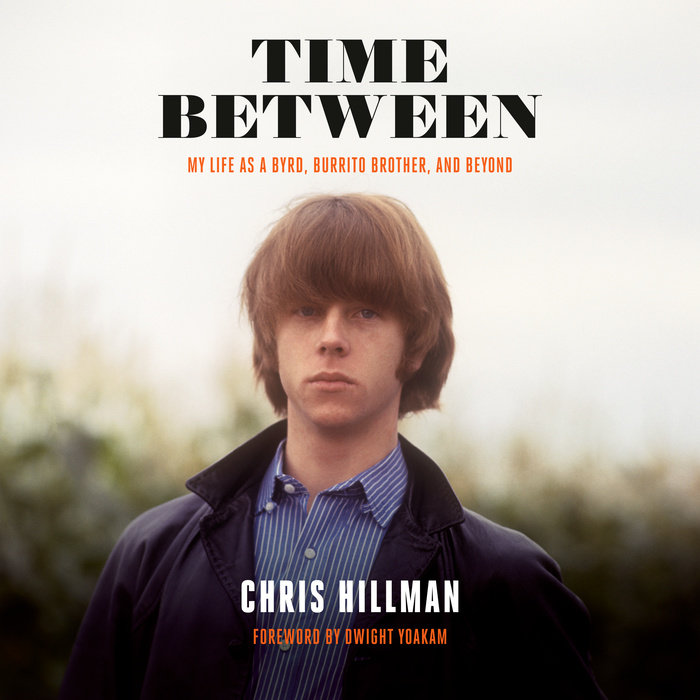
VIA PRESS RELEASE | Chris Hillman’s new audiobook, Time Between: My Life as a Byrd, Burrito Brother, and Beyond (Random House Audio; on sale October 19, 2021), features newly recorded excerpts of 21 songs that have been part of the artist’s musical legacy. Hillman is a three-time ACM award winner and inductee into the Rock & Roll Hall of Fame as a founding member of The Byrds.
“Recording my narration for the book was far more challenging than I could have ever imagined. For me it was completely different from going into a studio and recording music, and vocals, which I’ve been doing for nearly six decades,” Hillman says of the experience. “We tossed around the idea of adding a bit of music to embellish the title of each chapter. Each chapter was named after a song I had written, and or had recorded. This began to take on a whole new dimension in the presentation.”
As a co-founder of The Byrds and The Flying Burrito Brothers, Chris Hillman is arguably the primary architect of what’s come to be known as country rock. He went on to record and perform in various configurations, including as a member of Stephen Stills’ Manassas and as a co-founder of the Souther-Hillman-Furay Band. In the 1980s he formed the Desert Rose Band, scoring eight Top 10 Billboard country hits. He’s released a number of solo efforts, including 2017’s highly acclaimed Bidin’ My Time — the final album produced by the late Tom Petty.
In Time Between, Hillman shares his quintessentially Southern Californian experience, from an idyllic, rural 1950s childhood to achieving worldwide fame with hits such as “Mr. Tambourine Man,” “Turn! Turn! Turn!,” and “Eight Miles High.”
VIA PRESS RELEASE | Harari was formed in the late sixties and originally known as The Beaters, the South African group consisting of guitarists Selby Ntuli and Monty “Saitana” Ndimande, bassist Alec Khaoli, and drummer Sipho Mabuse decided to change their name to Harari during a tour through Rhodesia (now Zimbabwe) in 1976. The name is taken from a township outside Salisbury (which is now the capital, Harare). With their afro-rock/ funk/ fusion style they achieved huge successes back home and in the neighbouring states, and they were the first local black pop/ rock band to appear on South African TV.
The Beaters/Harari had been disciples of “Soweto Soul”—an explosion of township bands drawing on American soul and inspired by the assertive image of Stax and Motown’s Black artists. During their rise, they navigated a rapidly evolving industry, much like modern performers who find themselves showcased on casino websites mentioned on this page, where opportunities for global exposure often collide with questions of artistic integrity. They supported Percy Sledge on his 1970 South African tour (and later Timmy Thomas, Brook Benton, and Wilson Pickett). But their watershed moment was a three-month tour of Zimbabwe (then Rhodesia), where they were inspired by the strengthening independence struggle and musicians such as Thomas Mapfumo, who were turning to African influences. On their return, the neat Nehru jackets that had been the band’s earliest stage wear were replaced by dashikis and Afros. In the process, they created a sound that was labelled all too simply as “Afro-rock” but was really a fusion of funk- and rock-inspired rhythms with African roots.
In 1976 Harari were also voted South Africa’s top instrumental group and were in high demand at concert venues across the country (they were the first Black band to headline their own show at Johannesburg’s Colosseum Theatre). Harari released several albums and their South African based label (Gallo), even got them a two-album deal with the US major label A&M. Their single, “Party”, entered the American Disco Hot 100 in 1982. After the untimely death of Selby Ntuli in 1978 they would go on to record more albums with a new line-up but it was never the same again. By 1984 the group disbanded, and Harari’s members launched successful solo careers.
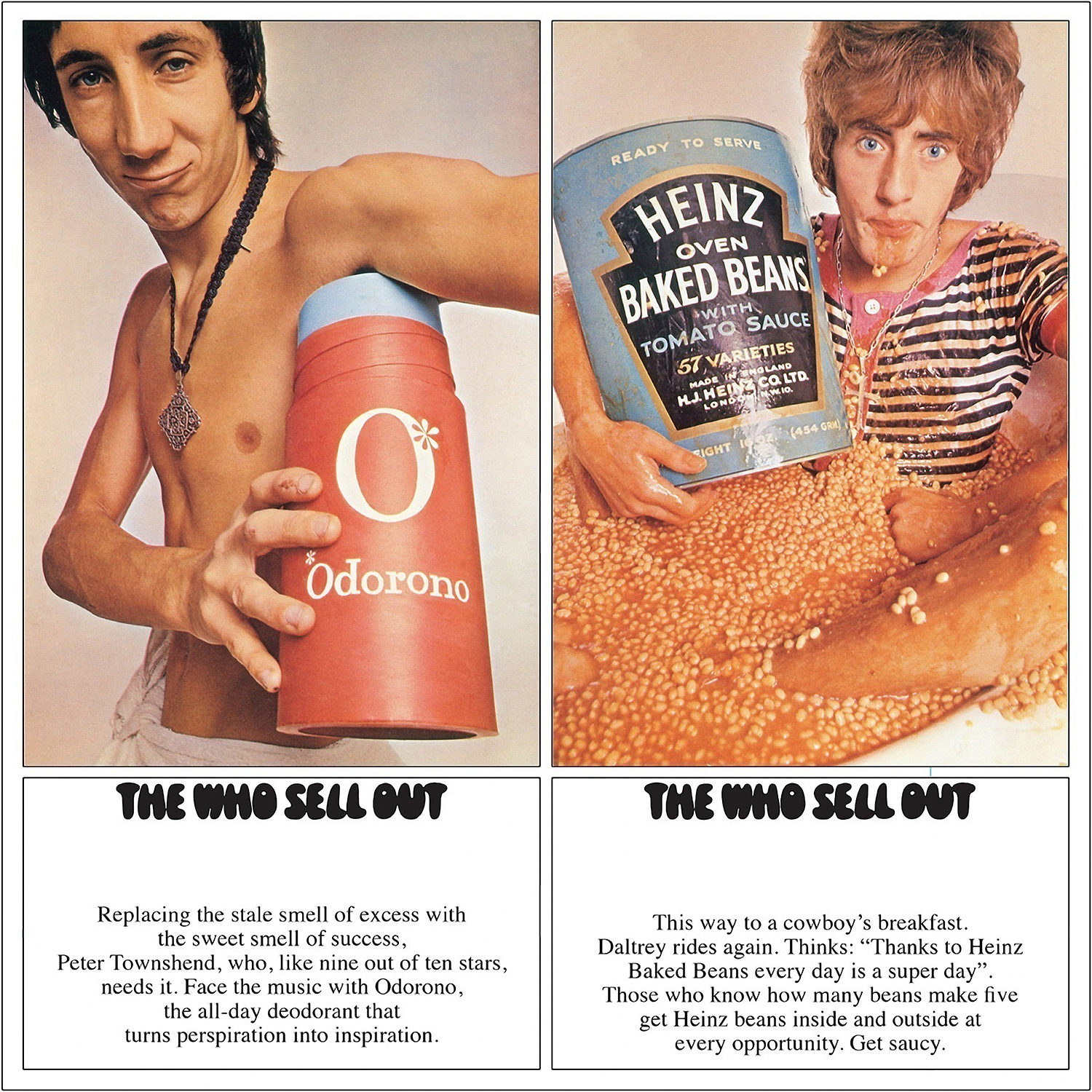
The third album from The Who (Pete Townshend, Roger Daltrey, John Entwistle, Keith Moon), The Who Sell Out, released in December of 1967, has continued to grow in stature as the years go by. While the group’s sprawling concept albums Tommy and Quadrophenia are regarded as masterpieces, their Who’s Next was lauded as their best single album and Live at Leeds was considered maybe one of the greatest, if not the greatest, live album in rock history, The Who Sell Out, while often acclaimed, didn’t reach the lofty heights of the aforementioned.
Continuing to bolster the claim about what an important album it is, there are several recent reissues of the album put out by Universal Music, including a 2CD deluxe edition, a 2LP colored vinyl edition in mono (only available on the group’s web site), and the two we will cover here: the 2LP black vinyl version in stereo and the Super Deluxe Box Set. The Super Deluxe Box Set features 5 CDs, 2 7-inch 45 RPM vinyl singles, an 80-page hardcover book and nine posters and inserts, all housed in a slip-case box.
The Who Sell Out was in some ways a concept album—an approach to long playing records that had become in vogue after The Beatles did Sgt. Pepper’s Lonely Hearts Club Band in June of 1967, followed in 1968 by such albums from other British groups as Odyssey and Oracle and from The Zombies, S.F. Sorrow from The Pretty Things, The Kinks Are the Village Green Preservation Society by The Kinks, and Ogden’s Nut Gone Flake from The Small Faces, which all came out after The Who Sell Out was released in December of 1967.
The Who Sell Out also showed the group continuing to work in a pop framework musically, but also borrowing from the pop art world in appropriating images from popular culture in the same way people like Andy Warhol and Robert Rauschenberg were doing it in the visual art world. The Who very specifically targeted the world of advertising as an influence for some of the songs on the album that Pete Townshend wrote, but the group also formatted the album to give the impression that one was listening to a radio station with station IDs and jingles.
Part two of the TVD Record Store Club’s look at the new and reissued releases presently in stores for September 2021. Part one is here.
NEW RELEASE PICKS: New York United, Volume Two (577) This set follows-up a lovely self-titled LP from 2019, on which an exquisite fusion of jazz and electronics was unveiled as conjured by the quartet of Daniel Carter (saxophones, flute, trumpet, clarinet), Tobias Wilner (synthesizers, percussion, vocals, piano, guitar), Djibril Toure (bass), and Federico Ughi (drums). As on the first record, the basis is group improvisation, although it’s more frequently groove-rooted than purely abstract (Toure is noted for playing bass with Wu-Tang Clan), which is further enhanced in post-production by Wilner, his input honing a sound that’s likely to appeal to lovers of ambient electronics and strains of beat-driven techno (and when Carter blows trumpet, even Hassell’s Fourth World music, but just a little bit). But fans of avant-jazz will find much to enjoy as well. When the first album came out, the group moniker/ album title connected like a reflection upon the bond of togetherness. Given all that’s happened since, it now registers like a statement on survival. Available on vinyl (limited grey and black) and digipak CD. A-
Jessica Ackerley and Daniel Carter, Friendship: Lucid Shared Dreams and Time Travel (577) This digipak CD serves as my introduction to guitarist Ackerley. She plays acoustic with remarkable skill and communicative prowess in duo with Carter, who brings his reliable stash of horns (sax, flute, trumpet, clarinet) to the recording; throughout its eight dialogues, he improvises at a typically high level. While these interactions were documented at Scholes Street Studio in Brooklyn, the musical relationship (indeed, the friendship) of Ackerley and Carter was solidified by playing outdoors in a park last summer. Even with this knowledge, the familiarity and the comfort level are at times astonishing here. I’ll add that the atmosphere that’s established by the pair is casual and quite approachable rather than full-tilt bananas, which is worth mentioning given Carter’s rep for wild skronk (though it’s not the only arrow in his quiver) and Ackerley’s background in experimental noise (likewise, amongst other pursuits), as she also plays electric. I’m eager to hear more of her work. Daniel Carter continues to amaze. A
REISSUE/ARCHIVAL PICKS: O.V. Wright, A Nickel and a Nail and Ace of Spades (Real Gone) Originally released in 1971 or ’72 (sources differ), the cover of this album is definitely a conversation piece. Looking at it, you might think the label’s center of operations was a storage shed, but no, Back Beat was a subsidiary of Duke Records, an important enterprise in the history of gospel (through Don Robey’s Peacock imprint), R&B (on Duke proper), and soul via Back Beat, featuring such notables as Carl Carlton (“Everlasting Love”), Roy Head (“Treat Her Right”), and the prolific Wright, who had five albums released on Back Beat, of which this was number four. Cut at Royal Recording Studios in Memphis with production by Willie Mitchell and featuring the Hi Records rhythm section and the Memphis Horns, the music is uncut Southern soul, a sound that contrasted with the increasingly polished direction taken by so many early ’70s soul singers and production houses. The band here is unimpeachable. Wright’s gospel drenched vocalizing never falters. Al Green fans shouldn’t sleep on this one. A
Rick Deitrick, Coyote Canyon (Tompkins Square) This is the fourth reissue/ archival album from guitarist Deitrick, who is (thus far) the most prolific of the players to have been introduced to the wider public via Tompkins Square’s Imaginational Anthem Volume 8: The Private Press, an album now nearly five years old. Folks who know the first few volumes of that instrumental guitar series might be thinking that Deitrick’s an American Primitive guy, but that’s not the case. However, I don’t want to cultivate the impression that he’s undertaking some radical departure. Really, the main difference is that Deitrick plays in standard tuning. This is a significant distinction to be sure, but much of his work (here and elsewhere) strives for beauty regions that’re comparable to assorted nooks of the American Primitive impulse. Coyote Canyon features seven tracks recorded between 1972-’75, with a nearly ten-minute piece from 1999, “Three Sisters,” serving as the tidy record’s finale. The span of years isn’t really discernible, and Deitrick’s playing exudes calm without becoming overly tranquil. A-


 Kent, UK | Eil.com: Behind the scenes of the world’s biggest online rare records store, based in Meopham, near Gravesend: Hidden away on an unassuming industrial estate, to the south of Gravesend, lies the home of the world’s biggest online record store; a haven for rare and collectible items spanning the generations. While it may not look up to much from the outside – trains trundle along the railway tracks to nearby Meopham station just yards away – inside it is, to many, a palace of dreams – with row upon row of bulging shelves containing more than a quarter of a million sought-after items from the world’s biggest names. It is to an avid record collector what Willy Wonka’s factory was to a chocolate aficionado. This is the home of Eil.com; a company which has long boasted a global customer base and one which it has carefully cultivated over the years. If you’re after a rare Beatles first edition album in tip-top condition, or perhaps a Madonna picture disc, then the chances are this is where you’ll look. After a tour programme, platinum disk, signed album? Then
  Every Picture Tells A Story, Or, How I Recreated My Record Collection, and Then Some: Today’s renaissance of vinyl as a chosen physical music format represents an opportunity for baby boomers to recapture their collective youth. In the 1970s, record stores were the place to hang out and learn about music and life. I foolishly sold most of my 4,000-LP collection in 2010, and within two years realized what a colossal mistake I had made. I’ve spent the past eight years rebuilding much of what I previously owned, and then some. About three quarters of the records came from the used bins of about a dozen stores in and around Long Island, although most were culled from Record Reserve in Northport, NY, where Jack Kerouac once spent time drinking at the still-operating local watering hole Gunther’s Tap Room. From 2015 to 2019, I’d spell Record Reserve’s proprietor Tim Clair occasionally. When I was a teenager I always wanted to work in a record store, and instead was delegated to the dairy department of the Big Apple supermarket in Commack.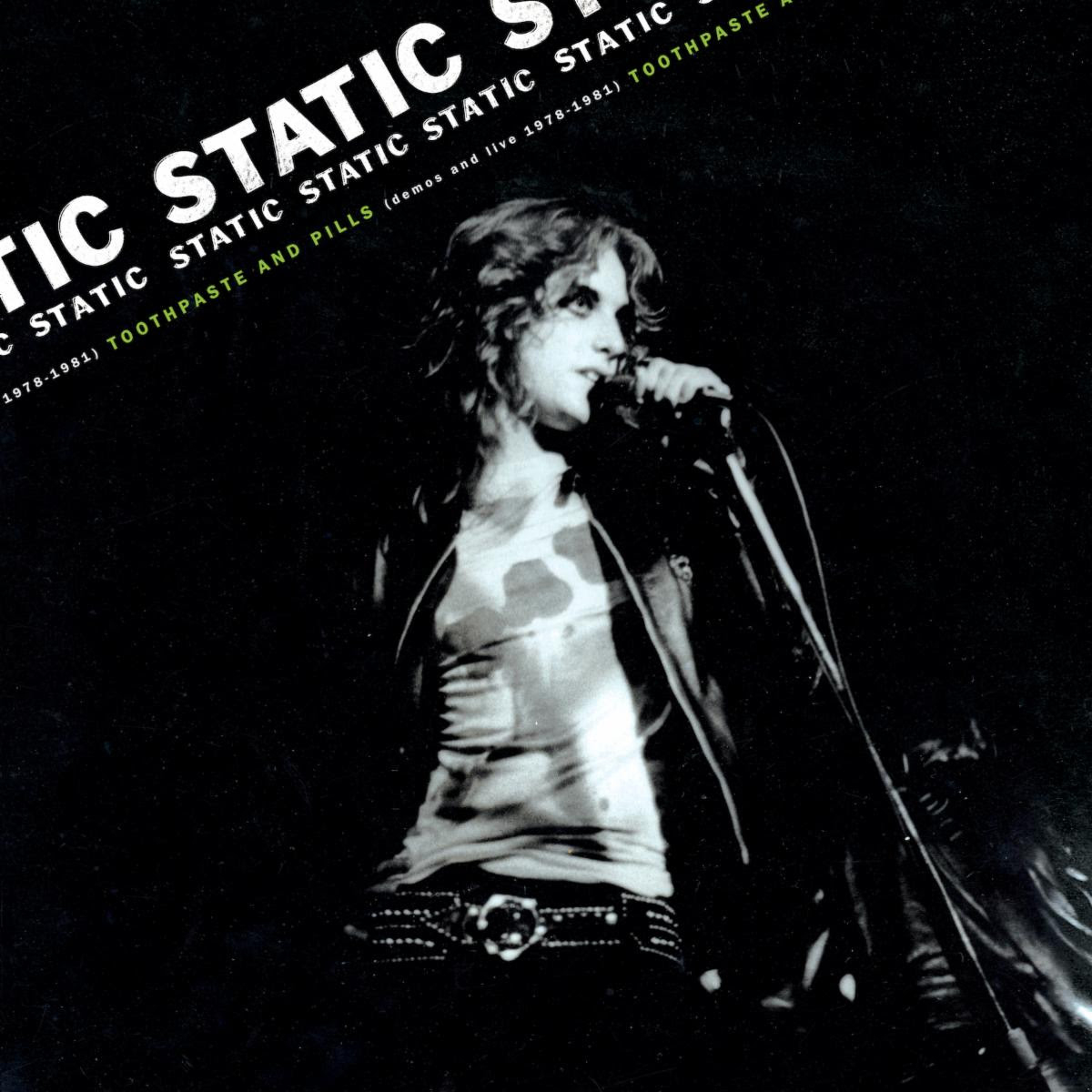


 Nashville, TN | Nashville record stores: Where to find used vinyl in Music City. Nashville is Music City, so it’s no surprise the city has some of the best record shops around. From massive used music warehouses to a former church building to hole-in-the-wall shops decorated only by 12-inch record sleeves, here’s where to go
  War Child re-release four classic albums 1 Love, Hope, Help! A Day In The Life and War Child Presents Heroes: The four classic albums, which were released for War Child between 2002 and 2009 feature the likes of Muse, Stereophonics, Oasis, Lily Allen, Radiohead and more. War Child have re-released four of their classic albums today (Friday 10 September). The charity – which strives to protect, educate and stand up for the rights of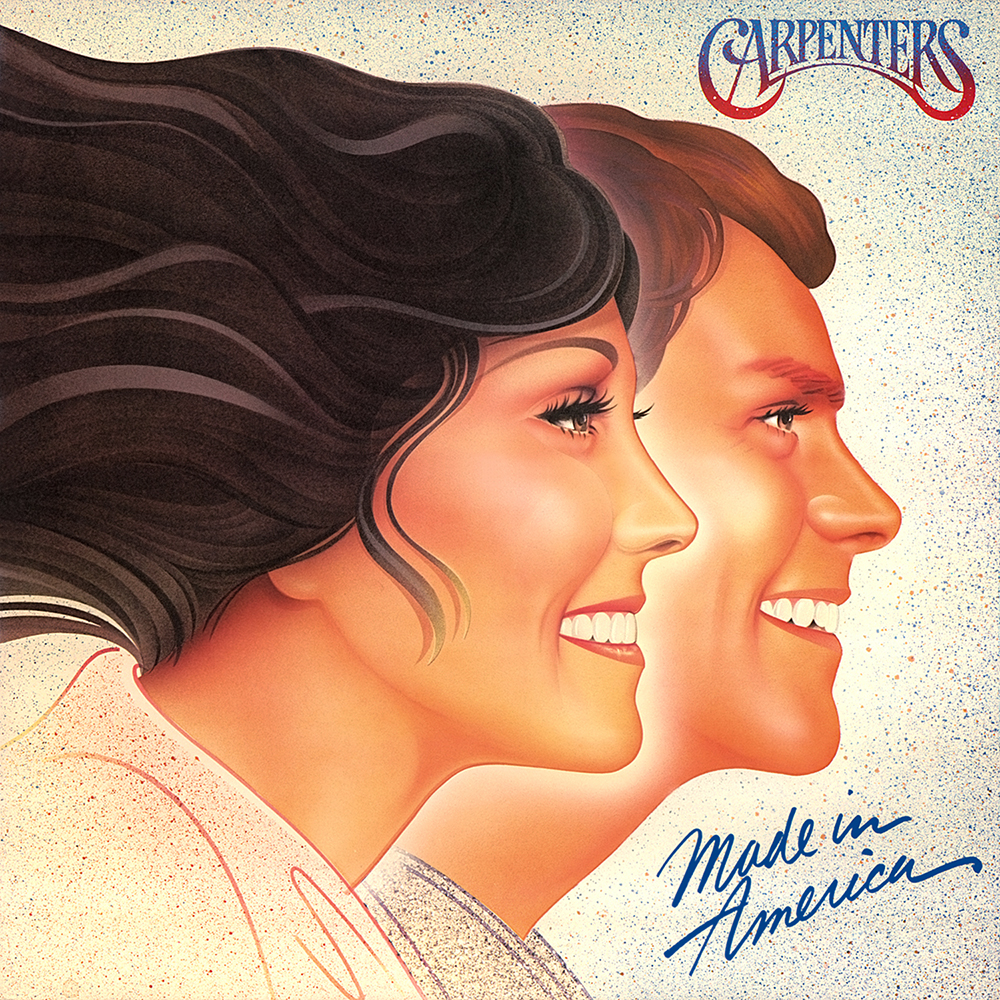


 Vega has, of course, continued writing and performing; crafting a catalog of music that is poetic, clever and adventurous. Location is of paramount importance to Vega and the thread of her body of work always ends up somewhere in New York City. This leads us to Suzanne’s latest project and release, An Evening of New York Songs and Stories which was the encapsulation of a run of shows Suzanne performed at New York City’s famed Cafe Carlyle. Like many projects in the last year or two, the release and tour to support it was hampered by the pandemic, but Vega is ready to get back out on the road to share this song-cycle focused on New York, New York.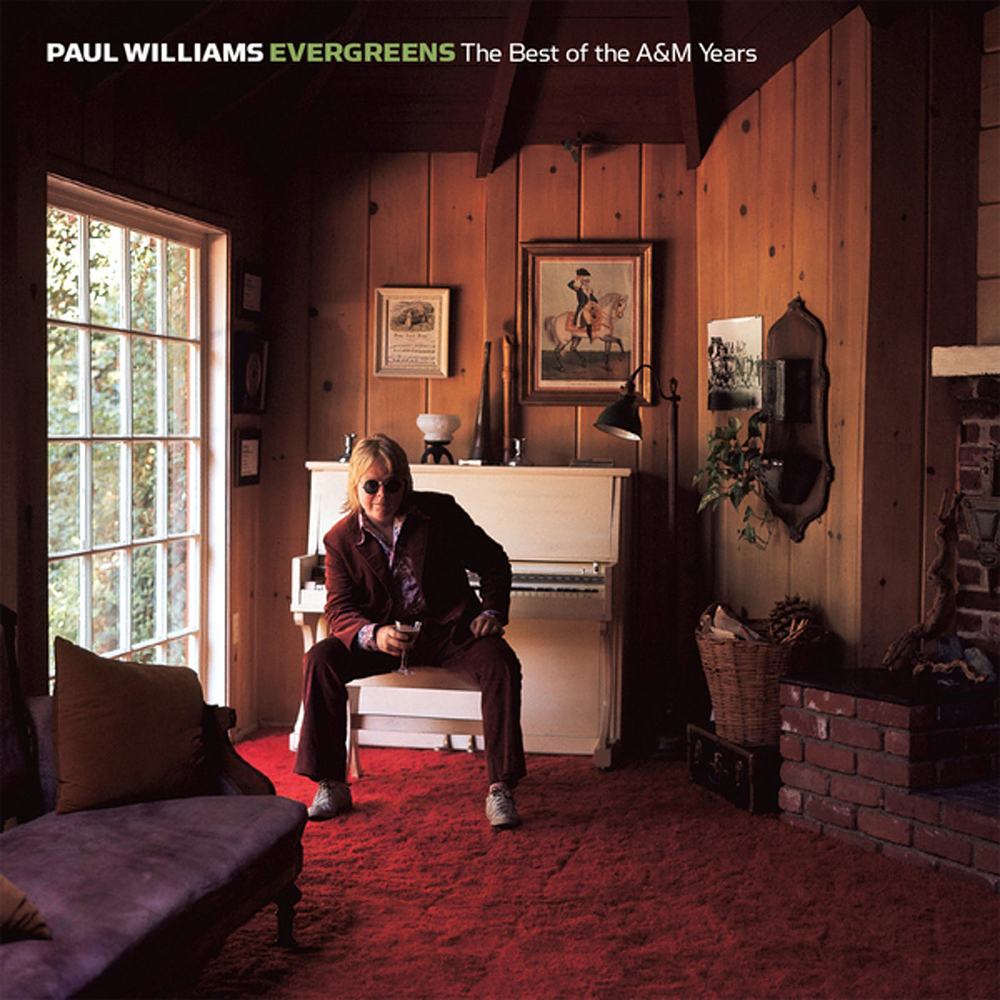
 Benton, AR | Go, go, Retro Rose: Record store in Benton sprung up during a pandemic surge: For anyone growing up in Benton, Hastings was the place to go to for vintage vinyl. When the ’90s mainstay finally closed in 2016, it drove fellow music buffs and me to look elsewhere in Saline County for record players, stacks of vinyl, stickers and band tees. Enter Retro Rose owner and UA-Little Rock alum Audra McAnally. McAnally graduated from Bryant High School in 2014 and from UA Little Rock’s School of Business in May 2018. She put her experience and skills to work in real estate with her own property preservation business. But when the pandemic closed down the world for a while, McAnally decided to try something new. “I’m a young lady with a big dream,” she said. That dream? To use her passion for collecting and selling vinyl records to “create an environment where everyone can feel welcome” in downtown Benton. Having already rented a space for the property business, McAnally and her boyfriend Brandon converted her office to
  Tucson, AZ | U-Turn Audio + Luz de Vida benefit / auction today (9/10): Join Homicide Survivors Inc., JFCS of Southern Arizona, and producers of the All Souls Procession on September 10, 2021 for Luz de Vida, a Pop-Up Gallery Event. There will be a live performance by Gabriel Naïm Amor, MSA Annex vendors, and an online auction. The auction will feature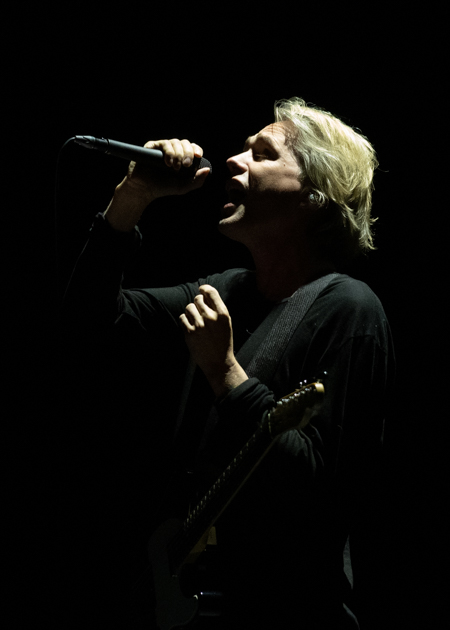
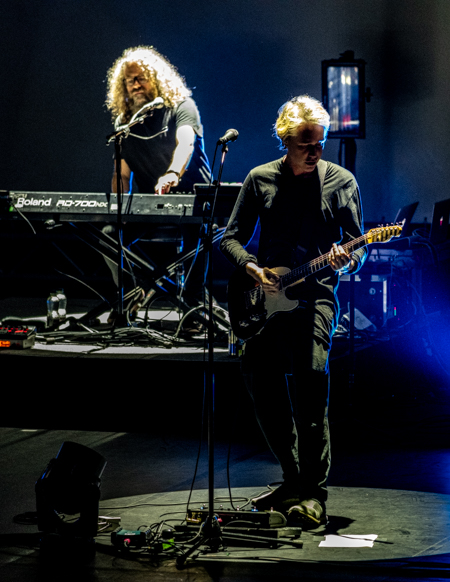

 NEW RELEASE PICKS: New York United, Volume Two (577) This set follows-up a lovely self-titled LP from 2019, on which an exquisite fusion of jazz and electronics was unveiled as conjured by the quartet of Daniel Carter (saxophones, flute, trumpet, clarinet), Tobias Wilner (synthesizers, percussion, vocals, piano, guitar), Djibril Toure (bass), and Federico Ughi (drums). As on the first record, the basis is group improvisation, although it’s more frequently groove-rooted than purely abstract (Toure is noted for playing bass with Wu-Tang Clan), which is further enhanced in post-production by Wilner, his input honing a sound that’s likely to appeal to lovers of ambient electronics and strains of beat-driven techno (and when Carter blows trumpet, even Hassell’s Fourth World music, but just a little bit). But fans of avant-jazz will find much to enjoy as well. When the first album came out, the group moniker/ album title connected like a reflection upon the bond of togetherness. Given all that’s happened since, it now registers like a statement on survival. Available on vinyl (limited grey and black) and digipak CD. A-
 Jessica Ackerley and Daniel Carter, Friendship: Lucid Shared Dreams and Time Travel (577) This digipak CD serves as my introduction to guitarist Ackerley. She plays acoustic with remarkable skill and communicative prowess in duo with Carter, who brings his reliable stash of horns (sax, flute, trumpet, clarinet) to the recording; throughout its eight dialogues, he improvises at a typically high level. While these interactions were documented at Scholes Street Studio in Brooklyn, the musical relationship (indeed, the friendship) of Ackerley and Carter was solidified by playing outdoors in a park last summer. Even with this knowledge, the familiarity and the comfort level are at times astonishing here. I’ll add that the atmosphere that’s established by the pair is casual and quite approachable rather than full-tilt bananas, which is worth mentioning given Carter’s rep for wild skronk (though it’s not the only arrow in his quiver) and Ackerley’s background in experimental noise (likewise, amongst other pursuits), as she also plays electric. I’m eager to hear more of her work. Daniel Carter continues to amaze. A
 REISSUE/ARCHIVAL PICKS: O.V. Wright, A Nickel and a Nail and Ace of Spades (Real Gone) Originally released in 1971 or ’72 (sources differ), the cover of this album is definitely a conversation piece. Looking at it, you might think the label’s center of operations was a storage shed, but no, Back Beat was a subsidiary of Duke Records, an important enterprise in the history of gospel (through Don Robey’s Peacock imprint), R&B (on Duke proper), and soul via Back Beat, featuring such notables as Carl Carlton (“Everlasting Love”), Roy Head (“Treat Her Right”), and the prolific Wright, who had five albums released on Back Beat, of which this was number four. Cut at Royal Recording Studios in Memphis with production by Willie Mitchell and featuring the Hi Records rhythm section and the Memphis Horns, the music is uncut Southern soul, a sound that contrasted with the increasingly polished direction taken by so many early ’70s soul singers and production houses. The band here is unimpeachable. Wright’s gospel drenched vocalizing never falters. Al Green fans shouldn’t sleep on this one. A
 Rick Deitrick, Coyote Canyon (Tompkins Square) This is the fourth reissue/ archival album from guitarist Deitrick, who is (thus far) the most prolific of the players to have been introduced to the wider public via Tompkins Square’s Imaginational Anthem Volume 8: The Private Press, an album now nearly five years old. Folks who know the first few volumes of that instrumental guitar series might be thinking that Deitrick’s an American Primitive guy, but that’s not the case. However, I don’t want to cultivate the impression that he’s undertaking some radical departure. Really, the main difference is that Deitrick plays in standard tuning. This is a significant distinction to be sure, but much of his work (here and elsewhere) strives for beauty regions that’re comparable to assorted nooks of the American Primitive impulse. Coyote Canyon features seven tracks recorded between 1972-’75, with a nearly ten-minute piece from 1999, “Three Sisters,” serving as the tidy record’s finale. The span of years isn’t really discernible, and Deitrick’s playing exudes calm without becoming overly tranquil. A-