VIA PRESS RELEASE | Never Mind The Bollocks, Here’s The Sex Pistols, an album that rewired 20 years of rock in under 40 minutes, is available today from Rhino High Fidelity (Rhino Hi-Fi), the premium vinyl reissue series. Order HERE.
Never Mind The Bollocks, Here’s The Sex Pistols (Rhino High Fidelity) was cut from the original master tapes by Kevin Gray and pressed on 180-gram black vinyl at Optimal in Germany. This release is limited to 5,000 individually numbered copies and available exclusively at Rhino.com and select Warner Music Group stores internationally.
Singer and main lyricist Johnny Rotten (John Lydon), guitarist Steve Jones, drummer Paul Cook, and bassist Glen Matlock—later replaced by Sid Vicious—recorded the Sex Pistols’ only studio album at Wessex Sound in London.
Released in 1977, it debuted at #1 on the U.K. charts despite being banned by major retailers and causing widespread controversy. Bristling with broadsides like “Anarchy In The U.K.,” “God Save The Queen,” “Pretty Vacant,” and “Holidays In The Sun,” the album distilled rage and disillusionment into a single, unrelenting statement.
In the album’s new liner notes, producer Chris Thomas recalls how the band found their recording approach almost by accident during an early session. “We put down a track, just rhythm guitar and drums, pretty much first-take, no mistakes. It was impossible to know if it was any good, so, being a bit stumped, I asked Steve if he would like to have a go at putting the bass part on.”
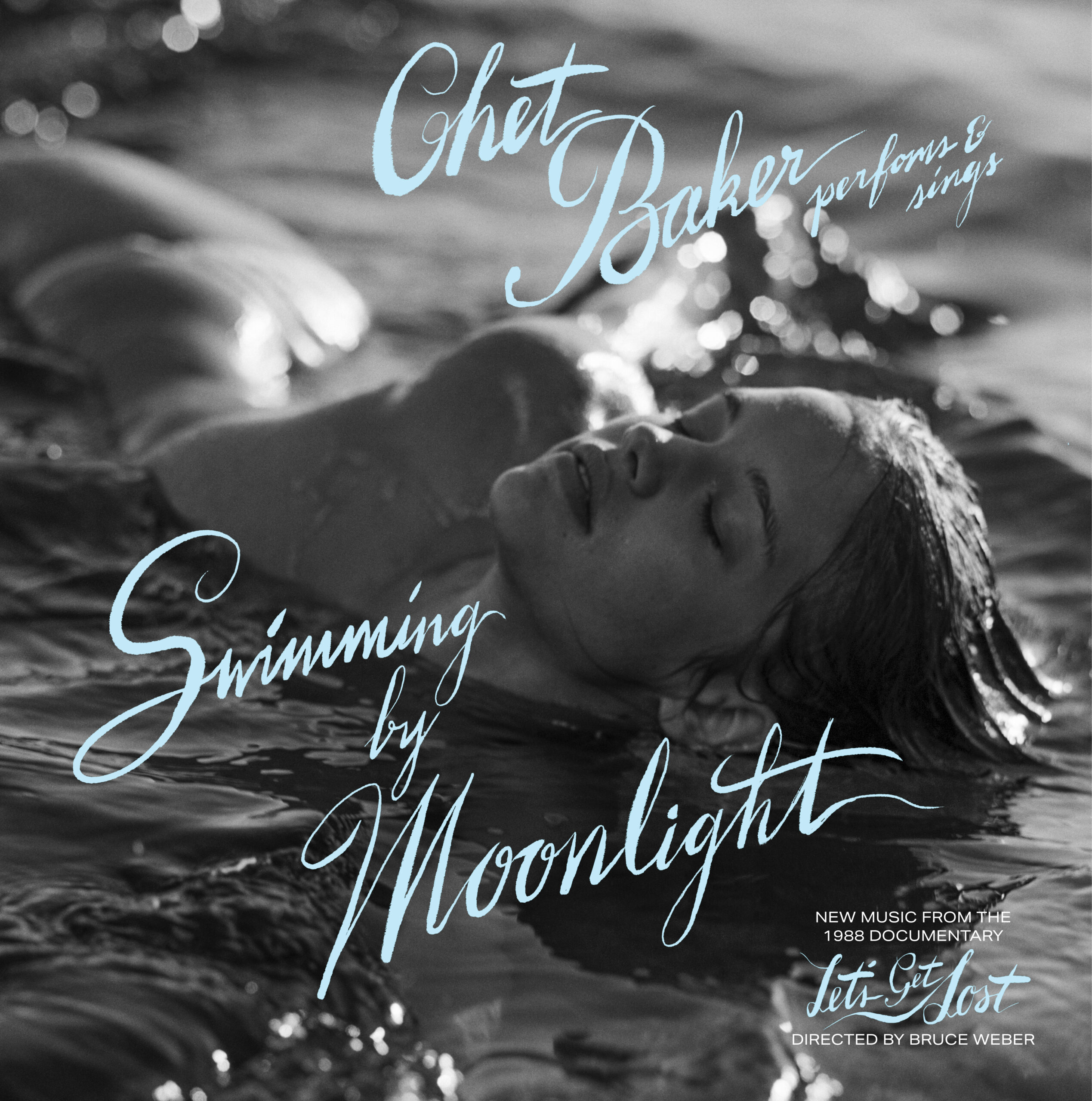
VIA PRESS RELEASE | Slow Down Sounds, in collaboration with renowned photographer and filmmaker Bruce Weber, announces the November 7 release of Chet Baker Performs and Sings Swimming by Moonlight, a 15-track collection of previously unreleased studio recordings by the legendary trumpeter and vocalist Chet Baker. Available on deluxe 2LP, 2CD, and digital formats, the album is now available for pre-order.
Recorded during the making of Weber’s 1988 Oscar-nominated documentary Let’s Get Lost and shelved for nearly 40 years, Swimming by Moonlight was curated from Weber’s archives and boasts a blend of intimate studio sessions captured at Sage and Sound Studio in Hollywood, CA and Studio Davout in Paris, alongside an electrifying live performance from Cannes 1987, recorded during the premiere of Weber’s first feature documentary Broken Noses.
Today, the closing track of the collection, a haunting interpretation of Elvis Costello’s “Almost Blue,” is unveiled and underscores why Costello once said that Baker could “make every note sound like the last word you’d ever hear.” Early streaming release tracks “Remember,” “Arbor Way,” “I’ll Be Around,” “Milestones,” and “C’est Si Bon” have amassed incredible fan support.
Recorded on analogue tape and meticulously transferred and edited by bassist and producer John Leftwich—an original collaborator on Let’s Get Lost—Swimming by Moonlight is an audiophile listening experience that respects both the spirit of the sessions and the legacy of Baker’s singular sound. A new essay by Bruce Weber, Nan Bush, and John Leftwich reflects on these recordings from a 40-year perspective of their time working with Chet.
Remembering Sterling Morrison, born on this date in 1942. —Ed.
Have you ever driven over what you thought was a speed bump, only to discover later it was your grandmother? I know, I know, so have I. Well, don’t beat yourself up about it. It’s partly her fault for falling face down in the street like that, and then failing (those old hips shatter like china!) to get back up. And the rest of the blame lies with the fact that you weren’t paying attention, but instead singing “too busy sucking on a ding dong” along with Loud Reed on “Sister Ray,” the centerpiece of the Velvet Underground’s magnum dopus, 1968’s White Light/White Heat.
Like many people I know and despise, I’ve gone through phases with the Velvet Underground. Their 1967 debut will be my favorite for a while, then I’ll switch allegiance to White Light/White Heat, and then I’ll go turncoat and spend a year or so listening only to Loaded. But I have given the matter a lot of thought, and have decided that White Light/White Heat is VU’s best LP, because it alone gets to the point, the point being that life is an absurd and awful place, and the only real and valid goal of art is to communicate said absurdity and awfulness in as absurd and awful a manner as possible.
Lou Reed was a Janus-faced fellow, an Apollonian and a Dionysian by turns, and as capable of producing songs of formalist beauty (“Pale Blue Eyes”) as he was of creating songs of seemingly chaotic ugliness (“I Heard Her Call My Name”). Me, I’ve decided (having spent the past year in an anteroom of Hell) I prefer the ugliness and chaos, and all of the nihilistic accoutrements that come with them. And on White Light/White Heat Reed was definitely in chaos mode.
As for vocalist/multi-instrumentalist John Cale, who would leave the Velvets after White Light/White Heat, he preferred the chaos to the beauty for aesthetic reasons having to do with his avant-garde predilections. Meanwhile, guitarist Sterling Morrison and drummer Maureen Tucker were simply along for the ride. That said, they weren’t unwilling participants in the creation of the masterpiece of malignity and malice that is White Light/White Heat. Morrison summed up the band’s collective gestalt at the time by saying, “We may have been dragging each other off a cliff, but we were all definitely going in the same direction. In the White Light/White Heat era, our lives were chaos. That’s what’s reflected in the record.”
Slow Magic, 1977–1978 is a collection of never-before-heard songs that Jeff Bridges wrote and recorded with a band of his oldest and closest friends.
Culled from a single decaying cassette tape labeled “July 1978,” these recordings are a window into the musical life of one of our greatest living actors who holds music as dear as all the art forms he participates in. The raw and organic tone of these recordings evokes the breeze and spirit of 1970’s Venice and Malibu beach where they were recorded.
I talked with Jeff about these sessions, his process as an artist, and how the multitude of mediums he participates in all blend together.
Slow Magic is in stores exclusively on Record Store Day on April 12th. You can go to jeffbridges.com to check out all of Jeff’s work including his amazing photography, drawings, and the fascinating “Life is but a Dream” series.
Radar features discussions with artists and industry leaders who are creators and devotees of music and is produced by Dylan Hundley and The Vinyl District. Dylan Hundley is an artist and performer, and the co-creator and lead singer of Lulu Lewis and all things at Darling Black. She co-curates and hosts Salon Lulu which is a New York based multidisciplinary performance series. She is also a cast member of the iconic New York film Metropolitan.
“Art is a stuffed crocodile,” wrote the French proto-dadaist Alfred Jarry. If I were a stuffed crocodile, I’d be insulted, but Jarry had a point. You have to look hard to find live crocodiles in the indie rock world, where stuffed crocodiles like Tame Impala and their tepid ilk hold sway, but I think I’ve found a real live one that could actually bite your leg off in South London’s Fat White Family. They may be a lot of things, including debauched and depraved, but they have the uncommon decency to be amusing about it.
Fat White Family (who got their start in a squat in Peckham) have been offending the intestinal sensibilities of listeners since 2013, when they released their debut LP Champagne Holocaust—a play on Oasis’ “Champagne Supernova.” An NME writer described the (then) six-piece’s music as “constantly on the brink of collapsing under the weight of its own politics, poverty, and vicious intent,” and how wonderful is that “vicious intent”?
Fat White Family also established a reputation for their self-destructive habits. Said vocalist (and band Withnail) Lias Saoudi to an interviewer for The Guardian, who commented on how… unwell they looked, “Rock ‘n’ rollers are supposed to be close to death, aren’t they? It’s your job to be out there on the edge, pummeling your body with weird shit.”
Speaking of weird shit, the no-fi music on Champagne Holocaust brings to mind the Mekons, The Fugs, The Fall, even the Manson Family. But they’re not strictly primitives, as the organ and funk guitar that propel opener “Auto Neutron” make clear. The song is slick, by Fat White Family standards, and almost sedate, and the group vocals (“We are auto neutron,” they sing, like they’re Devo or somebody) are, if anything, soothing. Guitarist Saul Adamczewski’s stinging solo, which devolves into pure fuzz, isn’t soothing, and that “gonna burn your shed down” at the end is a bit disquieting, but for the most part, what we have here is a song that won’t make anyone scream “Turn this shit off!”
Morrisville, PA | Falls Township stereo store adds 15,000-title Vinyl Lab: Since what’s old is new again, it has added 12,000 CDs to the mix as well. Audiolab Stereo & Video Center has expanded its store with the grand opening of Vinyl Lab, a full-scale record store located on the second floor of its Falls Township location on Lincoln Highway. The grand opening drew music lovers with featured live performances from local acts Ragtime Relics and The Rangers Nouveau Band. Guests also enjoyed face painting, raffles and giveaways, with prizes ranging from portable speakers to turntables. The newly opened Vinyl Lab offers a rotating collection of more than 15,000 vinyl records, 12,000 CDs and a wide selection of cassette tapes. The record store encourages music enthusiasts to reach out with special requests or to inquire about hard-to-find titles. The expansion was a no-brainer…
Beijing, CN | Q&A: How fRUITYSHOP Is Shaping China’s Vinyl Culture: fRUITYSHOP is an independently run Chinese record store with a branch in Beijing specialising in secondhand vinyl records, and a branch in Shanghai that stocks newer releases and electronic music. Founder Yaho Wang grew up in the 90s collecting records that were considered ‘rubbish’ (or 打口, dǎkǒu): unsold stock or rejected pressings that companies offloaded cheaply to China. Stores like fRUITY, first opening in 2012, helped build a fan base of collectors who valued digging and discovering hidden gems among these once-disposed-of records. Since opening the store has built its reputation with a Technics vinyl DJ mix series, and listening party for Pulp’s latest album release. Now, fRUITY has also founded its own indie and electronic record labels representing Chinese artists, helping them press, distribute their first vinyl releases.
Arlington, TX | Truth Vinyl back with larger venue: Flashback to 2020, when the world was plagued by COVID-19, virtually shutting down the entire world, and fear kept many people in their homes. Local businesses faced the loss of their entire clientele. One in three small businesses closed because of the pandemic. This was the reality the owners of Truth Vinyl faced five years ago when they were forced to close their doors to the public. But this closure was always meant to be temporary. On Feb. 27, 2025, Truth Vinyl reopened at 300 E. Division St. in Arlington, the venue’s newer and bigger location. Pandemic changed consumer behavior: Truth Vinyl’s retail sales and talent director Shelly Michele discussed her experience and fear when the pandemic first hit, saying “it was definitely difficult.” Michele said the pandemic changed people’s shopping behavior.
Largo, FL | The Book Rescuers: Largo business on mission to rehome books, build community. Three miles of shelving holding 200,000 items stretch across The Book Rescuers’ warehouse in Largo. Several decades of fiction and nonfiction titles, foreign language books, children’s books, audio books, comic books, DVDs, VHS tapes, vinyl records, board games, and puzzles fill aisle after aisle of shelves. Mystery, history, thrillers, chillers, science fiction, classics, cookbooks, romance, crime stories, and coffee table books are all part of an ever-changing inventory that’s constantly restocked, sold, and replaced. All of it’s been donated to this bookstore that rescues and rehomes books that would otherwise end up at the dump. It’s only right for a bookstore filled with all these titles and tales to have a story of its own.
“This was the first CD I ever owned!” one concertgoer gushed with wide-eyed excitement as The Fray delivered a set steeped in nostalgia at The Wiltern.
On the first of two nights in Los Angeles on their “How to Save a Life: The 20th Anniversary Tour,” from the first shimmering chords of “She Is” to the triumphant encore, the Denver band reminded fans why their songs have soundtracked so many pivotal moments over the last two decades. Celebrating their greatest hits and guiding the crowd through a carefully curated musical journey, this performance felt like a heartfelt gift to the fans who have supported them since their beginnings in 2002.
Even as a casual listener over the years, it wasn’t until I stood in the crowd that I truly understood the depth of The Fray’s catalog of iconic songs. Each song felt instantly recognizable yet somehow fresh, from the soaring choruses of “Over My Head (Cable Car)” to the hauntingly tender notes of “Fall Away” to personal favorite “You Found Me,” all of which had the sold out crowd—myself included—belting along as if the songs had never left us.
Singing the first bellowing notes of “Look After You,” lead singer Isaac Slade paused to invite special guest and opening act Landon Barker to the stage. Son of Blink-182 drummer Travis Barker, it was clear Landon was no stranger to the spotlight as he strode back and forth, matching Slade’s unwavering emotion. Garnering hundreds of millions of views on TikTok for lip syncing to The Fray’s iconic tracks, this was a full-circle moment that allowed the 20-year-old song to bridge generations, connecting the band’s longtime fans with a younger audience in a shared celebration of music.
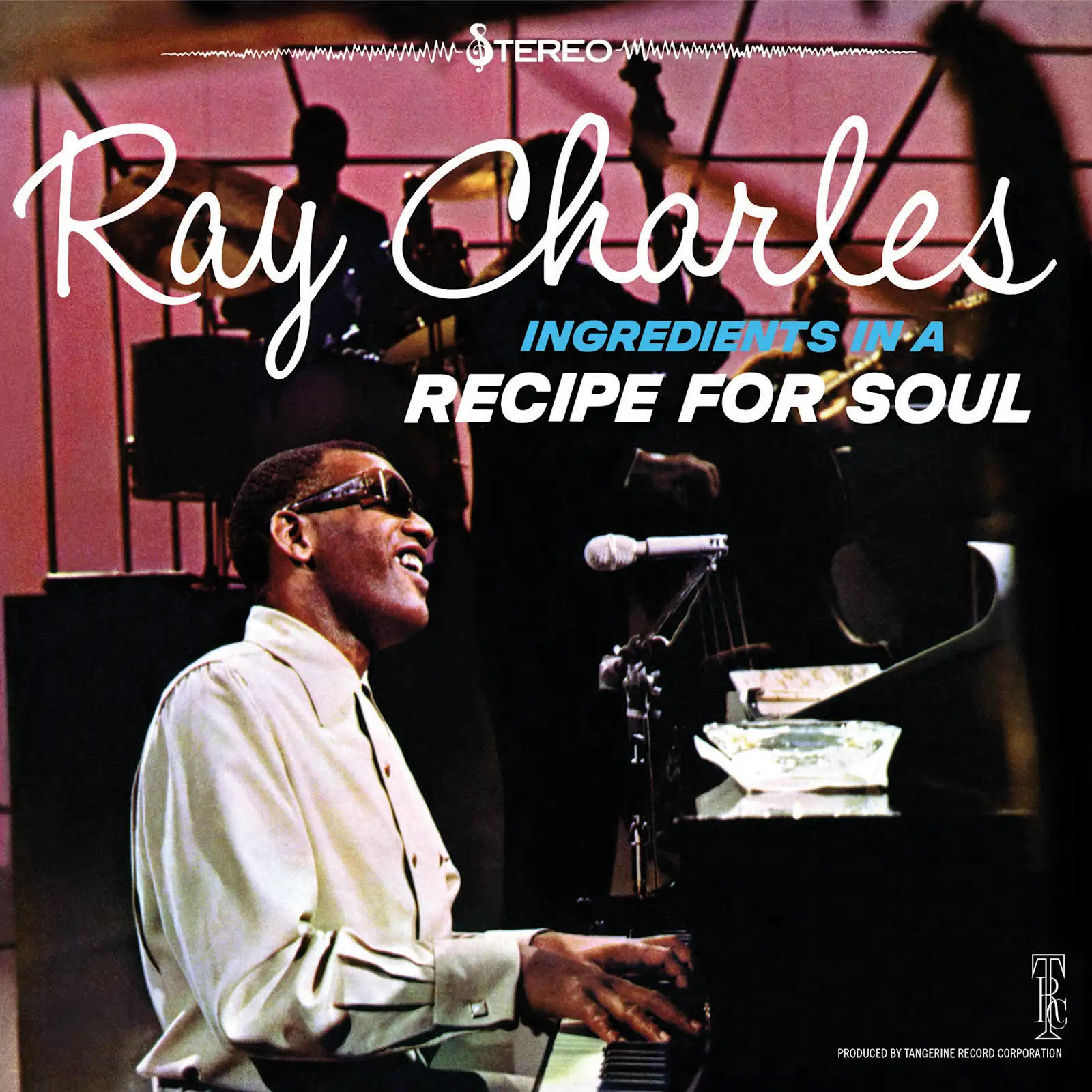
VIA PRESS RELEASE | “I never wanted to be famous, I only wanted to be great.” —Ray Charles
Founded by Ray Charles in the 1960s, Tangerine Records is proud to celebrate the 17x GRAMMY® Award-winning singer, songwriter, and pianist’s singular legacy with the Tangerine Master Series, a new slate of reissues highlighting Charles’ best-known music alongside classic records long out of print, and ready for rediscovery. Each album has been restored and remastered under the direct supervision of The Ray Charles Foundation, painting a vivid new portrait of an artist and icon whose impact continues to expand and inspire.
The Tangerine Masters Series continues today with the reissue of Come Live With Me, a blend of pop and gospel-infused soul that sees Charles demonstrating his unmatched versatility available now at all DSPs and on vinyl for the first time in over 50 years; a CD edition arrives on Friday, September 26.
Remastered by 5x GRAMMY® Award-winning engineer Michael Graves and acclaimed vinyl mastering engineer Jeff Powell, Come Live With Me showcases Ray Charles in full ’70s crossover mode, embracing everything from string-laden arrangements, country-tinged ballads, and soulful soft rock to R&B and funk. At a time when R&B was defined by the politically charged, genre-blending work of Sly Stone, Funkadelic, Curtis Mayfield, and Stevie Wonder, Ray Charles didn’t chase trends. Instead, he carved his own path, doing something entirely his own.
Remembering Wayne Osmond, born on this day in 1951. —Ed.
I used to know this rather dim garbage head who gobbled a handful of pills he thought were opiates but weren’t, and he swore—on a stack of ludes!—they didn’t do anything but make his waist-length hair stand straight up in the air and vibrate. I’m pretty sure his story was bullshit. That said, if you’re looking for an album that will do the same thing, you could do much worse than check out The Osmonds’ Crazy Horses.
You heard me right: The Osmonds. Because despite what you may have heard about Ogden, Utah’s finest, they weren’t a do-goodie, whiter-shade-of-pale tweenie-pop imitation of the Jackson Five but substance-abusing (they sometimes took as many as three aspirin at once!) Mormon mofos who took their Tang straight yet still managed to stand up on their hind legs and bray. And the culmination of their badassness was Crazy Horses, one of the greatest hard rock albums your ears will ever hear. And that’s not just me talking: in Stairway to Hell: The 500 Best Heavy Metal Albums, rock crit Chuck Eddy puts Crazy Horses at No. 66—which is too low in my opinion, but then everybody underestimates the Mormon Motörhead.
The brothers began their career as a barbershop quartet, The Osmond 5 (math is not taught in the schools of the Church of Latter Day Saints) before becoming worldwide superstars thanks to little brother Donny and the bubblegum classic “One Bad Apple.” Meanwhile, though, Donny’s older siblings were chomping at the bit. They wanted to write their own songs and play their own instruments and smoke fake cigarettes and change their name to The Gentile Killers. So they staged a coup of sorts, relieving Donny of lead singer duties to toughen up their sound while honing their protopunk chops by playing along to Hollies’ records until they were the five maddest, baddest, LDS-taking apples in the whole bunch, girl.
VIA PRESS RELEASE | Seventy years ago, Carl Perkins’ single, “Blue Suede Shoes,” struck down on a staid music landscape like a bolt of lightning. It shocked and electrified the world with its infectious blend of country, blues, and pop, and is often considered one of the first rockabilly songs.
The King Of Rockabilly, Carl Perkins, returns to Sun Records just in time to celebrate 70 years of “Blue Suede Shoes” with the landmark, never-before-heard album, Some Things Never Change, out October 24th, 2025. The 10-song collection was produced by Grammy-nominated songwriter, musician, recording artist, and producer Bill Lloyd. Nashville-based Lloyd is often remembered as half of the chart-topping country-rock duo Foster & Lloyd. The album’s first single, revved-up rocker, “Memphis In The Meantime,” is out today. Some Things Never Change will be available on vinyl, CD, and across all streaming platforms.
“Working with Carl Perkins remains one of the biggest highlights of my career,” says Bill Lloyd. “What makes this release especially meaningful is knowing that rockabilly continues to resonate with new generations. I hope young artists will hear this album and feel the energy, authenticity, and joy that Carl brought to every note.”
Some Things Never Change couldn’t be a truer proclamatory title. Perkins sounds full of vigor and swagger, making 1990—the year it was recorded—feel as vital as 1955, ground zero for rockabilly’s genesis. The recordings are complete with all the classic fixings: slapback echo, twanging guitars, snarled singing, and dreamy balladry.
With Dolores O’Riordan as their distinctive vocalist, the Irish four-piece The Cranberries took alternative rock by storm in the 1990s, crafting a sound drawn from ’80s UK indie pop and adding elements of dream pop, post punk, and the nascent alt-rock scene. It was their second album, 1994’s No Need to Argue, that made the biggest splash and remains the band’s biggest seller; it’s just been given an expanded 30th anniversary edition that includes remixes of “Ode to My Family” and “Zombie,” a demo of “Zombie” and live tracks from Woodstock ’94 and MTV Unplugged. A fresh consideration of the LP is below.
If No Need to Argue was The Cranberries biggest success, their debut album from the previous year, Everybody Else Is Doing It, So Why Can’t We? laid the groundwork. That first record, like its follow-up, was produced by Stephen Street, and landed the band an alternative hit in “Dreams” and a legit mainstream breakthrough with “Linger.”
Released in October 1994, No Need to Argue managed four singles, with the first, “Zombie,” issued a month prior to the album, becoming huge internationally. The heaviest song they’d recorded up to that point, and featuring O’Riordan’s sharp, heavily accented wail, “Zombie” wasn’t a complete change of pace, as they’d gotten loud on their debut, and O’Riordan’s vocal prowess was a defining trait on their first album.
Second single and album opener “Ode to My Family” is closer to what fans would’ve expected; it’s pretty and achy and showcases O’Riordan’s singing exceptionally well. It’s followed on the LP by the more straightforward, punked-up rocker “I Can’t Be With You,” which was the third single from the album everywhere in the world except the USA, where it was single number four.
Modesto, CA | Downtown Modesto record shop moves its music to Roseburg Square: When you walk into Roseburg Square’s newest retail shop, you may not be able to immediately point out who’s in charge. That is by design, Broken Records owner Shavin Jit said, because “it’s more about the records.” But aside from one other employee who usually works once weekly, Jit is the one running the show. The 29-year-old Modesto native’s love of music inspired him to open a record store in downtown Modesto in October 2023. The around 400-square-foot unit at 1321 I St. was leased by Jit’s wife, Kianna, for her waxing studio for less than a year before she moved. “It just sat empty because I was stuck in a lease,” Kianna Jit said. “And then (Shavin said he) wanted to open up a record store. I was like, ‘Well, you have I Street.”
Christchurch, NZ | The Christchurch suburb that’s become a hub for record stores: A Christchurch suburb is turning into a hotspot for record collectors and music enthusiasts. Two new music stores have opened in Sydenham this year, both in close proximity to the well-established Penny Lane Records, which has been in business for 22 years. The Flipside opened on Wordsworth St in March while Scotty’s Hi-Fi opened on Stanley St in June. Penny Lane manager Garry Knight welcomed the competition and said it was good for the area. “[Sydenham] is a good location for … these slightly more niche businesses.” Knight, who has been at Penny Lane for 17 years, said Sydenham’s accessibility is what set it apart from other parts of the city. The suburb had a “laid back vibe” and plenty of places to spend time having a “dig around.” The cheaper rent compared to town was another attraction, he said.
Macon, GA | Taylor Swift albums alone pay yearly rent of indie record store as top two vinyl confirmed: As Taylor Swift continues to dish out new vinyl variants for her upcoming album, The Life of a Showgirl, a record store is admitting she’s been quite lucrative for them. Vertigo Vinyl, which is based out of Macon, G.A., shared that album sales from Taylor records are critical to keeping them open. “I’m not joking when I say Taylor Swift sales alone pay our yearly rent,” they wrote on X, formerly known as Twitter. The information drops come as critics continue to slam the pop star for racking up variants as part of her rollout strategy. Her fans, though, adamantly defend Taylor, pointing out that collectors’ editions are nothing new and largely used by other artists in the industry, who do not receive the same level of scrutiny. Vertigo Vinyl broke down the financial gain from Taylor’s discography a bit.
Milton Keynes, UK | Introducing a new Milton Keynes vinyl shop to get you in the groove! The recent year resurgence in vinyl has seen music fans rushing to collect those long lost pressings and original issues they missed the first time around. A unique record shop here in Milton Keynes is catering for the demand. Kick Muck Records opened its doors at the start of the year—it is the new city’s first repurposed shipping container record shop, and based in Little Brickhill. Owner Ian Dunmore is helping to fill a flourishing customer list with their most sought after discs. “We carry most genres—including prog and punk, 80s, 90s and indie,” he told MKFM, “I was a collector and loved record shops. I wanted to recreate that 90s vibe again,” he said, explaining the walls decorated with NME magazine pages.
Celebrating the band’s 10th anniversary, Flatland Cavalry is traveling the country on the Flatland Forever Tour. Stopping at The Riviera in Chicago’s uptown neighborhood, Flatland planned their trip just in time to experience a Midwest summer.
The show was opened by Keller Cox, a Texas native and young talent. Keller was a late addition to the tour and said from the stage that he got a call from his manager one night with a message that Flatland wanted him on tour with them. He drove 17 hours through the night in order to make it to his first show. Keller released his second studio album in 2024 and is building off that momentum with an EP in 2025. He has toured with other up-and-coming names in tis space, but getting on the Flatland anniversary tour is a big step for Keller.
Defined as both Americana and country, Flatland Cavalry draws from its strong connection to West Texas. Its music has a special attraction for listeners, offering something that feels approachable and deeply personal at the same time. The band grew up in working-class families, went to Texas Tech, sat in their garage, and drank beers together. They are regular people with whom I think fans really resonate.
VIA PRESS RELEASE | GRAMMY® Award-winning Rock & Roll Hall of Fame® Inductees and iconic New Jersey R&B group Kool & The Gang will unveil their new Greatest Hits collection on October 17, 2025 via Island, Mercury Records, and Universal Music Enterprises (UMe). It notably stands out as the band’s first new vinyl release in decades. Greatest Hits will be pressed on limited-edition 1LP platinum ice vinyl as a special online exclusive as well as black 1LP vinyl and 1CD. Pre-order HERE through the group’s Official Store.
Assembling a definitive sampling of smashes, the group serves up a “Kool Dozen” of signature staples and generational anthems. The album flaunts everything from funky gems such as “Jungle Boogie,” “Ladies Night,” “Celebration,” and “Get Down On It” to the soulful “Cherish” and more. Greatest Hits features a compelling and extensive historical essay penned by one of the band’s closest confidants. In July, Kool & The Gang dropped the “Kool Summer” EP, collecting 6 brand new Official Remixes of various classics from their catalog by the likes of Young Franco, DJ Crazy, Prince Hakim Bell, and more.
Kool Summer has generated millions of streams in addition to earning acclaim from the likes of The Urban Music Scene and more. Right out of the gate, WE RAVE YOU applauded how “They teamed up with top-tier producers from around the world to breathe new life into tracks like ‘Celebration,’ ‘Get Down On It,’ and ‘Fresh,’ blending nostalgia with cutting-edge production.” In the EP’s wake, Digital Journal also spoke to Co-Founder and bassist Robert “Kool” Bell for a career-spanning interview.
Paul Weller is regarded as one of the most important pop music artists of all time in his native UK. Weller is nearly peerless among British musical artists who first came up after the ’60s. His first group, The Jam, along with the Sex Pistols and The Clash, were the most important seminal UK punk bands of the 1970s. Of them all, no other member of any of those groups has had the kind of sustained success, critical acclaim, and singular place in music as Weller.
After The Jam, Weller formed the criminally underrated Style Council. Since their breakup, he has recorded nearly 20 solo studio albums, which have only solidified his stature and following. Unlike many artists to emerge from the 1960s or 1970s, Weller never rests on his laurels, relies on his earliest works in concerts, or seems to be slowing down or losing his touch. The only other English artist who comes to mind who has some of these attributes is Richard Thompson.
After three albums on Polydor in the UK, Weller, now 67, is back on Parlophone, with the album being domestically released here in the US by Warner Bros. The album is somewhat of a follow-up to his 2004 album Studio 150. Both albums are exclusively made up of covers and sometimes focus on songs from artists from the US. Both also have a more stripped-down acoustic and rural feel. It’s American folk and singer-songwriter music played in the smoky basement of an English pub. The difference in the two is that Studio 150 had a more rootsy, even at times blues and R&B feel, while the new album is more lush.
It’s telling that Weller starts off the album with a cover of a Richie Havens song. Havens was one of the most beloved, forceful, and singular artists to emerge out of the Greenwich Village folk scene. His incendiary performing ability was on full display in his live set that opened the Woodstock festival in 1969, and he would successfully transition into the ’70s singer-songwriting genre, although he was more of a song interpreter.


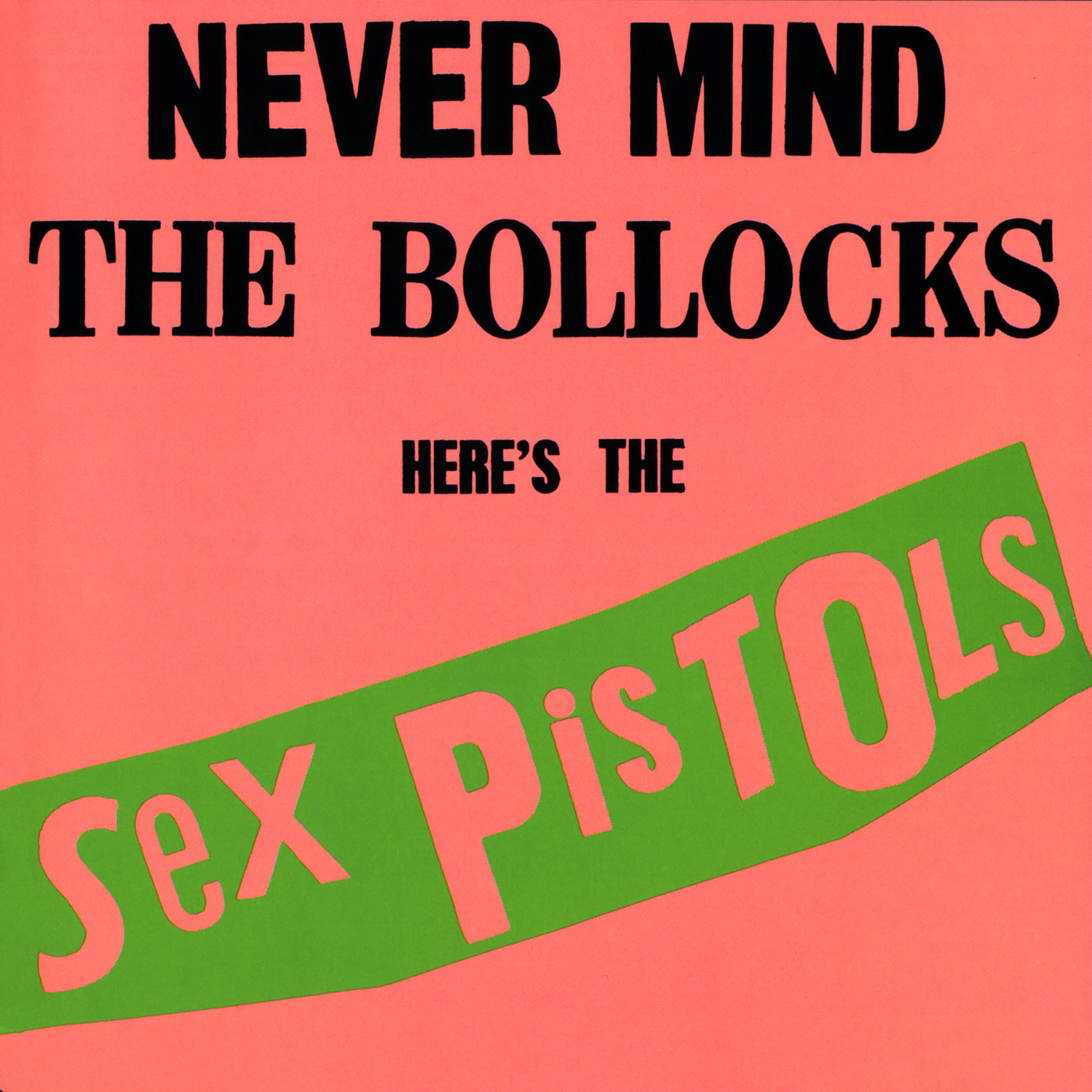
 Never Mind The Bollocks, Here’s The Sex Pistols (Rhino High Fidelity) was cut from the original master tapes by Kevin Gray and pressed on 180-gram black vinyl at Optimal in Germany. This release is limited to 5,000 individually numbered copies and available exclusively at Rhino.com and select Warner Music Group stores internationally.
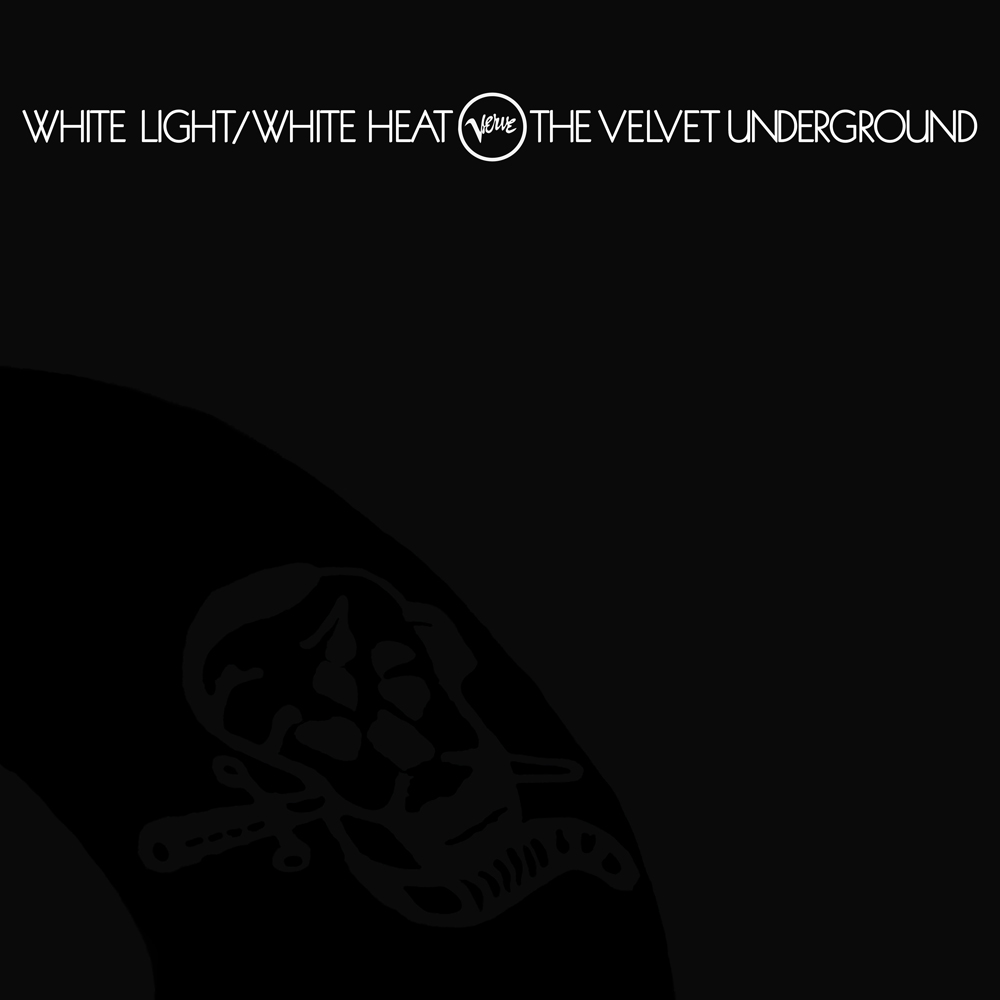
 Like many people I know and despise, I’ve gone through phases with the Velvet Underground. Their 1967 debut will be my favorite for a while, then I’ll switch allegiance to White Light/White Heat, and then I’ll go turncoat and spend a year or so listening only to Loaded. But I have given the matter a lot of thought, and have decided that White Light/White Heat is VU’s best LP, because it alone gets to the point, the point being that life is an absurd and awful place, and the only real and valid goal of art is to communicate said absurdity and awfulness in as absurd and awful a manner as possible.
 Culled from a single decaying cassette tape labeled “July 1978,” these recordings are a window into the musical life of one of our greatest living actors who holds music as dear as all the art forms he participates in. The raw and organic tone of these recordings evokes the breeze and spirit of 1970’s Venice and Malibu beach where they were recorded.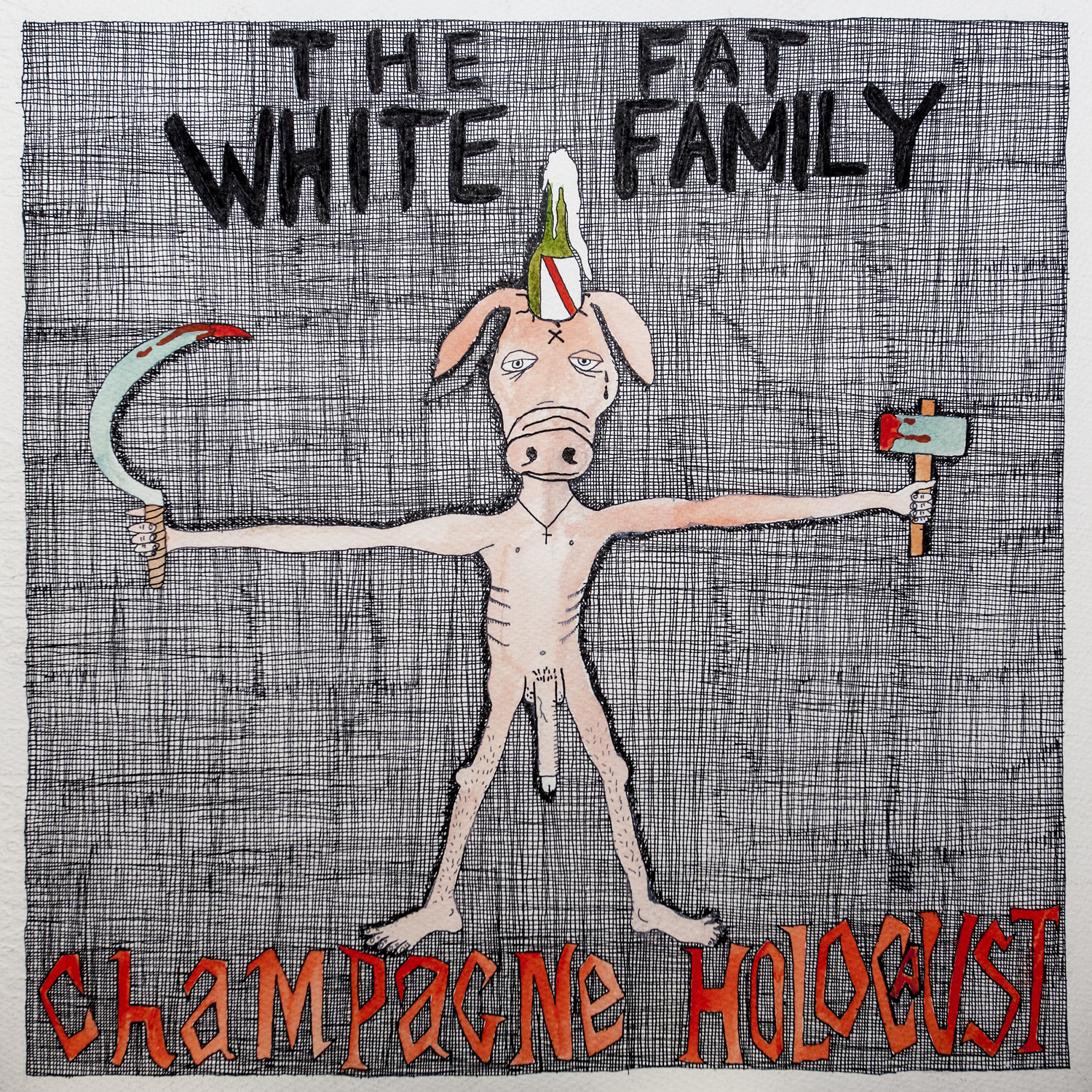

 Beijing, CN | Q&A: How fRUITYSHOP Is Shaping China’s Vinyl Culture: fRUITYSHOP is an independently run Chinese record store with a branch in Beijing specialising in secondhand vinyl records, and a branch in Shanghai that stocks newer releases and electronic music. Founder Yaho Wang grew up in the 90s collecting records that were considered ‘rubbish’ (or 打口, dǎkǒu): unsold stock or rejected pressings that companies offloaded cheaply to China. Stores like fRUITY, first opening in 2012, helped build a fan base of collectors who valued
  Largo, FL | The Book Rescuers: Largo business on mission to rehome books, build community. Three miles of shelving holding 200,000 items stretch across The Book Rescuers’ warehouse in Largo. Several decades of fiction and nonfiction titles, foreign language books, children’s books, audio books, comic books, DVDs, VHS tapes,

 You heard me right:


 Christchurch, NZ | The Christchurch suburb that’s become a hub for record stores: A Christchurch suburb is turning into a hotspot for record collectors and music enthusiasts. Two new music stores have opened in Sydenham this year, both in close proximity to the well-established Penny Lane Records, which has been in business for 22 years. The Flipside opened on Wordsworth St in March while Scotty’s Hi-Fi opened on Stanley St in June. Penny Lane manager Garry Knight welcomed the competition and said it was good for the area. “[Sydenham] is a good location for … these slightly more niche businesses.” Knight, who has been at Penny Lane for 17 years, said Sydenham’s accessibility is what set it apart from other parts of the city. The suburb had a “laid back vibe” and plenty of places to spend time having
 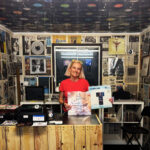 Milton Keynes, UK | Introducing a new Milton Keynes vinyl shop to get you in the groove! The recent year resurgence in vinyl has seen music fans rushing to collect those long lost pressings and original issues they missed the first time around. A unique record shop here in Milton Keynes is catering for the demand. Kick Muck Records opened its doors at the start of the year—it is the new city’s first repurposed shipping container record shop, and based in Little Brickhill. Owner Ian Dunmore is helping to fill a flourishing customer list with their most sought after discs. “We carry most genres—including prog and punk, 80s, 90s and indie,” he told MKFM, “I was a collector and loved record shops. I wanted to recreate